The main difference: heat and flavor
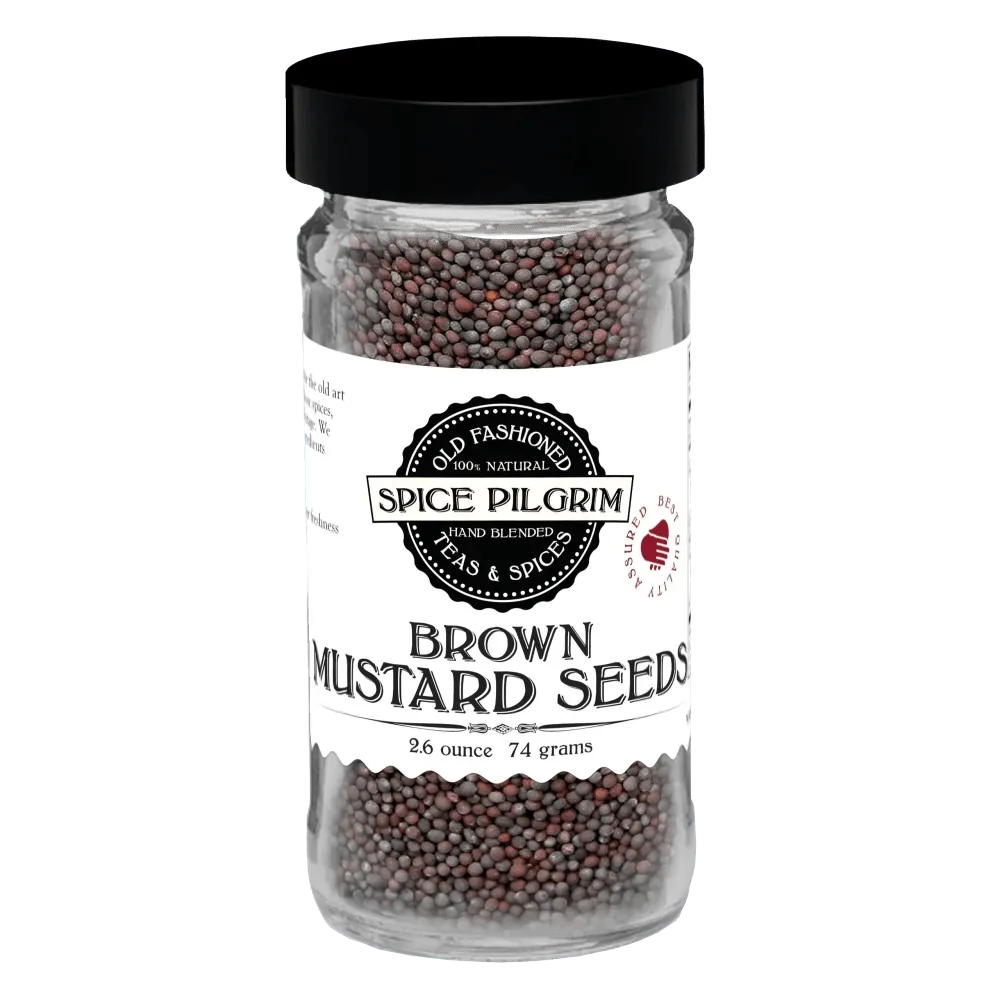
Brown mustard seeds pack a robust, peppery heat that is sharper and more complex than the milder yellow variety. If you want a pronounced kick in pickles, curry blends, or spice rubs, brown seeds deliver intensity without needing extra quantity.
Yellow mustard seeds are the familiar mild option, often used in American-style pickles and yellow mustard condiments. They bring gentle warmth and a bright tang, but they won't dominate a dish the way brown seeds can.
Brown vs yellow at a glance
- Heat level: Brown seeds are more intense and peppery; yellow seeds are mild and approachable.
- Flavor profile: Brown seeds offer sharp, complex notes; yellow seeds are simpler and slightly sweet.
- Best for pickling: Brown seeds hold up well in pickling brines and add a spicy layer; yellow seeds give a milder, more traditional dill-pickle character.
- Best for cooking: Brown seeds shine in Indian curries, Asian dishes, and bold spice rubs; yellow seeds suit lighter European preparations and sauces.
Pickling with brown mustard seeds
When you pickle with brown mustard seeds, you get a sharper bite that stands up to vinegar and spices. They are a natural fit for spicy pickled vegetables, chutneys, and Indian-style achar. The seeds stay crunchy and release their heat gradually, so the brine develops complexity over time.
Yellow seeds are the classic choice for dill pickles and sweet bread-and-butter pickles. If you want the traditional flavor without extra heat, yellow is the safer pick. But if you like a little fire in your jar, swapping in brown seeds is an easy upgrade.
Cooking with brown mustard seeds
Brown mustard seeds are a staple in Indian, Asian, and European cooking. They are ideal for curry blends, spice rubs, and dishes where you want a deep, peppery warmth. To get the most flavor, temper them in hot oil until they pop, which softens their sharpness and releases a nutty aroma.
Yellow seeds work better when you want a subtle background note, like in potato salads, salad dressings, or mild mustards. They can be used whole or ground, but they won't provide the same punch as brown seeds.
A reliable brown mustard seed option
-
Mustard Seeds, Brown: Brown mustard seeds deliver a robust, peppery heat that elevates both traditional and contemporary cuisine. These small, dark seeds pack a sharp, complex flavor profile—more intense than their yellow counterparts—making them ideal for pickling, curry blends, and spice rubs. This confirms brown seeds are a strong choice when you want a bolder mustard flavor in pickles and cooked dishes.
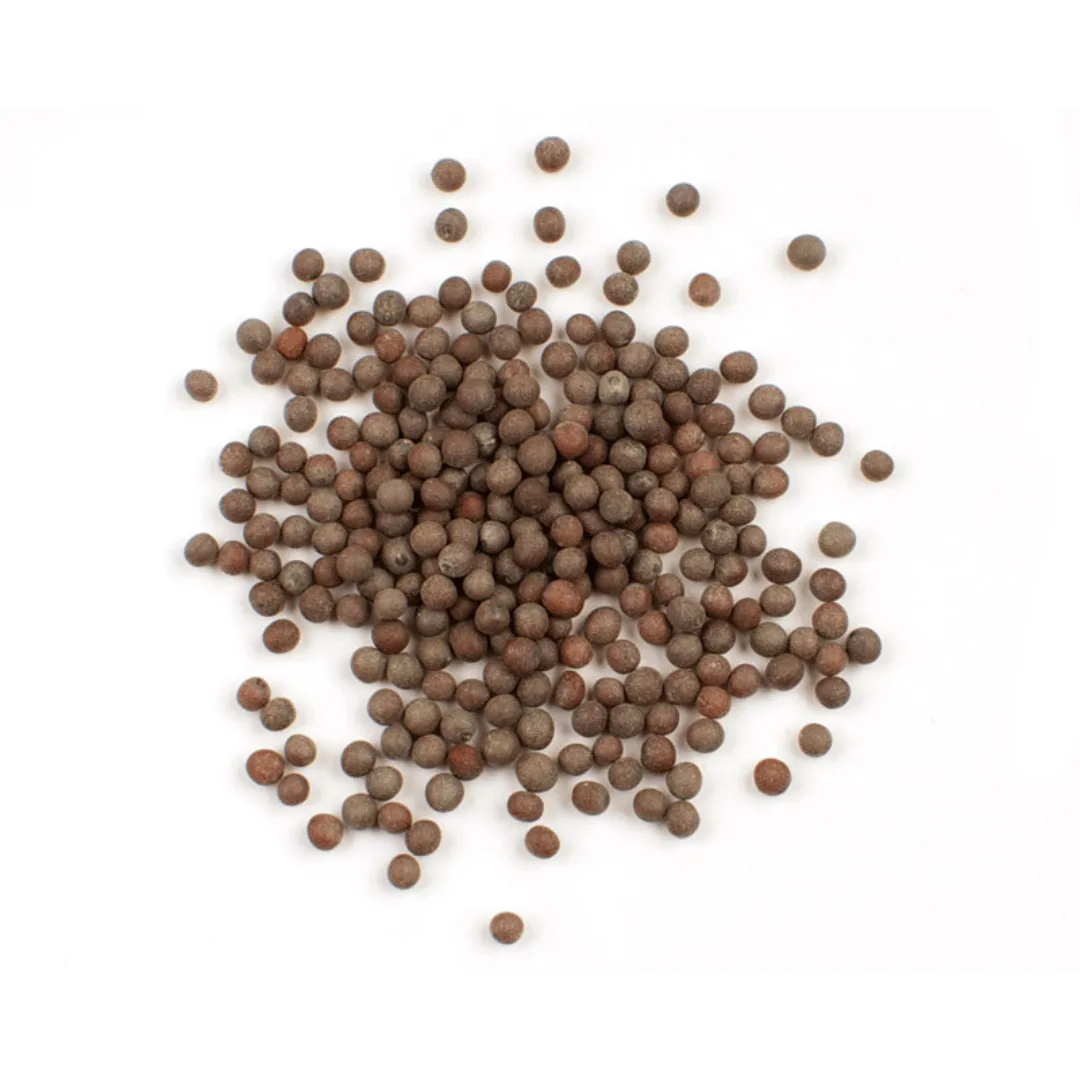
Mustard Seeds, Brown
Substitution tips
If a recipe calls for yellow mustard seeds and you only have brown, use about three-quarters of the amount to avoid overwhelming the dish. The heat will be more noticeable, so adjust to taste.
Swapping yellow for brown works when you want a milder result—just know you'll lose some of the sharp complexity. For pickling, you can also use a mix of both to balance heat and flavor.