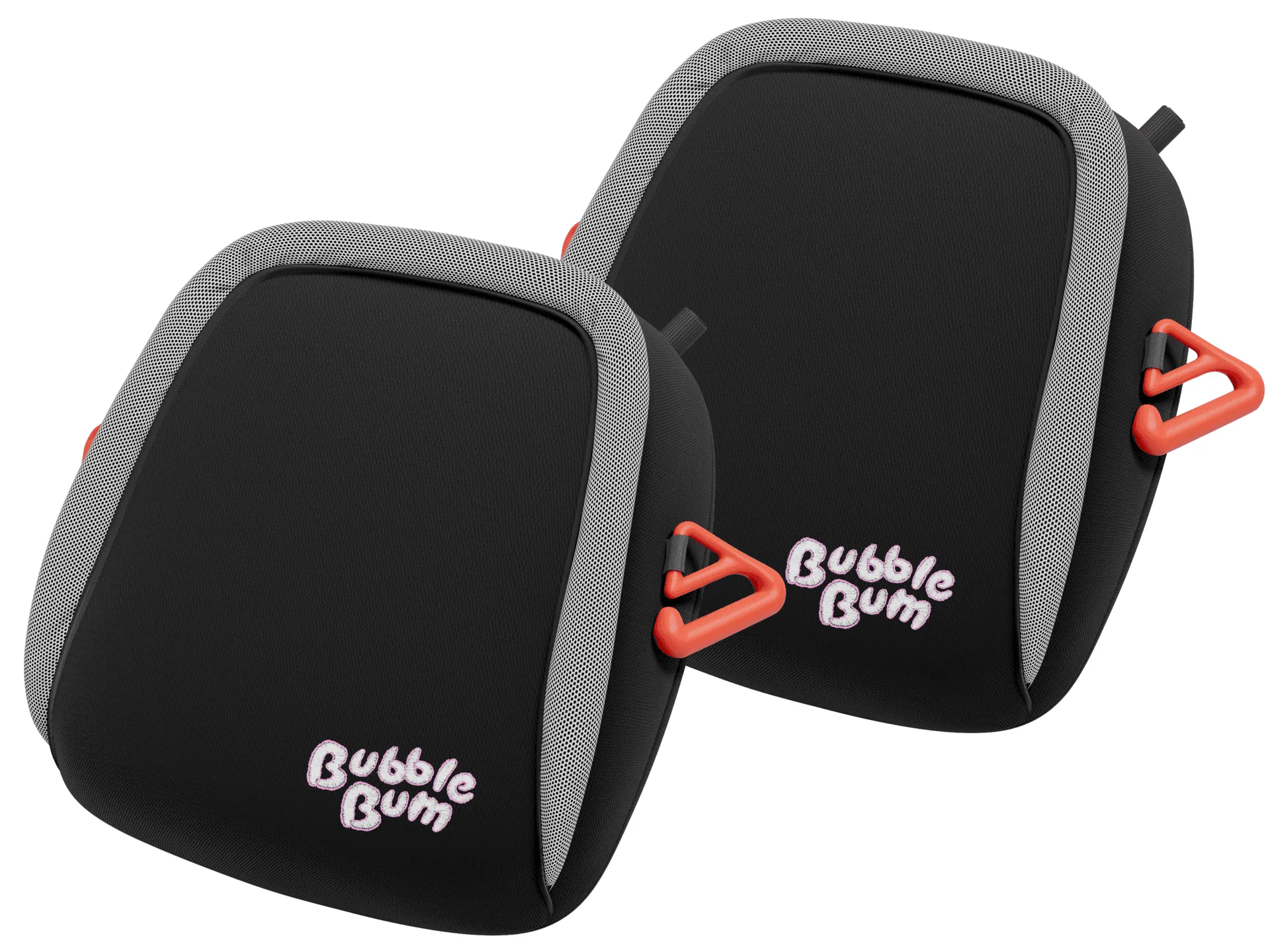
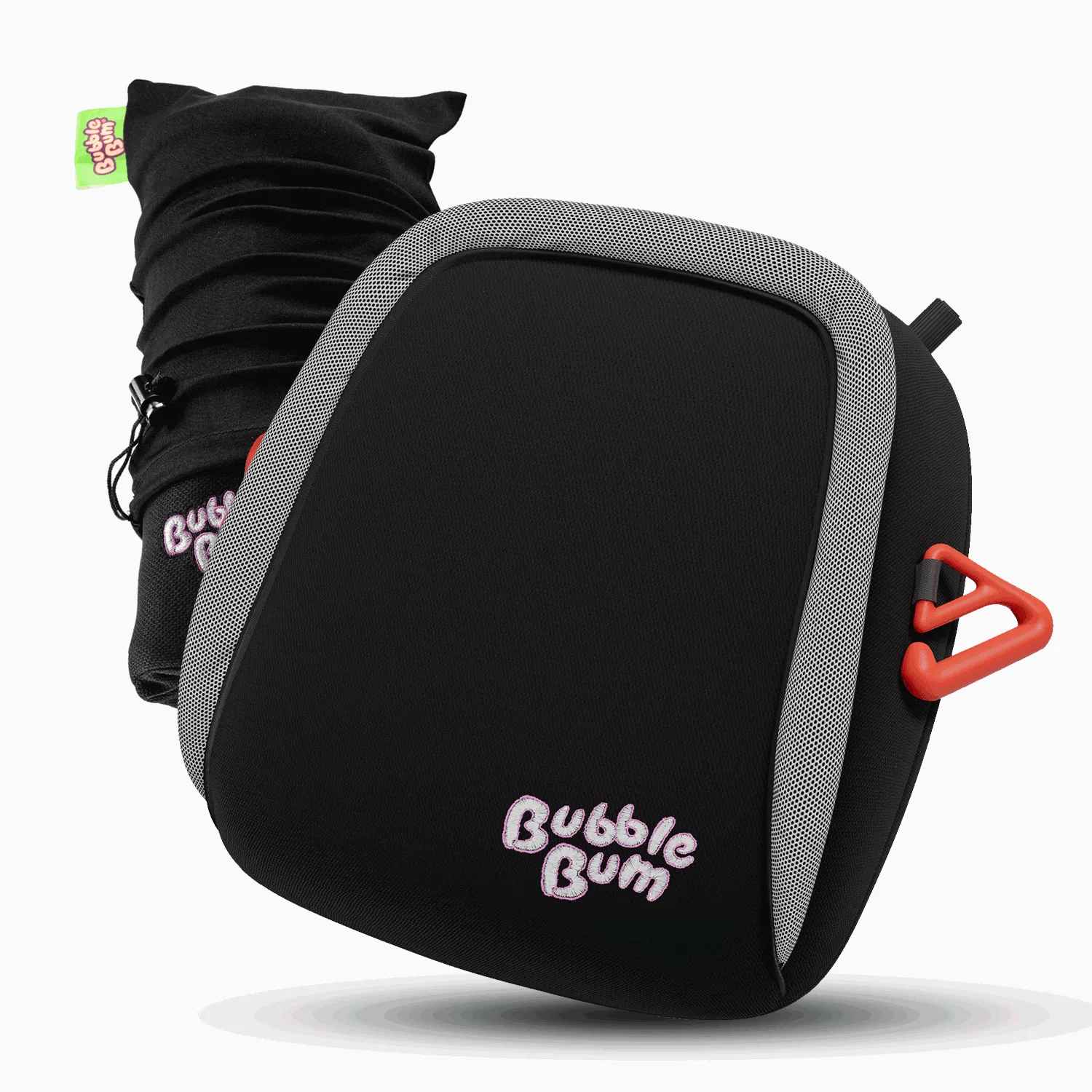
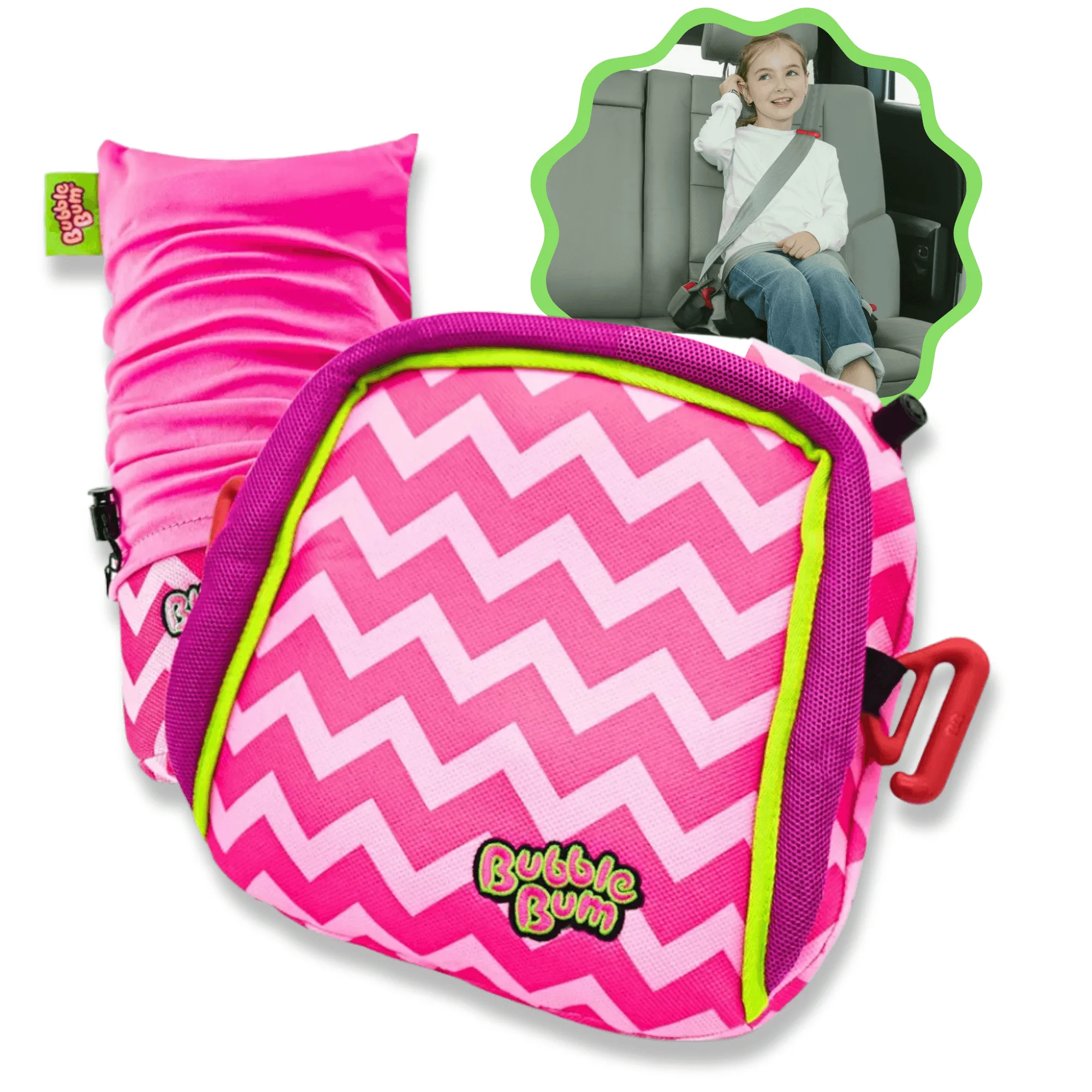
Choosing the right booster seat for your child is one of the most important decisions you'll make as a parent. With so many options on the market, it's easy to feel overwhelmed—especially when it comes to understanding weight limits, height requirements, and age guidelines. The BubbleBum inflatable booster seat has become a favorite among traveling families for its portability and safety features, but knowing exactly when your child is ready for it is crucial.
In this comprehensive guide, we'll break down the BubbleBum weight limit, height requirements, and booster seat age recommendations. Whether you're planning a family road trip or just need a backup seat for carpools, understanding these specifications will help you keep your little one safe and comfortable on every journey.
What Are the Official Weight and Height Requirements for BubbleBum?
The BubbleBum inflatable booster seat is designed for children who have outgrown their forward-facing car seat with a harness. According to the manufacturer, the minimum weight requirement is 40 pounds (18 kg) and the maximum is 100 pounds (45 kg). In terms of height, children should be at least 40 inches (102 cm) tall to use the seat safely. These limits ensure that the vehicle's seat belt fits properly across the child's chest and hips, providing optimal protection.
It's important to note that weight and height are more reliable indicators than age alone. However, most children reach these milestones between the ages of 4 and 11. The BubbleBum booster seat age recommendation typically starts at around 4 years old, but every child develops differently. Always check that your child meets both the minimum weight and height before transitioning to a booster seat.
- Minimum weight: 40 pounds (18 kg)
- Maximum weight: 100 pounds (45 kg)
- Minimum height: 40 inches (102 cm)
- Recommended age range: 4 to 11 years
How to Know If Your Child Is Ready for a Booster Seat
Before switching to a booster seat, your child should be able to sit properly without slouching or leaning. The vehicle's lap belt must lie snugly across the upper thighs, not the stomach, and the shoulder belt should cross the chest and shoulder, not the neck or face. If the seat belt doesn't fit correctly, your child may not be safe even if they meet the minimum weight and height.
Many parents wonder about the booster seat age guidelines, but experts agree that keeping a child in a harnessed car seat for as long as possible is safest. Once your child exceeds the weight or height limit of their forward-facing seat, it's time to consider a booster. The BubbleBum inflatable booster is a great option because it's lightweight and easy to store, making it ideal for travel or as a spare seat.
- Perform the "5-Step Test" to check seat belt fit
- Ensure your child can sit still for the entire ride
- Never rush the transition—harnesses are safer for longer
BubbleBum Weight Limit: Why It Matters for Safety
The BubbleBum weight limit of 100 pounds is a hard maximum. Exceeding this limit can compromise the seat's structural integrity and reduce its ability to protect your child in a crash. The inflatable design relies on proper inflation and pressure to maintain its shape, so using it with a child who is too heavy may cause the seat to deform or fail.
For children approaching the upper weight limit, consider the BubbleBum Teleport Backless Booster Car Seat, which offers a telescopic design and supports the same weight range up to 100 pounds. This model is great for everyday use and folds flat for easy storage. Always check the specific product label for your seat's exact limits, as different models may have slight variations.
- Do not use the seat if your child weighs over 100 pounds
- Regularly check for wear and tear, especially after heavy use
- Inflate the seat to the recommended firmness before each trip
Height Requirements: Ensuring Proper Seat Belt Positioning
Height is just as critical as weight when it comes to booster seat safety. The BubbleBum height requirement of 40 inches minimum ensures that the child is tall enough for the seat belt to fit correctly. If your child is too short, the lap belt may ride up onto the stomach, increasing the risk of injury in a crash. Similarly, the shoulder belt may cut across the neck or face.
To check proper fit, have your child sit in the booster and buckle up. The lap belt should lie flat across the upper thighs, not the soft belly. The shoulder belt should rest snugly between the neck and shoulder. If the belt touches the neck, try adjusting the vehicle's seat or headrest. If it still doesn't fit, your child may need to remain in a harnessed seat a bit longer.
- Minimum height: 40 inches (102 cm)
- Check that the shoulder belt crosses the collarbone, not the neck
- Use the vehicle's headrest to help position the shoulder belt
Traveling with BubbleBum: Tips for Taxis, Rentals, and Airplanes
One of the biggest advantages of the BubbleBum inflatable booster is its portability. When deflated, it folds down small enough to fit in a backpack or carry-on. This makes it perfect for families who frequently travel by taxi, rideshare, or rental car. However, it's essential to follow the same weight and height guidelines regardless of the vehicle you're using.
If you're flying, the BubbleBum can be used on the airplane for children who meet the weight and height requirements. Remember that airline policies vary, so check with your carrier before traveling. A replacement carry bag is available to keep your seat clean and protected during transit. For families with younger children, the SlumberTot Inflatable Toddler Bed offers a comfortable sleeping solution for toddlers who have outgrown a portable crib but aren't ready for a booster seat.
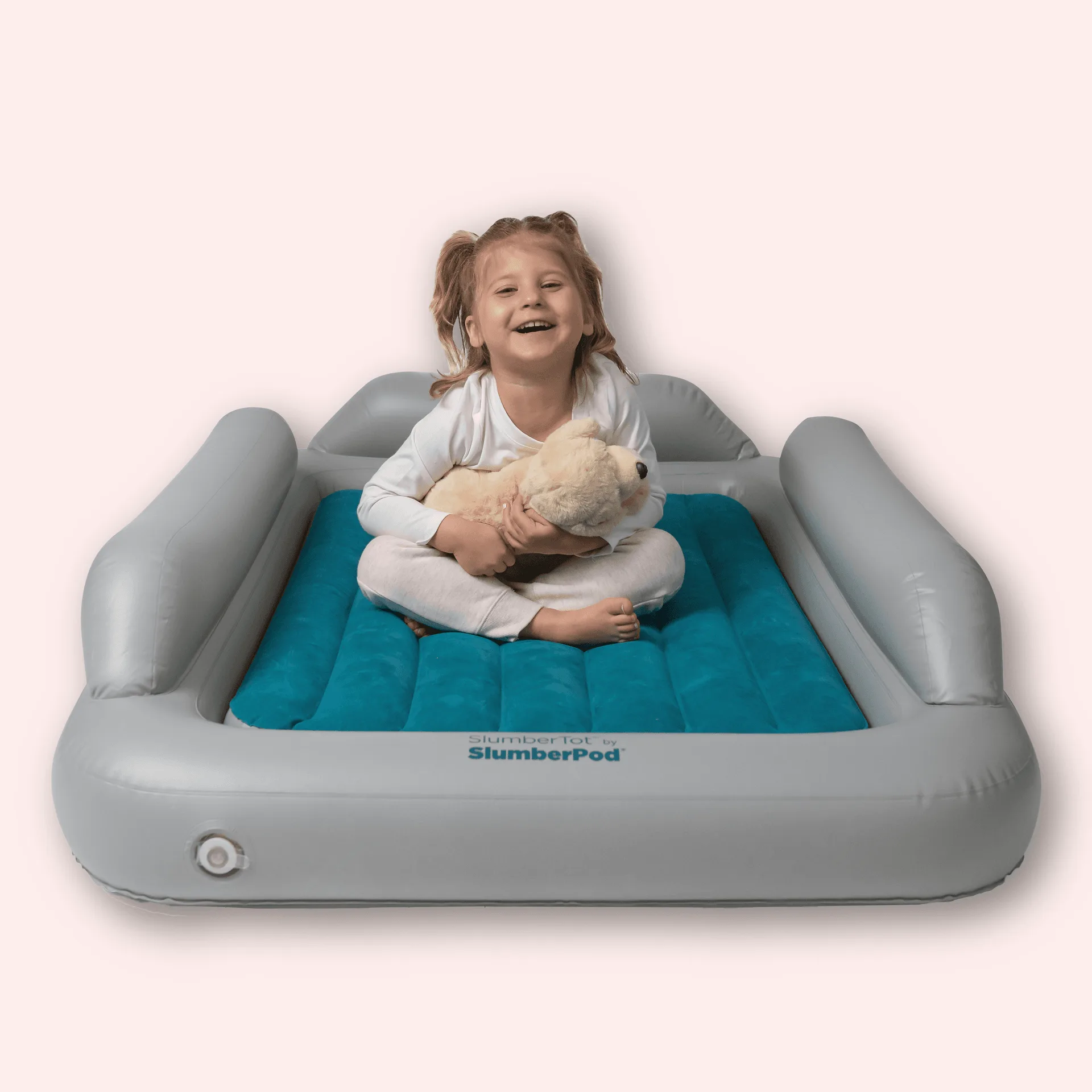
SlumberTot Inflatable Toddler Bed
- Deflate the seat for easy packing in a carry-on bag
- Always inflate fully before use in any vehicle
- Keep the instruction manual handy for quick reference
Frequently Asked Questions About BubbleBum Booster Seat Limits
Many parents ask whether the BubbleBum is suitable for children under 4 years old. The answer is no—the seat is designed for children who have outgrown their forward-facing car seat, which typically happens around age 4. Using it too early can put your child at risk because the seat belt may not fit correctly.
Another common question is whether the BubbleBum can be used with a lap-only belt. The answer is no—the seat requires a lap and shoulder belt to function properly. Lap-only belts do not provide adequate upper-body restraint, so always use the BubbleBum in a seating position with a shoulder belt. For more detailed guidance, refer to the official product manual or contact the manufacturer.
- Not suitable for children under 40 pounds or 40 inches
- Requires a lap and shoulder belt—never use with lap-only belts
- Check the seat's expiration date (usually 6-8 years from manufacture)
Understanding the BubbleBum weight limit, height requirements, and booster seat age guidelines is the first step toward safe travels with your child. By following these specifications and checking proper fit before every ride, you can enjoy peace of mind knowing your little one is protected. Whether you're a frequent traveler or just need a backup seat for the family car, the BubbleBum inflatable booster is a reliable choice. Explore the BubbleBum Inflatable Travel Booster Seat for Kids (Ages 4–11) to see how it can make your next journey safer and more convenient.