Quick answer
Choose a bucket hat that sits level just above the eyebrows, with the brim shading the face but not pressing the head. If it slides or lifts in wind, tighten the fit with the size range or an adjustable strap rather than sizing down blindly.
Why a snug hat is not always a secure hat
A hat that leaves red marks or rides up at the back is too tight, even if it stays on. Kids often push a tight hat off because it feels uncomfortable, so the fit should be secure but gentle. A bucket hat that is slightly loose can be secured with a chin strap or by choosing a smaller size within the brand's range.
Wind is the main reason hats fly off. A deeper crown and a brim that stays stiff help, but the most reliable fix is a hat that matches the head circumference and a strap that keeps it in place during running or stroller rides.
When to size up or add a strap
If the hat covers the eyes or slides down when the child looks down, it is too big. If it leaves a deep mark on the forehead or cannot be pulled down over the crown, it is too small. Between sizes, choose the larger size only if you can adjust the fit with a strap or a folded band inside the brim.
For kids who dislike chin straps, look for a bucket hat with a slightly deeper crown that stays on without extra hardware. A hat that is easy to put on and take off is more likely to be worn consistently.
Steps to a hat that stays on
- Measure the head: Wrap a soft tape measure around the widest part of the head, just above the ears and across the forehead. Note the measurement in inches or centimeters. If the measurement falls between two sizes, size up only if the hat has an adjustable strap.
- Check the brim and crown: Put the hat on and look from the side. The brim should shade the eyes without blocking the view, and the crown should sit level, not tilted back. A brim that flops down or a crown that pops up means the hat is the wrong shape for that head.
- Test movement: Have the child nod, shake their head, and run in place. The hat should stay put without sliding over the eyes or lifting off. If the hat moves, try a smaller size or add a chin strap before the first sunny outing.
- Secure for wind: On breezy days, use the hat's adjustable strap or a clip-on chin cord. Make sure the strap sits comfortably under the chin, not across the throat. Never tie a strap tightly; you should be able to slide one finger under it.
- Recheck as the season changes: Measure the head again at the start of each warm season and after a growth spurt. A hat that fit in spring may be too tight by midsummer. Keep a spare hat in the bag so a lost or wet hat does not mean a day without sun protection.
Product facts
-
control freak hat: Sizes 1 (2Y-5Y), 2 (6Y-9Y), and 3 (10Y-14Y) cover a wide age range. You can match the hat to your child's age band, but always check the head measurement first because age ranges vary.
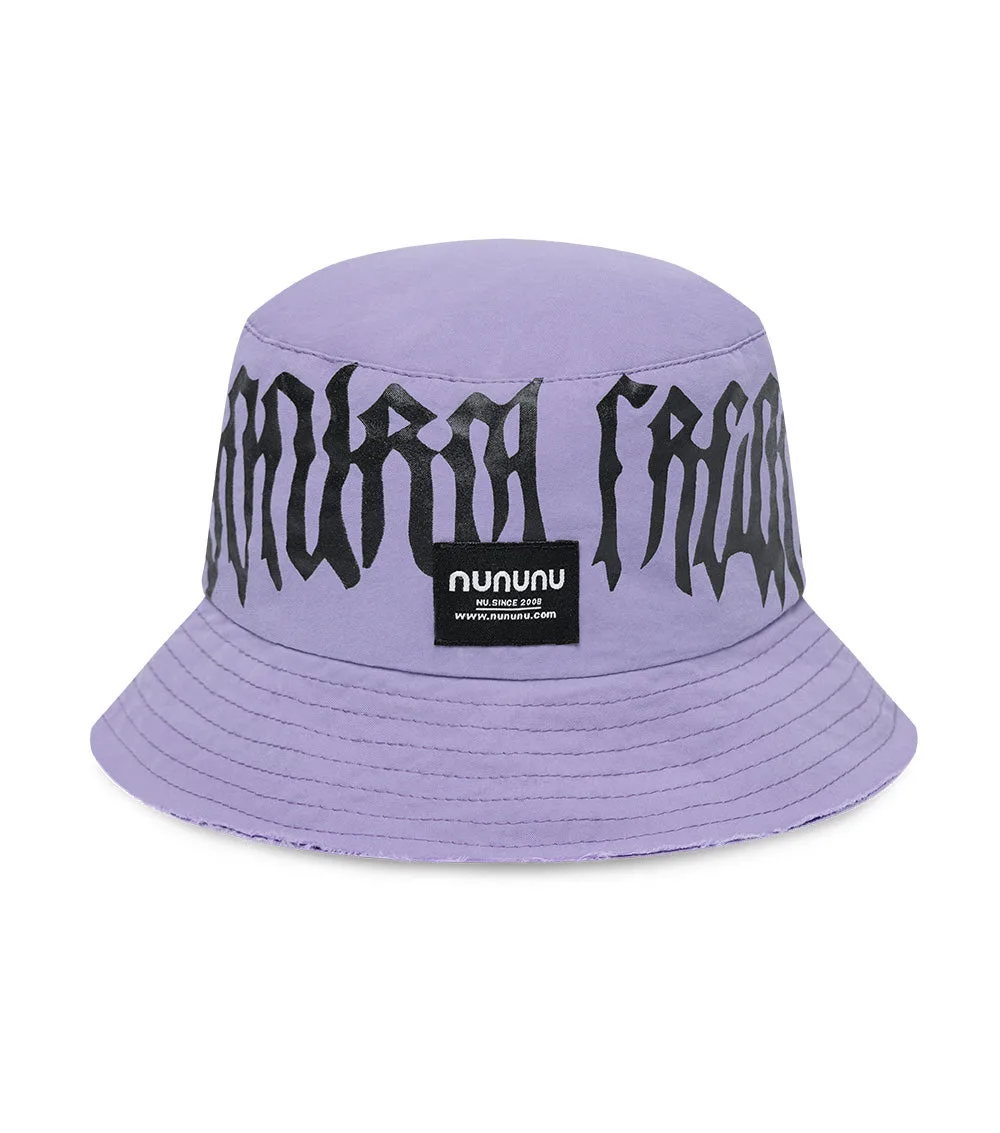
control freak hat