Quick Answer
Choose buckwheat flour if you need a gluten-free option with a robust, earthy flavor for pancakes and quick breads. Choose spelt flour if you want a wheat-like flour with a nutty, buttery taste that works well in breads and pastries. For most everyday baking, spelt is more versatile, but buckwheat is essential for gluten-free diets.
Ancient grains have made a strong comeback in modern kitchens, and two of the most popular are buckwheat and spelt. Both offer distinct flavors and nutritional profiles, but they behave very differently in baking. Understanding their unique properties helps you choose the right flour for your recipes, whether you're making hearty bread, delicate cakes, or gluten-free treats.
In this comparison, we'll break down the key differences between buckwheat and spelt flour, including taste, gluten content, and best uses. We'll also point you to some excellent organic options from Doves Farm to get you started.
What Is Buckwheat Flour?
Despite its name, buckwheat is not a type of wheat. It's a seed from a plant related to rhubarb, making it naturally gluten-free. Buckwheat flour has a distinctive, earthy, and slightly nutty flavor that can be strong in some recipes. It's often used in traditional dishes like Russian blini, Japanese soba noodles, and Breton galettes.
In baking, buckwheat flour adds a hearty texture and a deep color. Because it lacks gluten, it doesn't provide the same structure as wheat flours, so it's often combined with other gluten-free flours or used in recipes that don't require much rise, like pancakes and quick breads.
- Naturally gluten-free
- Earthy, nutty flavor
- Best for pancakes, crepes, and quick breads
What Is Spelt Flour?
Spelt is an ancient variety of wheat that has been cultivated for thousands of years. It contains gluten, but the gluten structure is different from modern wheat, making it easier to digest for some people. Spelt flour has a pleasant, slightly sweet and nutty flavor, often described as buttery.
Because spelt contains gluten, it can be used in a wider range of baked goods, from bread and pizza dough to cakes and cookies. However, spelt gluten is more delicate, so it requires gentler handling and less kneading than regular wheat flour to avoid a dense result.
- Contains gluten (not suitable for celiacs)
- Nutty, buttery flavor
- Great for bread, pastries, and cakes
Nutritional Comparison: Buckwheat vs Spelt
Both buckwheat and spelt are nutritious whole grains, but they have different strengths. Buckwheat is an excellent source of magnesium, copper, and manganese, and it provides high-quality protein with all essential amino acids. Spelt is rich in fiber, B vitamins, and minerals like iron and zinc.
If you're looking for a gluten-free option with a strong nutritional profile, buckwheat wins. If you want a fiber-rich wheat alternative that's easier on digestion, spelt is a great choice.
- Buckwheat: high in magnesium, copper, and manganese
- Spelt: high in fiber, B vitamins, and iron
Baking with Buckwheat Flour: Tips and Tricks
Buckwheat flour can be tricky because it lacks gluten. To get better results, combine it with other gluten-free flours like rice or tapioca, or use it in recipes that don't rely on rising, such as pancakes, crepes, and brownies. Adding a bit of xanthan gum can help improve texture.
For a simple start, try using buckwheat flour in a classic pancake recipe. Its earthy flavor pairs wonderfully with berries and maple syrup. You can also use it to make gluten-free soba noodles at home.
- Mix with other gluten-free flours for better structure
- Use in recipes that don't require much rise
- Pairs well with fruits and sweet syrups
Baking with Spelt Flour: Tips and Tricks
Spelt flour behaves similarly to regular wheat flour but requires a gentler touch. When making bread, avoid over-kneading, as the gluten is more fragile. You may also need to use slightly less liquid, as spelt absorbs less water than modern wheat.
Spelt is excellent for cakes, scones, and muffins, providing a light, tender crumb. For a delicious and wholesome loaf, substitute spelt flour in your favorite bread recipe, but reduce the kneading time and let the dough rest more.
- Handle gently to avoid dense results
- Use less liquid than with regular wheat
- Ideal for cakes, scones, and bread
Trade-Offs at a Glance
- Gluten Content: Buckwheat is gluten-free; spelt contains gluten. Choose buckwheat for gluten-free diets; spelt for those who tolerate gluten.
- Flavor Profile: Buckwheat has an earthy, robust taste; spelt is nutty and buttery. Pick buckwheat for savory dishes or bold flavors; spelt for milder, sweeter baked goods.
- Baking Performance: Buckwheat lacks gluten, so it's best in recipes that don't need rise; spelt provides structure but needs gentle handling. Use buckwheat for pancakes and crepes; spelt for bread and cakes.
Organic Ancient Grain Options from Doves Farm
- Organic Emmer Flour 1kg | Stoneground Wholemeal Flour: Stoneground wholemeal ancient grain emmer flour with a buttery, wheaty flavor, versatile for breads and cakes. Emmer is another ancient wheat, similar to spelt, offering a rich flavor and wholemeal nutrition. If you enjoy spelt, you'll likely appreciate emmer's depth.
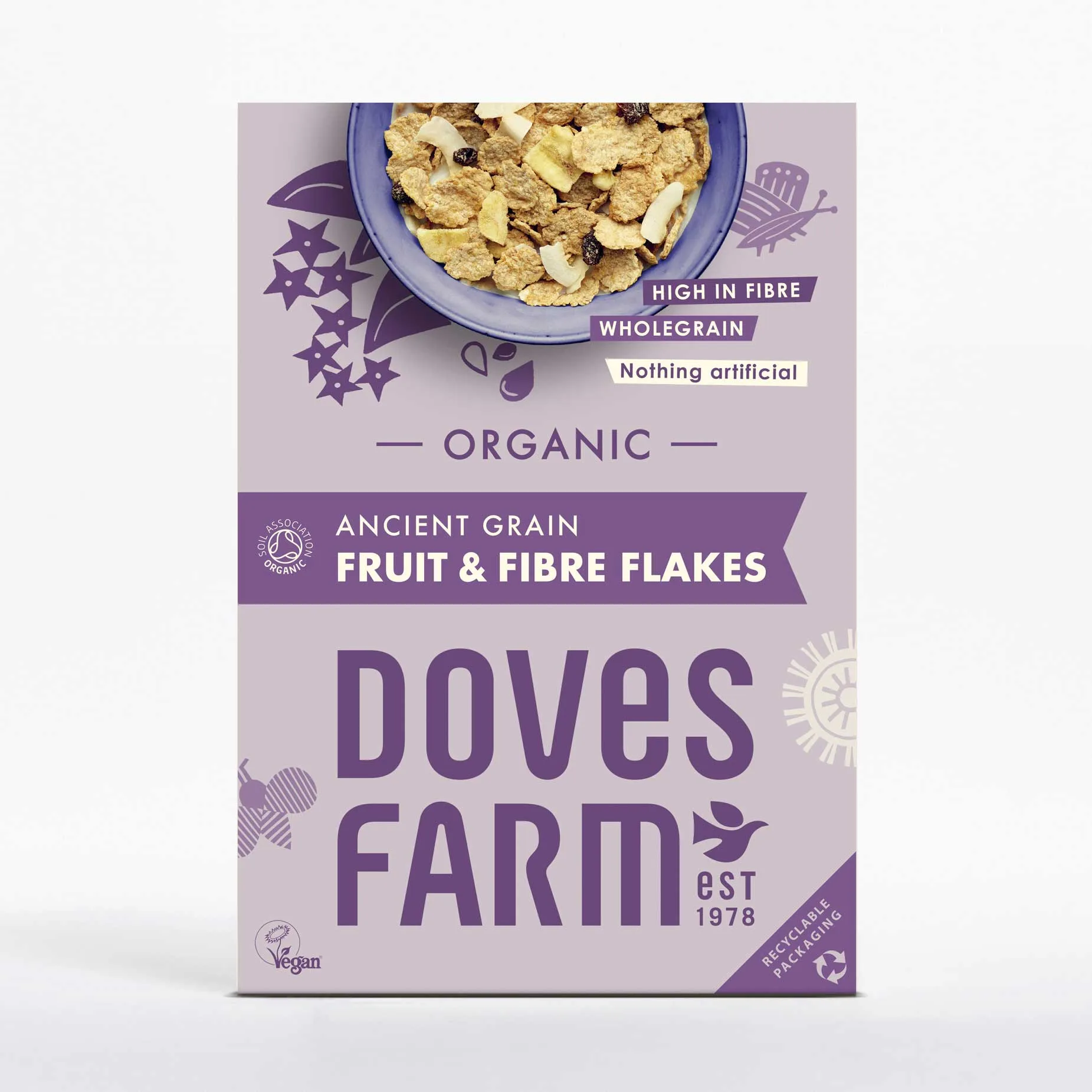
- Organic Ancient Grain Fruit Fibre Flakes Cereal: Crunchy ancient grain fibre flakes made from wholegrain rice and buckwheat mixed with banana, coconut, sultanas, and apple pieces. If you love the taste of buckwheat, this cereal is a delicious way to enjoy it for breakfast, combining ancient grains with fruit.
Which Flour Should You Choose?
Best for
- Gluten-free bakers who want a nutritious, flavorful flour for pancakes and quick breads
- Those seeking a hearty, earthy taste in savory baking
Not for
- Bakers who need a wheat-like flour for yeast breads (choose spelt instead)
- Individuals with celiac disease who want a flour that can substitute 1:1 in all recipes
Both buckwheat and spelt flours bring unique qualities to your baking. If you're gluten-free, buckwheat is a must-try. If you're looking for a versatile ancient wheat, spelt is an excellent choice. Explore Doves Farm's range of organic ancient grain flours to find your new favorite.