Quick Answer
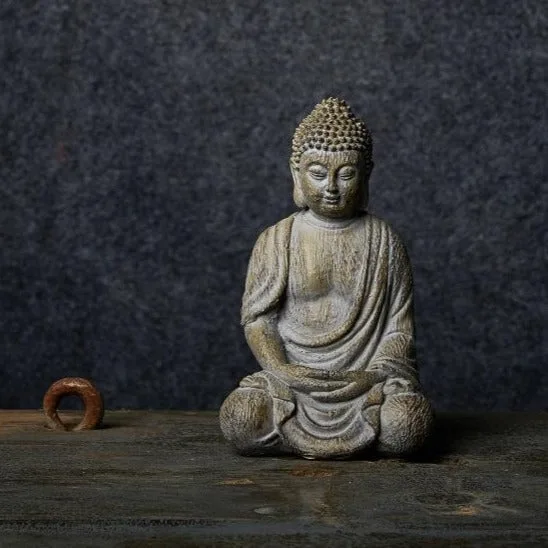
For meditation, choose a Buddha figurine that matches your practice space and intention—small, durable pieces for daily use, or larger statement statues for a dedicated altar. Focus on the mudra (hand gesture) and material that resonate with your goals.
Why the Mudra Matters More Than Size
The hand gesture, or mudra, of a Buddha statue carries specific meaning. The Anjali mudra (hands folded in prayer) symbolizes faith and a clear mind, making it ideal for meditation and focus. Other mudras represent protection, teaching, or meditation. Choose a mudra that aligns with your intention.
Size and placement also play a role. A small figurine on a desk or shelf serves as a subtle reminder, while a larger statue can anchor a dedicated meditation corner. Consider the scale of your room and how often you'll interact with the piece.
Material and Durability Trade-offs
Buddha figurines come in various materials like purple clay pottery, resin, or stone. Purple clay pottery offers a natural, earthy look that fits zen decor, but it may be more fragile than resin or stone. If you have kids or pets, opt for a sturdy material that can withstand accidental bumps.
Think about maintenance. Glossy or painted finishes may show dust and fingerprints, while matte or natural textures are more forgiving. Choose a material that matches your lifestyle and cleaning habits.
Decision Rules for Choosing Your Buddha Figurine
- Define your intention: Write down what you want from the statue: calm, focus, protection, or spiritual growth. Use that intention to pick a mudra or symbolism. If you're unsure, start with a simple meditation mudra like Anjali.
- Measure your space: Check the dimensions of your shelf, altar, or desk. Ensure the figurine won't overwhelm the area or get lost in it. Leave at least 2 inches of breathing room around the statue.
- Choose a durable material: If the statue will be handled daily or placed in a high-traffic area, pick a sturdy material like resin or stone over fragile pottery. For a permanent altar spot, any material works; for portability, go lightweight.
- Match your decor style: Consider the colors and finish of your room. A natural, earthy tone blends with zen decor, while a colorful piece can become a focal point. When in doubt, neutral colors fit most spaces.
- Set a budget: Prices vary widely. Decide how much you're willing to invest based on how central the statue is to your practice. A simple figurine can be as effective as an expensive one.
Buddha Figurines to Consider
-
Wellness Buddha Figurine: The Wellness Buddha is made of purple clay pottery and is described as a spiritual tool for serenity and optimism. Ideal for those who want a compact, meaningful piece that adds a calm, positive vibe to a desk or shelf.
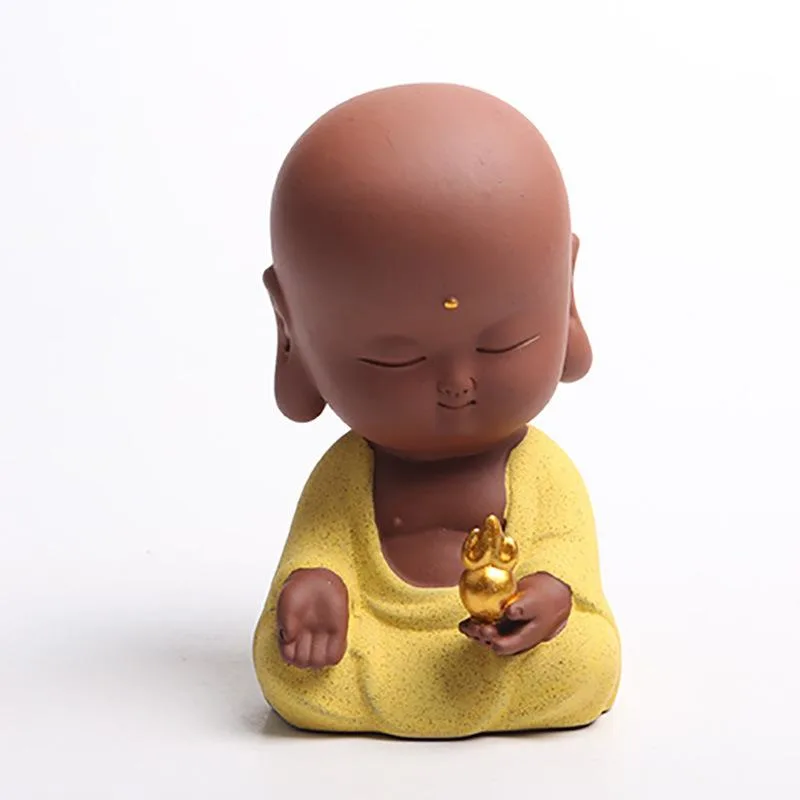
Wellness Buddha Figurine
-
Ascension Buddha Figurines: The Ascension Buddha figurine symbolizes acceptance and trust, encouraging you to follow your life's purpose. A good choice if you're seeking a visual reminder to let go of control and embrace mindfulness in your daily routine.
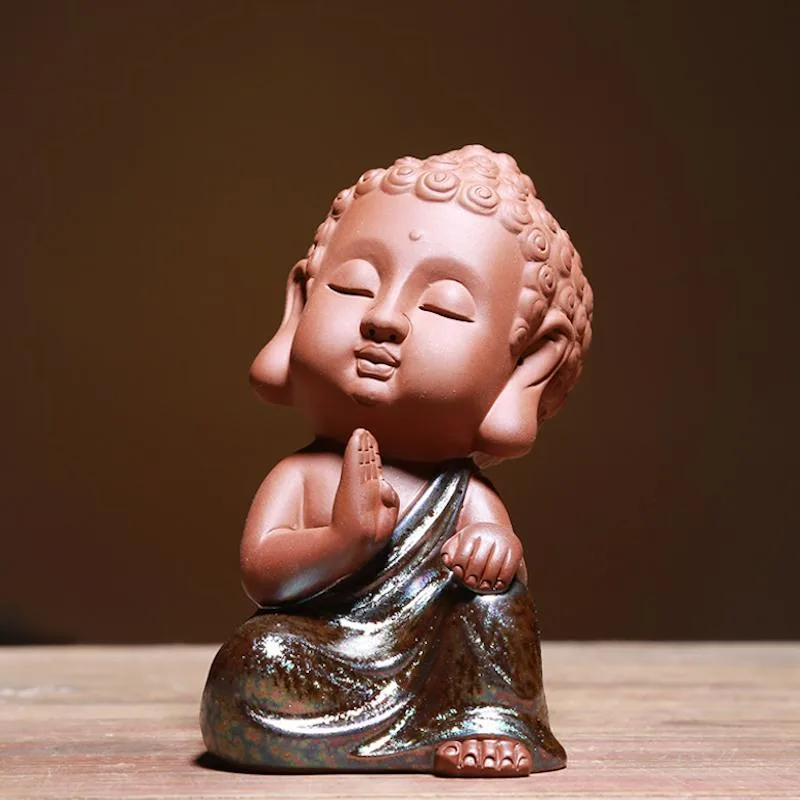
Ascension Buddha Figurines
Who Is This For?
Best for
- Meditators who want a visual anchor for their practice
- Anyone seeking a meaningful, decorative piece for a calm home or office
Not for
- Collectors looking for antique or museum-quality statues
- Those who prefer abstract art over traditional religious symbolism