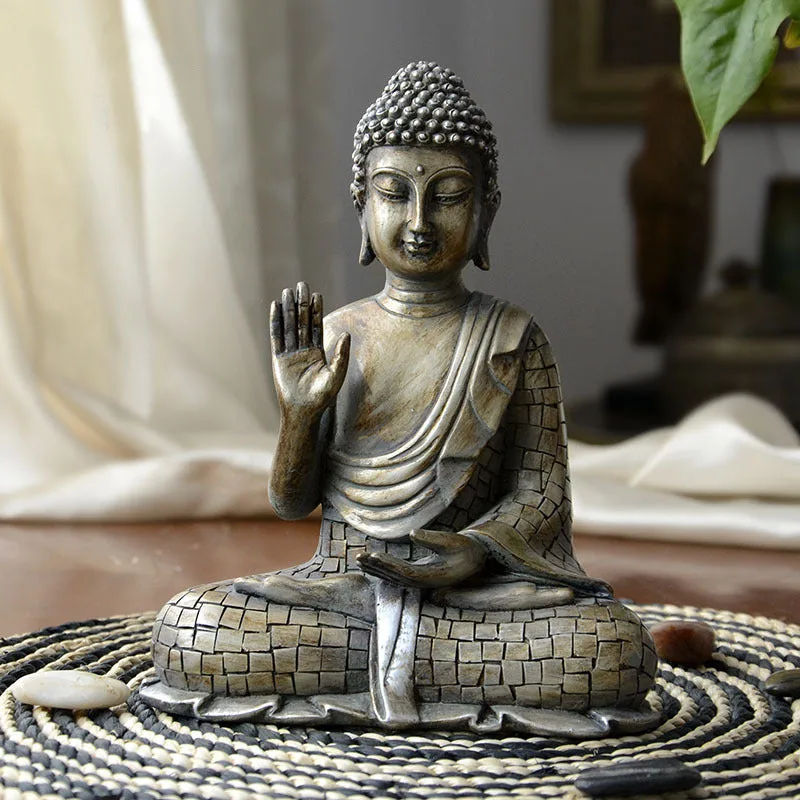
When setting up a meditation space or home altar, one of the most common questions is whether to choose a Buddha statue or a Guan Yin statue. Both are revered figures in Buddhism, yet they embody different qualities and serve distinct purposes. Understanding their differences can help you make a choice that aligns with your spiritual goals and personal resonance.
In this guide, we’ll explore the origins, symbolism, and practical uses of Buddha and Guan Yin statues. Whether you’re a seasoned practitioner or a curious beginner, you’ll learn how to select the statue that best supports your practice and brings positive energy into your home.
Who is Buddha?
Buddha refers to Siddhartha Gautama, the founder of Buddhism who attained enlightenment over 2,500 years ago. His statues depict him in various poses, known as mudras, each carrying a specific meaning. For example, the meditation mudra symbolizes inner peace, while the earth-touching mudra represents overcoming temptations.
A Buddha statue serves as a reminder of the potential for enlightenment within all beings. It inspires mindfulness, compassion, and wisdom. Placing a Buddha statue in your home can create a focal point for meditation and encourage a calm, reflective atmosphere.
- Common Buddha mudras include meditation, teaching, and protection.
- Buddha statues are often placed at eye level in meditation rooms or altars.
Who is Guan Yin?
Guan Yin, also known as Avalokiteshvara, is the Bodhisattva of compassion. Unlike Buddha, who attained enlightenment, Guan Yin chose to remain in the cycle of rebirth to help all sentient beings achieve liberation. Her statues often depict her with multiple arms or a thousand arms, symbolizing her ability to reach out to those in need.
Guan Yin statues are associated with mercy, protection, and healing. Many people place them in their homes to invite peace and harmony, especially in times of difficulty. Her gentle, nurturing energy makes her a popular choice for family homes and those seeking emotional support.
- Guan Yin is often shown holding a vase of holy water or a lotus flower.
- She is venerated across East Asian cultures as a protector of children and sailors.
Key Differences: Symbolism and Purpose
The primary difference lies in their spiritual roles. Buddha represents the ideal of enlightenment and the ultimate goal of the spiritual path. Guan Yin embodies active compassion and the vow to help others. While both inspire devotion, Buddha is more associated with personal liberation, whereas Guan Yin is linked to service and protection.
In terms of home use, a Buddha statue can enhance meditation by serving as a visual anchor for mindfulness. A Guan Yin statue, on the other hand, is often placed in living areas to promote harmony and shield against negative energy. Knowing your intention—whether it’s inner peace or family protection—can guide your choice.
- Choose a Buddha statue for meditation and personal growth.
- Choose a Guan Yin statue for compassion, protection, and family well-being.
How to Choose: Practical Considerations
When deciding between the two, consider the energy you want to cultivate. If you are drawn to the serenity of meditation and the pursuit of wisdom, a Buddha statue may be your ideal companion. For those who wish to feel nurtured and protected, a Guan Yin statue offers a comforting presence.
Also, think about the aesthetic and placement. Buddha statues often have a grounded, symmetrical look, while Guan Yin statues are more fluid and graceful. Both can be made from various materials like wood, stone, or metal. For a modern touch, you might explore crystal versions—for instance, the 3.5 Inches Healing Crystal Tree Statues can complement either figure with their vibrant energy.
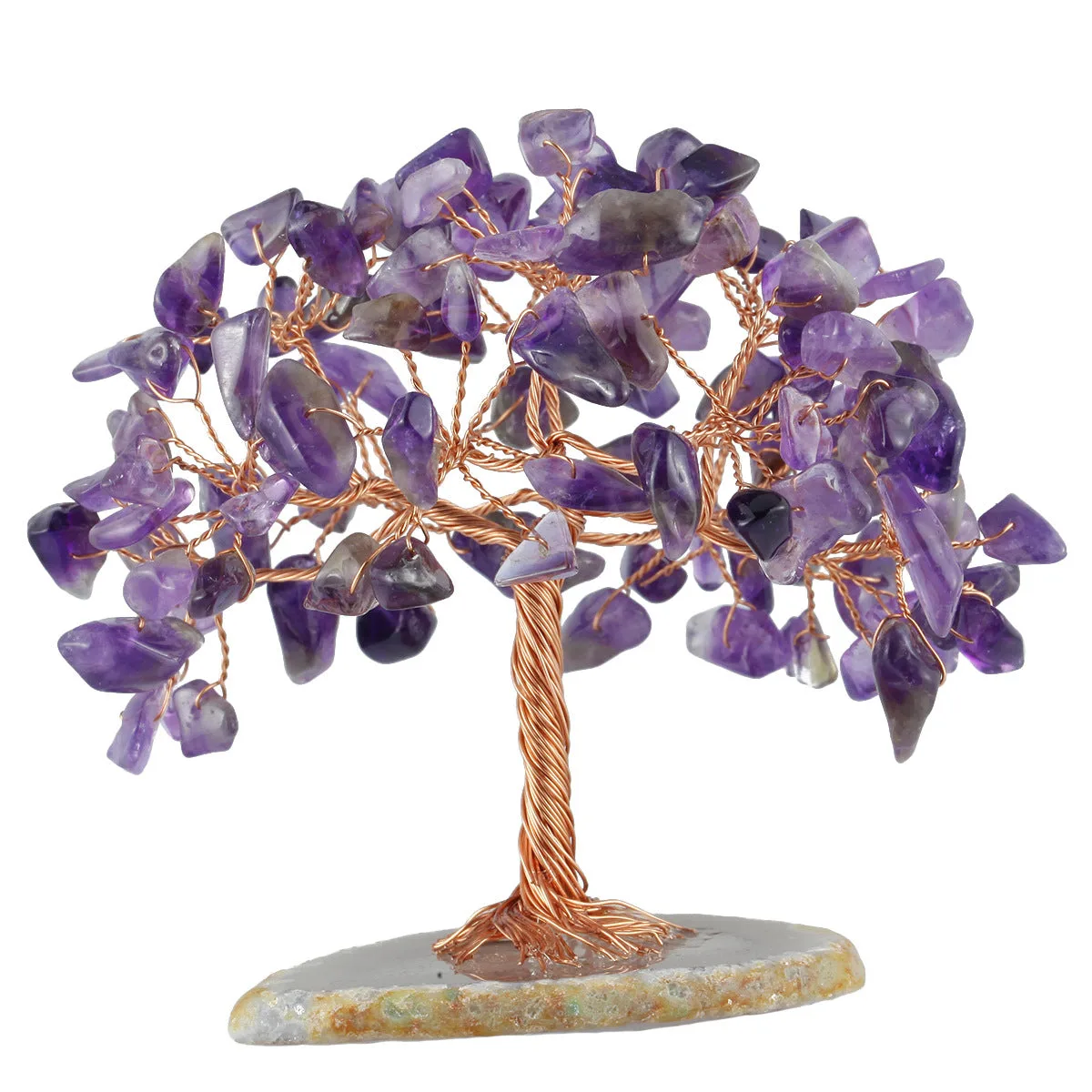
3.5 Inches Healing Crystal Tree Statues
Another practical factor is the available space. A large Buddha statue can be a statement piece in a meditation room, while a smaller Guan Yin statue fits nicely on a shelf or bedside table. Consider how the statue will interact with other elements of your altar, such as incense burners or candles.
- Reflect on your primary intention: enlightenment or compassion.
- Consider the size and material that fits your space and decor.
- Pair your statue with complementary items like incense or a meditation cushion.
Combining Both in Your Space
You don’t have to choose one exclusively. Many practitioners display both Buddha and Guan Yin statues to represent different aspects of their spiritual path. A common arrangement is placing Buddha at the center of an altar with Guan Yin to the side, symbolizing the balance between wisdom and compassion.
If you decide to combine them, ensure the placement is respectful and harmonious. Both should be at a similar height, and neither should be placed on the floor directly. You can also incorporate other elements like a Teapot Incense Burner Waterfall with 20pcs Incense Cones to enhance the sacred atmosphere.
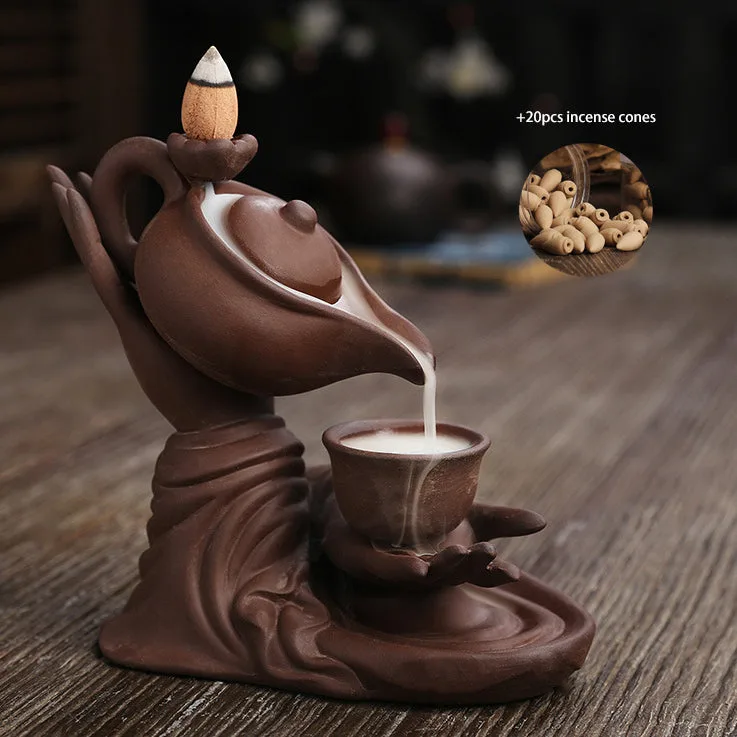
Teapot Incense Burner Waterfall with 20pcs Incense Cones
Ultimately, the best choice is the one that resonates with you. Trust your intuition—the statue that draws your attention is often the one that holds the meaning you need most.
- Arrange Buddha and Guan Yin side by side to symbolize wisdom and compassion.
- Use incense to create a serene ambiance that honors both figures.
Whether you choose a Buddha statue, a Guan Yin statue, or both, the key is to invite their qualities into your daily life. Let your choice reflect your personal intentions and the energy you wish to cultivate. To begin your journey, explore our collection of Meditation Fengshui Buddha Statues and find the perfect companion for your meditation practice.