Exfoliation is a key step in any skincare routine, helping to slough off dead skin cells and reveal a smoother, brighter complexion. When it comes to body exfoliation, two popular tools often come to mind: the classic loofah and the newer buffing bar. But which one actually delivers better results? In this comparison, we'll break down the pros and cons of each, so you can decide which exfoliation tool deserves a spot in your shower.
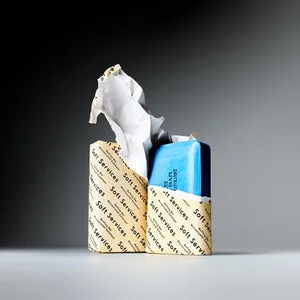
buffing bar
Loofahs have been a bathroom staple for decades, but buffing bars are gaining traction as a more effective and hygienic alternative. We'll explore factors like exfoliation power, longevity, ease of use, and skin-friendliness to help you make an informed choice.
What Is a Buffing Bar?
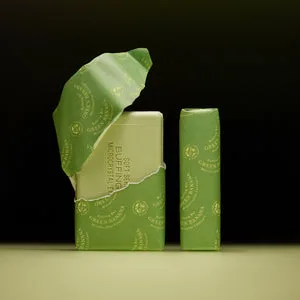
A buffing bar is a solid, soap-like exfoliating tool typically made from a blend of natural oils, butters, and fine exfoliating particles. Unlike a loofah, which requires liquid body wash, a buffing bar combines cleansing and exfoliation in one product. You simply wet the bar, lather it in your hands or directly on your skin, and massage in circular motions. The gentle abrasives work to buff away dead skin while the moisturizing ingredients nourish your skin. For example, the Affogato L’Orange Buffing Bar offers a refreshing citrus scent and a fine-grit texture that leaves skin feeling smooth without irritation.
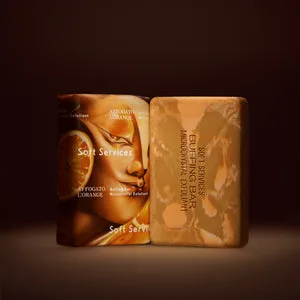
Affogato L’Orange Buffing Bar
- Combine cleansing and exfoliation in one step.
- Typically more eco-friendly with less plastic packaging.
- Longer-lasting than loofahs when stored properly.
What Is a Traditional Loofah?
A traditional loofah is a natural or synthetic sponge used with liquid body wash to create lather and provide mild exfoliation. Natural loofahs come from the dried fibrous skeleton of the luffa gourd, while synthetic versions are often made from nylon or other plastics. Loofahs are popular because they are inexpensive and widely available. However, they require regular replacement—every 3-4 weeks—to avoid bacterial buildup, as the moist, porous environment is a breeding ground for germs. Using a loofah also means you need a separate body wash, adding to product waste.
- Inexpensive and easy to find.
- Provides gentle exfoliation but can harbor bacteria.
- Needs frequent replacement to maintain hygiene.
Exfoliation Effectiveness: Buffing Bar vs. Loofah
When it comes to actual exfoliation power, buffing bars generally outperform loofahs. The fine particles in a buffing bar offer consistent, controlled abrasion that effectively removes dead skin cells without being too harsh. Loofahs, on the other hand, provide only light exfoliation unless you scrub vigorously, which can irritate the skin. Buffing bars are especially effective for areas like elbows, knees, and heels where rough skin tends to accumulate. For a deeper clean, you can pair a buffing bar with a dedicated exfoliating tool like the Theraplush “Xtra Milk” Refill for added hydration after buffing.
- Buffing bars offer more consistent exfoliation.
- Loofahs require more effort for similar results.
- Choose finer grit for sensitive skin, coarser for rough patches.
Hygiene and Maintenance
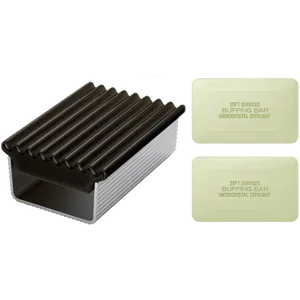
Hygiene is a major consideration for any shower tool. Loofahs, especially natural ones, are notorious for trapping moisture and bacteria. They should be rinsed thoroughly after each use and replaced every three to four weeks. Buffing bars, being solid and soap-based, are naturally more resistant to bacterial growth because they dry out quickly between uses. To maximize lifespan, store your buffing bar on a well-drained soap dish away from direct water spray. The Theraplush “Hold” Extra Refill Set, for instance, comes with a convenient holder that keeps the bar dry and clean.
- Buffing bars dry faster, reducing bacterial risk.
- Loofahs need frequent replacement for hygiene.
- Proper storage extends the life of both tools.
Skin Sensitivity and Suitability
If you have sensitive skin, the choice between a buffing bar and a loofah depends on the grit level and your technique. Buffing bars come in various textures—from fine to coarse—so you can select one that suits your skin type. A fine-grit bar like the Affogato L’Orange Buffing Bar is gentle enough for daily use on sensitive skin. Loofahs, while soft, can still cause micro-tears if used aggressively. Always test a small area first and avoid using either tool on sunburned or broken skin. After exfoliation, follow up with a moisturizer like Theraplush “Xtra Milk” to lock in hydration.
- Choose fine-grit buffing bars for sensitive skin.
- Loofahs can be too abrasive if scrubbed hard.
- Always moisturize after exfoliating to soothe skin.
Both buffing bars and loofahs have their place in a shower routine, but for superior exfoliation, better hygiene, and longer-lasting use, the buffing bar comes out on top. If you're ready to upgrade your body care routine, try the Affogato L’Orange Buffing Bar for a refreshing, effective scrub that leaves your skin smooth and glowing.