Quick answer
Choose a 6- or 8-foot bullwhip if you are a beginner, move to 10-12 feet at intermediate level, and consider 14-16 feet only once you have solid control and arm strength.
Why length matters for control and safety
Longer whips generate more speed and a louder crack, but they also require more arm strength, body coordination, and practice to control safely. A whip that is too long for your skill level can wrap around your body or hit unintended targets. Starting shorter gives you a forgiving learning curve.
Your height and arm reach also play a role. A whip that is about the same length as your height or slightly longer is easier to manage. For most adults, that points to 6-8 feet for a first whip.
Paracord vs. leather: does material affect length choice?
Paracord bullwhips are lighter and more weather-resistant than all-leather whips, which can make longer lengths feel less tiring. However, the same length rules apply regardless of overlay material. A 16-foot paracord whip still demands advanced technique. The advantage of paracord is durability and consistent performance in damp conditions, not a shorter learning curve.
Bullwhip length decision rules by skill level
- Beginner (first whip): Choose 6 or 8 feet. These lengths are light enough to control, safe to learn basic cracks (overhead, cattleman's, circus), and let you build muscle memory without frustration. Start with 6 feet if you are under 5'6" or have limited arm strength; 8 feet if you are average height and want a bit more reach.
- Intermediate (6-12 months practice): Move to 10 or 12 feet. You can now handle the extra weight and whip speed. These lengths allow more complex patterns (flick, volley, multiple cracks) and a louder report. 12 feet is a popular all-round length for performance and target work, but test a 10-footer first if you feel unsure about control.
- Advanced / performer: Consider 14 or 16 feet. These whips demand strong shoulders, precise timing, and a large safe zone. They produce the deepest crack and are ideal for stage shows or competition. Do not skip intermediate lengths. Jumping straight to 14+ feet often leads to bad form and safety issues.
Bullwhips that match different skill levels
-
Whip 6, 8, 10, 12, 14 & 16 Feet 16 Strands Bullwhip Para Cord Nylon Bull Whip with Leather Plaited Bellies: Available in 6, 8, 10, 12, 14, and 16 feet with 16-strand paracord overlay and cowhide leather plaited bellies. This range lets you start at 6 or 8 feet and upgrade to longer lengths as your skill improves, all within the same construction style.
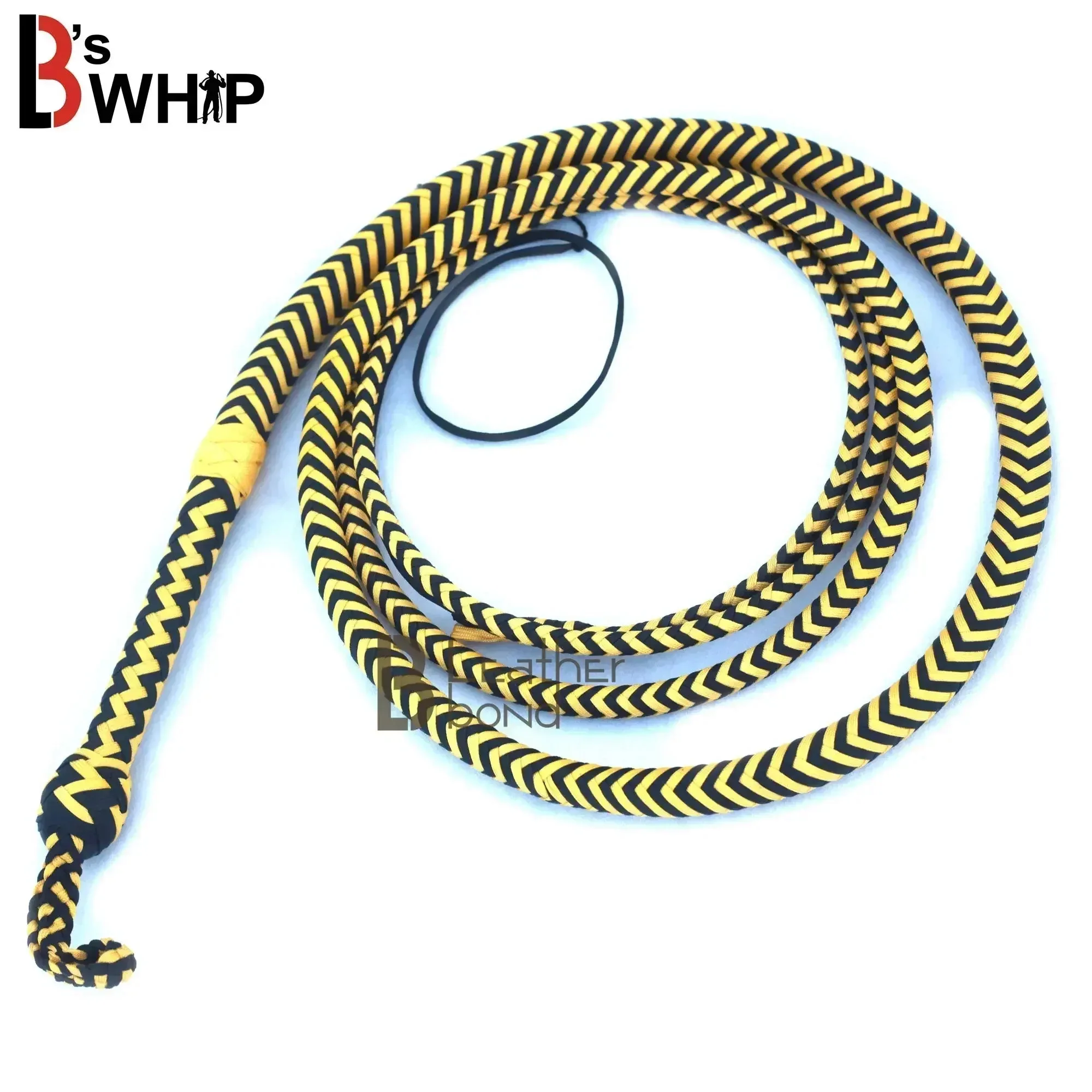
Whip 6, 8, 10, 12, 14 & 16 Feet 16 Strands Bullwhip Para Cord Nylon Bull Whip with Leather Plaited Bellies
-
Indiana Jones Style Whip 6, 8, 10, 12, 14 & 16 Feet 16 Strands Bullwhip Para Cord Nylon Bull Whip with Leather Plaited Bellies: Indiana Jones style whip available in the same six lengths with identical interior construction and steel-rod handle. If you want the classic movie look, this model gives you the same sizing flexibility so you can match length to ability rather than just aesthetics.
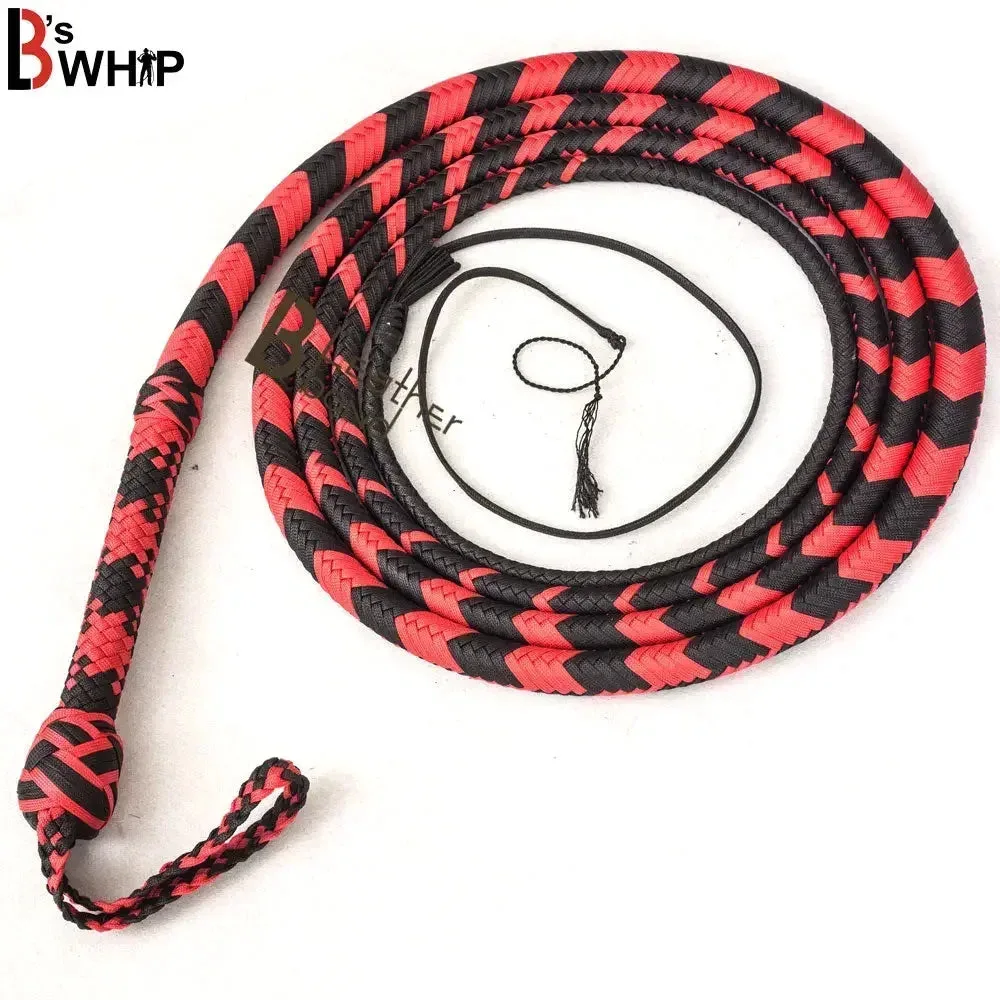
Indiana Jones Style Whip 6, 8, 10, 12, 14 & 16 Feet 16 Strands Bullwhip Para Cord Nylon Bull Whip with Leather Plaited Bellies
Which bullwhip length is right for you?
Best for
- Beginners who want a forgiving, easy-to-control whip for learning basic cracks
- Intermediate users ready to expand their repertoire with longer, louder whips
- Performers who need maximum reach and crack volume for stage or competition
Not ideal for
- Complete beginners who have never handled any whip — start with 6 or 8 feet, not 10+