Quick answer
Choose rubber bumper plates if you plan to drop weights, train Olympic lifts, or protect your floors and ears. Choose cast iron plates if you want a budget-friendly option for controlled lifts and don't mind a bit of noise. For most home gyms, a set of rubber bumper plates offers the best balance of safety and versatility.
When setting up a home gym, one of the first decisions is choosing the right weight plates. The two most common options are rubber bumper plates and traditional cast iron plates. Each has its strengths, and the best choice depends on your training style, floor type, and budget.
This comparison breaks down the key differences—durability, noise, floor protection, and cost—so you can decide which type fits your home gym setup. We'll also look at specific bumper plate sets to give you a concrete idea of what to expect.
Durability and Material
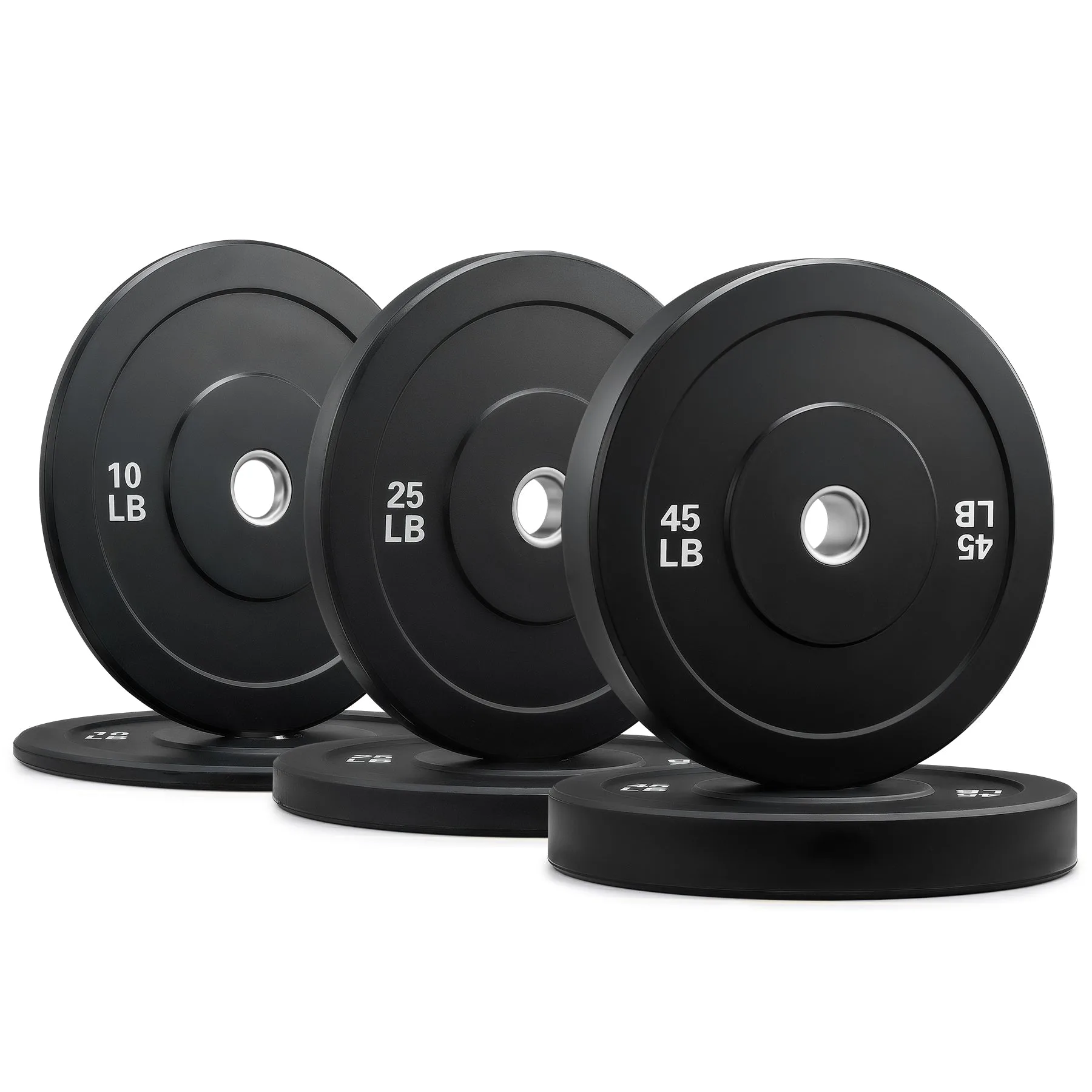
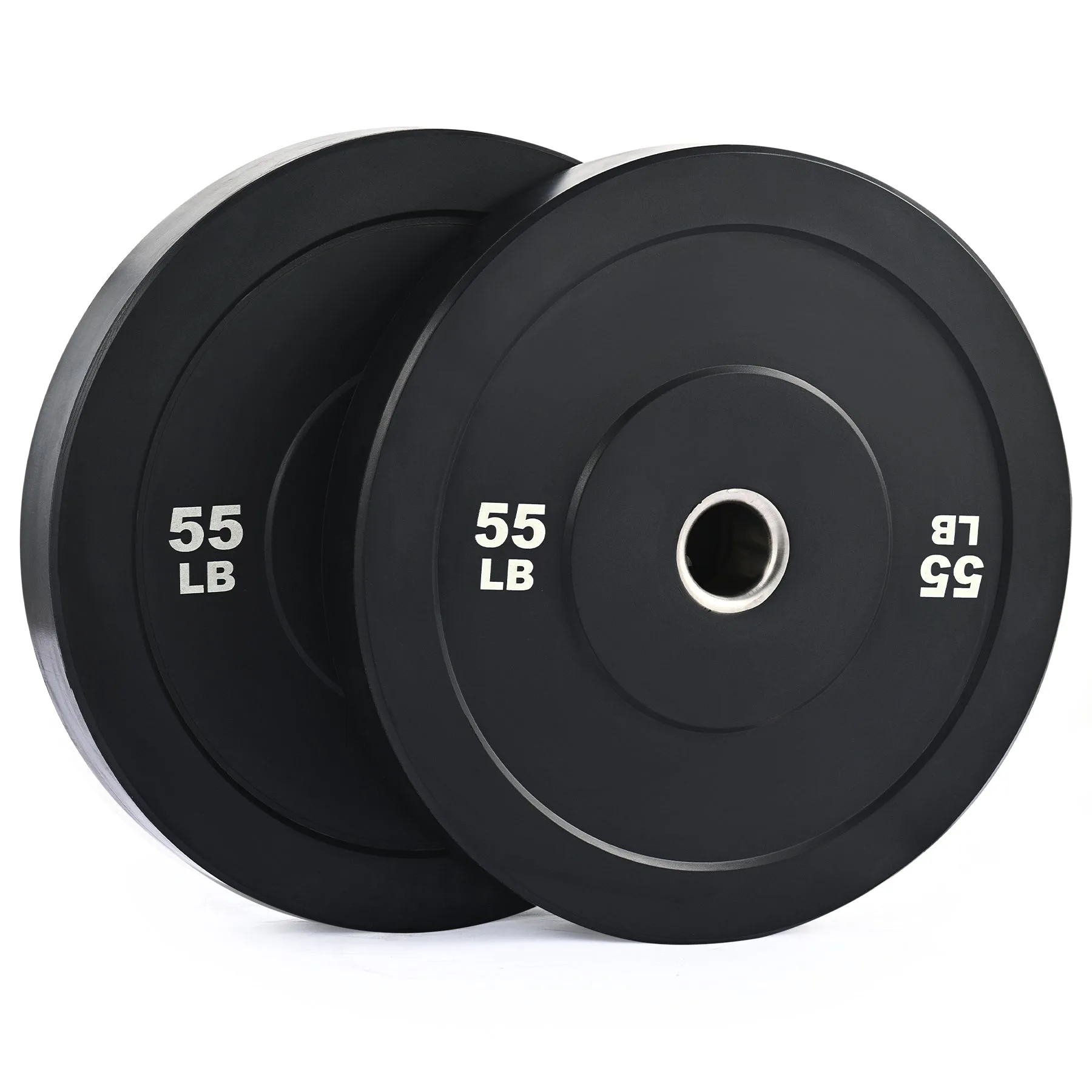
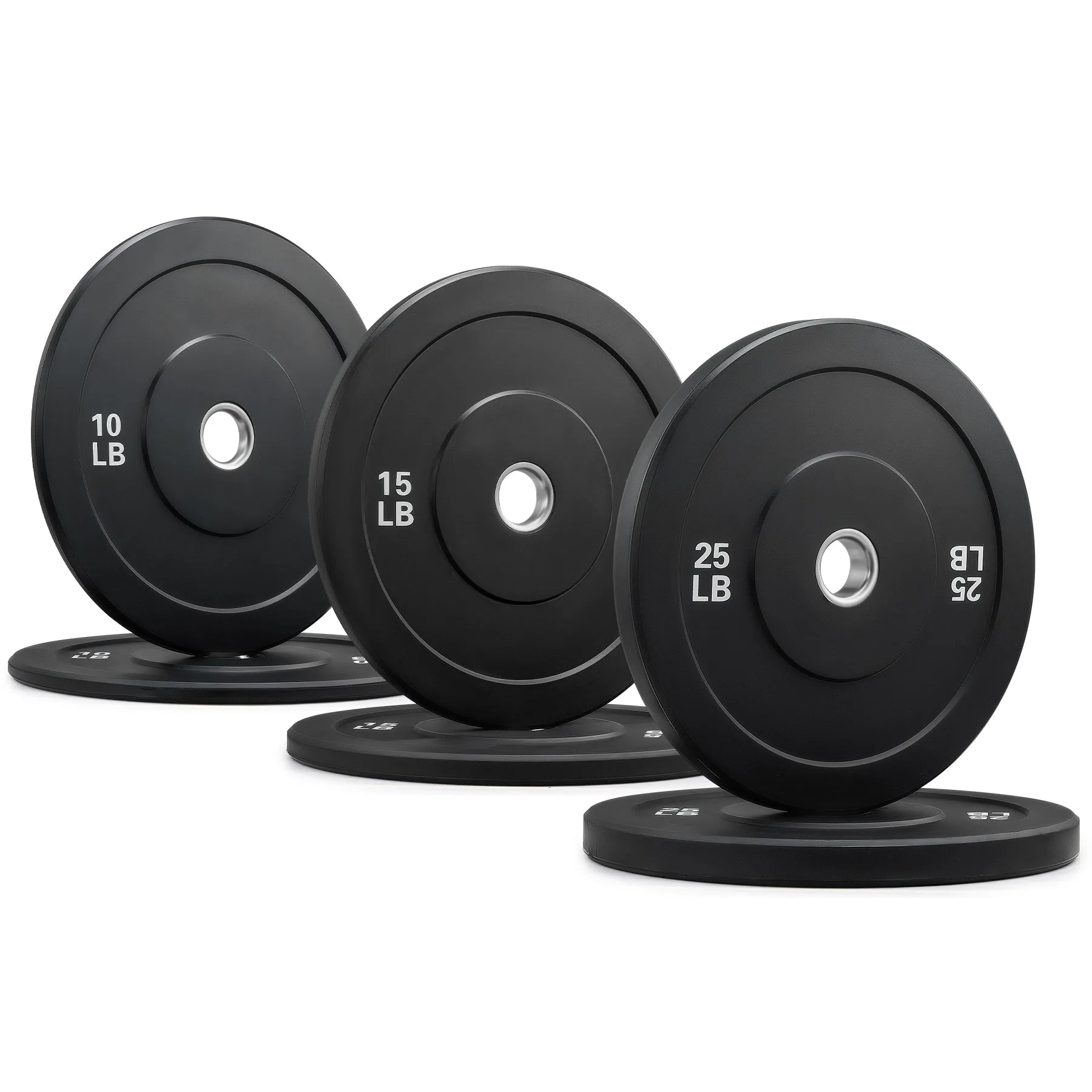
Rubber bumper plates are made from high-density rubber that is tear-resistant and non-toxic, as seen in many Olympic bumper plate sets. This makes them highly durable and able to withstand repeated drops without cracking or breaking. The rubber also minimizes bounce, which is a safety feature when lifting heavy weights.
Cast iron plates are solid metal and can last a lifetime if maintained properly. However, they are prone to chipping if dropped on hard surfaces, and they can damage concrete floors. For controlled lifts like squats and presses, cast iron is perfectly fine, but for Olympic lifts or any movement that involves dropping the bar, bumper plates are the safer choice.
- If you plan to drop weights, rubber bumper plates are essential to protect your equipment and floor.
- Cast iron plates are more compact and have a smaller diameter, making them easier to store.
Noise and Floor Protection
One of the biggest advantages of rubber bumper plates is noise reduction. The rubber absorbs impact, so dropping a loaded barbell creates a dull thud rather than a loud clang. This is crucial if you live in an apartment or share a gym space with others.
Cast iron plates are noisy—metal-on-metal contact can be jarring, and dropping them can crack tiles or dent wooden floors. If you have a dedicated gym space with rubber flooring, this may not be an issue, but for most home setups, bumper plates are more forgiving on both your floors and your ears.
- Consider your flooring: bumper plates can be used on concrete with less risk, but cast iron requires protective mats.
Cost and Value
Cast iron plates are generally cheaper per pound than bumper plates. If you're on a tight budget and only plan to do basic strength training, cast iron can save you money.
However, bumper plate sets often offer great value, especially when purchased as a set. For example, the Bumper Plate Set with Stainless Steel Inserts is priced at $134.99 (compared to $269.98), giving you a durable, versatile set at a reasonable cost. Considering the added safety and floor protection, the investment often pays off.
- Look for sales and discounts on bumper plate sets to get the best value.
Trade-offs at a glance
- Durability: Bumper plates resist drops and wear, while cast iron can chip if dropped. Choose bumpers for heavy or dynamic lifting.
- Noise: Bumpers are quiet; cast iron is loud and can disturb others. Bumpers are better for shared or residential spaces.
- Floor protection: Bumpers protect floors; cast iron can crack concrete or tile. Bumpers are safer for most home gym floors.
- Cost: Cast iron is cheaper upfront; bumper sets offer value with safety features. Consider long-term benefits when budgeting.
Catalog-backed facts
- https://vibemove.shop/products/bumper-plate-set-olympic-weight-plates-rubber-barbell-plates-with-stainless-91193https://vibemove.shop/products/bumper-plate-set-olympic-weight-plates-rubber-barbell-plates-with-stainless-91194https://vibemove.shop/products/bumper-plate-set-olympic-weight-plates-rubber-barbell-plates-91203https://vibemove.shop/products/bumper-plate-set-olympic-weight-plates-rubber-barbell-plates-91204Bumper Plate Set, Olympic Weight Plates, Rubber Barbell Plates with Stainless Steel Inserts: Made with natural rubber, these high-density bumper plates are tear-resistant and non-toxic, providing a safe, long-term fitness solution. They also minimize bounce, ensuring floor protection and reducing the risk of accidental injuries. This means you can drop the barbell during exercises like deadlifts or cleans without worrying about damaging your floor or the plates themselves.
- Bumper Plate Set, Olympic Weight Plates, Rubber Barbell Plates: With 2-inch stainless steel inserts, these 17.7" weight plates effortlessly fit onto standard Olympic barbells, allowing for quick changes and a secure fit. The standard 2-inch insert ensures compatibility with most Olympic barbells, so you won't have to worry about equipment mismatch.
Which should you choose?
Best for
- Home gym owners who perform Olympic lifts or drop weights regularly.
- Those with sensitive floors or noise concerns in apartments or shared spaces.
- Lifters who want a durable, long-lasting set that minimizes bounce.
Not for
- Budget-focused beginners who only do controlled lifts and have protective flooring.
- Those with limited storage space who prefer compact, smaller-diameter plates.
In the end, bumper plates offer superior safety, noise reduction, and floor protection, making them the best all-around choice for most home gyms. Cast iron plates are a cost-effective alternative for controlled lifting environments. Assess your training style and gym setup, then invest in the plates that will serve you best for years to come.