When it comes to maximizing space in a child's bedroom, bunk beds and loft beds are two of the most popular options. Both elevate the sleeping area to free up floor space, but they serve different needs and age groups. Understanding the key differences can help you make an informed decision that balances safety, functionality, and style.
In this guide, we'll break down the pros and cons of each type, discuss safety considerations for bunk beds, and offer tips for choosing the right kids bedroom furniture. Whether you're outfitting a shared room or creating a multi-purpose space for a single child, we'll help you decide between a bunk bed and a loft bed.
What Is a Bunk Bed?
A bunk bed consists of two or more beds stacked vertically, typically supported by a sturdy frame. The most common configuration is a twin-over-twin, but you can also find twin-over-full or full-over-full options. Bunk beds are designed primarily for siblings or sleepovers, allowing two or more children to sleep in the same footprint as a single bed. Many models include built-in ladders or stairs for access to the top bunk.
One of the biggest advantages of bunk beds is their ability to accommodate multiple sleepers without taking up extra floor space. This makes them ideal for shared bedrooms or guest rooms. However, safety is a critical concern, especially for younger children. The top bunk should only be used by children aged six and older, and guardrails are essential to prevent falls. Some bunk beds also offer additional storage drawers or a trundle bed underneath.
- Safety tip: Always ensure the top bunk has guardrails on both sides and that the ladder is securely attached. Check weight limits regularly.
What Is a Loft Bed?
A loft bed is similar to a bunk bed but without the lower bunk. Instead, the space underneath the elevated bed is left open for other uses, such as a desk, play area, or storage. Loft beds are typically designed for a single child or teenager and are popular in rooms where floor space is at a premium. They come in various sizes, from twin to full, and often feature built-in shelving or a study nook.
Loft beds are excellent for creating a multi-functional room. For example, you can place a desk or a cozy reading nook under the loft, turning the bedroom into a study and play area. They are also a great choice for older children who need more privacy or a designated workspace. However, loft beds require a higher ceiling height (at least 7-8 feet) to ensure enough clearance for sitting or standing underneath.
- Consider a loft bed if your child is at least six years old and you want to maximize floor space for activities or study.
Key Differences Between Bunk Beds and Loft Beds
The main difference is the number of sleepers. Bunk beds are designed for two or more children, while loft beds are for one. Bunk beds are ideal for shared rooms, whereas loft beds work best for single-child rooms where you need extra space for other furniture. Both types save floor space, but loft beds offer more flexibility for the area below.
Another difference is safety and age suitability. Bunk beds have stricter safety guidelines because of the top bunk. Loft beds also require safety rails, but the risk of falls is lower since there is no second sleeper below. Additionally, bunk beds often come with built-in ladders, while loft beds may have ladders or stairs. Both can be found in various materials, including wood and metal, but wooden frames tend to be more durable and quieter.
- If you have two children sharing a room, a bunk bed is the most space-efficient choice. For a single child who needs a desk or play area, a loft bed is better.
Safety Considerations for Bunk Beds and Loft Beds
Safety should always be the top priority when choosing kids bedroom furniture. For bunk beds, ensure the top bunk has guardrails that are at least 5 inches above the mattress surface. The ladder should be stable and securely attached. Check that the mattress foundation is strong and that there are no gaps between the mattress and the guardrails where a child could get stuck. Also, never allow children under six to sleep on the top bunk.
For loft beds, similar safety rules apply. The elevated bed should have guardrails on all sides, and the ladder or stairs should be easy to climb. Make sure the ceiling height is adequate to prevent head injuries. Regularly inspect the frame for loose screws or cracks. Both types of beds should meet current safety standards, such as those set by the Consumer Product Safety Commission (CPSC).
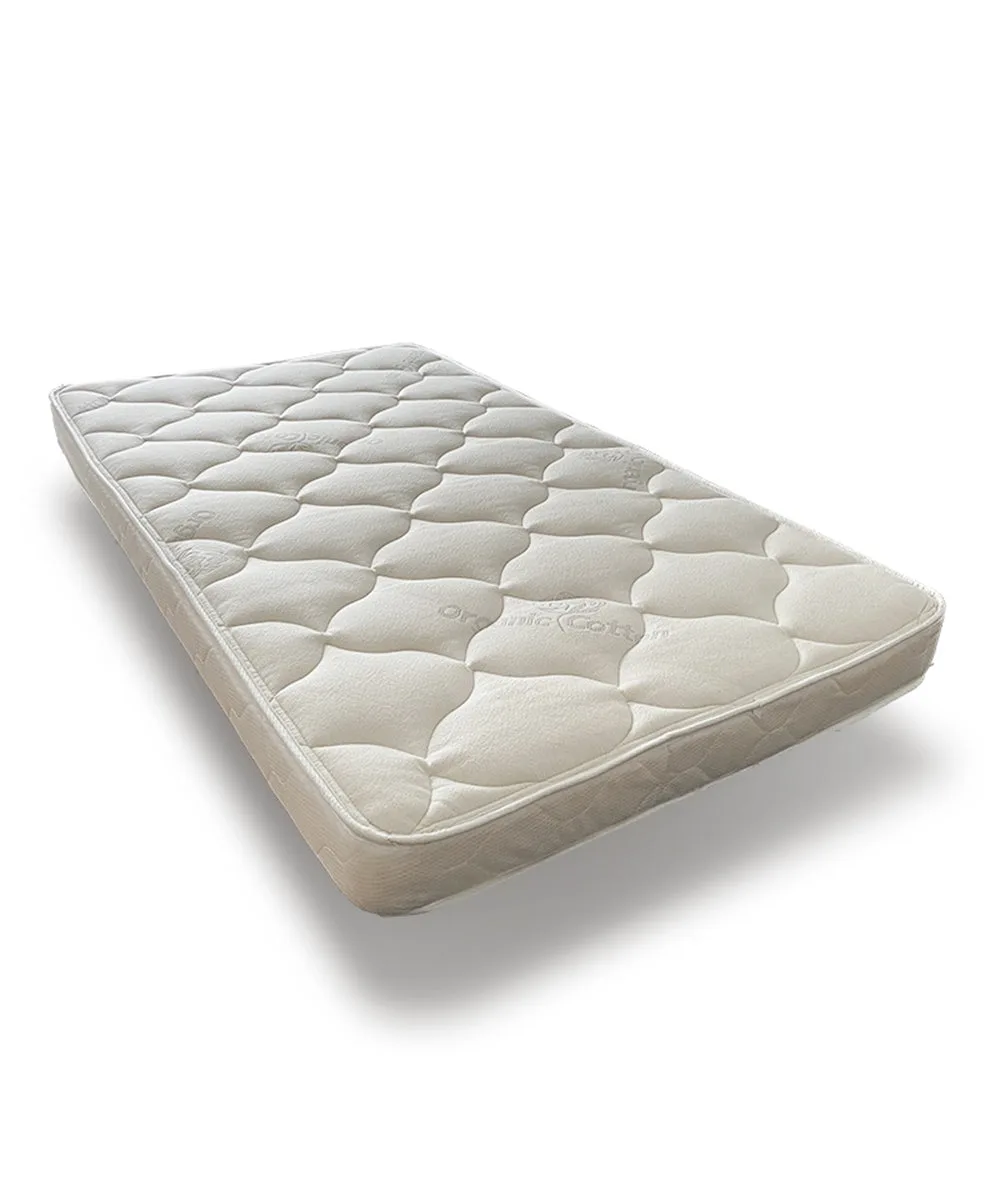
- Always use a mattress that fits snugly within the frame. A mattress that is too small can create a dangerous gap.
Space-Saving Benefits: Bunk Beds vs Loft Beds
Both bunk beds and loft beds are excellent space-saving beds, but they serve different purposes. Bunk beds allow two children to sleep in the same footprint as one bed, which is perfect for small shared rooms. Some bunk beds also include storage drawers or a trundle for additional sleeping space. Loft beds, on the other hand, free up the entire floor area underneath, which can be used for a desk, dresser, or play mat.
For example, a loft bed like the Sparrow Twin Bed can transform a small room by creating a dedicated study zone underneath. Similarly, a bunk bed with a built-in desk or shelves can maximize vertical space. When choosing between the two, consider your child's age and needs. Younger children may benefit from a bunk bed with a lower bunk for play, while older kids might prefer a loft bed for a more grown-up setup.
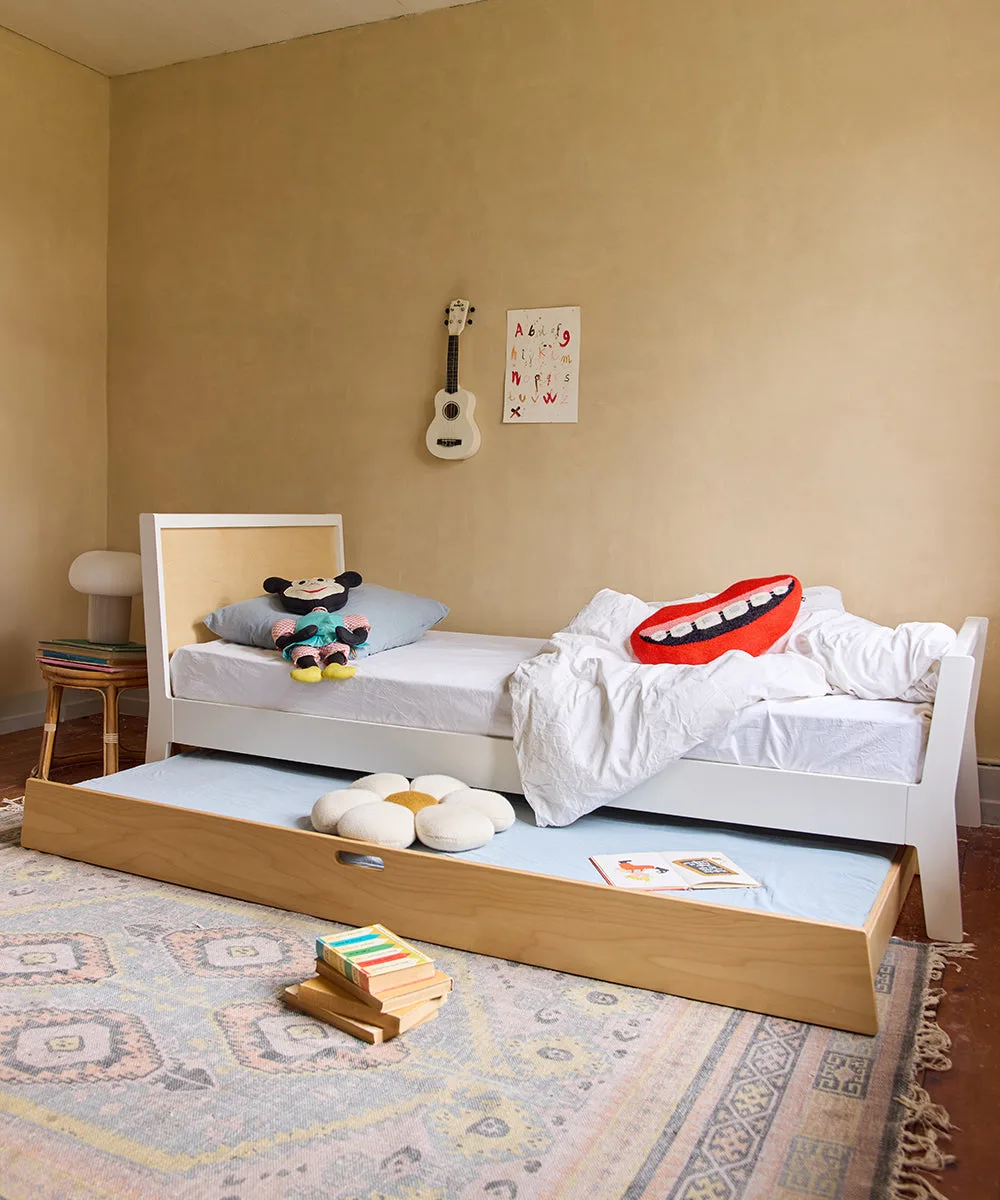
Sparrow Twin Bed
- Measure your room's ceiling height before buying a loft bed. You'll need at least 30 inches of clearance between the mattress and the ceiling for safe sitting.
How to Choose the Right Option for Your Child
Start by assessing your child's age and room size. For two children sharing a room, a bunk bed is usually the best choice. If you have one child who needs a desk or play area, a loft bed is more suitable. Also consider the room's layout: bunk beds work well against a wall, while loft beds can be placed in the center of the room to create distinct zones.
Next, think about future needs. A bunk bed can be separated into two twin beds later, offering flexibility as children grow. Loft beds are typically fixed, but some models allow you to lower the bed height. Finally, choose a style that matches your decor. Modern designs often feature clean lines and neutral colors, while traditional options may include carved details or themed finishes.
- If you're unsure, look for convertible options that can transition from a bunk bed to two separate beds as your children get older.
Ultimately, the choice between a bunk bed and a loft bed depends on your child's age, the number of children sharing the room, and how you want to use the available space. Both options are excellent space-saving beds that can make a small room feel larger and more functional. For a versatile and stylish option that grows with your child, consider the Sparrow Twin Bed, which offers a sleek design and ample space underneath for a desk or play area. Explore our collection of kids bedroom furniture to find the perfect fit for your family.