Quick answer
Choose Dungeon Gray when you need a neutral stone base that matches unpainted Dungeon Gray Dwarvenite or want a flexible undercoat for later washes and drybrushes. Choose Bunker Blue when you want a cool blue accent for shadowed stone, metal, or water-adjacent details without mixing your own tint.
Color role: neutral base vs cool accent
Dungeon Gray is a neutral gray formulated to match Dwarven Forge's unpainted Dungeon Gray casting color, so it blends repairs and extensions into existing pieces. Bunker Blue is a blue acrylic that reads as a cool, shadowed tone on stone and works as an accent rather than a default base coat.
That difference matters most when you are painting a full set. A neutral gray keeps the table visually consistent and lets you push contrast with washes or drybrushes later. A blue base changes the mood of the piece and is harder to blend with unpainted gray terrain.
Matching existing terrain
If your collection includes unpainted Dungeon Gray Dwarvenite, Dungeon Gray paint is the only one of these two designed to match that casting color. Not all Dwarven Forge pieces are cast in Dungeon Gray, so check your specific pieces before assuming a match.
Bunker Blue has no stated matching role in the catalog. Treat it as a deliberate color choice, not a touch-up paint. For repairs on gray pieces, Dungeon Gray is the safer pick.
Workflow and coverage trade-off
Both paints are water-based acrylics formulated for Dwarvenite, need no dilution, and require no priming. The trade-off is in how much control you want: Dungeon Gray gives you a clean slate for layered techniques, while Bunker Blue commits you to a cooler palette from the first coat.
Because neither paint needs thinning, you can use them straight from the bottle. Shake well before each use. If you plan to drybrush or wash over the base, start with Dungeon Gray; if you want a colored stone effect without mixing, start with Bunker Blue.
Trade-offs at a glance
- Neutral base vs colored base: Dungeon Gray gives you a neutral foundation that accepts washes and drybrushes without shifting the hue. Bunker Blue gives you a cool blue tone immediately, but any later layers will sit on that blue. Decide whether you want a neutral starting point or a colored one before you open the bottle.
- Matching vs accenting: Dungeon Gray is designed to match unpainted Dungeon Gray Dwarvenite, so it is the practical choice for touch-ups and set expansion. Bunker Blue is an accent color with no stated matching role. Check your casting color first if you need a seamless match.
- Single-bottle simplicity: Both paints are ready to use without thinning or priming, so the choice comes down to color intent rather than prep work. Pick Dungeon Gray for a versatile stone base; pick Bunker Blue for a deliberate blue effect. If you are unsure, start with Dungeon Gray and add Bunker Blue later for accents.
Product facts
-
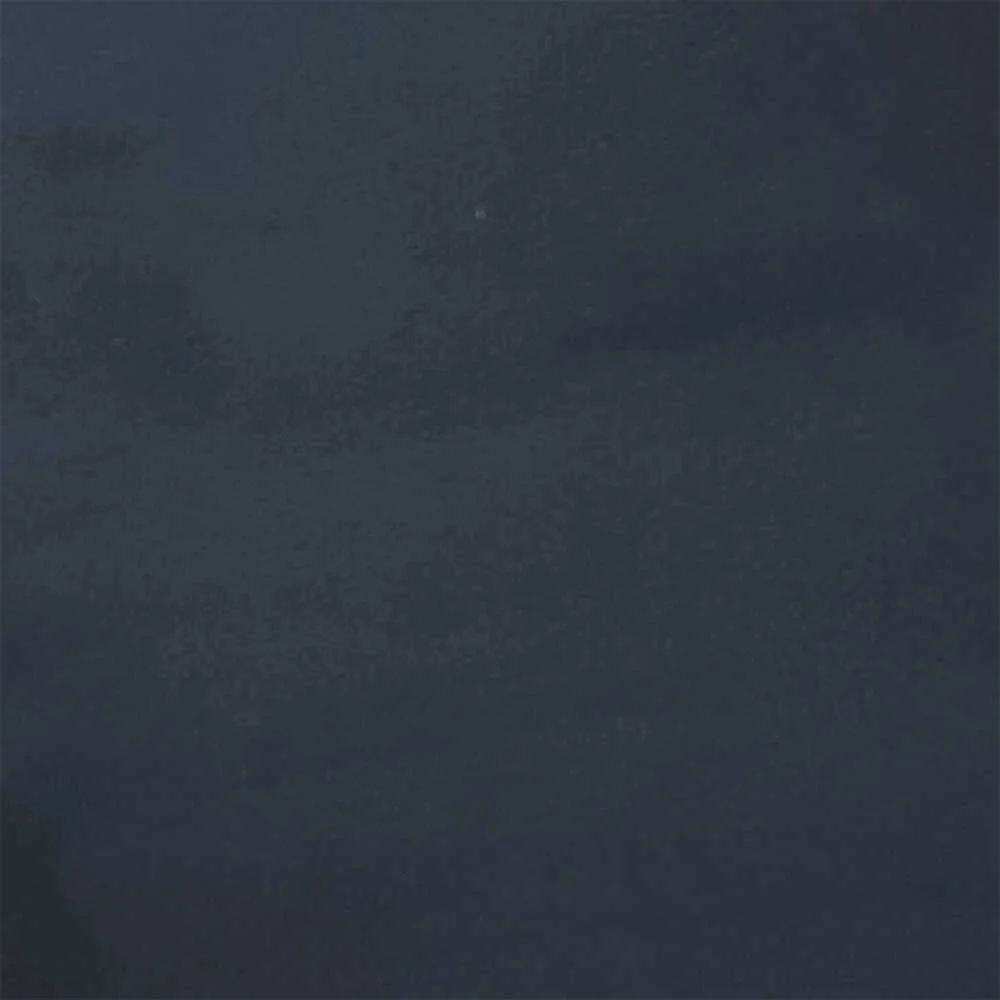
Pokorny Paint - Bunker Blue: Pokorny Paint - Bunker Blue is a water-based acrylic formulated for Dwarvenite and does not need dilution or priming. You can apply it directly to terrain pieces without extra prep, making it convenient for a cool blue accent layer.
Pokorny Paint - Bunker Blue
-
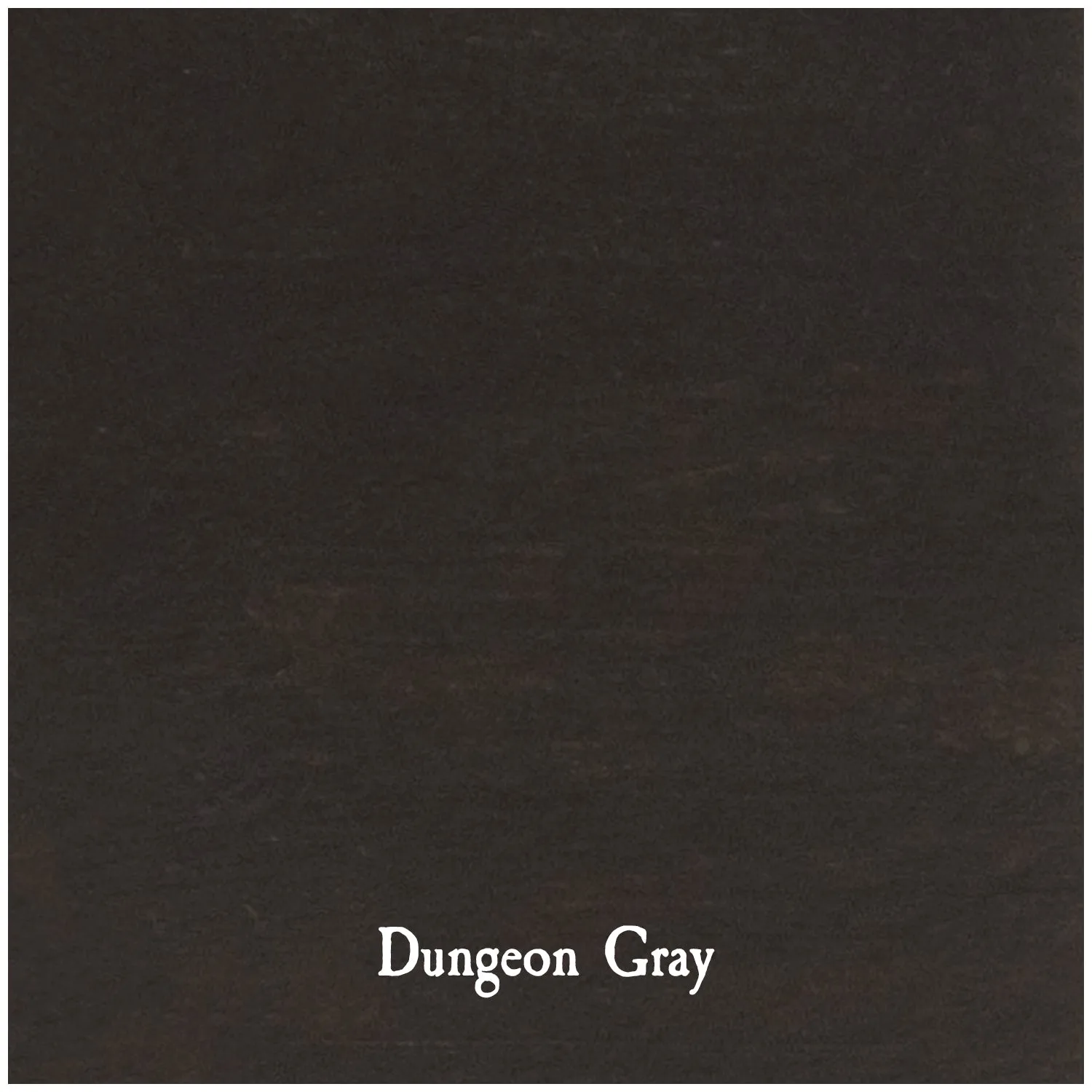
Pokorny Paint - Dungeon Gray: Dungeon Gray matches the unpainted Dungeon Gray Dwarvenite casting color, though not all Dwarven Forge pieces are cast in that color. It is the better choice for blending repairs or new pieces into an existing gray terrain set, provided your pieces are cast in Dungeon Gray.
Pokorny Paint - Dungeon Gray
Which paint fits your project?
Best for
- Painting or repairing unpainted Dungeon Gray Dwarvenite pieces
- Creating a neutral stone base for washes and drybrushing
- Painters who want a consistent gray terrain set
Not for
- Projects that need a cool blue stone or metal accent
- Painters who want a colored base coat without mixing
- Terrain cast in a different color where a match is required