What This Comparison Covers
When choosing a light fixture finish, two popular options are burnished brass and matte nickel. This comparison focuses on what the catalog confirms about each finish, how they differ in appearance and care, and what you should consider before buying. The goal is to help you choose based on real product evidence, not marketing claims.
What the Catalog Confirms About Burnished Brass
-
Burnished Brass: Burnished Brass is solid brass with a hand-applied patina that provides a deep lustrous appearance with notes of blue and red. It is pre-aged and coated to resist further oxidation. It is seen in the Peek Family of fixtures. This finish is not a simple polished brass. The hand-applied patina and coating mean it has a unique, aged look that is designed to stay stable over time. The coating helps resist further oxidation, so you won't see dramatic color changes like untreated brass.
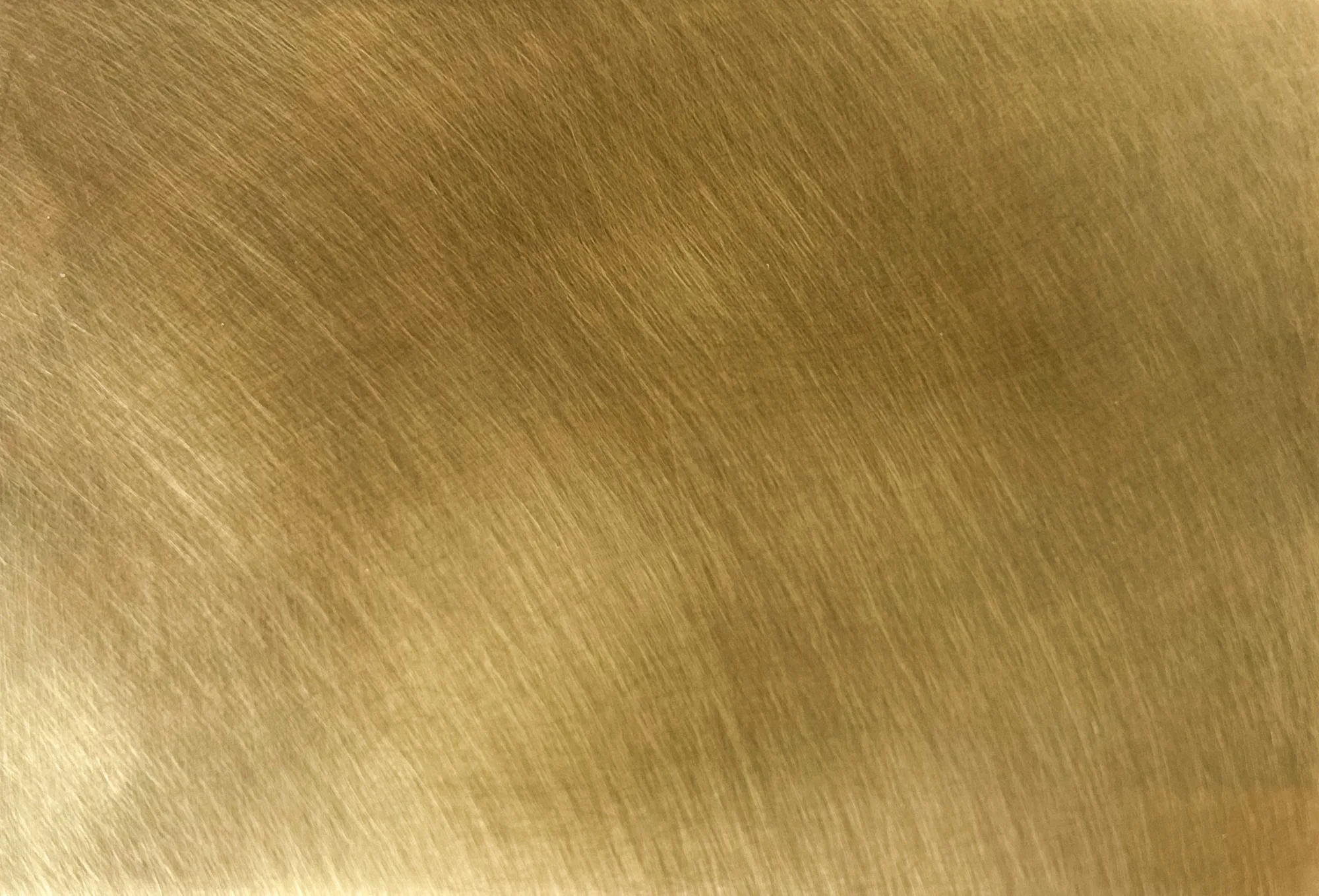
Burnished Brass
Matte Nickel: A Different Metal, Different Look
Matte nickel is a plated finish applied to a base metal. It has a muted, slightly warm gray appearance that is less reflective than polished nickel. Unlike burnished brass, matte nickel does not develop a patina over time. Its durability depends on the plating quality, but it generally resists tarnish and corrosion well. The catalog does not provide specific care instructions for matte nickel, so treat it as a low-maintenance finish that can be wiped clean with a soft, dry cloth.
Burnished Brass vs Matte Nickel at a Glance
- Appearance: Burnished brass has a deep, lustrous look with blue and red undertones. Matte nickel is a flat, warm gray. The brass is more visually complex and changes with light; the nickel is consistent and understated.
- Durability: Burnished brass is pre-aged and coated to resist further oxidation, so it will not darken or green like raw brass. Matte nickel resists tarnish and corrosion but can scratch if the plating is damaged.
- Care: Burnished brass can be gently wiped with a soft, dry cloth. Avoid abrasive cleaners. Matte nickel similarly needs only dusting and occasional gentle cleaning. Neither finish requires polishing.
- Longevity: Both finishes are designed to last. The burnished brass's coating helps maintain its appearance. Matte nickel's durability depends on plating thickness, but with proper care it can last for years.
How to Choose Between Them
Your choice comes down to the look you want and the maintenance you're willing to do. If you want a warm, character-rich finish that feels aged from day one, burnished brass is a good fit. If you prefer a neutral, modern finish that stays the same over time, matte nickel is a reliable option. Both are durable, but the brass has a coating that protects its patina, while the nickel relies on its plating for protection.
What the Records Don't Tell You
The catalog does not specify the exact composition of the matte nickel finish or its plating thickness. It also does not provide detailed cleaning instructions for either finish. For best results, treat both finishes gently and avoid harsh chemicals or abrasive tools. If you have specific concerns about humidity, cleaning products, or exposure, contact the manufacturer for more detailed care advice.