Quick answer
Plan for 10 to 12 burp cloths if you do laundry every two to three days, and 6 to 8 if you wash daily. Newborns spit up often, so having a stack within arm's reach of every feeding spot matters more than owning a huge supply. Start with a 5-pack of soft, absorbent cloths and add more based on your baby's habits.
Burp cloths are one of those baby items you don't think much about until you're mid-feed and realize every clean one is in the wash. The right number depends on how often you do laundry, how much your baby spits up, and where you feed.
This guide walks through how many burp cloths you need, how to use them during and after feeds, and how to wash them so they stay soft and absorbent. You'll also find practical tips for choosing cloths that actually protect your clothes and your baby's skin.
How many burp cloths do you need?
Most parents find that 10 to 12 burp cloths work well if laundry happens every two to three days. If you wash daily, 6 to 8 is often enough. Babies who spit up frequently or have reflux may need closer to 15. Keep a few in your diaper bag, a few at the feeding chair, and the rest clean and folded.
A common mistake is buying one large pack and assuming it will last. Cloths get wet fast, and you'll want a dry one for each feed. Start with a 5-pack and track how many you use in a typical day, then add more based on that number.
- Keep at least two cloths within arm's reach of every feeding spot.
- Store clean cloths in a basket near the chair and a few in the diaper bag.
- If you're constantly running out, add a second pack before your baby's next growth spurt.
How to use burp cloths during and after feeds
Before you start feeding, drape a clean burp cloth over your shoulder or across your lap where spit-up is likely to land. For bottle feeding, hold the cloth under your baby's chin to catch drips. For breastfeeding, tuck one under your breast to catch letdown and another on your shoulder for burping.
After feeding, keep the cloth handy while you burp your baby. Pat gently rather than rubbing, and use a clean corner to wipe your baby's face. If the cloth gets soaked, swap it for a fresh one instead of folding it over. One common mistake is using the same cloth all day; a damp cloth can irritate skin and won't absorb well.
- Use one cloth for feeding and a second for burping if your baby spits up a lot.
- Wipe drool with a clean corner, not the part that caught spit-up.
- Check the cloth after each feed and replace it if it feels wet.
Choosing burp cloths that work for newborns
Look for two layers of soft, absorbent fabric. Organic cotton is a good choice because it's gentle on newborn skin and holds up to frequent washing. Size matters too: large cloths cover more of your shoulder and lap, which means less mess on your clothes.
Avoid cloths that are too small or thin. They may look cute, but they won't protect you during a big spit-up. If a cloth feels stiff or scratchy, it may not soften with washing and could irritate your baby's face.
- Choose cloths that are at least 10 by 20 inches for good coverage.
- Check the label for 100% organic cotton if your baby has sensitive skin.
- Buy one pack first, then test absorbency before buying more.
Burp cloth care and washing tips
Wash burp cloths with baby-safe detergent and avoid fabric softener, which can coat the fibers and reduce absorbency. A warm or hot wash cycle helps remove milk residue and spit-up. If your baby has reflux or a cold, you may want to wash them separately from other laundry.
Dry cloths on low heat or line dry. High heat can shrink cotton and make it feel rough. Keep a small wet bag or hamper near the feeding area so dirty cloths don't pile up on the floor. A common mistake is letting wet cloths sit for days, which can cause mildew and lingering odors.
- Wash new cloths before first use to remove any manufacturing residue.
- Skip fabric softener and dryer sheets to keep cloths absorbent.
- Run a pre-rinse cycle if your baby spits up frequently.
Your step-by-step burp cloth routine
- Stock your feeding stations: Place 2 to 3 clean burp cloths at every spot where you feed your baby, plus a few in the diaper bag. Keep a small basket or drawer nearby so you can grab one without looking. Checkpoint: If you have to leave the room to find a cloth, you need more in that spot.
- Drape before you feed: Lay a cloth over your shoulder or across your lap before you start feeding. For bottle feeding, hold a cloth under your baby's chin to catch drips. For breastfeeding, tuck one under your breast for letdown. Checkpoint: The cloth should cover the area where spit-up or milk is most likely to land.
- Burp with a clean cloth: After feeding, use a fresh cloth or a clean corner to burp your baby. Pat gently and keep the cloth between your clothes and your baby's mouth. If the cloth gets wet, swap it out. Checkpoint: A damp cloth won't absorb well and can irritate skin, so replace it right away.
- Wipe and replace: Use a clean corner of the cloth to wipe drool or spit-up from your baby's face. Then set the used cloth aside in a hamper or wet bag. Don't reuse a wet cloth for the next feed. Checkpoint: One cloth per feed is a good rule if your baby spits up often.
- Wash and rotate: Wash cloths every 2 to 3 days with baby-safe detergent and no fabric softener. Dry on low heat. Rotate your stash so you always have clean ones ready and don't run out. Checkpoint: If you're washing more than once a day, add another pack to your rotation.
Product facts that matter for burp cloths
- Breathable 100% Organic Cotton Burp Cloth 5 Pack: Made with two layers of 100% organic cotton and designed by experts and approved by lactation consultants, these burp cloths are super soft, highly absorbent, and offer excellent leak protection. They are large and designed to protect you from messes while feeding, and for gently wiping baby's face to clean drool or spit-up. Two layers of organic cotton give you the absorbency and softness you need for frequent feeds, and the large size covers more of your shoulder and lap, so you change clothes less often.
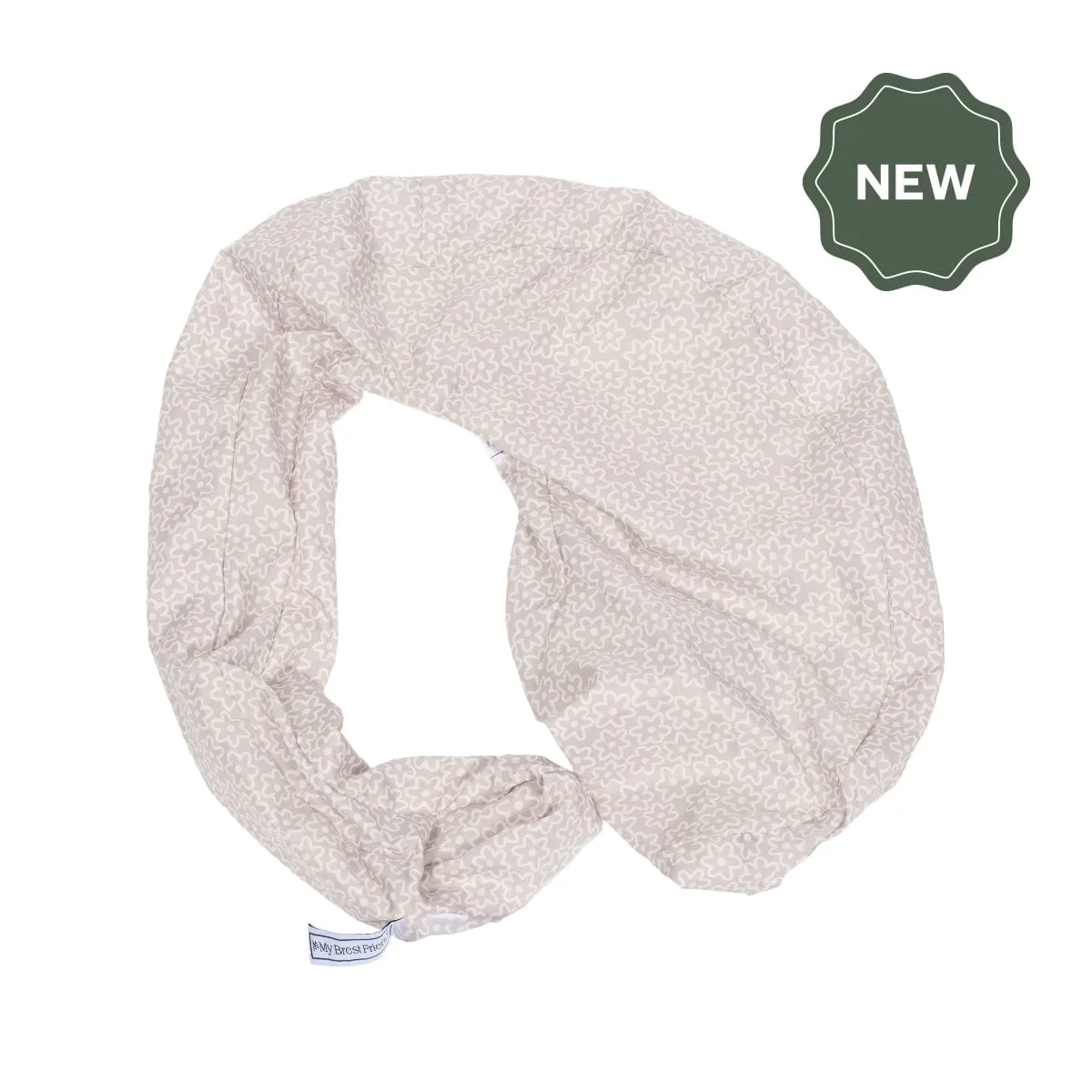
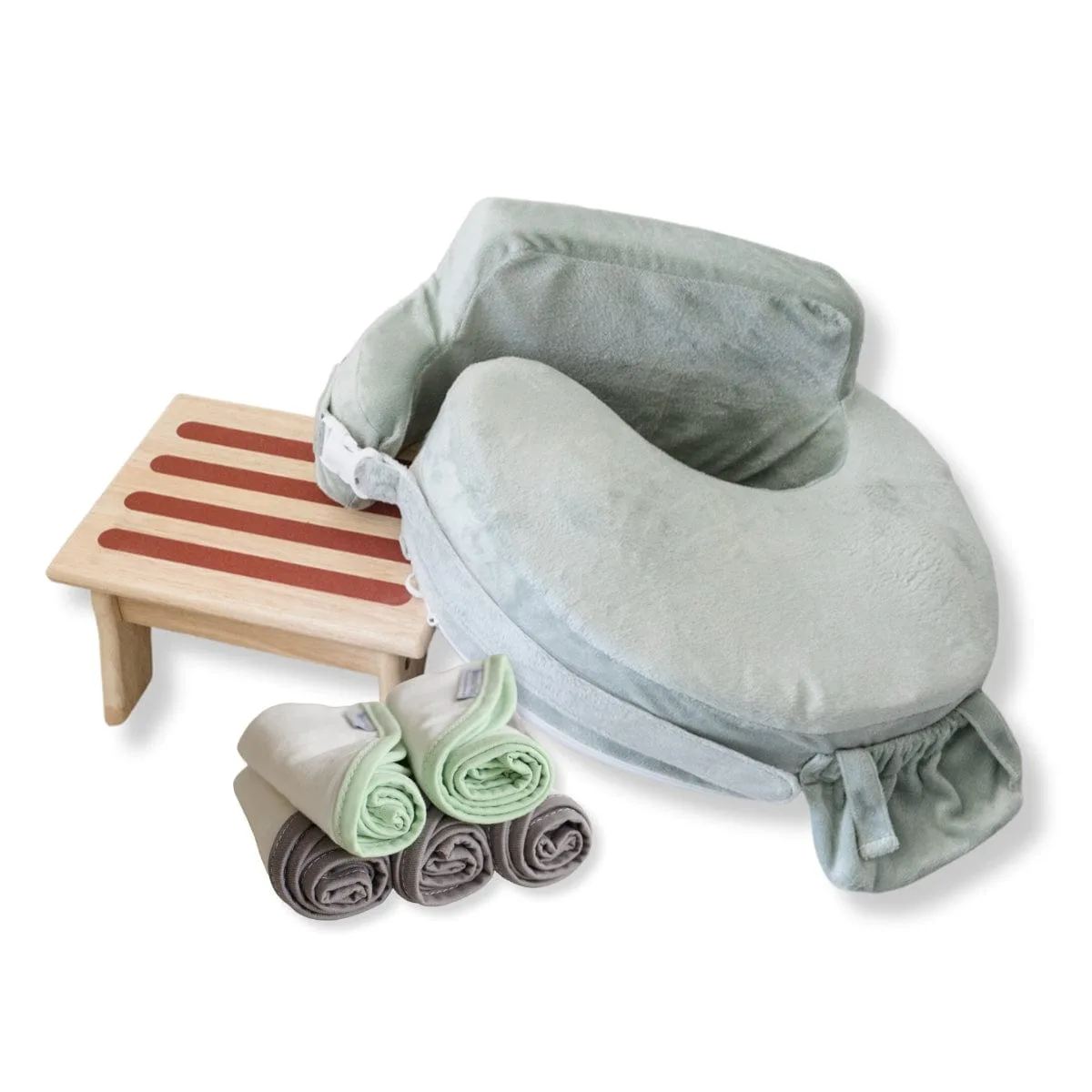
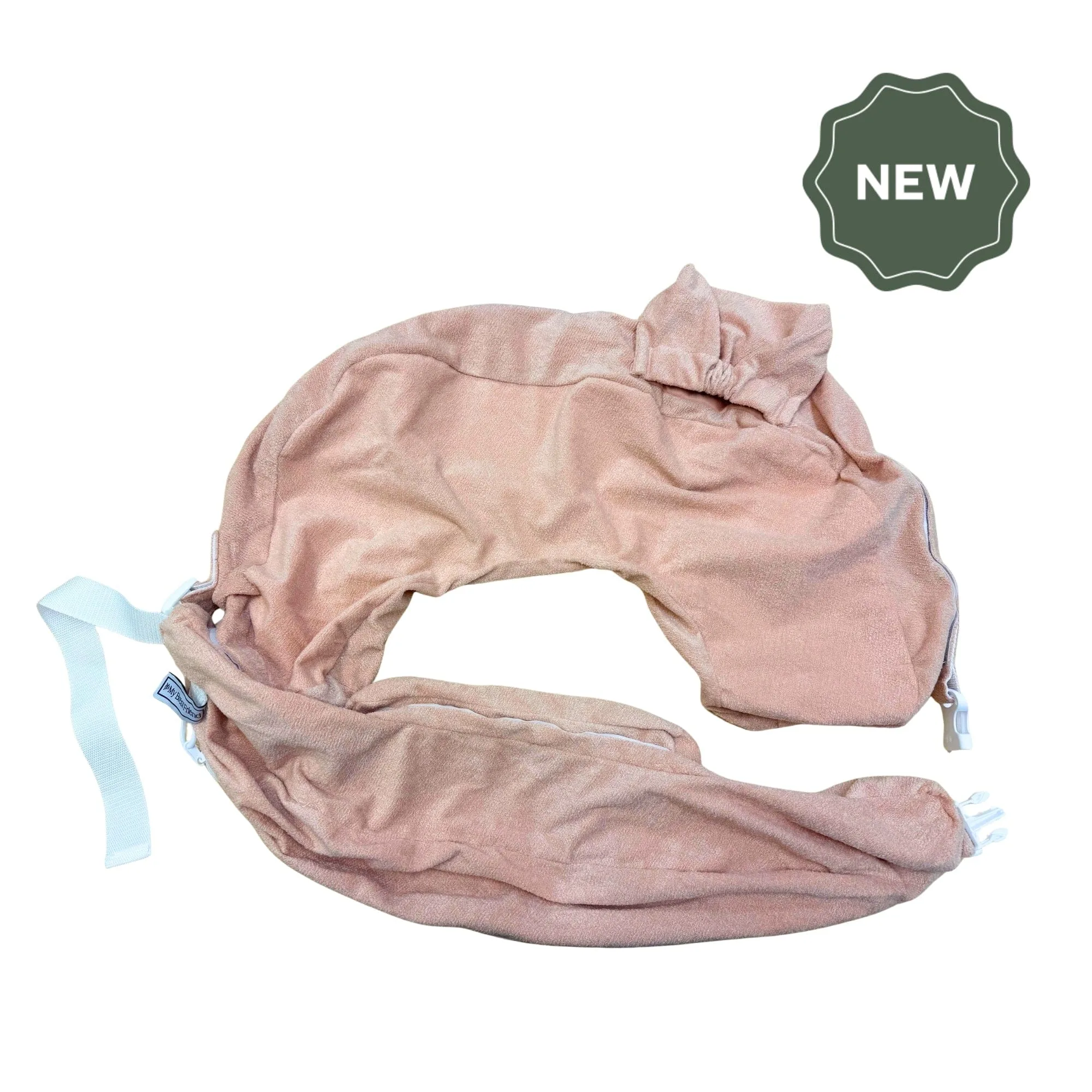
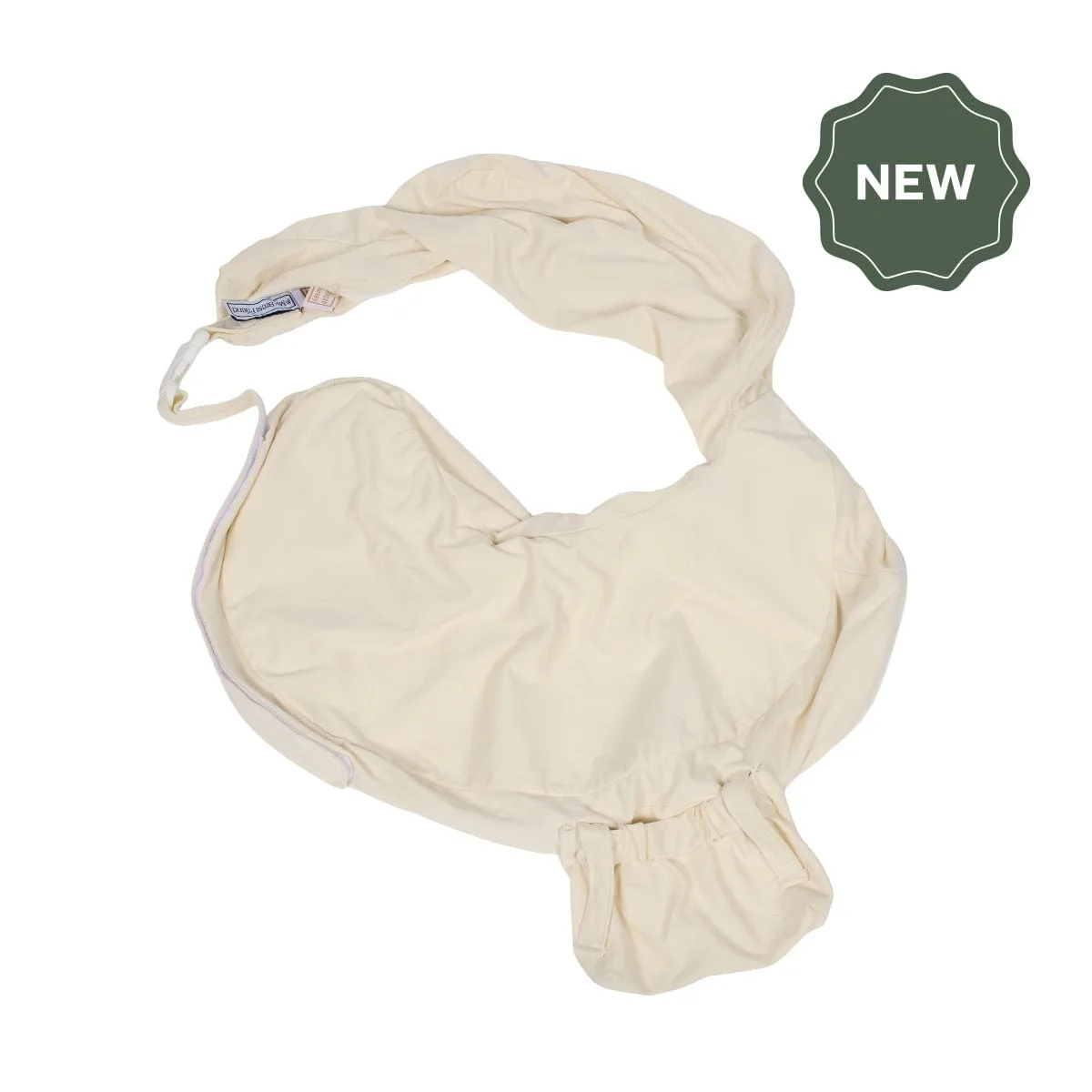
- Super Deluxe Oat, 100% Organic Cotton Slipcover: Many nursing moms enjoy the option of extra slipcovers so when the inevitable spit-up or leaky diaper strikes, they can simply toss the slipcover into the washer without missing a beat. If you use a nursing pillow, an extra slipcover means you can keep feeding even when spit-up happens, and you won't have to wait for a full wash cycle to use your pillow again.
Start with a 5-pack of soft, absorbent burp cloths and adjust based on your baby's spit-up habits and your laundry schedule. Keep them within reach, use a fresh one for each feed, and wash them gently to keep them soft. With a little planning, you'll spend less time cleaning up and more time enjoying your baby.