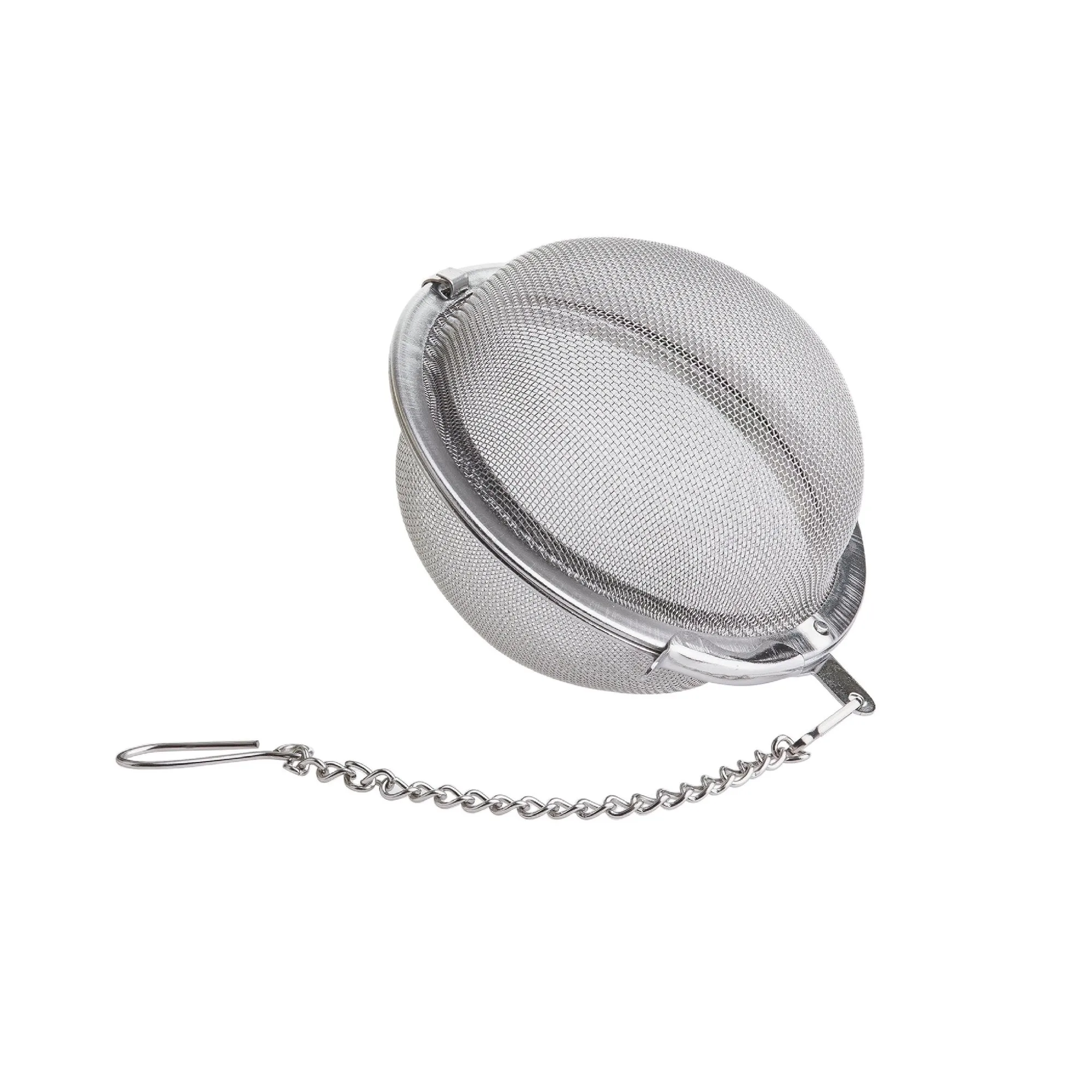
There’s nothing quite like the frustration of trying to spread cold, rock-hard butter on a slice of warm toast. You end up tearing the bread, leaving a sad, uneven smear. Enter the butter keeper—a simple yet brilliant kitchen gadget that keeps your butter soft, spreadable, and fresh at room temperature for days. Also known as a butter bell or butter crock, this clever device uses a water seal to create an airtight environment, protecting your butter from light, air, and bacteria while keeping it perfectly spreadable.
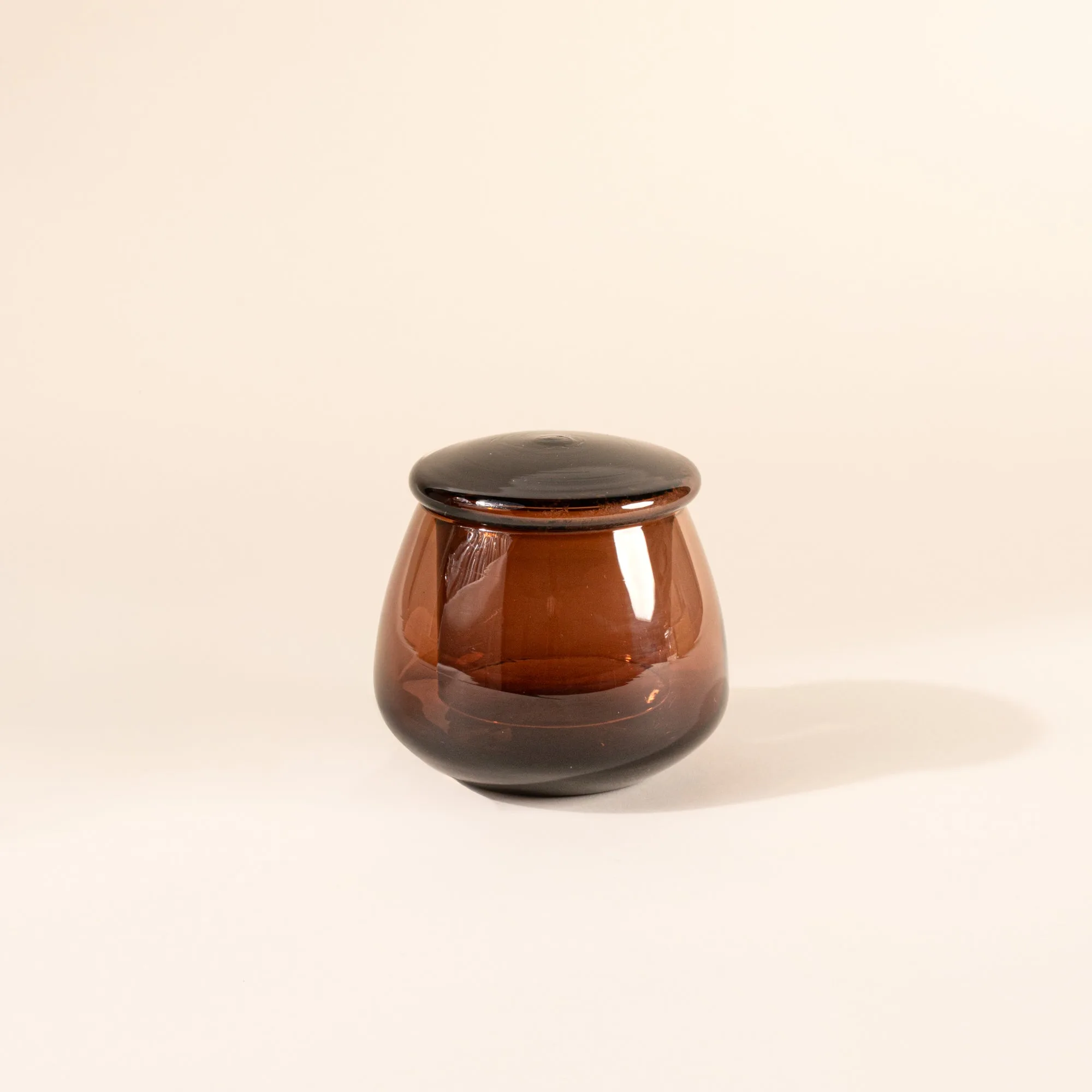
butter keeper
Whether you’re a seasoned home cook or just starting to build your kitchen collection, a butter keeper is one of those small upgrades that makes daily life noticeably better. In this guide, we’ll explore what a butter keeper is, how it works, the best types to choose, and how to care for yours so it lasts for years. Plus, we’ll show you how to incorporate it into your table setting for both function and beauty.
What Is a Butter Keeper and How Does It Work?
A butter keeper typically consists of two parts: a base that holds a small amount of water and a lid or bell that holds the butter. You pack softened butter into the lid, then invert it into the base filled with cold water. The water creates an airtight seal that keeps out oxygen and bacteria, allowing the butter to stay fresh at room temperature for up to two weeks. The water also acts as a barrier against heat, so even in a warm kitchen, your butter remains safe to eat.
The science is simple: without exposure to air, butter doesn’t oxidize or go rancid quickly. The water seal also prevents mold growth and keeps insects away. This method has been used for centuries in Europe and is still beloved by chefs and home bakers alike. It’s a perfect example of an old-school kitchen gadget that solves a real problem without electricity or complicated mechanisms.
still
- Always use softened (not melted) butter when filling the lid for the best seal.
- Change the water every 2–3 days to keep it fresh and prevent any off odors.
- Salted butter lasts longer at room temperature than unsalted—opt for salted if you plan to keep it out for more than a week.
Why You Need a Butter Keeper in Your Kitchen
If you love cooking or baking, you know that room-temperature butter is essential for many recipes—from fluffy cakes to tender cookies. With a butter keeper, you always have soft butter ready to go. No more waiting for a stick to soften on the counter or resorting to the microwave (which often leaves it half-melted). It’s a small convenience that saves you time and frustration every single day.
Beyond practicality, a butter keeper is also a charming addition to your table. Whether you’re hosting a brunch or just enjoying a quiet breakfast, a beautiful butter dish invites everyone to help themselves. Pair it with a sleek butter knife and a set of elegant glassware for a cohesive, elevated look. For instance, the Surface Glassware collection adds a modern, refined touch to any table setting, making your butter keeper feel right at home among your favorite serveware.
- Perfect for toast, bagels, pancakes, waffles, and baked potatoes.
- Great for butter boards—just soften a stick and spread it with herbs and sea salt.
- Reduces waste: you’ll use every last bit of butter instead of tossing hardened ends.
How to Choose the Best Butter Keeper
Not all butter keepers are created equal. The most common materials are ceramic and glass. Ceramic keepers are classic, often glazed in beautiful colors and patterns that match your dinnerware. They’re excellent at insulating butter and are usually dishwasher-safe. Glass versions offer a modern, transparent look that lets you see how much butter is left. Both work equally well, so the choice comes down to your personal style and how you plan to use it.
Size matters too. A standard butter keeper holds one stick (about 4 ounces or 113 grams), but larger versions can hold two sticks. If you go through butter quickly—especially during holiday baking—a larger keeper might be a better fit. Also, look for a keeper with a wide, stable base that won’t tip over easily. A well-designed butter keeper should feel solid and easy to handle, even when full. For a versatile option that blends with any table setting, consider pairing your keeper with a simple Glass Beurre Dish for an elegant, functional duo.
- Choose a keeper with a tight-fitting lid for the best water seal.
- Glazed ceramic is easiest to clean—avoid unglazed interiors that can absorb odors.
- If you entertain often, opt for a larger size or a set of two for salted and unsalted butter.
How to Use and Maintain Your Butter Keeper
Using a butter keeper is straightforward, but a few tips will ensure the best results. Start by softening your butter to room temperature—it should be pliable but not melted. Pack it firmly into the lid, pressing out any air pockets. Fill the base with cold water (about an inch deep), then invert the lid into the base. The water should rise slightly around the edges, creating a seal. Store the keeper on your counter away from direct sunlight or heat sources like the stove.
To keep your butter fresh, change the water every two to three days. If you notice any off smells or mold, discard the butter and wash the keeper thoroughly with warm, soapy water. Most ceramic and glass keepers are dishwasher-safe, but hand washing is gentler on the glaze. Dry completely before refilling. With proper care, a quality butter keeper can last for decades—making it a sustainable alternative to disposable butter wrappers.
- Use filtered water if your tap water has a strong chlorine taste—it can affect the butter.
- If your kitchen is very warm (above 75°F/24°C), keep the butter in the fridge overnight and bring it out only when needed.
- Label your keeper with a small chalk sticker if you keep both salted and unsalted butter.
Styling Your Butter Keeper for Everyday and Entertaining
A butter keeper isn’t just a tool—it’s a table accessory. Place it on a wooden board or a small ceramic plate alongside a butter knife for a rustic, inviting look. For brunch, set it next to a basket of warm croissants and a jar of homemade jam. For dinner, let it sit on the table so guests can spread butter on crusty bread or roasted vegetables. The visual appeal of a well-chosen butter keeper adds warmth and personality to any meal.
To complete your table, consider adding coordinating pieces from your kitchen collection. A set of elegant glasses, like the Luisa Calices, Pair, can elevate the entire dining experience. Their delicate stems and classic silhouette complement the simple charm of a butter keeper, making even a casual weeknight dinner feel special. And if you’re hosting a larger gathering, a butter keeper paired with a stylish carafe and cups ensures your table is both functional and beautiful.
- Match the color of your butter keeper to your dinnerware or table linens for a cohesive look.
- Use a small butter keeper as a salt cellar or for serving soft cheeses like brie.
- For a modern twist, choose a matte black or minimalist white keeper that works with any decor.
A butter keeper is one of those kitchen gadgets you never knew you needed—until you have one. It makes mornings smoother, baking easier, and hosting more enjoyable. Whether you’re a toast lover, a pastry enthusiast, or simply someone who appreciates well-designed tools, a butter keeper is a small investment that pays off every day. Ready to upgrade your kitchen? Explore our curated collection of butter keepers and find the perfect one to match your style. And while you’re at it, don’t forget to pair it with a beautiful butter knife and a set of Surface Glassware for a truly elevated table. Your toast—and your guests—will thank you.