Quick Answer
Use buttercup yellow paint on a single accent wall or built-in feature in your kitchen or entryway to add warmth without overwhelming the space. Pair it with natural wood, white trim, and soft neutral furnishings for a balanced look.
Why Buttercup Yellow Works in Kitchens and Entryways
Buttercup yellow is a subdued, creamy shade that feels appetizing and cheerful, making it a natural fit for kitchens where you want a welcoming, energetic vibe. In entryways, it creates a warm first impression and pairs beautifully with natural light.
Because the color is soft rather than saturated, it reads as neutral from a distance, which means it won't compete with your cabinetry or flooring. This makes it a flexible choice for both small and large spaces.
Balancing Buttercup Yellow: What to Pair With It
The key to using buttercup yellow successfully is balance. Pair it with crisp white trim and moldings to define edges, and introduce natural wood tones through furniture or open shelving to ground the warmth.
Avoid pairing it with other strong colors like red or orange, which can create visual chaos. Instead, let buttercup yellow be the star and use neutral textiles and decor in beige, gray, or soft green to keep the room cohesive.
Limewash: A Unique Finish for Buttercup Yellow
Limewash paint offers a matte, velvety finish with soft tonal variations that add depth and texture to walls. This is especially flattering in entryways where light changes throughout the day, creating a subtle, living quality.
Because limewash is made from natural ingredients, slight batch-to-batch variation is normal. This means you should always order enough paint for the entire project at once to ensure color consistency across your walls.
How to Use Buttercup Yellow in Your Kitchen or Entryway
- Choose the Right Wall: Select a single accent wall that receives natural light, such as the wall behind a kitchen banquette or the entryway wall facing the door. Avoid dark corners where the yellow may appear dull. Test the color on the actual wall at different times of day before committing.
- Prep the Surface: Ensure the wall is clean, dry, and free of dust. If you're painting over a darker color, apply a primer suitable for limewash to prevent bleed-through. Use painter's tape to protect trim and adjacent surfaces. Skipping primer on a dark wall can lead to uneven coverage and a patchy finish.
- Apply the Limewash: Stir the paint thoroughly before use. Apply the first coat with a wide brush or roller, using overlapping strokes to create an even base. Let it dry completely, then apply a second coat for richer color and more pronounced tonal variation. Limewash dries lighter than it appears wet, so wait for full drying before judging the color.
- Add Complementary Decor: Style the space with natural wood, white ceramics, and soft green plants to enhance the buttercup yellow without competing with it. In entryways, add a bench or console in a light wood tone to create a warm welcome. Keep decor minimal so the yellow remains the focal point.
Product Spotlight
-
Buttercup Yellow by Sarah Sherman Samuel: Buttercup Yellow by Sarah Sherman Samuel is a subdued butter yellow that is soft, creamy, and appetizing, with a matte velvety limewash finish. This shade adds warmth without being overpowering, making it ideal for kitchens and entryways where you want a cheerful yet sophisticated atmosphere.
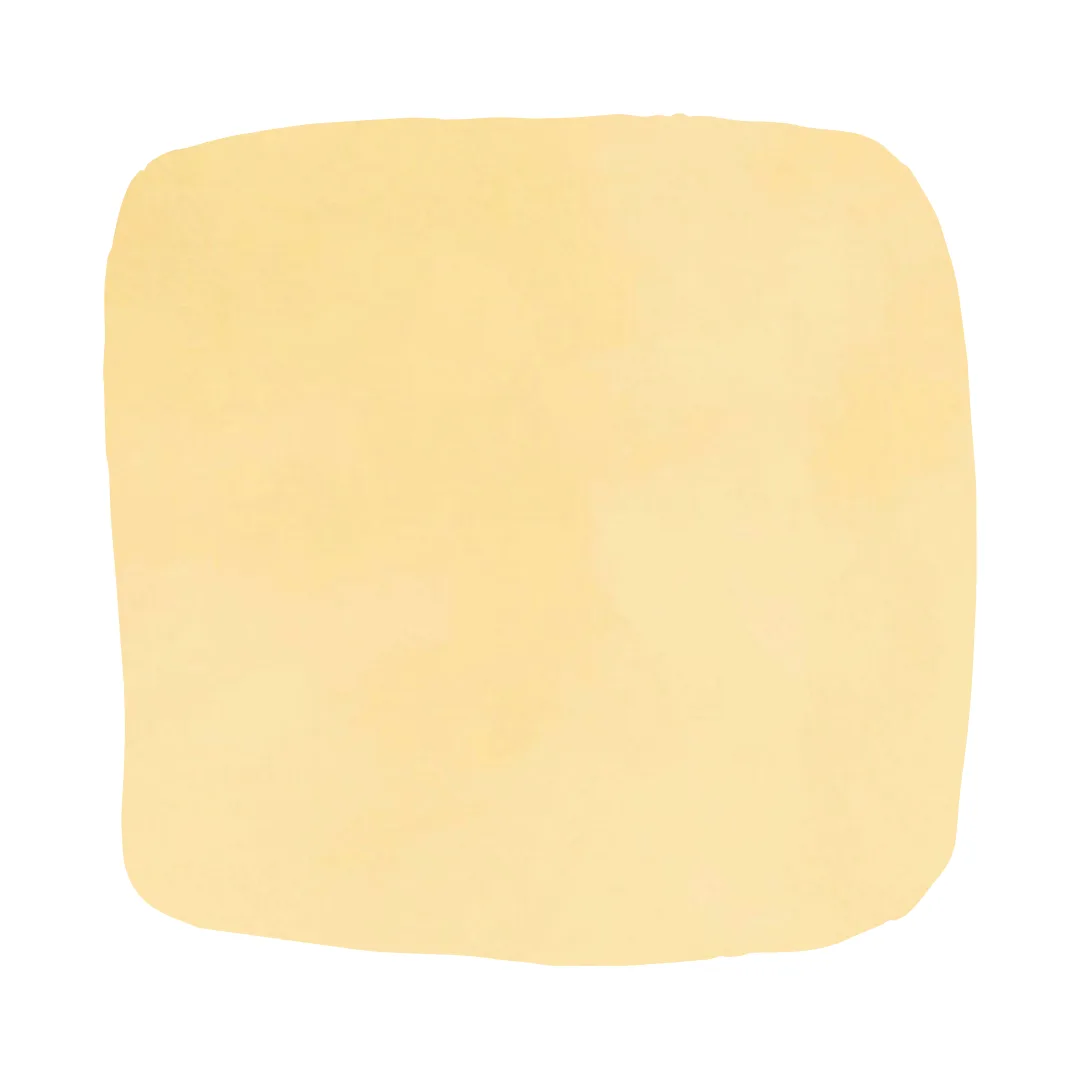
Buttercup Yellow by Sarah Sherman Samuel