Standing desks have become a staple in modern home offices, offering the flexibility to alternate between sitting and standing throughout the workday. But to truly benefit from a standing desk, you need a chair that can keep up—one that adjusts seamlessly to your preferred height and provides ergonomic support whether you're sitting or perching. An adjustable desk chair is not just a convenience; it's a key component of a healthy and productive workspace.
In this buying guide, we'll walk you through the essential features to look for when choosing an adjustable desk chair for a standing desk. From height range and seat cushioning to back support and mobility, we'll help you make an informed decision that keeps you comfortable and focused all day long.
Why You Need a Purpose-Built Adjustable Desk Chair
Standard office chairs often have a limited height range that makes them unsuitable for standing desks. When you raise your desk to standing height, a typical chair may not rise high enough to allow you to maintain proper posture. A dedicated adjustable desk chair, on the other hand, is designed to accommodate a wider range of heights, often from standard seating to counter-height perching. This versatility lets you transition smoothly between sitting and standing without compromising ergonomics.
Moreover, an adjustable chair for standing desks often features a foot ring or a wider base to support perching positions. This encourages micro-movements and reduces the strain of prolonged standing. By investing in a chair that matches your standing desk's adjustability, you create a dynamic workstation that adapts to your body's needs throughout the day.
- Look for a chair with a pneumatic gas lift that offers at least 6–8 inches of height adjustment.
- Consider a chair with a 360-degree swivel and smooth-rolling casters for easy movement around your desk.
Key Features to Look for in an Adjustable Desk Chair
When shopping for an adjustable desk chair, prioritize height range as the most critical factor. The chair should be able to rise high enough so that your thighs are parallel to the floor when your desk is at standing height. A good rule of thumb is to choose a chair with a seat height range that reaches at least 20 inches from the floor. Many standing desk chairs also include a footrest ring to support your feet when perched.
Seat cushioning is another important consideration. Since you may spend extended periods both sitting and perching, look for a chair with high-density foam or memory foam padding that provides comfort without sagging. Breathable mesh or fabric upholstery can also help regulate temperature. Additionally, consider the backrest: an adjustable lumbar support or a contoured backrest can help maintain the natural curve of your spine, reducing back pain during long work sessions.
- Test the seat depth and width to ensure it accommodates your body type comfortably.
- If you share your desk, look for a chair with easy-to-reach adjustment levers for quick changes.
Ergonomics and Posture Support
Ergonomics is at the heart of any good desk chair. For standing desk users, the ability to adjust the seat height, backrest angle, and sometimes even the seat tilt is essential. A chair that allows you to recline slightly can reduce pressure on your lower back when sitting, while a forward tilt option can help you maintain an active sitting posture when perching. Some chairs also come with adjustable armrests, which can be a game-changer for typing comfort.
When evaluating ergonomic features, pay attention to the chair's stability. A wide five-star base is standard, but for standing desk chairs that are used at higher heights, a heavier base or locking casters can prevent tipping. Also, check the weight capacity to ensure the chair can support you safely. Remember, a well-designed ergonomic chair should feel like an extension of your body, allowing you to focus on your work rather than on discomfort.
- Look for chairs with adjustable lumbar support to target your specific lower back curve.
- Consider a chair with a waterfall seat edge to reduce pressure on the back of your thighs.
Comparing Chair Types: Task Chairs, Stools, and More
Adjustable desk chairs for standing desks come in several styles. Traditional task chairs with a high back and armrests offer full support for both sitting and standing positions. Drafting stools, which often have a foot ring and a higher seat height, are popular for standing desk users who prefer to perch rather than sit. Some hybrid chairs combine features of both, with a contoured seat and a backrest that adjusts independently.
Your choice depends on how you work. If you tend to sit for long stretches, a task chair with ample cushioning and lumbar support is ideal. If you prefer to stand most of the time and only perch occasionally, a drafting stool with a foot ring may suffice. For maximum flexibility, consider a chair that offers both a high back and a foot ring, like the SONGMICS Adjustable Padded Piano Bench, which provides a comfortable padded seat and a sturdy frame that can be adjusted to various heights.
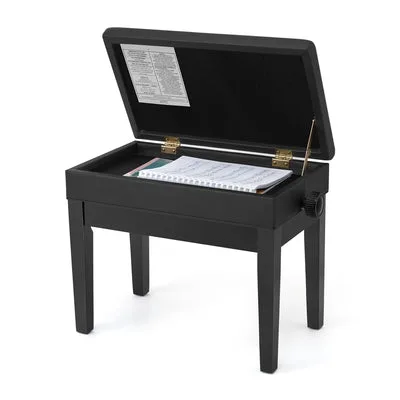
SONGMICS Adjustable Padded Piano Bench
- If you need extra stability, choose a chair with a weighted base or locking casters.
- For shared workspaces, a chair with a simple pneumatic lift mechanism is easier to adjust.
Material and Durability Considerations
The materials used in an adjustable desk chair affect both comfort and longevity. Mesh backs are breathable and supportive, making them a popular choice for warm climates or long hours. Fabric upholstery offers a softer feel and comes in a variety of colors, while leather or PU leather is easy to clean but can be less breathable. For the seat cushion, high-density foam retains its shape better than standard foam, and memory foam conforms to your body for personalized comfort.
Durability also hinges on the chair's frame and gas lift mechanism. Look for chairs with a steel or heavy-duty aluminum base, and check reviews for the reliability of the pneumatic cylinder. A chair that wobbles or loses height over time can be frustrating. Investing in a well-built chair from a reputable brand ensures that your adjustable desk chair will support your work routine for years to come.
- Choose a chair with a warranty of at least two years to protect against defects.
- If you have pets or kids, consider easy-to-clean fabrics like mesh or treated polyester.
Top Considerations for Your Home Office Setup
Integrating an adjustable desk chair into your home office involves more than just picking a chair. Measure your desk height and the range of adjustment you need. Ensure the chair's seat height range overlaps with your desk's height range when you want to sit or perch. Also, consider the floor surface: casters designed for hard floors may scratch hardwood, while those for carpet may not roll smoothly on tile.
Aesthetics also matter—choose a chair that complements your existing decor. Many adjustable chairs come in neutral colors like black, gray, or white that blend easily. For a cohesive look, you might pair your chair with a VASAGLE Steel frame computer desk for study or home office, which offers a sturdy work surface and a clean design. Remember, your chair is an investment in your health and productivity, so take the time to find one that fits both your body and your space.
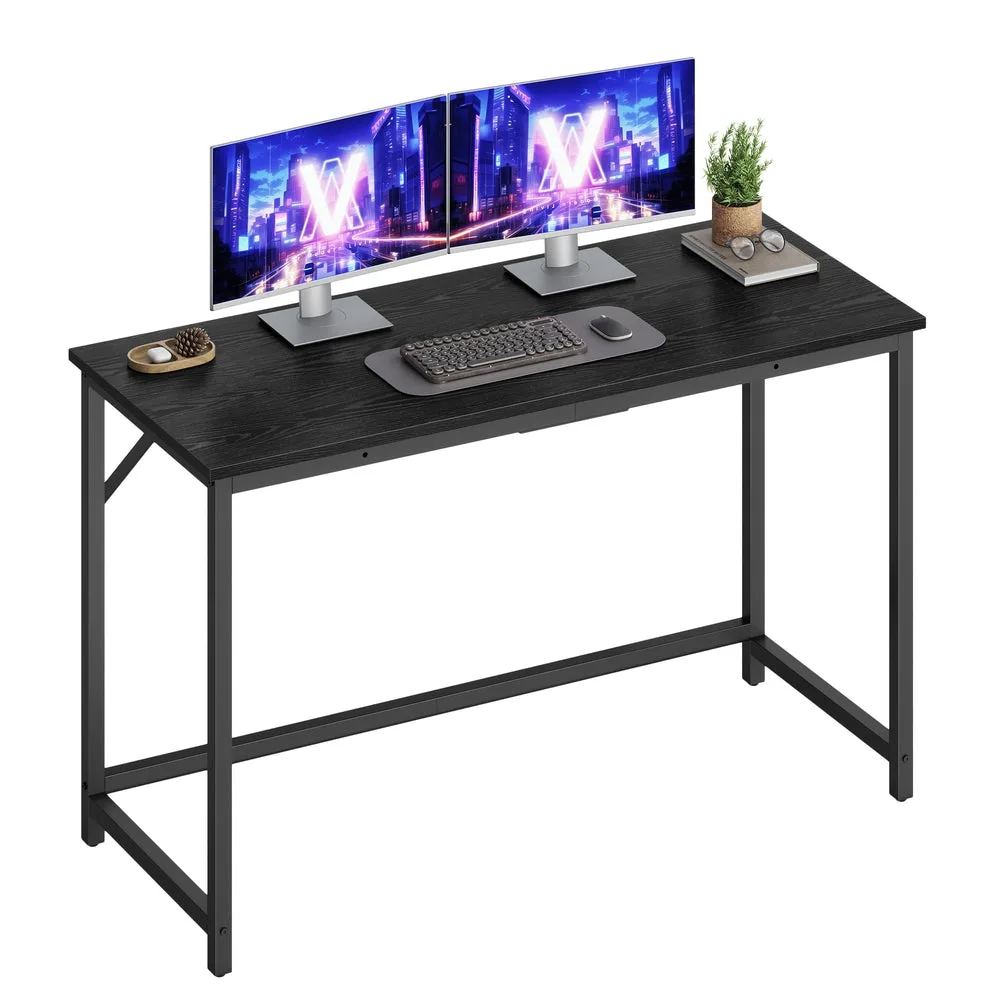
VASAGLE Steel frame computer desk for study or home office
- Keep your chair within arm's reach of your desk to encourage regular position changes.
- Use an anti-fatigue mat if you stand for long periods to reduce leg fatigue.
Choosing the right adjustable desk chair for your standing desk can transform your home office experience. By focusing on height range, ergonomics, cushioning, and durability, you'll find a chair that keeps you comfortable and productive. Explore our selection of adjustable chairs, including the SONGMICS Adjustable Padded Piano Bench, to find the perfect match for your workspace.