Quick Recommendation
For special occasions, choose cards made from heavyweight paper (at least 300 gsm), with a matte or silk finish, and a matching envelope. Look for printing methods like letterpress or foil stamping that add texture and durability.
Choosing the right greeting card can turn a simple note into a cherished keepsake. This guide walks you through the key factors that define a high‑quality card for birthdays, weddings, anniversaries, and more.
We'll break down paper weight, surface finish, printing techniques, and envelope considerations, giving you practical rules you can apply instantly.
Paper Weight and Texture
Paper weight is the most tangible indicator of quality. Cards that use 300 gsm or heavier stock feel sturdy and resist tearing, which is especially important for cards that will be handled multiple times. A thicker paper also holds ink better, reducing bleed‑through and preserving crisp text and images.
When you can, feel the card in your hand before buying. If the paper flexes easily or feels flimsy, it likely won't convey the premium impression you want for a special occasion.
- Aim for 300 gsm or higher for a premium feel
- Test for smoothness; a slight texture adds tactile interest
Finish and Surface Treatment
Finishes affect both appearance and durability. Matte finishes give a sophisticated, glare‑free look, while silk or soft‑touch coatings add a subtle sheen without being overly glossy. Foil stamping or embossing can introduce tactile elements that make the card stand out.
Consider the event: a wedding invitation often benefits from a silk finish with foil accents, whereas a birthday card might feel friendlier with a matte, hand‑drawn look.
- Matte – elegant, easy to write on
- Silk – subtle sheen, upscale vibe
- Foil/emboss – adds texture and visual pop
Printing Method and Color Accuracy
Letterpress, offset, and digital printing each have strengths. Letterpress creates a debossed impression that feels luxurious, while foil stamping adds metallic highlights. Offset delivers consistent color across large runs, and high‑resolution digital can handle intricate artwork without a high minimum order.
Check the sample for color fidelity; a card that looks dull in the catalog may print more vibrantly in real life.
- Letterpress – tactile, premium feel
- Foil stamping – metallic accent
- Offset – reliable color for larger batches
Envelope Quality and Matching Design
A high‑quality card deserves an envelope that protects it and complements its style. Look for envelopes made from the same weight paper or a slightly lighter but sturdy stock. Matching colors or subtle lining can elevate the presentation.
If sustainability matters, opt for recycled or FSC‑certified paper, which often still offers the necessary thickness and durability.
- Envelope weight should be at least 200 gsm
- Consider lining or matching color for a cohesive look
Decision Rules for Selecting Premium Greeting Cards
- Paper Weight: Select cards with at least 300 gsm paper to guarantee sturdiness and a luxurious feel. If the card feels thin, keep looking.
- Finish Type: Choose matte for a refined look, silk for subtle sheen, or add foil/emboss for texture. Match the finish to the occasion’s tone.
- Printing Method: Prefer letterpress or foil stamping for tactile luxury; offset for consistent color in larger batches. Check a sample for the desired visual depth.
Related Products that Illustrate Quality Choices
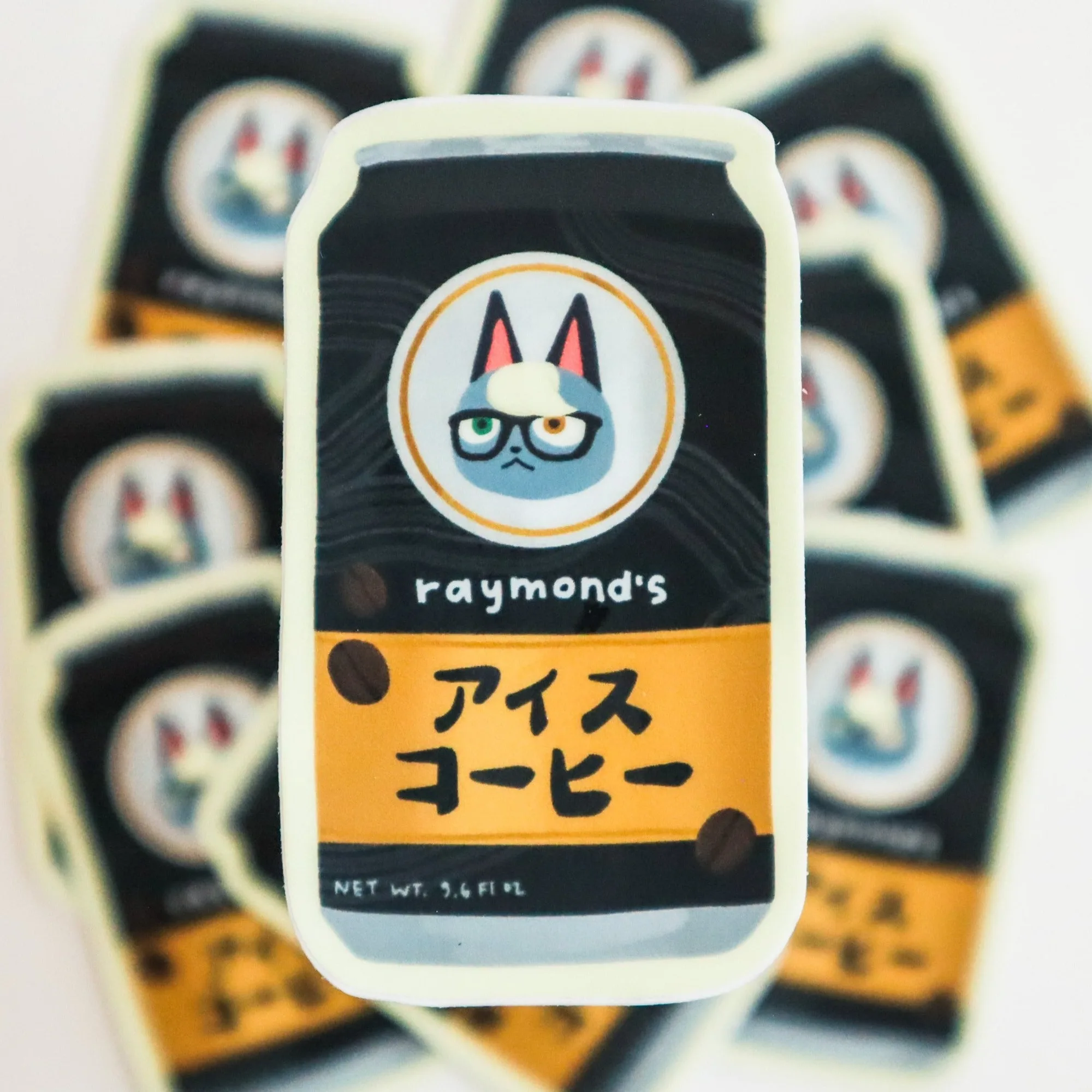
- Raymond from Animal Crossing Sticker: Perfect for decorating your planner, journal, water bottle and more! Size: 3" x 1.7". Material: High quality, matte, vinyl, waterproof sticker paper. Shows how a matte, waterproof vinyl finish can add a playful, durable accent to card packaging or thank‑you notes, enhancing the overall gifting experience.
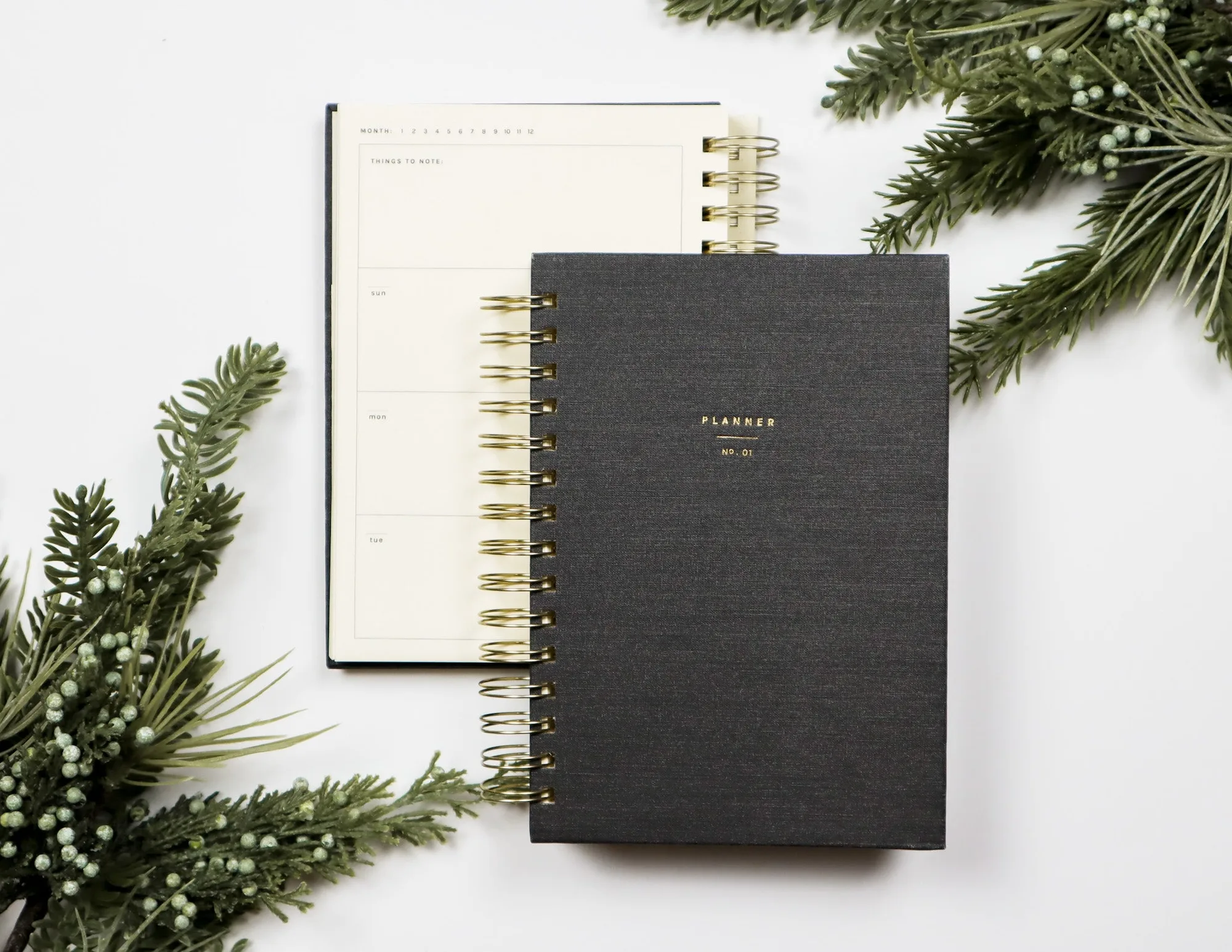
- Undated Weekly Planner in Charcoal: Perfect for keeping track of your year. Size: A5 (5-7/8 x 8-1/4 in). High-quality paper: We use 100 gsm paper to prevent bleeding. Demonstrates the impact of paper weight on durability; choosing cards with similarly thick, bleed‑proof paper ensures a premium, lasting impression.
Who Should Choose These Cards
Best for
- People who want a lasting, tactile impression
- Those sending cards for weddings, anniversaries, or milestone celebrations
Not ideal for
- Budget‑focused shoppers looking for bulk cheap cards
- Recipients who prefer digital greetings
By focusing on paper weight, finish, printing technique, and envelope quality, you can select greeting cards that feel personal, look stunning, and endure as keepsakes for any special occasion.