Peanut butter is a pantry staple in countless homes, beloved by kids and adults alike for its creamy texture, rich flavour, and versatility. From spreading on morning toast to blending into smoothies or stirring into savoury sauces, a good jar of peanut butter can elevate meals and snacks throughout the day. But with so many options on the shelf — smooth, crunchy, organic, protein-enriched — how do you know which one is truly the best peanut butter for your family?
This buying guide will walk you through the most important factors to consider, from ingredient quality and texture preferences to nutritional benefits and dietary needs. Whether you are shopping for a picky toddler, a health-conscious teenager, or simply want a more natural option for the whole household, we will help you make an informed choice. Along the way, we will highlight a few standout products from Meridian that deserve a spot in your cupboard.
Why Ingredient Quality Matters Most
When choosing a peanut butter for your family, the ingredient list should be your first stop. The healthiest options contain little more than peanuts — and perhaps a pinch of salt. Many commercial brands add hydrogenated oils, refined sugar, and preservatives to extend shelf life or improve spreadability, but these additives can turn a wholesome snack into a processed food. For families aiming to reduce added sugars and unhealthy fats, looking for a peanut butter with minimal, recognisable ingredients is key.
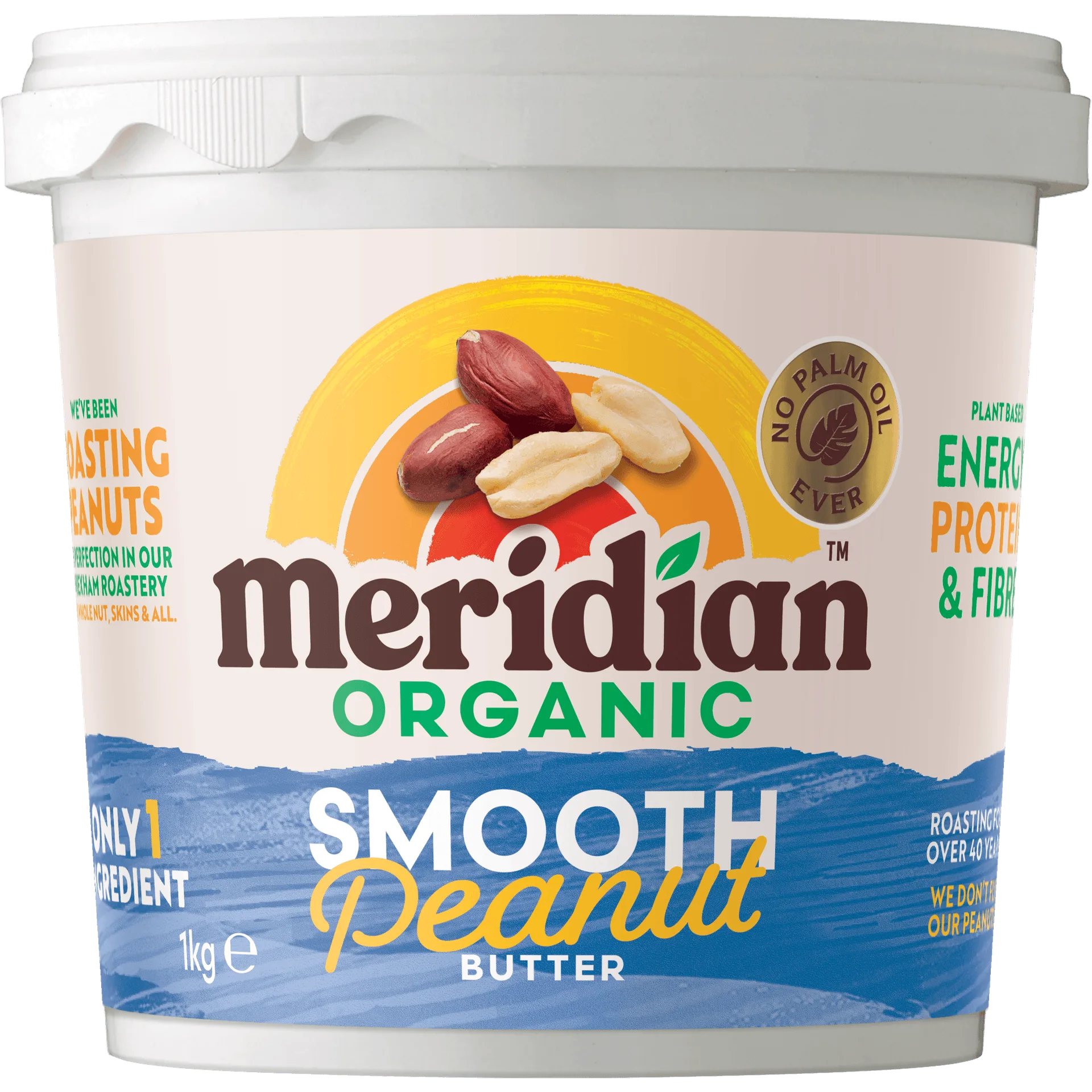
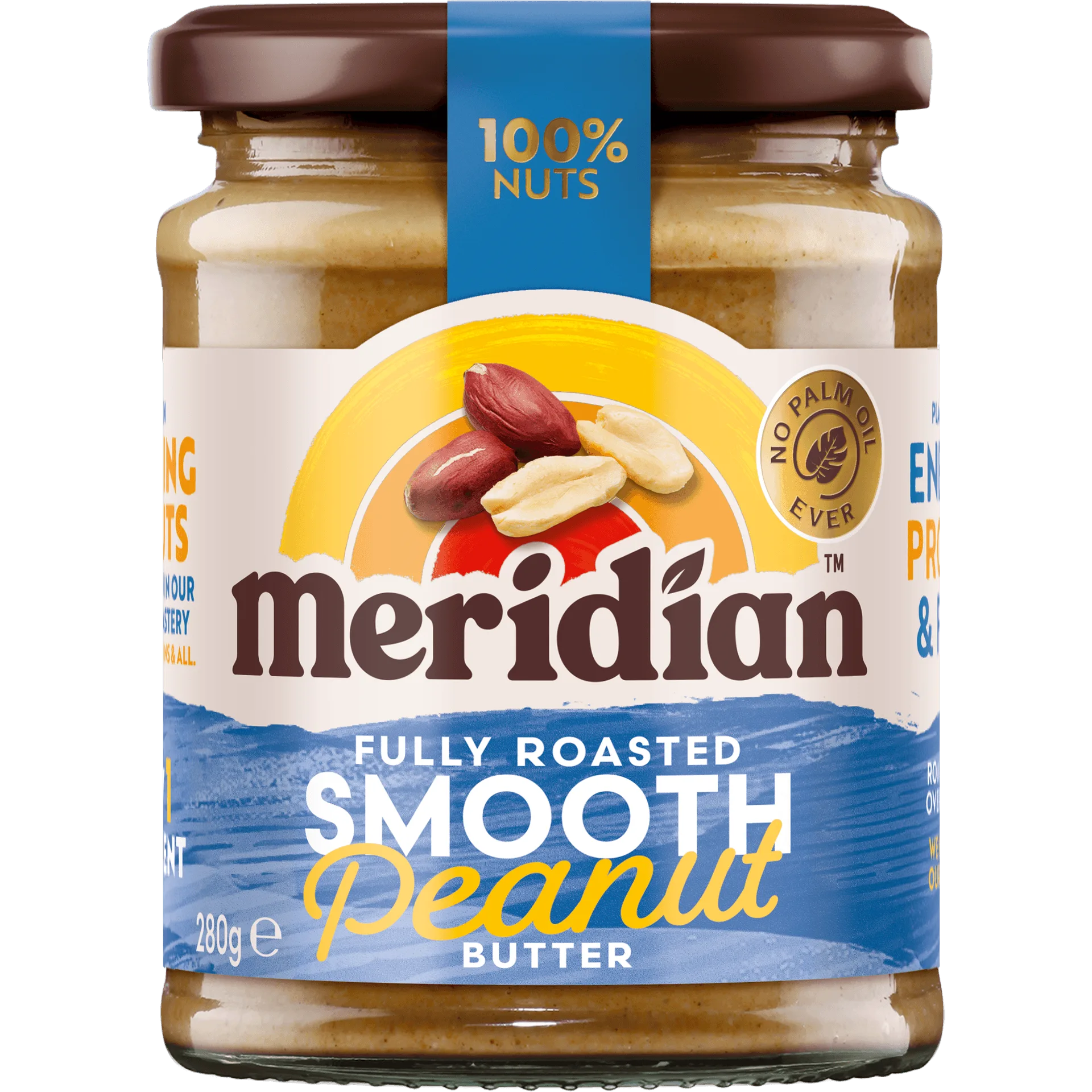
Meridian’s range of nut butters is built around simplicity. Take the Organic Crunchy Peanut Butter 1kg, for example. It contains only organic peanuts and a touch of sea salt, making it an excellent choice for those who want pure, unadulterated flavour. Similarly, the Organic Smooth Peanut Butter 280g offers the same clean profile in a smooth format, perfect for younger children who may prefer a silky texture. By choosing products with short ingredient lists, you avoid hidden additives and get closer to the natural goodness of the nut itself.
- Look for peanut butters with 2–3 ingredients: peanuts, salt, and possibly a natural oil like palm oil (though many prefer oil-free).
- Avoid hydrogenated or partially hydrogenated oils — these indicate trans fats.
- Check the sugar content: ideally less than 1g per serving, unless you are buying a flavoured variety.
Crunchy vs Smooth: Which Texture Wins for Your Family?
One of the most common debates in any household is whether to go crunchy or smooth. The answer often depends on who is eating it and how it will be used. Smooth peanut butter spreads effortlessly on bread, blends seamlessly into smoothies, and works well in baking. It is also the preferred choice for very young children, as there is no risk of choking on nut pieces. Crunchy peanut butter, on the other hand, adds a satisfying texture and is wonderful for topping oatmeal, rice cakes, or apple slices.
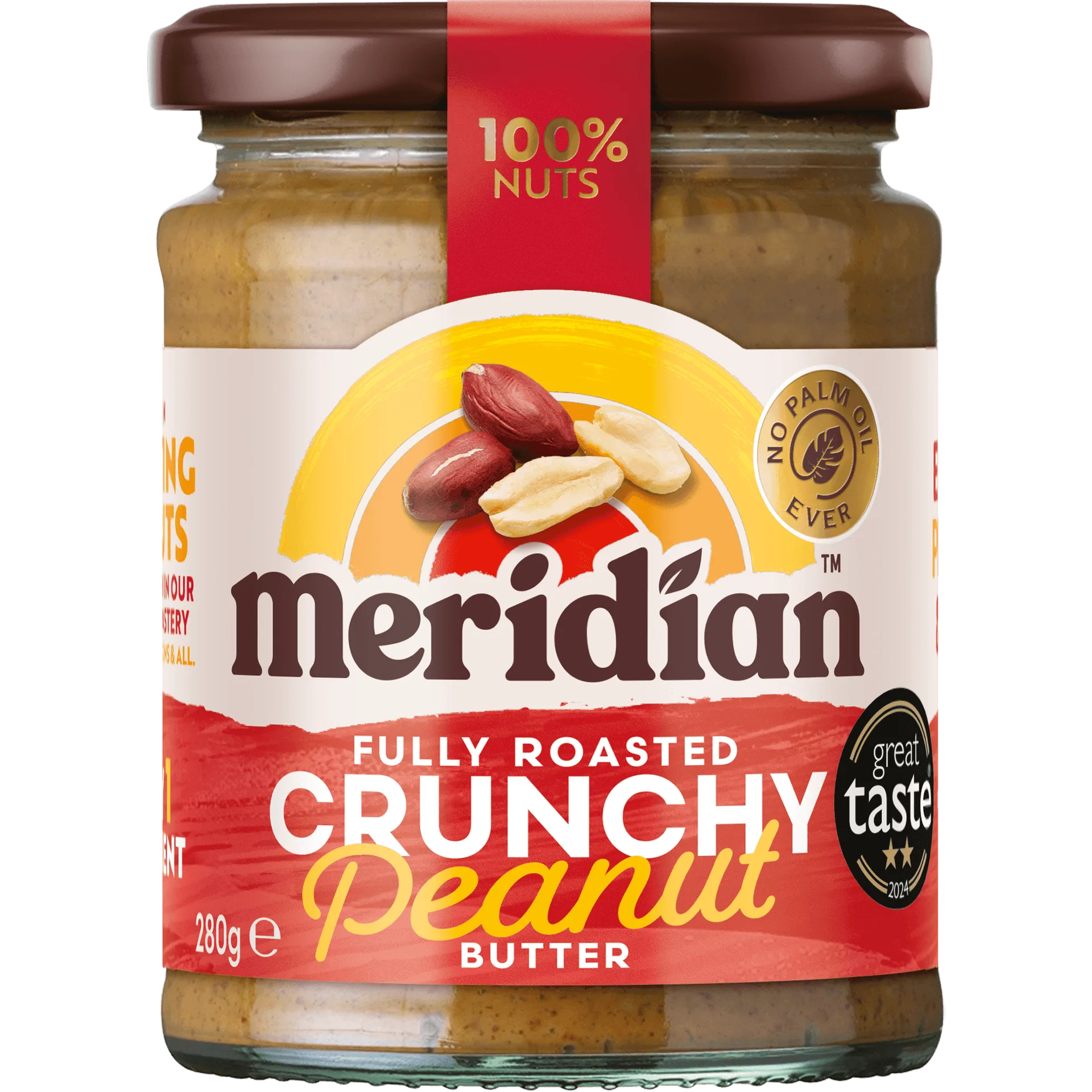
If your family has mixed preferences, you might consider keeping both varieties on hand. For a classic crunchy option, the Crunchy Peanut Butter & Halen Mon Anglesey Sea Salt 280g delivers a delightful crunch paired with the renowned quality of Halen Mon sea salt, which enhances the peanut flavour without overwhelming it. For a smooth, protein-packed option, the Smooth Protein Peanut Butter 700g is an excellent choice — it combines the creamy texture kids love with an extra protein boost, making it ideal for post-school snacks or pre-workout fuel for active family members.
- Smooth: best for spreading, baking, smoothies, and young children.
- Crunchy: great for texture lovers, topping, and savoury dishes.
- Consider buying one of each to satisfy everyone in the house.
Organic vs Conventional: What’s the Difference?
For many families, choosing organic peanut butter is a priority, especially when feeding children. Organic peanuts are grown without synthetic pesticides or fertilisers, which may reduce exposure to potentially harmful chemicals. Additionally, organic farming practices often support better soil health and biodiversity. While organic peanut butter typically costs a little more, the peace of mind and environmental benefits can make it a worthwhile investment.
Meridian offers several organic options that make the switch easy. The Organic Crunchy Peanut Butter 1kg is a fantastic bulk buy for families who go through peanut butter quickly, while the Organic Smooth Peanut Butter 280g is perfect for those who prefer a smaller jar or want to try organic for the first time. Both are certified organic and contain no artificial ingredients, so you can feel confident serving them to your family. If you are looking for a non-organic but still high-quality option, Meridian’s standard range also uses carefully sourced nuts and minimal processing.
- Organic certification ensures no synthetic pesticides or GMOs.
- Bulk sizes like 1kg jars offer better value for frequent users.
- Even non-organic Meridian butters are made with simple, clean ingredients.
Nutritional Considerations: Protein, Fats, and More
Peanut butter is naturally rich in protein, healthy fats, and essential vitamins like vitamin E and B3. For families with active lifestyles or growing children, the protein content can be a real asset. A standard two-tablespoon serving provides around 7–8 grams of protein, making it a satisfying addition to breakfast or snacks. However, not all peanut butters are created equal when it comes to nutritional value. Added sugars, oils, and salt can quickly turn a healthy spread into a less desirable option.
When comparing products, look at the nutrition label for protein per serving, total fat (mostly unsaturated is good), and sodium levels. Meridian’s Smooth Protein Peanut Butter 700g is specifically designed for those who want an extra protein punch, with added pea protein to boost the count without compromising taste. For a more traditional option, the Organic Crunchy Peanut Butter 1kg offers a solid nutritional profile with no added sugar. Pairing peanut butter with whole-grain bread or fruit creates a balanced snack that provides lasting energy.
- Aim for at least 7g of protein per serving.
- Choose options with less than 5mg of sodium per serving if watching salt intake.
- Unsaturated fats are heart-healthy — avoid products with added trans fats.
How to Store Peanut Butter for Maximum Freshness
Proper storage can extend the life of your peanut butter and maintain its flavour. Natural peanut butters, which lack stabilisers, often separate into oil and solids. This is perfectly normal — simply stir the oil back in before each use. To slow separation, store the jar upside down in the pantry, or refrigerate it after opening. Refrigeration keeps the texture firm and prevents oil from rising to the top, though it can make spreading a bit harder. For families who go through a jar quickly, room temperature storage is fine.
If you buy in bulk, like the 1kg jars, consider portioning some into smaller containers to reduce air exposure each time you open the main jar. Always use a clean, dry knife to avoid introducing moisture or crumbs, which can lead to mould. With proper care, an opened jar of natural peanut butter can last several months in the fridge. For unopened jars, check the best-before date — Meridian products are typically good for a year or more when stored in a cool, dry place.
- Stir natural peanut butter thoroughly before first use.
- Refrigerate after opening to extend shelf life and reduce oil separation.
- Use clean utensils every time to prevent contamination.
Choosing the best peanut butter for your family comes down to understanding your household’s preferences for texture, ingredients, and nutritional needs. Whether you opt for the pure simplicity of an organic variety or the extra protein boost of a specialised blend, Meridian offers a range of high-quality options that cater to every taste. Start your family’s journey toward healthier, more delicious spreads by exploring the Organic Crunchy Peanut Butter 1kg — a versatile, family-friendly choice that delivers on both flavour and nutrition.