Quick Answer
For thick branches up to 1.77 inches, choose the Radius 37" Ratcheting Bypass Lopper; for smaller, precise cuts up to 0.59 inches, the 7" Anvil Pruner is the better fit.
Cutting Capacity and Reach
The main difference between a lopper and a pruner is size and reach. The 37" Ratcheting Bypass Lopper handles branches up to 1.77 inches in diameter, while the 7" Anvil Pruner cuts up to 0.59 inches. That's a threefold difference in cutting capacity, making the lopper the clear choice for thicker material.
Reach matters too. The lopper's 37-inch length lets you access higher or deeper branches without a ladder, while the pruner's compact size is ideal for close-up work and tight spaces.
Cutting Mechanism: Bypass vs Anvil
A bypass lopper uses a sharp blade that passes by a thicker hook, creating a clean cut like scissors. This is ideal for living wood because it reduces damage to the branch. The anvil pruner uses a blade that presses against a flat surface, crushing the stem. This works well for dead wood but can bruise live growth.
If you're pruning live branches, the bypass design is generally safer for plant health. For dead or dry branches, the anvil's crushing action can be more efficient.
Comfort and Control
Both tools feature Over-Molded Poly Grip handles for a secure hold. The lopper's aluminum handle keeps it lightweight despite its length, reducing fatigue during extended use. The pruner's classic hinge design offers straightforward, precise cuts with full control.
How to Choose: Lopper vs Pruner
- Branch thickness: Measure the branch diameter. If it's between 0.59 and 1.77 inches, use the 37" Ratcheting Bypass Lopper. For anything smaller, the 7" Anvil Pruner is sufficient. Always measure before you cut to avoid damaging the tool or the plant.
- Cut type: Use the bypass lopper for live, green branches to get a clean cut that heals faster. Use the anvil pruner for dead or dry wood where a little crushing doesn't matter. Match the tool to the branch condition for healthier plants.
- Reach and access: For branches overhead or deep in a shrub, the 37-inch lopper extends your reach. For precision work in tight spots, the pruner's compact size gives better control. Think about where the branch is before choosing which tool to carry.
Product Facts
-
37" Ratcheting Bypass Lopper w/ Telescoping Handles: Maximum cutting size of 1.77 inches with a lightweight aluminum handle and Over-Molded Poly Grip. This lopper can handle thick branches while minimizing arm fatigue during longer pruning sessions.
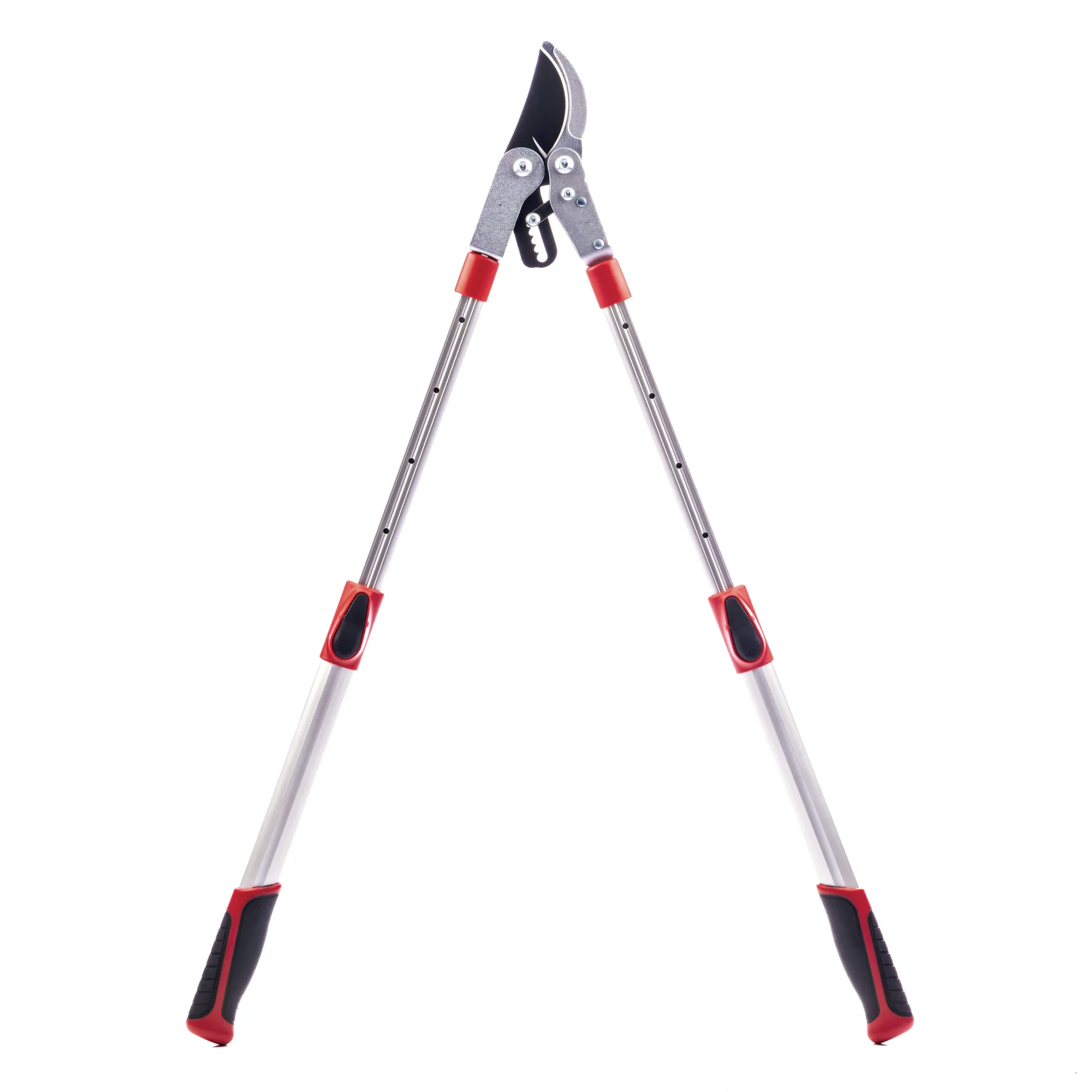
37" Ratcheting Bypass Lopper w/ Telescoping Handles
-
7" Anvil Pruner: Maximum cutting size of 0.59 inches with a classic hinge design and K5 Steel with Teflon finish. The compact size and precise hinge make it ideal for detailed cuts on smaller stems without crushing live tissue.
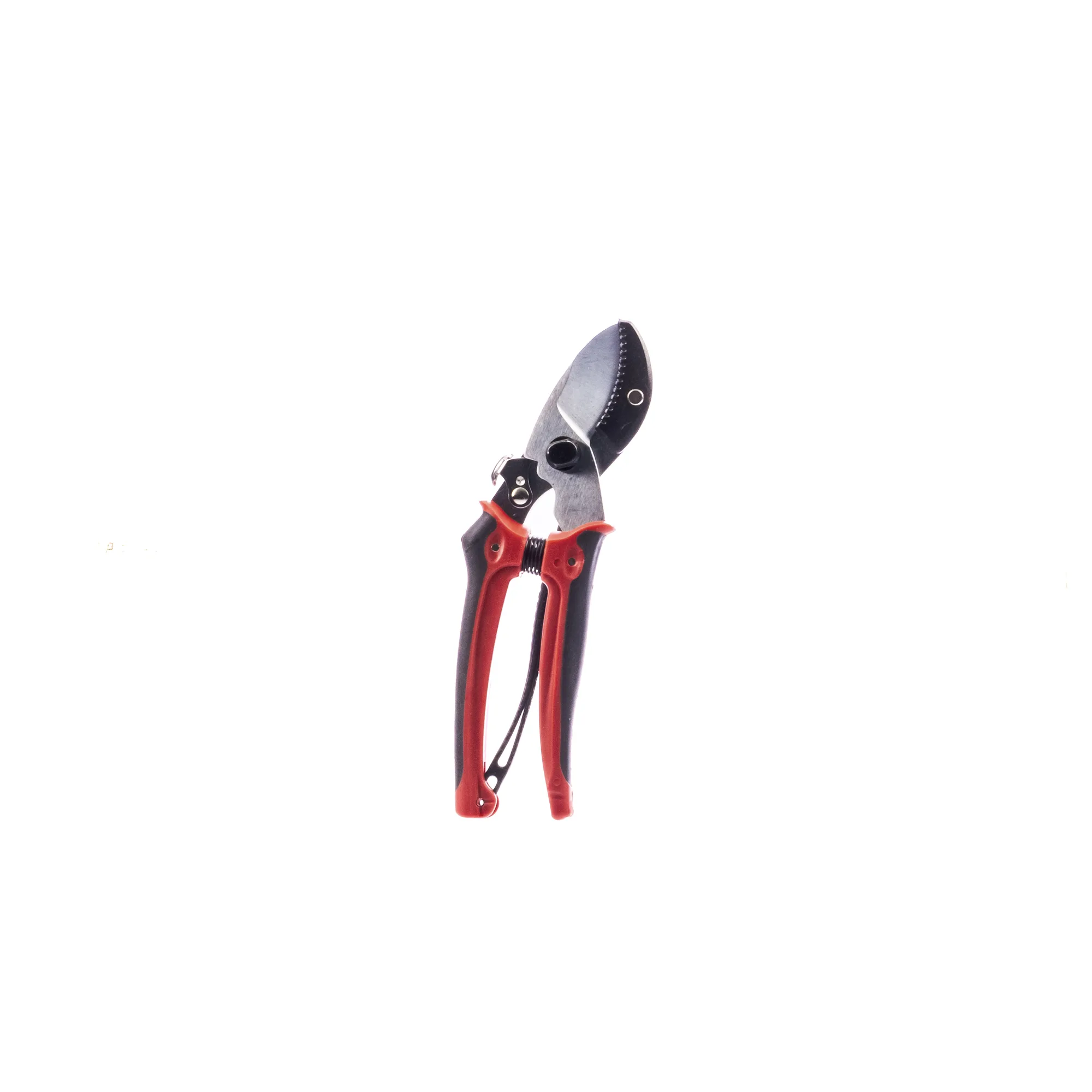
7" Anvil Pruner
Who Should Choose Which
Best for
- Gardeners tackling thick branches up to 1.77 inches who need extra reach
- Anyone pruning live branches and wanting a clean cut that promotes healing
Not for
- Precise, small cuts on delicate stems—the lopper is too bulky
- Dead wood thicker than 0.59 inches—the pruner lacks the capacity