For many tea lovers, understanding caffeine content is key to enjoying the perfect cup at the right time of day. Whether you're looking for a gentle morning boost or a calming evening sip, the caffeine levels in tea vary widely depending on the type, brewing method, and leaf quality. This guide breaks down everything you need to know about caffeine in tea, helping you make informed choices for your lifestyle.
From the energising properties of matcha to the soothing nature of herbal infusions, we'll explore the factors that influence tea caffeine levels and how they compare to coffee. By the end, you'll be equipped with practical tips to select the best tea for your caffeine needs, whether you're a seasoned enthusiast or a curious newcomer.
How Much Caffeine Is in Tea?
The caffeine content in tea can range from as low as 15 mg per cup in some herbal blends to over 70 mg in a strong matcha. On average, a standard 8-ounce cup of black tea contains about 40-70 mg of caffeine, while green tea offers roughly 20-45 mg. White tea is even lower, typically 15-30 mg, and oolong falls somewhere in between at 30-50 mg. Herbal teas, which are not made from the Camellia sinensis plant, are naturally caffeine-free unless blended with true tea leaves.
It's important to note that these numbers are estimates. Factors like steeping time, water temperature, and leaf particle size can significantly alter the caffeine extracted into your cup. For example, a longer steep or hotter water will draw out more caffeine, while a shorter steep yields a milder brew. This is why two cups of the same tea type can have very different caffeine levels.
- Black tea: 40-70 mg per cup
- Green tea: 20-45 mg per cup
- White tea: 15-30 mg per cup
- Oolong tea: 30-50 mg per cup
- Herbal tea: 0 mg (caffeine-free)
Tea vs Coffee: Which Has More Caffeine?
A common misconception is that coffee always contains more caffeine than tea. While a typical cup of brewed coffee contains about 95 mg of caffeine, some teas can rival or even exceed that amount. For instance, a concentrated matcha latte made with two teaspoons of powder can deliver 70-80 mg of caffeine, approaching the level of a light coffee. However, because tea leaves contain the amino acid L-theanine, which promotes calm alertness, the caffeine hit from tea is often smoother and less jittery than coffee's abrupt spike.
Another key difference is serving size. Coffee is usually consumed in larger volumes, while tea is often sipped in smaller cups. Additionally, the caffeine in tea is released more gradually due to the presence of catechins and other compounds. This makes tea an excellent choice for sustained focus without the crash. For those seeking a gentle alternative to coffee, blends like Irish Cream Tea offer a comforting, lower-caffeine option that still delivers a touch of warmth and flavour.
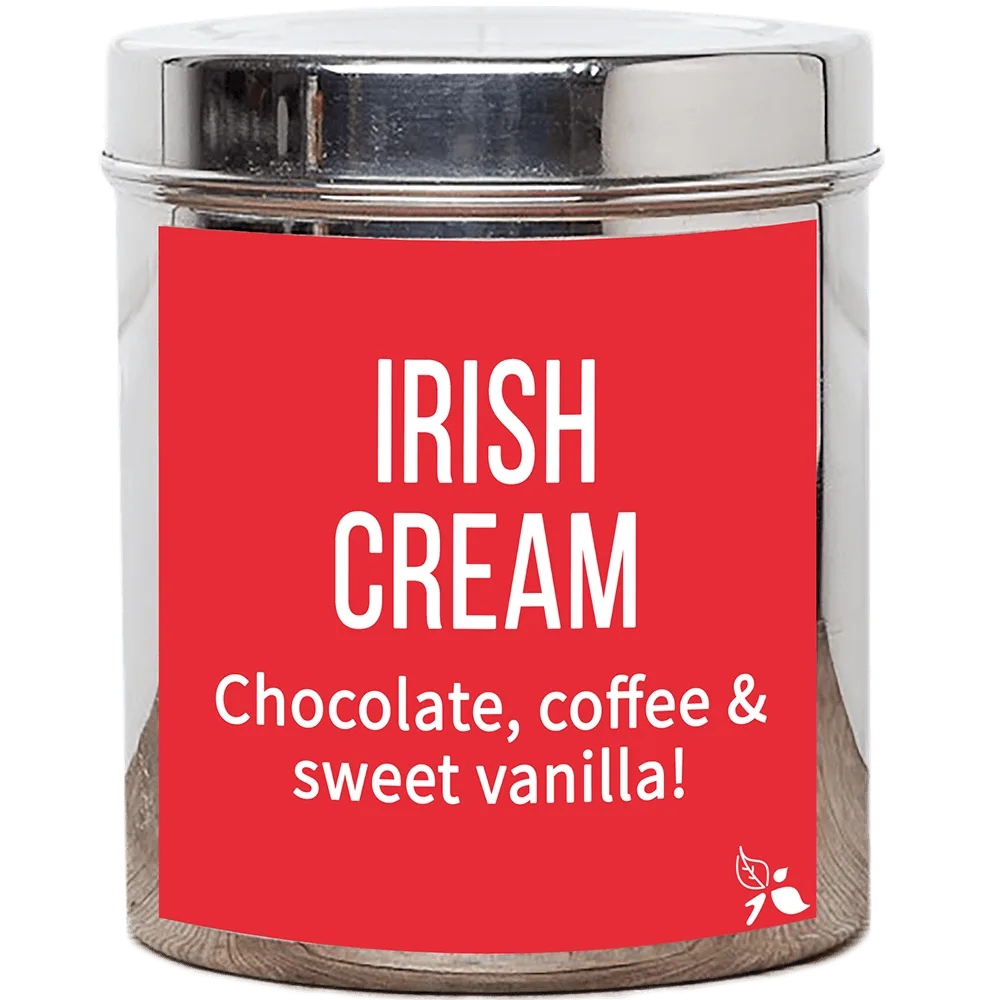
Irish Cream Tea
- Coffee: ~95 mg per 8 oz cup
- Matcha: up to 80 mg per serving (depending on powder amount)
- Black tea: 40-70 mg per cup
- L-theanine in tea reduces jitters and promotes calm focus
Low Caffeine and Caffeine-Free Tea Options
If you're sensitive to caffeine or looking for an evening wind-down, there are plenty of delicious low caffeine or caffeine-free teas. Herbal infusions like chamomile, peppermint, and rooibos are naturally free of caffeine, making them perfect for bedtime. For a subtle lift without overstimulation, white tea or a light green tea can provide a gentle energy boost. Our Spa Day Tea is a wonderful caffeine-free blend that combines floral and herbal notes for a relaxing experience any time of day.

Spa Day Tea
Another excellent choice for those watching their caffeine intake is to explore fruit and dessert-inspired blends. These often use rooibos or honeybush as a base, which are naturally caffeine-free. For example, Cherry Coconut Bliss Tea offers a tropical, sweet treat without any caffeine, making it ideal for an afternoon pick-me-up that won't keep you awake at night. Always check the label or product description to confirm caffeine content, as some flavoured teas may include green or black tea leaves.
- Herbal teas (chamomile, peppermint, rooibos) are naturally caffeine-free
- White tea offers the lowest caffeine among true teas
- Fruit and dessert blends often use caffeine-free bases like rooibos
High Caffeine Teas for an Energising Boost
For those mornings when you need a strong start, certain teas pack a higher caffeine punch. Matcha, being a powdered green tea, provides a concentrated dose because you consume the entire leaf. A single serving of our Perfectly Pink Matcha Blend delivers vibrant energy along with antioxidants and a beautiful colour. Similarly, Yule Log Matcha combines the festive flavours of chocolate and spices with the energising properties of matcha, perfect for a cozy but productive day.
Black teas from regions like Assam or Ceylon are also naturally higher in caffeine due to the oxidation process. Blends like Irish Cream Tea marry robust black tea with creamy, indulgent notes, giving you both flavour and a solid caffeine lift. If you're a fan of chai, traditional masala chai made with black tea and spices can also provide a substantial energy boost, especially when brewed strong with milk. Just remember that brewing time and leaf quantity are your levers for customising caffeine levels.
- Matcha: highest caffeine among teas (up to 80 mg per serving)
- Black tea from Assam or Ceylon: 50-70 mg per cup
- Chai and spiced blends: caffeine varies based on base tea
Brewing Tips to Control Caffeine in Your Cup
You have more control over caffeine content than you might think. The simplest way to reduce caffeine is to shorten your steeping time. For green and white teas, 1-2 minutes yields a lower caffeine brew, while black teas can be steeped for 2-3 minutes for a milder result. Using cooler water (around 175°F for green tea) also extracts less caffeine than boiling water. Conversely, if you want a stronger kick, increase the steep time or use more leaves.
Another trick is to discard the first steep. The first 30 seconds of steeping can release up to 50% of the caffeine, so pouring off that initial infusion and re-steeping the leaves gives you a cup with significantly less caffeine. This method works well with high-quality loose leaf teas that can be infused multiple times. For a consistent and convenient experience, consider using a Loose Leaf Tea Kit Tea Tools, which includes a strainer and infuser to help you measure and brew with precision.
- Short steep times (1-2 min) reduce caffeine extraction
- Cooler water temperature lowers caffeine release
- Discard the first steep for a lower-caffeine second infusion
Understanding caffeine in tea empowers you to choose the perfect brew for any moment, whether you need a gentle lift or a caffeine-free comfort. By experimenting with tea types, brewing methods, and blends, you can tailor your cup to your exact needs. Explore our range of teas to find your ideal match, from energising matcha to soothing herbal infusions, and enjoy the journey of discovering your new favourite sip.