Quick answer
Start by naming the job you want the tea to do, then choose the smallest format that lets you test the blend before committing to a large one. If you are new to herbal tea, a sample sachet is the lowest-risk way to check flavor and routine fit; if you already know you will drink it daily, a full-size option usually makes more sense. Confirm the caffeine status and the botanical list on the label, because those two details decide whether a blend actually suits your goal.
Match the blend to the job, not the mood
Herbal tea labels often describe a feeling, but your purchase decision should rest on the botanicals inside. A blend built around adaptogenic herbs such as tulsi, brahmi, and ashwagandha is aimed at stress support and mental clarity. A blend built around green tea, white tea, rooibos, and kudzu root is aimed at antioxidant support and healthy aging. Those are different jobs, and choosing between them is the first real decision in this buying guide.
Write down one sentence before you shop: what do you want this cup to do? If the answer is 'wind down in the evening', look for caffeine-free botanicals rather than a tea that merely tastes light. If the answer is 'support my skin and overall vitality', an antioxidant-focused blend is the closer match. Vague goals produce vague purchases, and a tin you never finish.
Sample sachet or full size: the trade-off you actually pay for
Sample sachets exist to reduce the cost of being wrong. You get enough to test flavor, strength, and how the tea fits your day without committing to a large quantity. The trade-off is unit value: per gram, a sample costs more than a full-size purchase, and if you already know you like the blend, the sample is simply an extra step.
Full-size options reward certainty. They are the better buy once you have confirmed the blend works for you, and they suit households where more than one person drinks the same tea. The honest rule is simple: buy the sample when the blend is new to you, and buy the full size when you are replacing something you already drink regularly.
Caffeine status and label reading
Caffeine-free is a claim about the blend, not about the word 'herbal' on the front of the box. Some botanical blends include green tea or white tea, which naturally contain caffeine, so a tea can be herbal and still not be caffeine-free. Read the ingredient list rather than the marketing line, and treat 'decaf' and 'caffeine-free' as different terms: decaf usually means a caffeine-containing leaf has been processed to reduce caffeine, while caffeine-free blends simply do not include those leaves.
Check three things on any label: the botanical list, the format (sachet or loose), and the stated weight for full-size options. If a specification you care about is not listed, treat that as a limitation of the listing and ask before buying rather than assuming. A short question to the seller is cheaper than a large tin you cannot use.
How to test a new blend in the first week
Give a new blend three or four sessions before you judge it. Brew it the same way each time, at the same strength, so you are comparing the tea rather than your mood or your steeping. Note whether you want a second cup, whether it sits well in the evening, and whether the flavor still appeals on day four. Those three signals predict whether a full-size purchase will actually get used.
If you drink tea at a specific time of day, test it at that time. An evening blend that keeps you awake, or a morning blend you never reach for, will fail regardless of how good it tastes once. Routine fit is the most underrated part of choosing herbal tea.
Decision rules for your first caffeine-free herbal tea
- If you are new to herbal tea: Buy a sample sachet first, even though the per-gram cost is higher, because the real risk is a large tin you never finish. Upgrade to full size only after you have finished the sample and wanted more.
- If you need caffeine-free for sleep or sensitivity: Read the botanical list and rule out blends containing green tea, white tea, or other caffeine-containing leaves, regardless of the front-of-pack wording. No ingredient list, no purchase.
- If you have a specific wellness goal: Choose the blend whose botanicals match that goal rather than the one with the most appealing name, and expect to test it for a week before judging. One goal per tin keeps your shelf honest.
- If you already drink the blend daily: Switch to the full-size option, which is the better value once flavor and routine fit are confirmed. Re-buy the format you have already proven.
What the Ayudra range offers
- Multipurpose Herbal Delight Tea Sample Sachet: The Multipurpose Herbal Delight Tea Sample Sachet is a versatile herbal blend in a sample format, positioned for everyday wellness and balance. This is the lowest-commitment way to test a daily-wellness blend before buying a larger size.
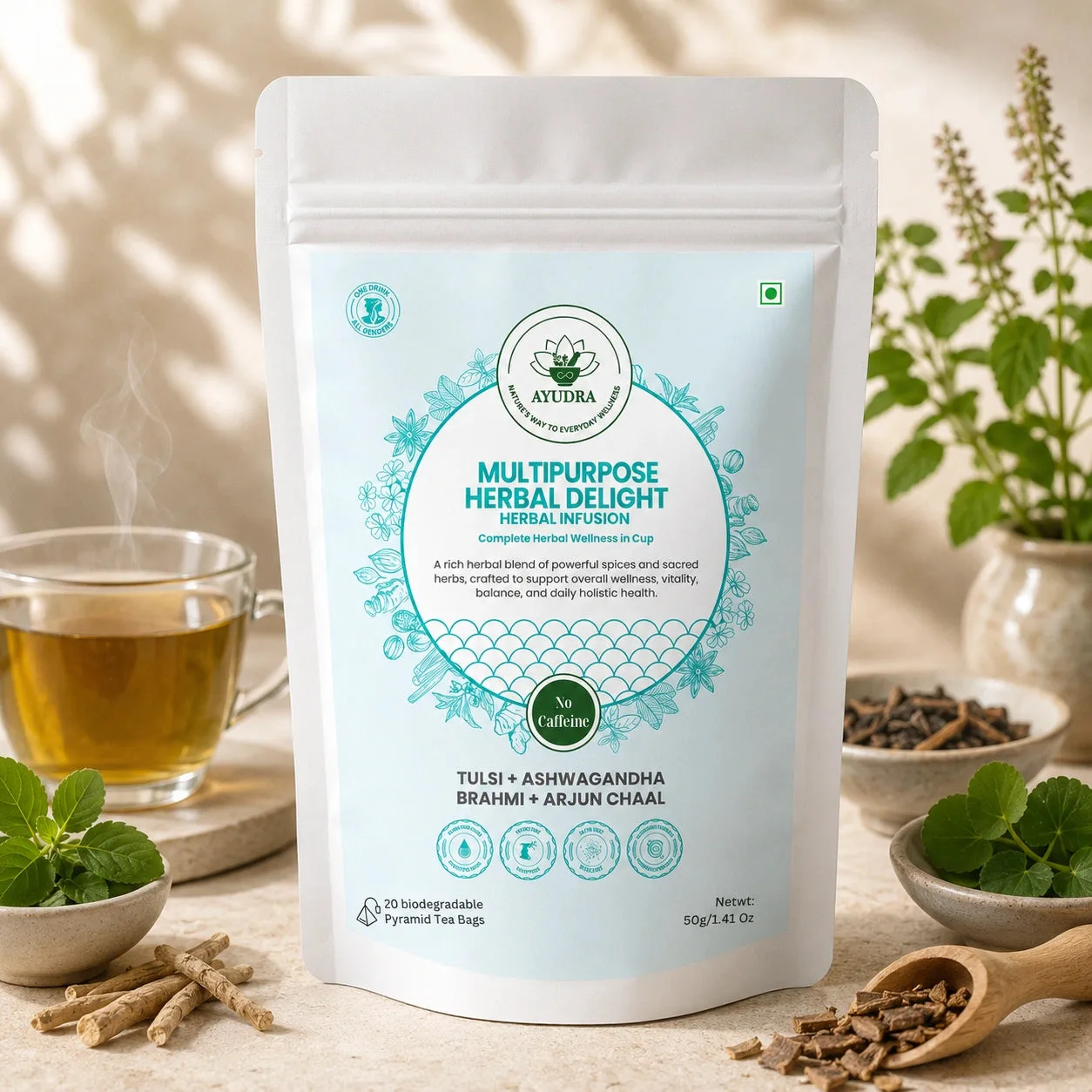
- Multipurpose Herbal Delight Tea: Multipurpose Herbal Delight Tea is an Ayurvedic infusion that combines adaptogenic herbs, heart-supporting botanicals, and warming spices, including tulsi, brahmi, ashwagandha, arjun chhaal, and amla. If your goal is stress support and daily balance rather than a single-ingredient tea, this is the fuller expression of the same blend family.
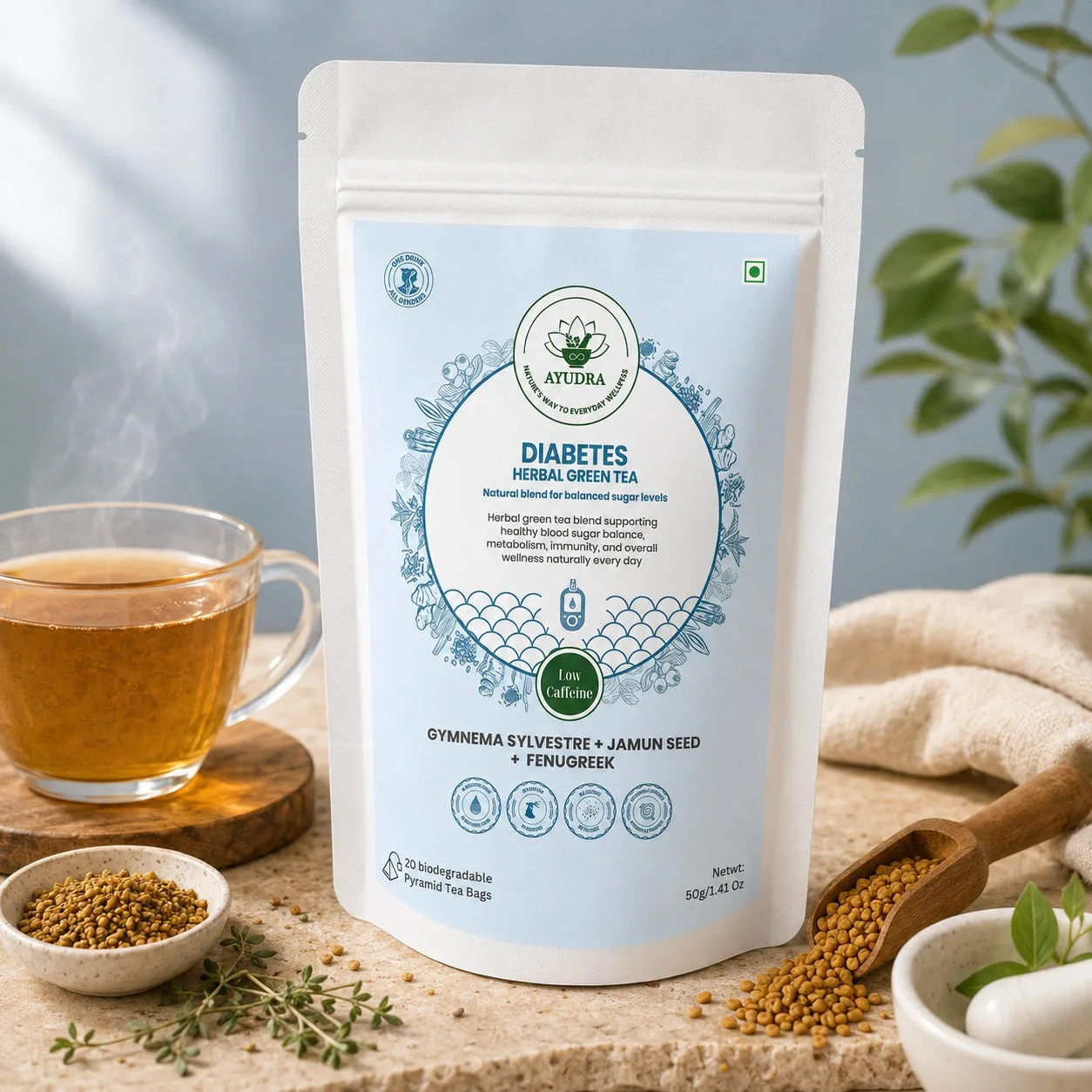
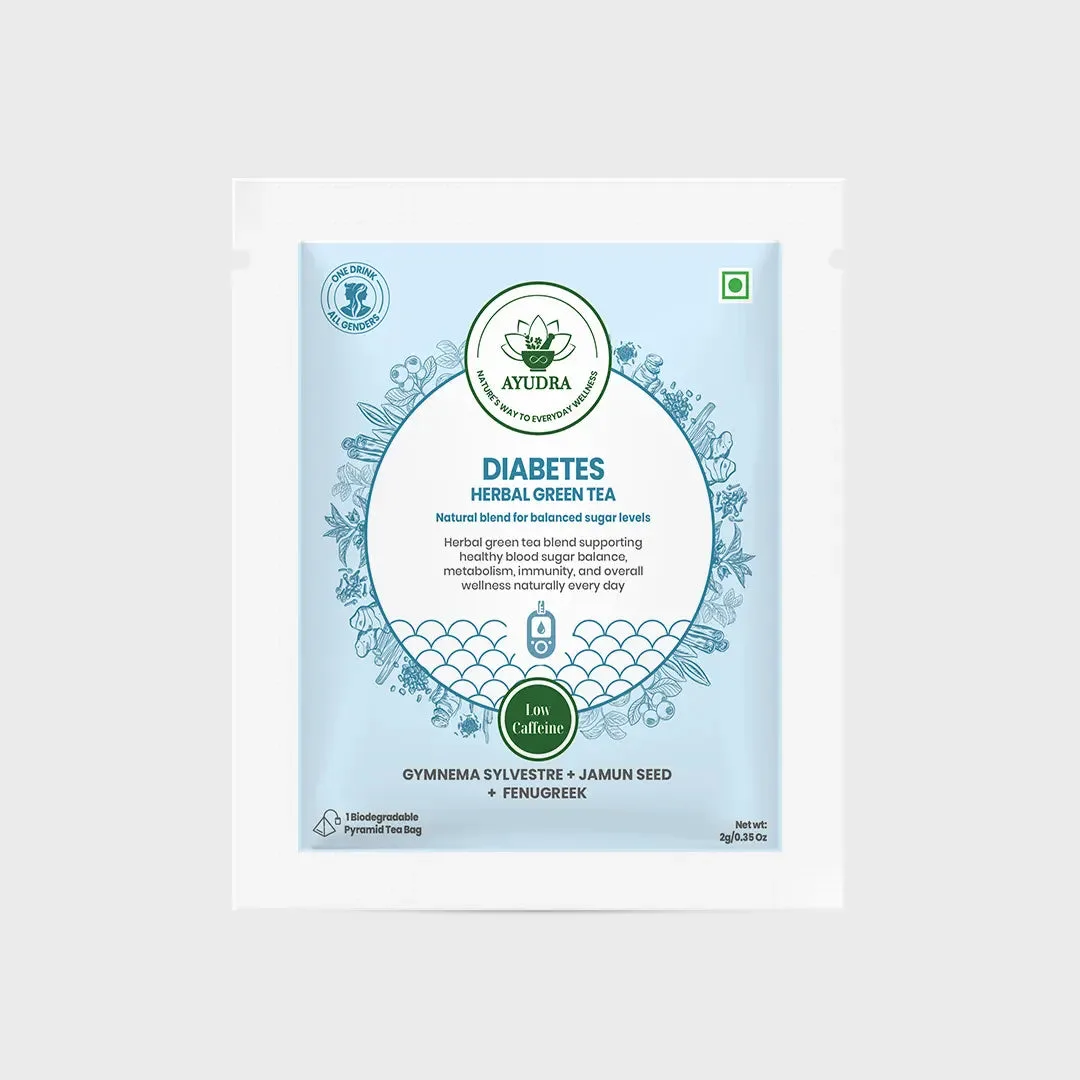
- Diabetes Tea Sample Sachet: The Diabetes Tea Sample Sachet is a trial format for a tea crafted with blood sugar balance in mind. It lets you check flavor and routine fit before committing, which matters most for a goal-specific blend.
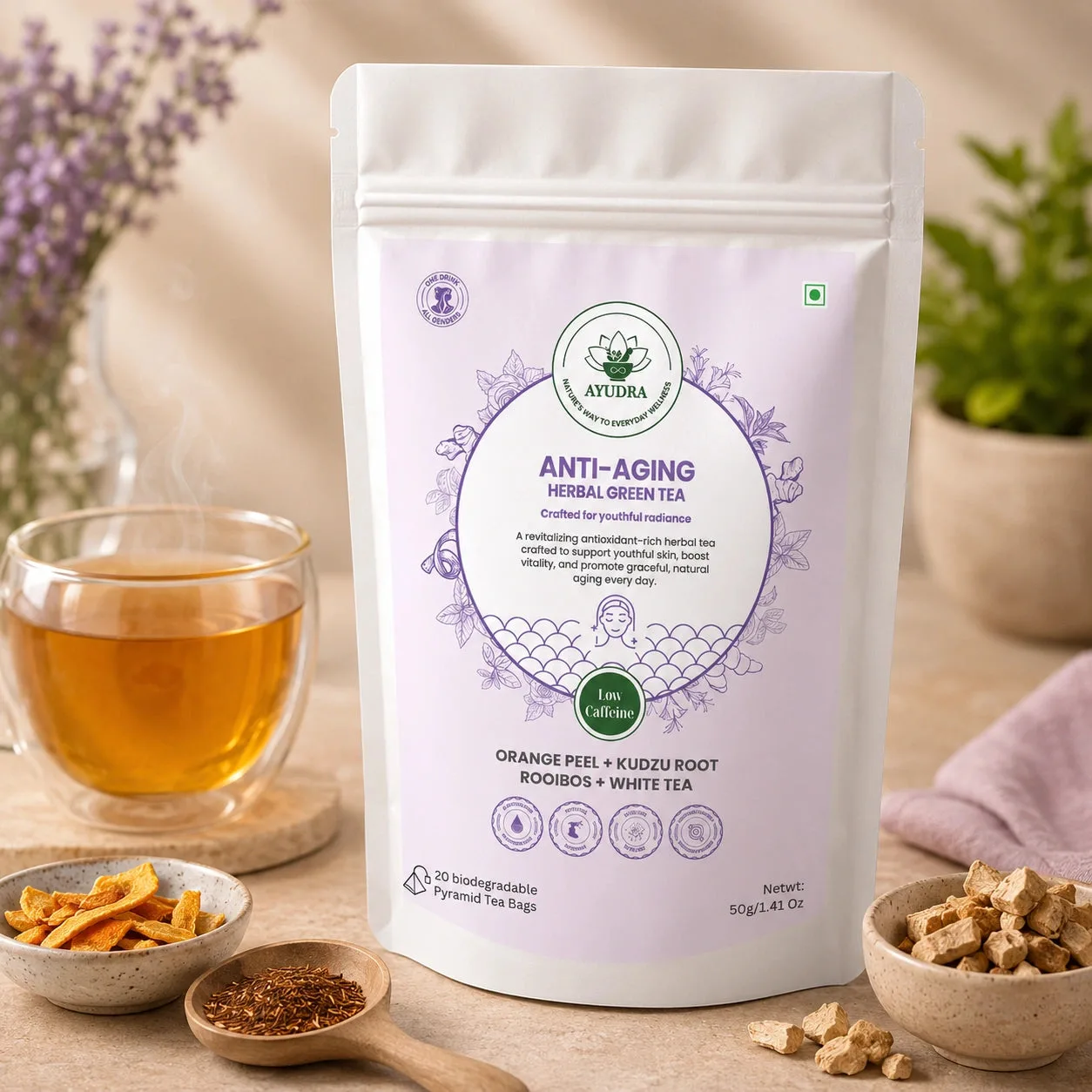
- Anti-Aging Tea: Anti-Aging Tea is an antioxidant-rich blend of green tea and white tea with orange peel, rose petals, tulsi, kudzu root, rooibos, and ashwagandha, aimed at youthful skin, healthy aging, and vitality. Because it contains green tea and white tea, this is not a caffeine-free choice, so it only fits if caffeine is acceptable to you.
Who should buy which
Best for
- First-time herbal tea drinkers who want to test flavor and routine fit with a sample sachet
- Daily tea drinkers replacing a blend they already know they like with a full-size option
- People with a specific wellness goal who will match the botanical list to that goal
Not for
- Shoppers who need a caffeine-free tea and are considering blends that contain green tea or white tea
- Anyone looking for a per-gram bargain on a first purchase, since sample formats cost more per gram
- Buyers who want a single-ingredient tea rather than a multi-botanical blend