Quick Answer
Calcium and magnesium work together to support bone health, but they compete for absorption. A balanced ratio—often around 2:1 calcium to magnesium—helps you get the benefits of both without one blocking the other. If you're supplementing, choose a product that combines both minerals, like Natural Vitality CALM plus Calcium, to simplify dosing.
Calcium gets most of the spotlight when people think about strong bones, but magnesium plays an equally important role. Without enough magnesium, your body can't properly use the calcium you take in—it may even deposit calcium in soft tissues instead of bones. That's why understanding how to balance these two minerals matters for long-term bone health.
In this FAQ, we answer common questions about taking calcium and magnesium together, including the ideal ratio, timing, and which forms to look for. You'll also see how products like Natural Vitality CALM plus Calcium can make it easier to get both minerals in one serving.
Why Do Calcium and Magnesium Need to Be Balanced?
Calcium and magnesium have a push-pull relationship in the body. Calcium helps contract muscles and build bone, while magnesium helps relax muscles and regulates how calcium is used. If you take high doses of calcium without enough magnesium, you may end up with muscle tension, poor sleep, or even calcium buildup where you don't want it.
Magnesium also supports the activation of vitamin D, which is needed for calcium absorption. So without adequate magnesium, your calcium supplement may not work as well. That's why many nutrition experts recommend taking them together rather than loading up on one mineral alone.
- Magnesium helps direct calcium to bones instead of soft tissues.
- Calcium and magnesium compete for the same absorption pathways, so balance is key.
- Vitamin D needs magnesium to become active, and vitamin D helps you absorb calcium.
What Is the Ideal Calcium-to-Magnesium Ratio?
A common recommendation is a 2:1 ratio of calcium to magnesium—for example, 1000 mg of calcium and 500 mg of magnesium. However, some experts argue that a 1:1 ratio is more realistic because modern diets often provide more calcium than magnesium, and many people are magnesium deficient.
The right ratio for you depends on your diet, your health goals, and any medical conditions. If you're eating plenty of dairy or fortified foods, you may need less supplemental calcium and more magnesium. Always talk to a healthcare provider before starting a new supplement regimen, especially if you have kidney issues or take medications that affect mineral balance.
- A 2:1 calcium-to-magnesium ratio is a common starting point.
- Some experts prefer 1:1 because magnesium deficiency is widespread.
- Your personal ratio may differ based on your diet and health status.
Can You Take Calcium and Magnesium Supplements at the Same Time?
Yes, you can take them together, and many combination products do exactly that. However, because they compete for absorption, taking large doses of both at once may reduce how much of each you absorb. To maximize absorption, you can split your doses—take one in the morning and one at night—or choose a product with a balanced ratio.
If you're using a combination product like Natural Vitality CALM plus Calcium, the ratio is designed to be convenient, so you don't have to think about timing. Just mix and drink. If you take separate supplements, space them by a few hours to avoid competition.
- Combination products simplify dosing and reduce guesswork.
- Splitting doses can improve absorption if you take high amounts.
- Check with a healthcare provider if you take other medications.
How Does Magnesium Help Calcium Build Bone?
Magnesium helps convert vitamin D into its active form, which then promotes calcium absorption in the gut. It also stimulates calcitonin, a hormone that pulls calcium from the blood and soft tissues into the bones. Without magnesium, calcium can't be properly utilized for bone formation.
In addition, magnesium is a structural component of bone itself—about 60% of the body's magnesium is stored in the skeleton. So maintaining adequate magnesium levels isn't just about helping calcium work; it's also about providing the raw materials for bone tissue.
- Magnesium activates vitamin D, which boosts calcium absorption.
- Magnesium helps move calcium into bones.
- Bone tissue itself contains magnesium.
What Are the Signs of an Imbalance?
If you take too much calcium without enough magnesium, you might experience constipation, muscle cramps, or fatigue. Over time, excess calcium can contribute to kidney stones or arterial calcification. On the flip side, low magnesium can show up as muscle twitches, poor sleep, or irritability.
If you notice these symptoms, review your supplement routine. Consider whether you're getting enough magnesium from food or a separate supplement. A healthcare provider can run blood tests to check your mineral levels and guide you on the right balance.
- Too much calcium: constipation, cramps, fatigue.
- Too little magnesium: muscle twitches, sleep issues, irritability.
- Blood tests can help identify imbalances.
Your Calcium-Magnesium Balance Checklist
Check your diet
Estimate how much calcium and magnesium you get from food daily. Dairy, leafy greens, nuts, and whole grains are common sources. Most people get more calcium than magnesium, so focus on magnesium-rich foods.
Choose the right ratio
If supplementing, aim for a 2:1 or 1:1 calcium-to-magnesium ratio. Start with a lower dose and adjust based on how you feel. A combination product like CALM plus Calcium simplifies this.
Consider timing
Take them together if using a combo product, or split doses if taking separate pills. Space them a few hours apart to reduce absorption competition. Consistency matters more than perfect timing—find a routine you can stick with.
Monitor your body
Watch for signs of imbalance like cramps, constipation, or sleep issues. Adjust your intake or talk to a healthcare provider. Your body gives you feedback—listen to it.
Products That Combine Calcium and Magnesium
- CALM plus Calcium Powder Raspberry-Lemon, 8 oz (226 g): Your body does it all give it the calm it deserves! Natural Vitality CALM® plus Calcium is your 2-in-1 daily drink mix with Ionic Magnesium Citrate and Calcium to help support relaxation plus the benefits of calcium.* All in a refreshing raspberry-lemon flavor. This powder gives you both minerals in one serving, so you don't have to juggle separate bottles. The raspberry-lemon flavor makes it easy to drink daily.
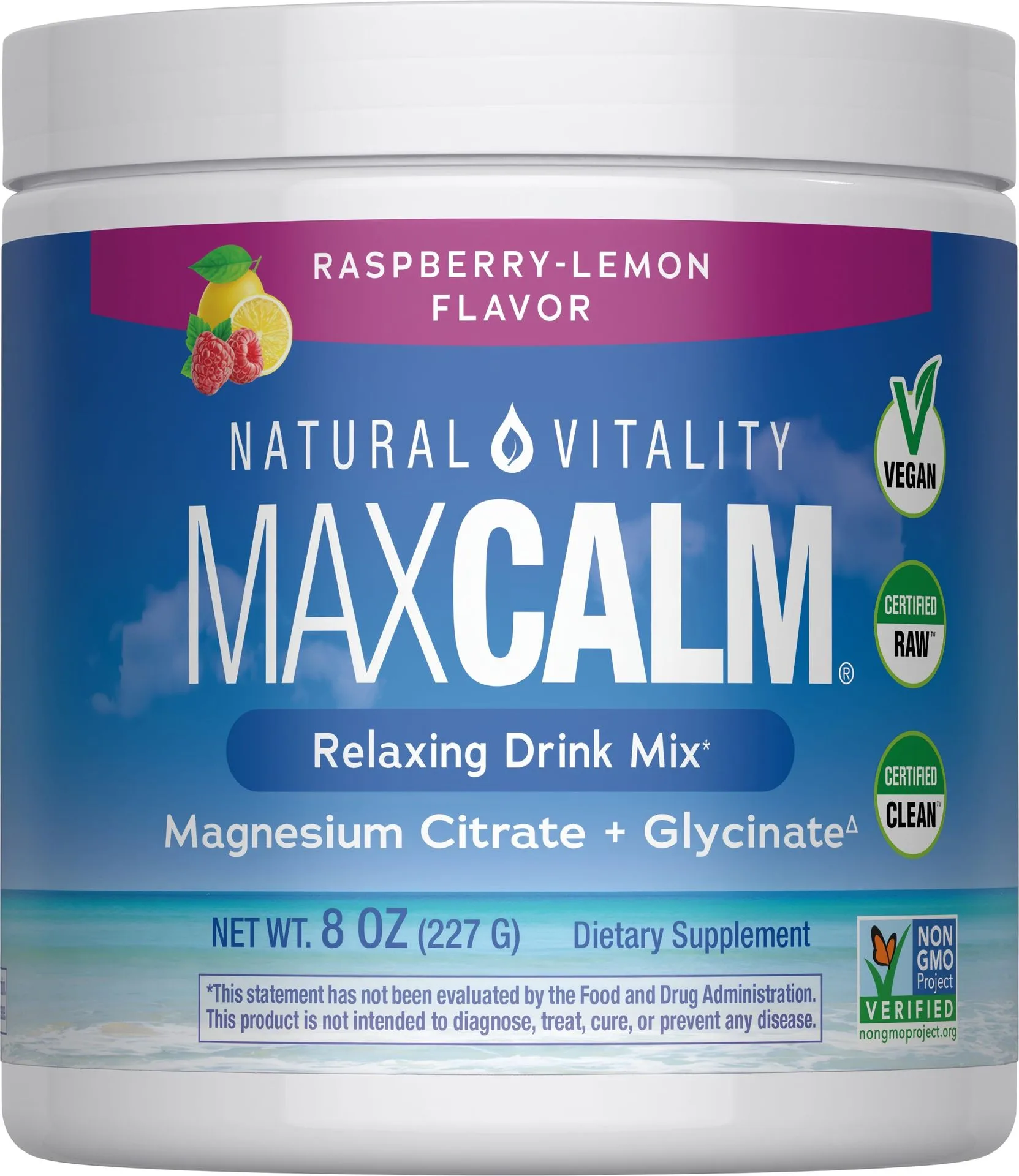
- MAXCALM Powder Raspberry-Lemon, 8 oz (227 g): CALM Magnesium Raspberry-Lemon Powder – Winner of Product of the Year 2025!◇ Natural Vitality CALM® Raspberry-Lemon Drink Mix has won Product of the Year Winner for 2025!◇ This fan-favorite is a magnesium supplement like no other. Just mix with warm water, and watch as it fizzes and bubbles to life! Then, sip and enjoy a delicious cup of CALM. If you prefer to take calcium and magnesium separately, this magnesium-only powder lets you control your magnesium dose while you get calcium from food or another supplement.
Balancing calcium and magnesium is key to getting the most from both minerals for bone health and overall well-being. Whether you choose a combined drink mix like CALM plus Calcium or prefer to manage them separately, paying attention to your ratio and listening to your body will help you build a supplement routine that works.