Quick answer
Choose calcium citrate if you take calcium on an empty stomach, use acid-reducing medication, or prefer a chewable. Choose calcium carbonate only if you reliably take it with a meal and want the most elemental calcium per tablet. For most people, calcium citrate with vitamin D3 is the easier daily habit.
Why the citrate-versus-carbonate choice matters more than the milligram count
Both forms supply elemental calcium, but they behave differently in the stomach. Calcium carbonate needs stomach acid to dissolve, so it is best absorbed with food. Calcium citrate dissolves without relying on acid, which makes it more forgiving if you take it between meals or use acid reducers.
That difference changes when and how you take the supplement, not just which bottle you buy. A form that fits your meal schedule and stomach comfort is more likely to become a consistent habit.
The vitamin D3 pairing is a separate decision
Some calcium products include vitamin D3 to support calcium absorption, while others leave it out so you can manage vitamin D separately. Neither approach is automatically better. The right choice depends on whether you already get vitamin D from sun exposure, food, or another supplement.
If you take a separate vitamin D supplement or spend regular time outdoors, a calcium-only product avoids stacking. If your diet and routine are light on vitamin D, a combined formula simplifies the daily routine.
Chewables trade convenience for taste and texture
Chewable calcium citrate is useful for people who dislike swallowing large tablets or who want to take calcium without water. The trade-off is that chewables often carry a flavor and may contain sweeteners or other ingredients you should check if you are sensitive.
Tablets are neutral and easy to stack with other supplements, but they require water and may be harder to take on the go. Pick the format you will actually use at the time of day you need it.
Decision rules for choosing your calcium supplement
- If you take calcium away from meals: Choose calcium citrate. It does not depend on stomach acid for absorption, so it works on an empty stomach or between meals. Check the label for the word citrate, not carbonate.
- If you use acid reducers or have low stomach acid: Choose calcium citrate, including chewable calcium citrate, because it is formulated to dissolve without relying on stomach acid. If you are unsure about your stomach acid, ask your clinician before switching forms.
- If you already take vitamin D separately: Choose a calcium-only product such as chewable calcium citrate without vitamin D, so you do not double up. Add up vitamin D from all supplements before buying a combined calcium formula.
- If you want one daily product for calcium and vitamin D3: Choose calcium citrate with vitamin D3, which pairs the two in a single formula designed to support calcium assimilation. Confirm the vitamin D3 amount fits your overall daily intake.
- If you dislike swallowing tablets: Choose a chewable calcium citrate in a flavor you will take consistently, and check the ingredient list for sweeteners or colors you avoid. Try one bottle before committing to a larger supply.
Product facts
-
Calcium Citrate with Vitamin D3, 1000 mg: Calcium citrate 1000 mg with vitamin D3, formulated to help the body assimilate calcium more efficiently. A single product covers both the calcium and the vitamin D3 pairing, which simplifies the routine if you do not take vitamin D separately.
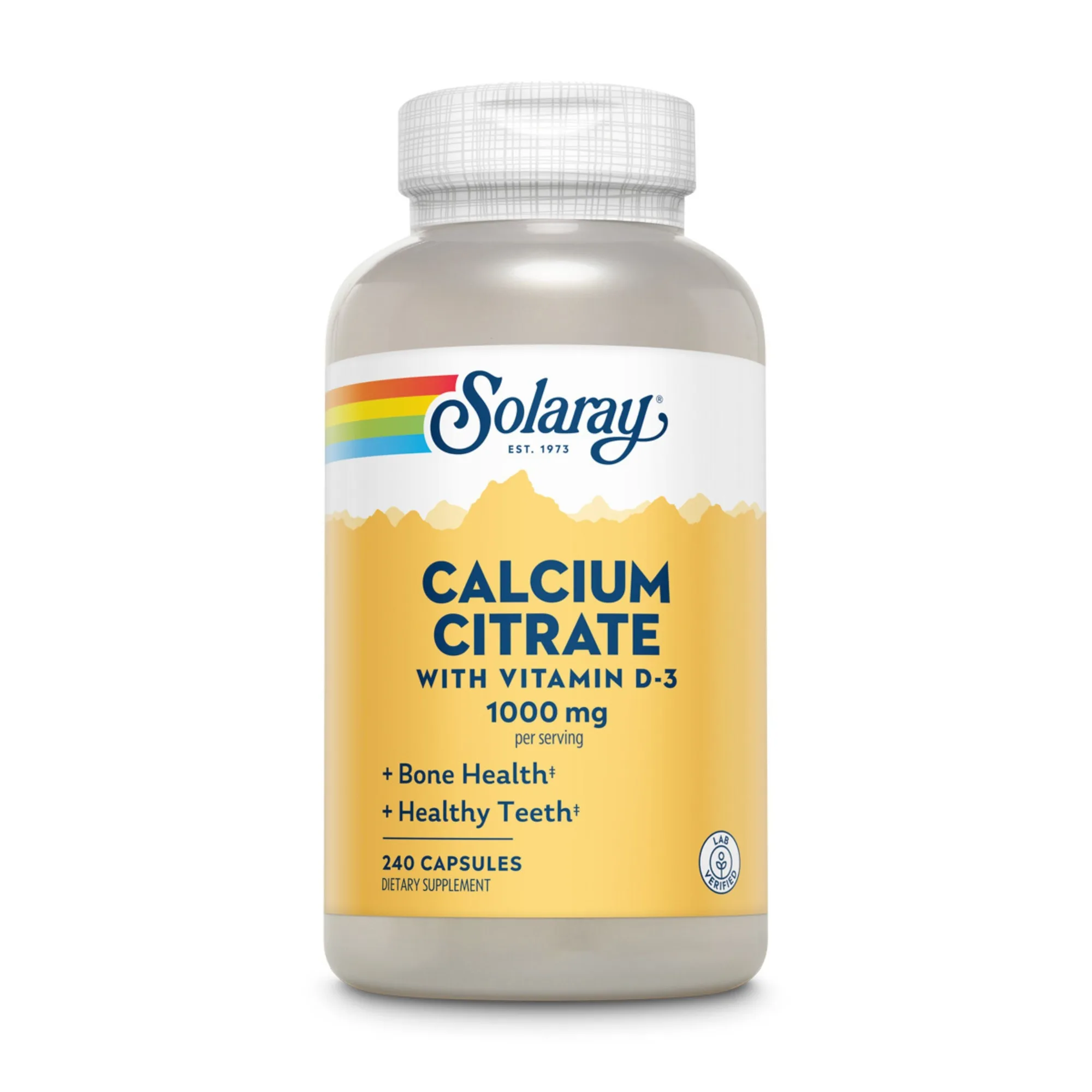
Calcium Citrate with Vitamin D3, 1000 mg
-
Calcium Citrate Chewable, Orange: Chewable calcium citrate in natural orange flavor, made without vitamin D and chelated to natural citric acid. The citrate form and lack of vitamin D make it a fit for people with low stomach acid or those who already get enough vitamin D elsewhere.
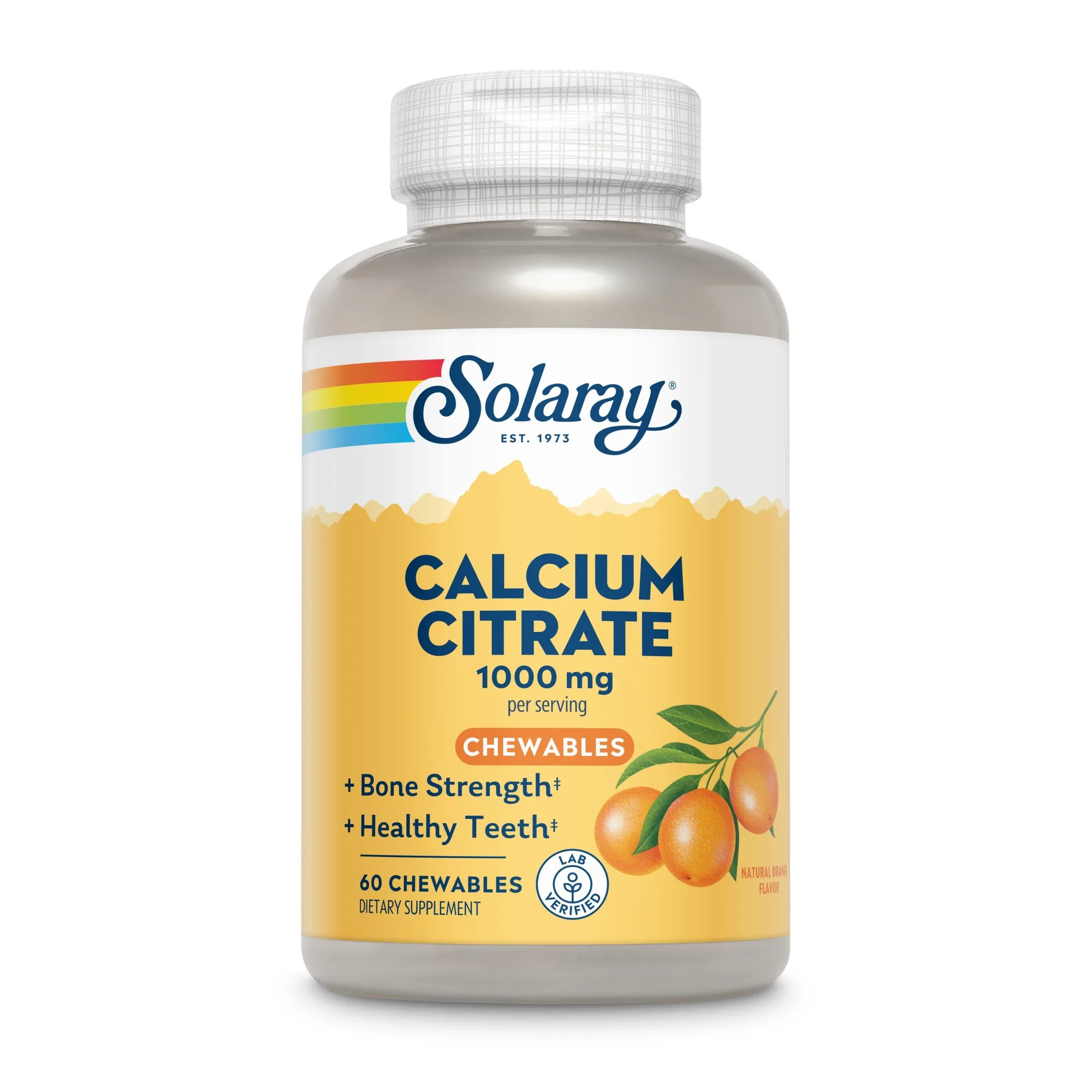
Calcium Citrate Chewable, Orange
Who should choose which
Best for
- People who take calcium between meals or on an empty stomach
- People using acid-reducing medication or with low stomach acid
- Anyone who wants a single calcium plus vitamin D3 product
Not for
- People who already take a separate vitamin D supplement and want to avoid overlap
- People who prefer to take calcium carbonate with meals for a higher elemental calcium dose per tablet
- Anyone who has been told by a clinician to use a specific calcium form or dose