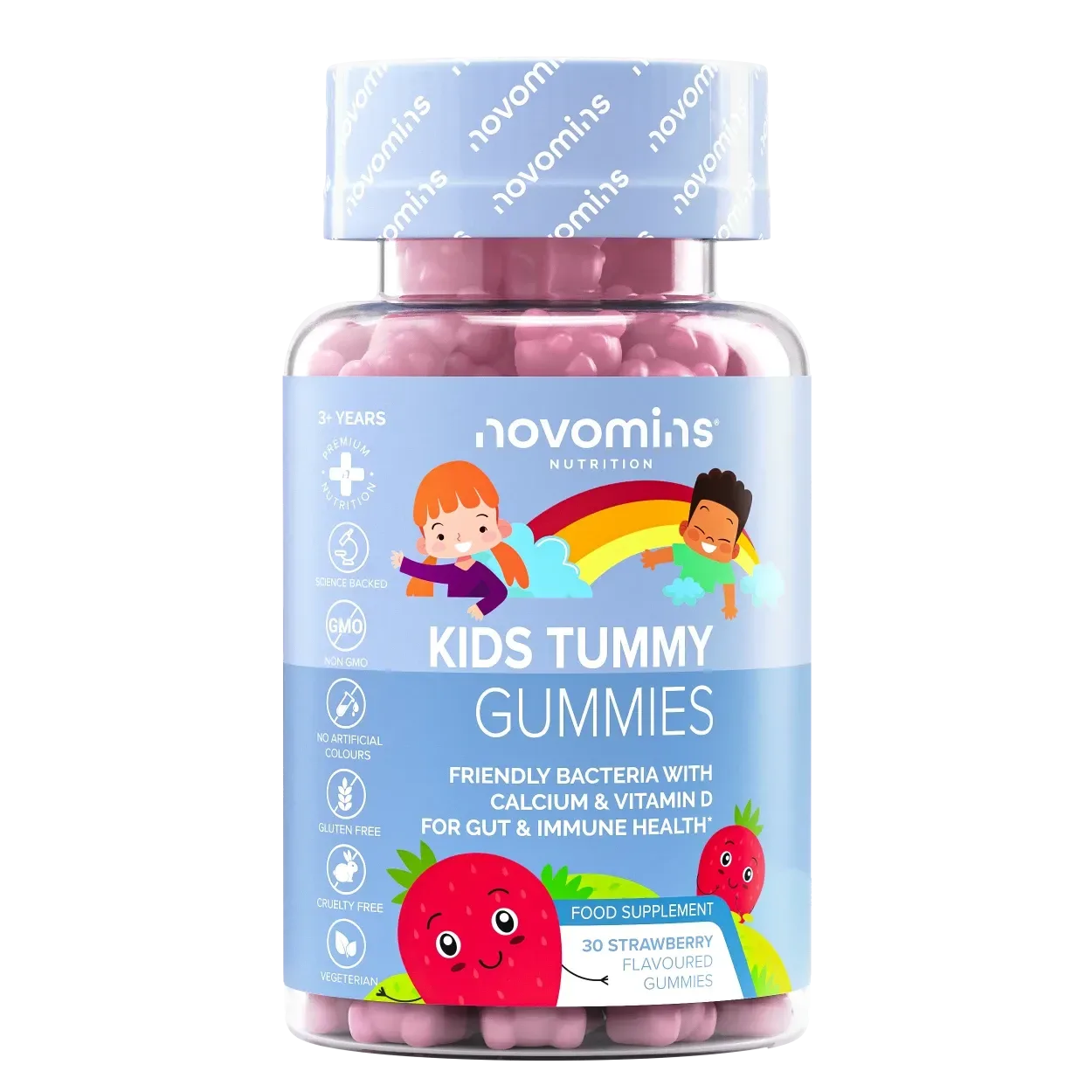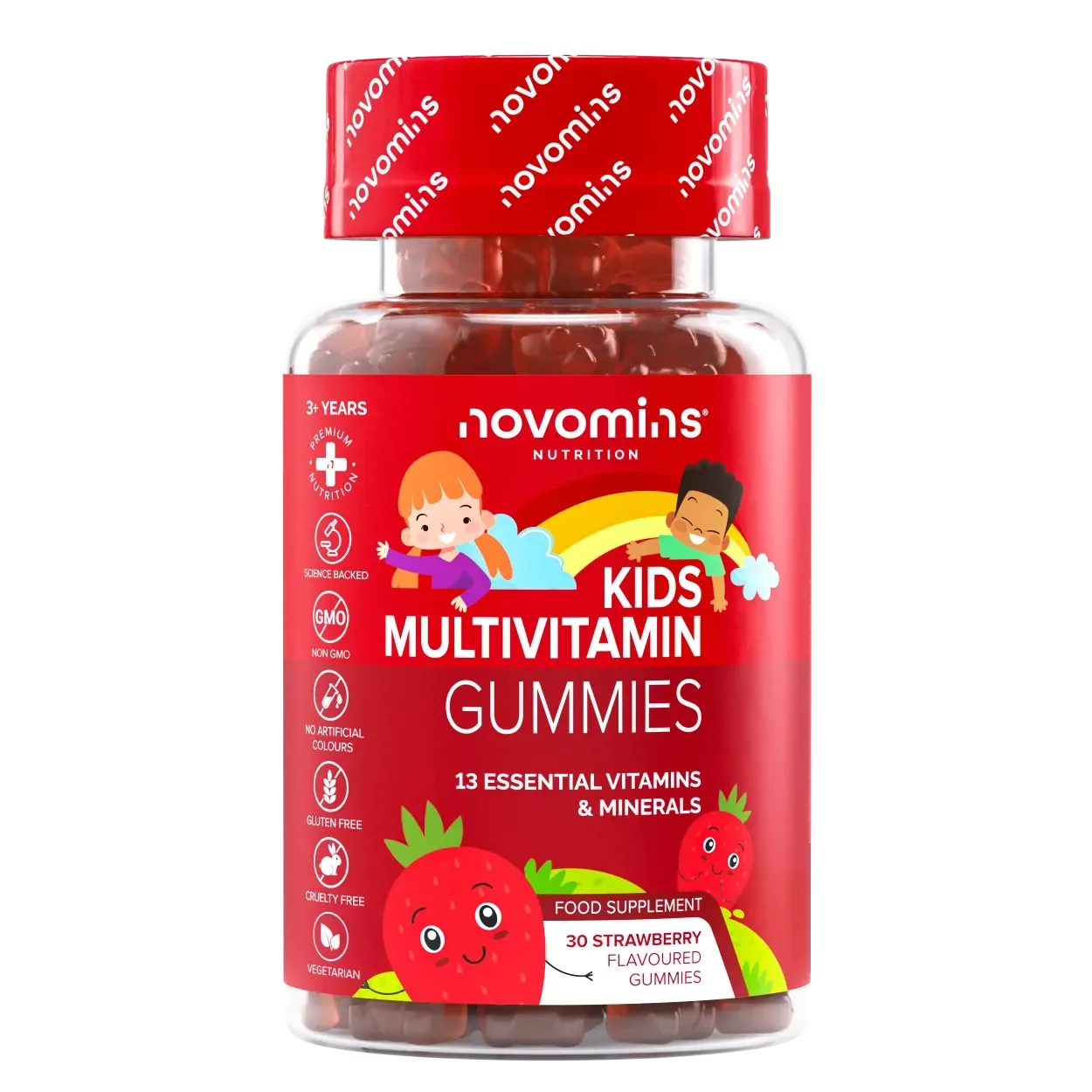
When it comes to building strong bones in children, calcium often takes the spotlight. But calcium alone isn't enough. For proper bone development, kids need a trio of nutrients: calcium, vitamin D, and vitamin K2. Each plays a unique role, and together they ensure that calcium is absorbed and directed to the right places—your child's bones and teeth.
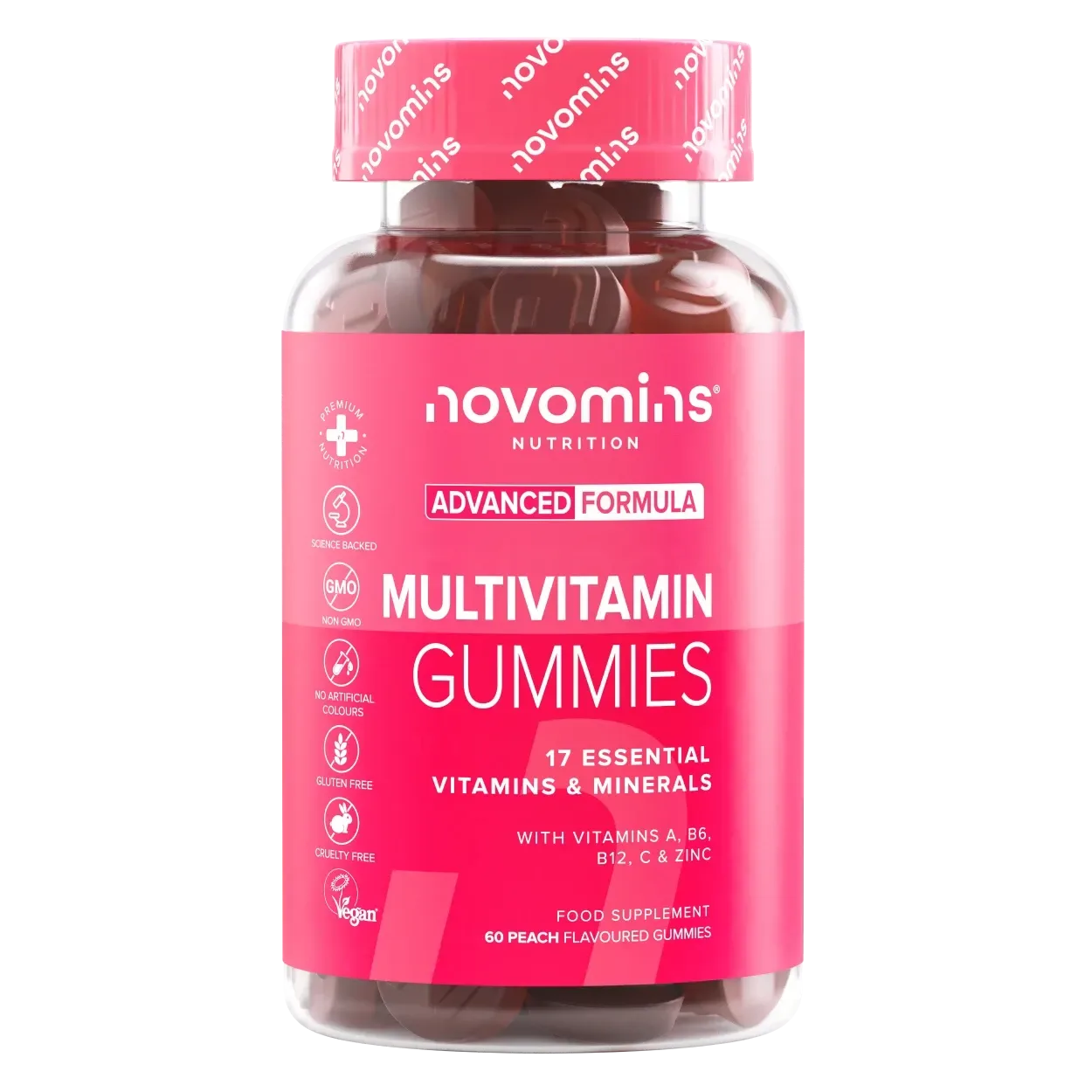
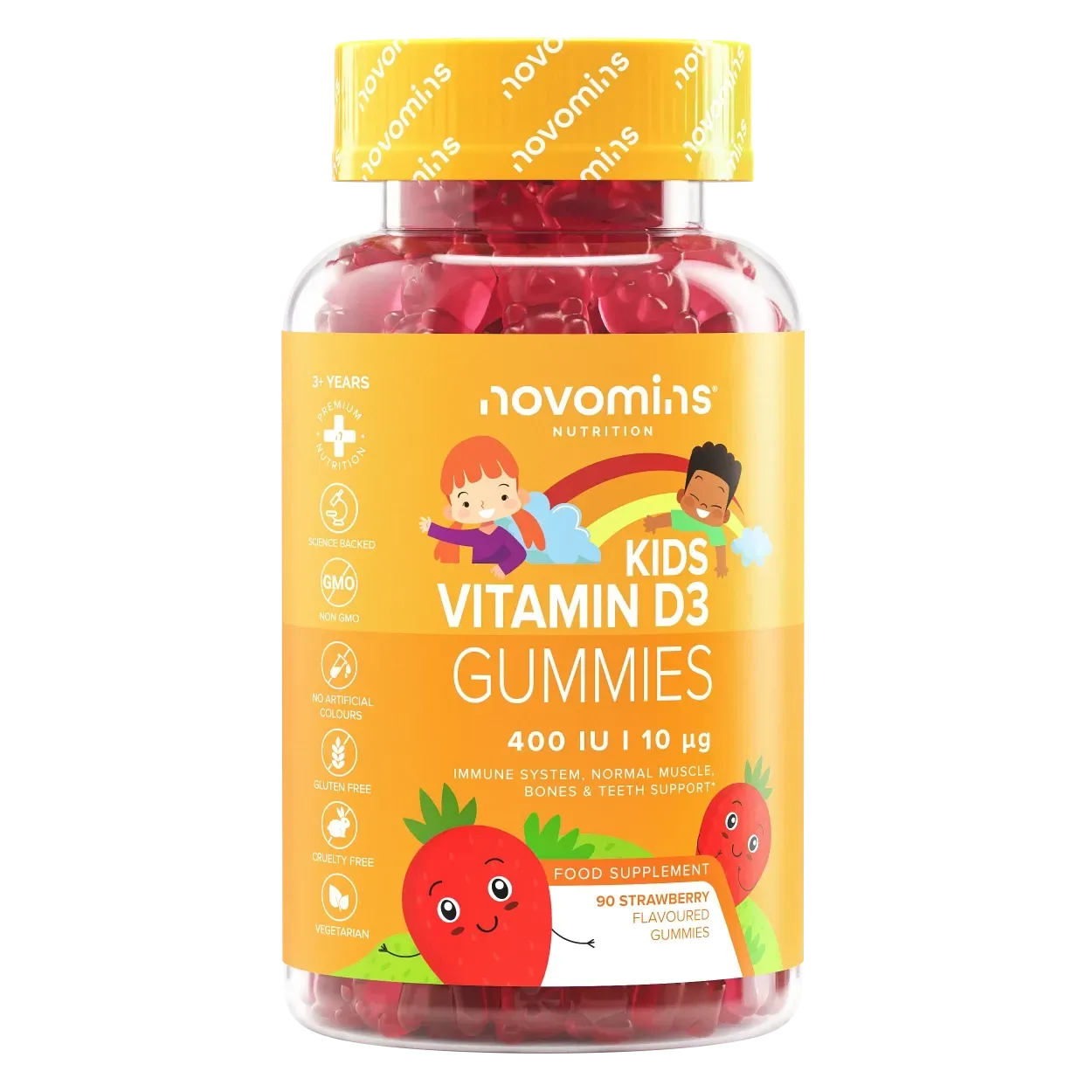
In this guide, we'll break down why each nutrient matters, how they work together, and practical ways to ensure your child gets enough of all three. You'll also learn about supplements like Kids Vitamin D Gummies and Kids Multivitamin Gummies that can help fill nutritional gaps.
The Role of Calcium in Kids' Bone Development
Calcium is the building block of bones and teeth. During childhood and adolescence, bones grow rapidly, and calcium is essential for achieving peak bone mass—the maximum amount of bone tissue you can have. Peak bone mass is a key predictor of bone health later in life, influencing the risk of osteoporosis and fractures.
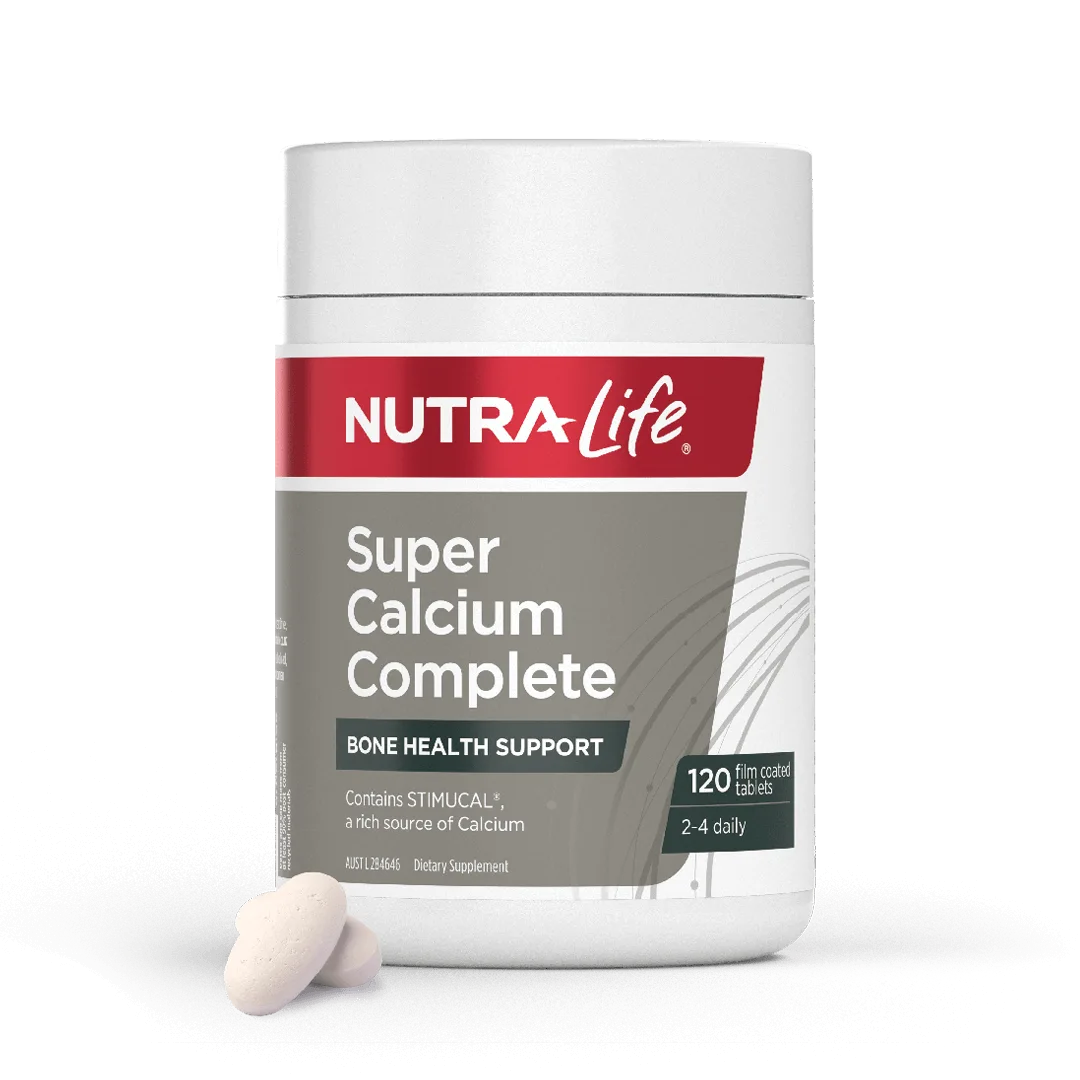
Children need varying amounts of calcium depending on age. For example, kids aged 4–8 need about 1,000 mg per day, while those aged 9–18 need 1,300 mg. Dairy products, leafy greens, and fortified foods are excellent sources. However, many kids don't get enough calcium from diet alone, which is where supplements can help.
- Include calcium-rich foods like milk, yogurt, cheese, and broccoli in meals.
- For picky eaters, consider a calcium-fortified snack or a supplement.
Vitamin D: The Calcium Absorber
Vitamin D is crucial because it helps the body absorb calcium from the intestines. Without enough vitamin D, the body can't absorb calcium efficiently, even if your child consumes plenty of it. Vitamin D also supports bone mineralization, ensuring that calcium is deposited into the bones.
Sunlight is a primary source, but many children spend time indoors or live in areas with limited sun. Food sources like fatty fish and fortified milk help, but deficiencies are common. That's why pediatricians often recommend vitamin D supplements. For an easy addition to your child's routine, consider Kids Vitamin D Gummies, which provide a tasty dose of this essential nutrient.
- Encourage outdoor play for natural vitamin D production.
- If sun exposure is limited, talk to your pediatrician about supplementation.
Vitamin K2: The Calcium Director
Vitamin K2 is the unsung hero. It activates proteins that help direct calcium to the bones and teeth, preventing it from accumulating in soft tissues like arteries and kidneys. In other words, vitamin K2 ensures that calcium goes where it's needed most.
While vitamin K1 is found in leafy greens, K2 is found in fermented foods like natto and some animal products. However, dietary intake of K2 is often low. For kids, getting enough K2 can be challenging, making supplementation a practical option. Some multivitamins, like Kids Multivitamin Gummies, include vitamin K2 to support this synergy.
- Add fermented foods like sauerkraut or natto to your child's diet if they'll eat them.
- Check labels of children's supplements for vitamin K2 (as MK-7).
Why the Trio Works Better Together
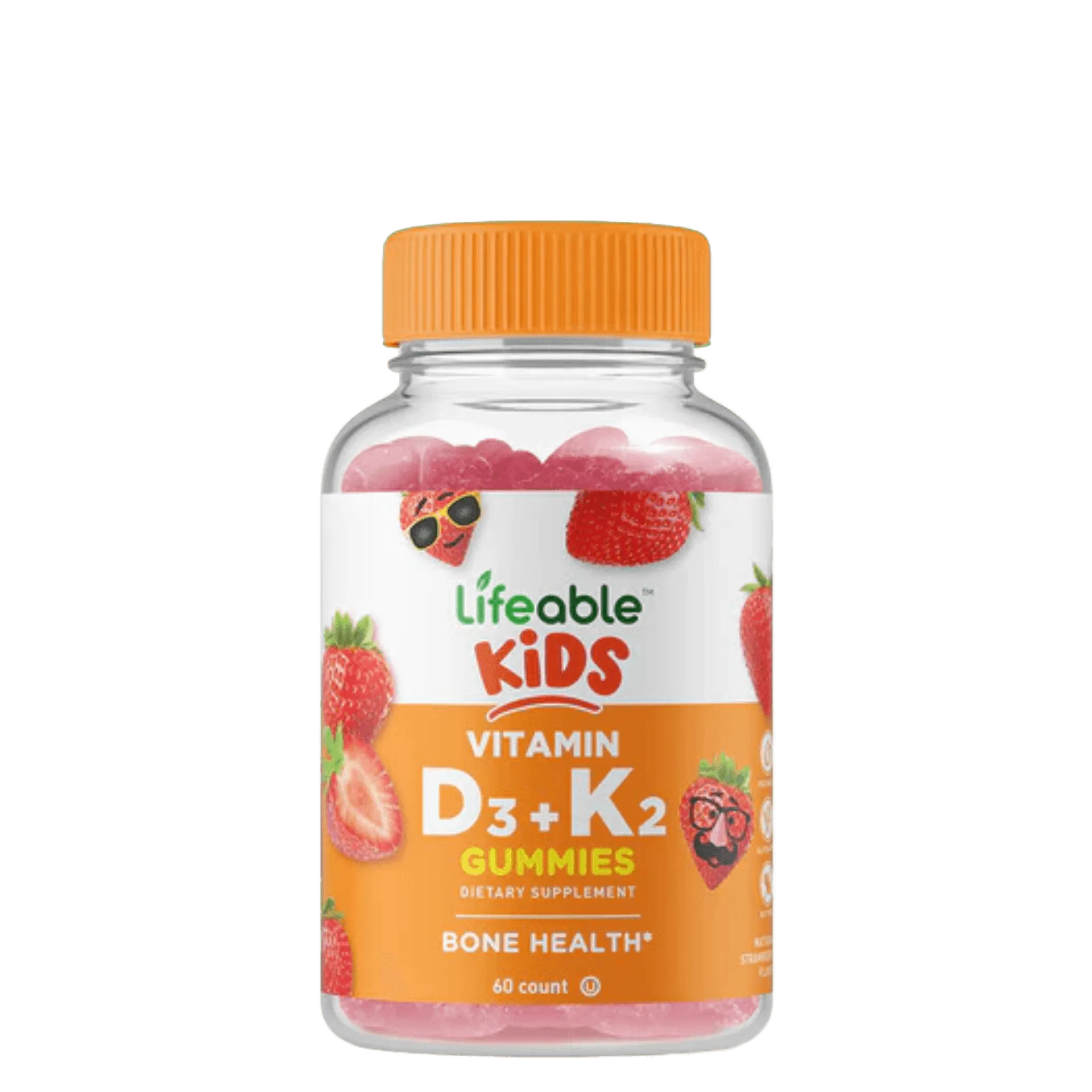
Calcium, vitamin D, and vitamin K2 are interdependent. Calcium is the raw material, vitamin D is the transporter that helps absorb it, and vitamin K2 is the traffic director that ensures it's used correctly. Without vitamin D, calcium absorption drops; without K2, calcium may end up in the wrong places.
This synergy is why experts emphasize a holistic approach to bone health. A supplement that combines all three can simplify the process. For instance, a comprehensive multivitamin like Kids Multivitamin Gummies may provide a balanced mix of these nutrients, supporting your child's bone development and overall health.
- Look for supplements that include all three nutrients for maximum benefit.
- Remember that a balanced diet is still the foundation—supplements fill gaps.
Practical Tips for Parents
Ensuring your child gets enough calcium, vitamin D, and K2 doesn't have to be complicated. Start with a diet rich in whole foods, then consider supplements to cover any shortfalls. Always consult your pediatrician before starting any new supplement, especially for young children.
When choosing a supplement, read labels carefully. For younger kids, gummy vitamins are often more appealing than pills. Kids Vitamin D Gummies are a great option for vitamin D alone, while a comprehensive multivitamin can provide a broader spectrum of nutrients, including K2.
- Pair calcium-rich meals with vitamin D sources for better absorption.
- Store gummies out of reach and follow dosage instructions to avoid over-supplementation.
Building strong bones in childhood sets the stage for a lifetime of health. By understanding the unique roles of calcium, vitamin D, and vitamin K2—and how they work together—you can make informed choices for your child's nutrition. Consider incorporating a quality supplement like Kids Multivitamin Gummies to help fill any gaps, and always prioritize a balanced diet. Your child's future self will thank you.