Quick answer
Use a calendar when you need a wide view of fixed dates and deadlines, and use a planner when you need to turn those dates into daily actions. Many people get the best results by keeping a wall or desk calendar for the big picture and a planner for weekly and daily task management. If you only want one tool, choose based on whether your main struggle is missing appointments or finishing tasks.
Most people don't need more organization tools — they need the right one. The calendar vs. planner question comes up because both help you manage time, but they solve different problems. A calendar shows you what is happening; a planner helps you decide what to do about it.
This comparison explains the difference between a calendar and a planner, when each one works best for scheduling, and how to combine them without duplicating effort. You'll also see how a few real products from Fox & Fallow fit into each system.
What a calendar does best
A calendar is a time map. It shows fixed commitments — appointments, birthdays, bill due dates, school terms — across days, weeks, or months. Because it is visual, a calendar makes conflicts and clusters obvious. If you need to see that three things land on the same Thursday, a calendar tells you instantly.
Calendars are usually shared or displayed, which makes them good for family logistics and work deadlines. They are less useful for breaking a project into steps or tracking progress on a goal. A calendar says 'dentist at 2 p.m.'; it doesn't say 'book the babysitter, print the form, leave by 1:30.'
- Use a calendar for anything with a fixed date or time.
- Keep one master calendar rather than several partial ones.
- Review it weekly so nothing surprises you.
What a planner does best
A planner is a time tool. It helps you translate commitments into tasks, prioritize them, and reflect on how the week went. Most planners include space for daily to-dos, weekly priorities, notes, and sometimes goal tracking. That makes them better for project work, habit building, and managing a heavy task load.
The trade-off is that planners require more input. A calendar works even if you never open it; a planner only works when you write in it and review it. If you enjoy a short daily planning ritual, a planner can reduce decision fatigue. If you resent filling it in, it becomes another chore.
- Use a planner for tasks, priorities, and goals.
- Choose a layout that matches how you think — daily, weekly, or undated.
- Set a five-minute review at the same time each day.
The difference between calendar and planner in practice
The core difference is scope. A calendar answers 'when?' and a planner answers 'what now?' A calendar is broad and fixed; a planner is narrow and flexible. You can write tasks on a calendar, but most people run out of space and stop prioritizing. You can write appointments in a planner, but you lose the month-at-a-glance view that prevents double booking.
For best-for-scheduling decisions, ask what you tend to miss. If you miss appointments or deadlines, your calendar needs to be more visible. If you miss tasks or feel scattered, your planner needs a better routine. Many people need both, but with clear roles so they don't maintain two competing systems.
- Calendar = fixed dates and shared logistics.
- Planner = tasks, priorities, and reflection.
- If you use both, put appointments on the calendar first, then pull them into your planner each week.
How to combine them without double work
The simplest system is a monthly calendar for the big picture and a weekly planner for execution. On Sunday or Monday, look at the calendar and write this week's appointments and deadlines into the planner. Then add the tasks needed to prepare for each one. During the week, work from the planner and only check the calendar for changes.
If you prefer one tool, choose based on your main pain point. A planner with a monthly spread can cover both needs, but the monthly section will stay high-level. A calendar with a notes column can hold a few tasks, but it won't support detailed project planning. Be honest about which limitation you can live with.
- Keep appointments on the calendar and tasks in the planner.
- Do a weekly transfer so both tools stay in sync.
- Don't duplicate every item — only what you need to act on.
Where paper products fit in
Paper calendars and planners offer a tactile, distraction-free way to plan. They don't ping you, they don't need charging, and writing by hand can improve recall. Fox & Fallow's range includes planners, journals, and notebooks that support different planning styles, from structured weekly layouts to open-ended journaling.
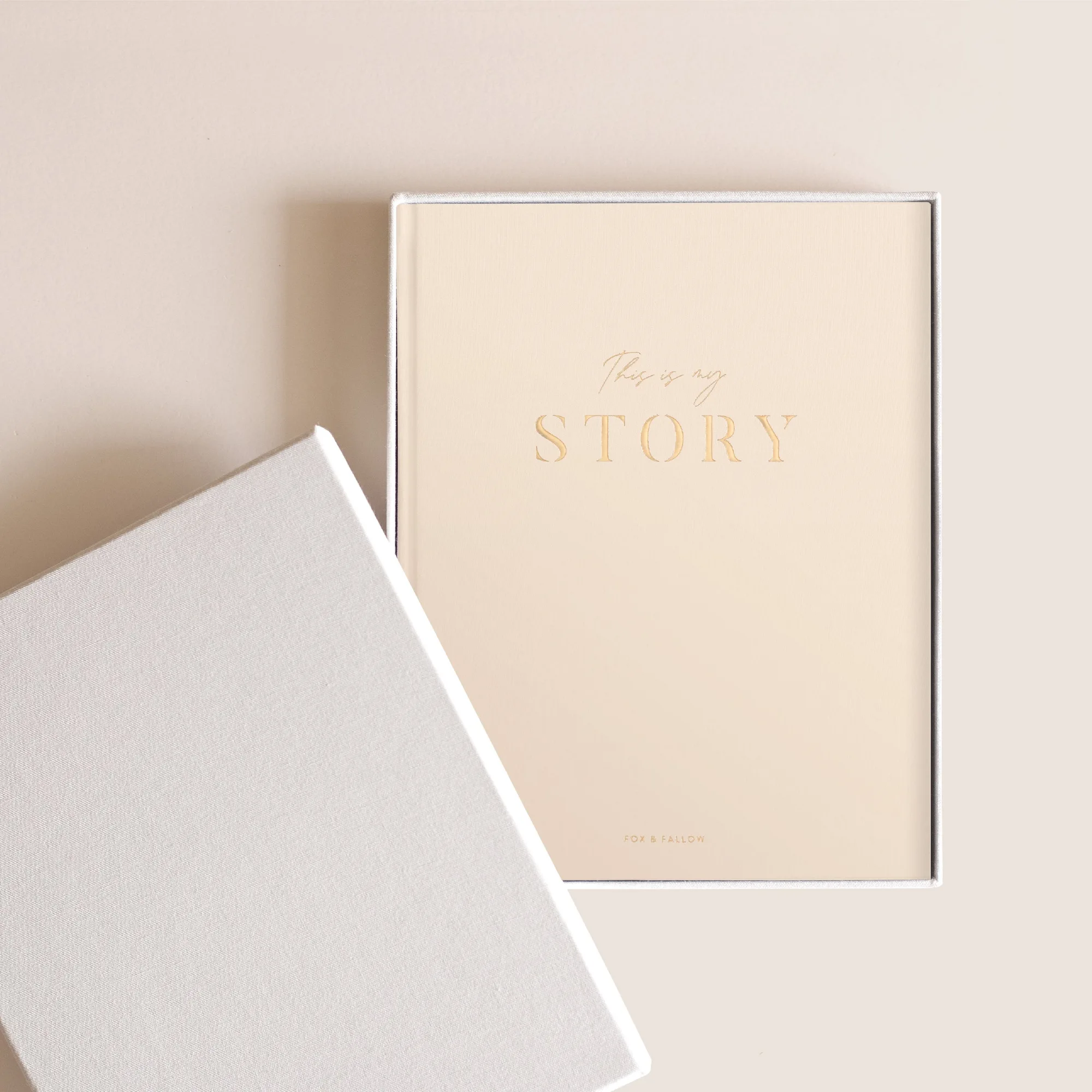
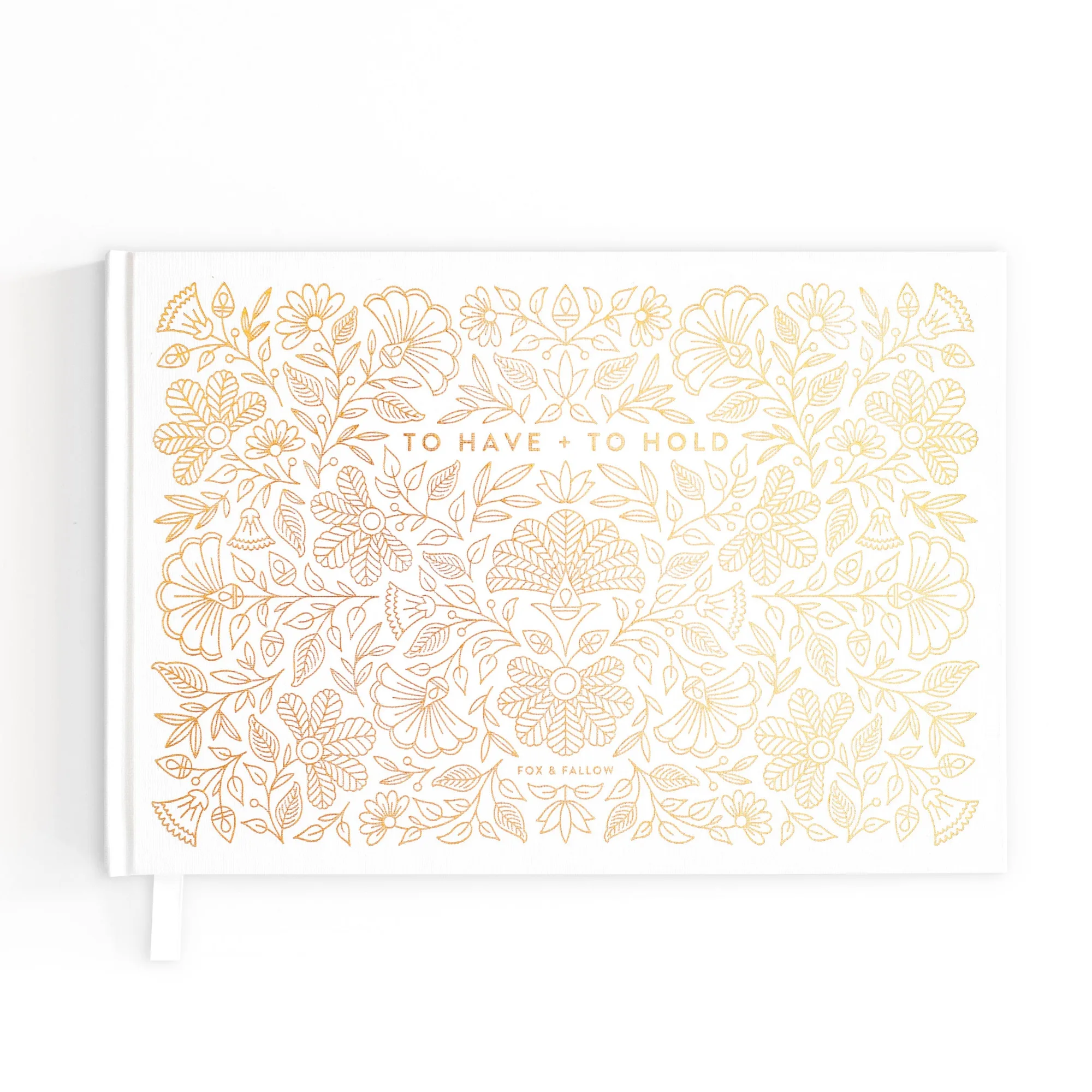
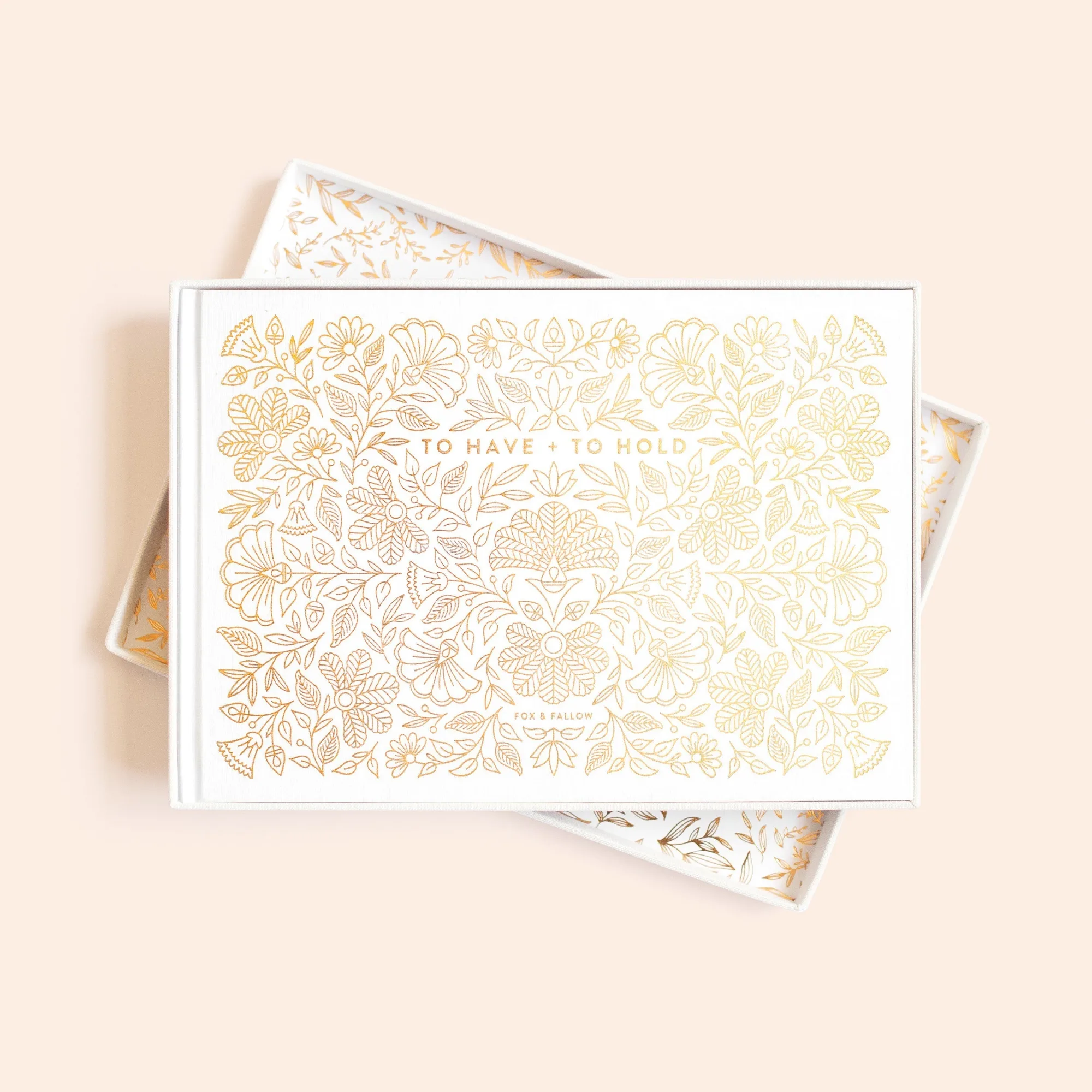
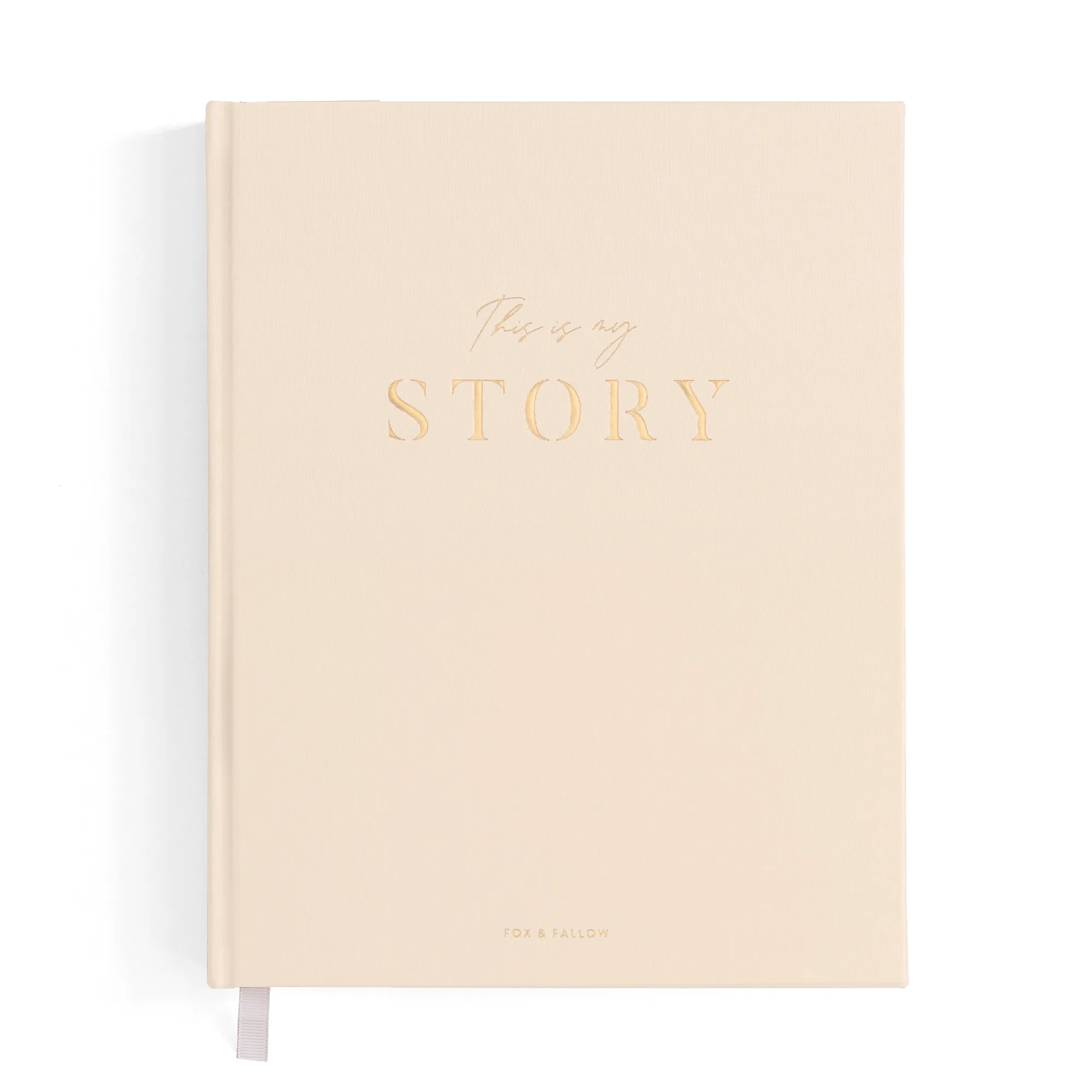
For example, a prompted journal like https://foxandfallows.com/products/this-is-my-story-memoir-journal-cream-boxed-895dfae49be10bd4256ede35-2620956This Is My Story Memoir Journal Cream Boxed is not a scheduling tool, but it can hold the reflection side of planning — goals, lessons, and memories. A guest book like Forever & Always Prompted https://foxandfallows.com/products/wedding-guest-book-boxed-a4d0e3450c7767d99976d7ee-2620955Wedding Guest Book Boxed serves a different purpose entirely: capturing messages at an event. Knowing what each tool is for keeps your planning system clean.
- Use a planner for scheduling and a journal for reflection.
- Keep event-specific books separate from daily planning.
- Choose paper if you want less screen time and more focus.
Trade-offs: calendar vs. planner
- Calendar: visibility vs. detail: A calendar gives you an instant overview of fixed commitments, which prevents double booking. But it has limited space for tasks, so it can't replace a planner for project work. Choose a calendar if missing appointments is your main problem.
- Planner: action vs. upkeep: A planner turns dates into tasks and priorities, which helps you finish work. But it only works if you write in it and review it regularly. Choose a planner if you finish days feeling busy but not productive.
- Using both: clarity vs. duplication: Two tools can cover both needs, but only if you assign clear roles: calendar for appointments, planner for tasks. Without that split, you'll maintain two systems and trust neither. If you use both, do a weekly sync and keep only actionable items in the planner.
Product facts that matter for planning
- This Is My Story Memoir Journal Cream Boxed: A boxed memoir journal designed for documenting life moments and family history, with a cream cover and gilded edges. It's a reflection tool, not a scheduling tool. Use it alongside a planner to capture goals and lessons, but don't expect daily task management from it.
- Forever & Always Prompted Wedding Guest Book Boxed: A prompted guest book with quirky questions for guests on alternating pages, gilded edges, and a signature ivory linen box with gold foil patterned interior. This is event-specific, not for everyday planning. It shows why you should separate occasion books from your main calendar or planner system.
Which should you use?
Best for
- People who miss appointments, deadlines, or shared family events
- Visual thinkers who need a month-at-a-glance view
- Teams or households that need one shared schedule
Not for
- Breaking large projects into daily steps
- Tracking habits or goals in detail
- Anyone who won't check a wall or desk calendar regularly
There's no universal winner in the calendar vs. planner debate. Pick the tool that solves your biggest scheduling gap, or use both with clear roles. If you want a paper option, Fox & Fallow's planners and journals can support either approach — just match the format to how you actually plan.