Start with the bowl you already refill too often
The right dog bowl size is less about a breed chart and more about how often you are topping up, how much your dog spills, and how easy the bowl is to clean. If you are moving from a small plastic dish to something more substantial, the Calibra Bowl 700ml is a useful reference point: it holds 700ml, is made of stainless steel, and is sold in a Standard variant.
This guide uses that bowl to walk through the practical questions behind a dog bowl size guide: how big should a dog bowl be for a medium dog, when a 700ml dog bowl for medium dogs makes sense, and how stainless steel vs plastic dog bowl choices affect daily use.
What the Calibra Bowl 700ml record confirms
-
Calibra Bowl 700ml: The Calibra Stainless Steel Bowl is listed in 235ml and 710ml sizes, and this record is the 700ml bowl. It gives you a concrete capacity to compare against your current bowl instead of guessing from photos.
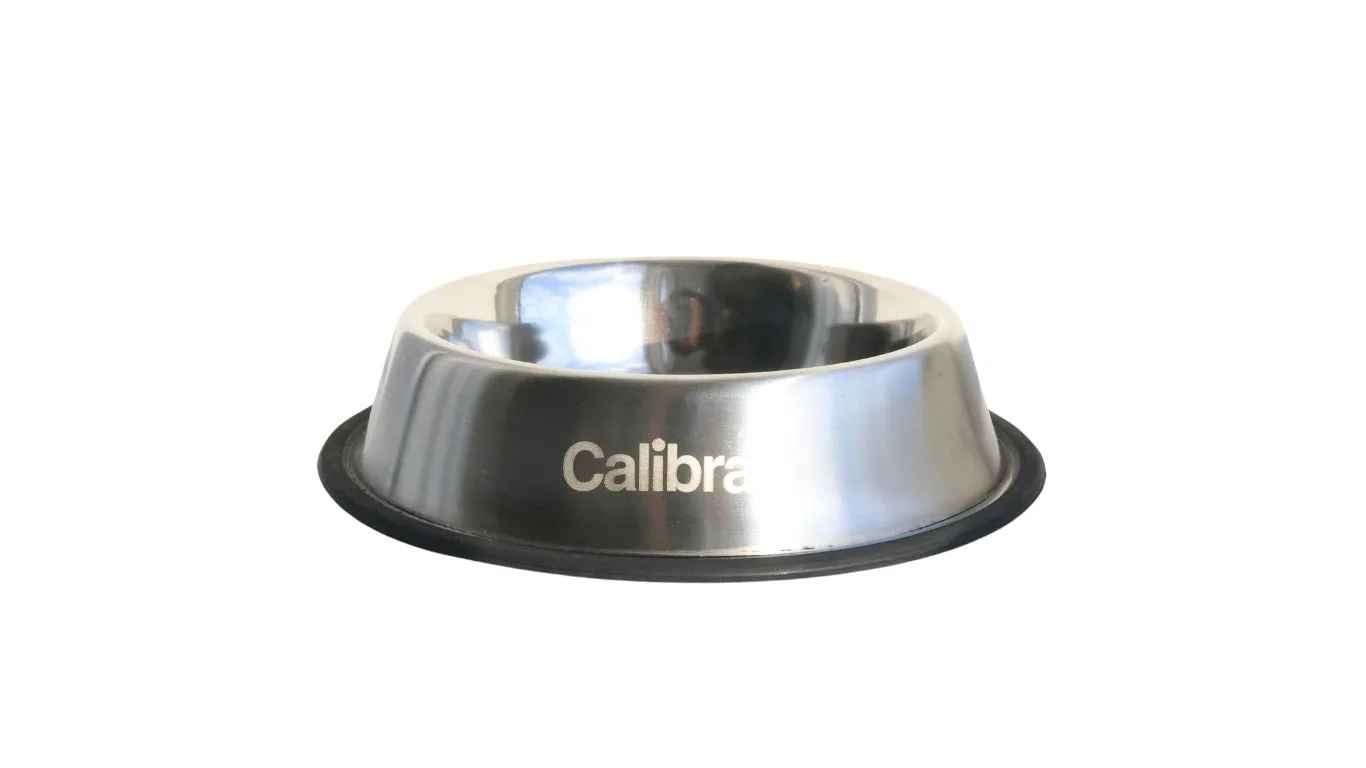
Calibra Bowl 700ml
-
Calibra Bowl 700ml: It is crafted from high-quality stainless steel that resists rust, stains, and bacteria buildup. Material is a daily hygiene and lifespan decision, not just a look.
-
Calibra Bowl 700ml: The smooth, polished surface is described as easy to clean, and the sturdy construction is described as preventing tipping and spills. These are the two routine pain points with pet bowls: washing effort and mess on the floor.
How big should a dog bowl be? Use capacity, not breed labels
The supplied record gives capacity but does not include feeding amounts, frequency, or a size-by-breed chart. That means you should treat 700ml as a volume to compare with your own routine, not as a manufacturer instruction for how much to feed.
- Measure your current bowl: Fill your existing bowl with a measuring jug to see whether it is closer to 235ml, 700ml, or something else. That single number tells you whether the Calibra Bowl 700ml is a step up or a large jump.
- Count refills, not just meals: If you refill a water bowl several times a day, a larger capacity can reduce the chore. If your dog leaves water sitting for long periods, a smaller bowl that gets refreshed more often may suit your routine better.
- Watch for spill and tip patterns: The Calibra bowl is described as having sturdy construction that prevents tipping and spills. If your dog nudges or drags the bowl, that is a feature worth weighing against a lightweight plastic dish.
- Leave room for the snout, not just the volume: A deep, narrow bowl can be awkward for flat-faced or long-eared dogs. The record does not provide bowl dimensions, so check the physical shape against your dog's eating style before ordering.
Stainless steel vs plastic dog bowl: what actually changes day to day
The Calibra record supports the stainless steel side of this comparison. It does not make claims about plastic bowls, so the points below describe what the stainless steel bowl is confirmed to offer rather than a lab test against plastic.
- Hygiene and odour: Stainless steel is described as resisting rust, stains, and bacteria buildup. Plastic bowls can scratch over time, but the supplied record does not test that comparison, so treat this as a material property rather than a guarantee.
- Cleaning effort: The smooth, polished surface is listed as easy to clean. That matters if you wash bowls daily or serve wet food.
- Stability: The sturdy construction is described as preventing tipping and spills. A lighter plastic bowl may slide more easily, though the record does not give a weight or base measurement.
- Noise: Stainless steel can clink against tags, teeth, or hard floors. The record does not address noise, so consider a mat underneath if your dog is sensitive to sound.
- Lifespan: Rust and stain resistance supports a longer service life, but the record does not state a warranty or expected lifespan.
When a 700ml dog bowl for medium dogs is the practical choice
A 700ml bowl sits in a useful middle ground. It is large enough to reduce constant refilling for many medium dogs, but not so large that it dominates a small kitchen floor. The Calibra Bowl 700ml is a reasonable fit if you are upgrading from a 235ml bowl and want fewer top-ups, or if you feed wet food and want a bowl with a smooth surface that is easy to rinse.
It is less obviously the right call for a toy breed that drinks only a little at a time, or for a dog that needs a shallow, wide dish for comfort. The record does not provide diameter, depth, or weight, so those shape questions need a visual check or a hands-on look before you commit.
Water bowl capacity for dogs: a refill-based approach
Water bowl capacity for dogs is usually framed as a number, but the more useful question is how long a full bowl lasts in your home. A 700ml bowl may be plenty for a medium dog that drinks steadily through the day, and it may be too small for a multi-dog household or a dog that empties a bowl quickly after exercise.
The supplied record does not include a water intake formula, so do not treat 700ml as a target. Instead, use it as one data point: if your current bowl is repeatedly empty by midday, a larger bowl or a second bowl is the practical fix. If water is routinely left over and stale, a smaller bowl that gets refreshed more often may be cleaner.
A simple way to test whether the Calibra Bowl 700ml suits your dog
- Step 1: Measure what you use now: Use a measuring jug to confirm your current bowl's capacity. Compare it with the 700ml figure rather than estimating by eye.
- Step 2: Track one normal day: Note how many times you refill food or water. That tells you whether capacity is actually your problem or whether the issue is placement, spill, or cleaning.
- Step 3: Check the bowl's footprint: The record does not list dimensions, so look at the product images and measure your feeding spot. A 700ml bowl needs enough floor space to sit flat and stay stable.
- Step 4: Plan the cleaning routine: The smooth, polished stainless steel surface is described as easy to clean. Decide where you will wash and dry it, especially if you feed wet food.
- Step 5: Watch the first week: Look for tipping, sliding, or reluctance to eat. The record describes sturdy construction that prevents tipping and spills, but every floor and every dog is different.
Where the supplied information stops
The Calibra Bowl 700ml record confirms capacity, material, rust and stain resistance, easy cleaning, and sturdy construction. It does not provide bowl dimensions, weight, a non-slip base specification, a dishwasher recommendation, or feeding guidelines. Those gaps are not flaws in the bowl; they are simply details you should confirm from the packaging or the product page before you buy.
If your decision hinges on a exact diameter or a specific cleaning method, ask before ordering. If your main concerns are capacity, hygiene, and a bowl that stays put, the supplied facts give you enough to make a sensible comparison.