Two Books, Two Different Emotional Challenges
Both Calm and On Confidence come from The School of Life and share a thoughtful, philosophical tone. But they address very different emotional struggles. Calm helps you manage anxiety and frustration in the moment, while On Confidence tackles the deeper issue of self-belief and impostor syndrome. Choosing the right one depends on what you're facing right now.
What Each Book Offers
Calm is a 176-page paperback that explores the sources of our stress and gives reasoned arguments to defend against panic and confusion. It's designed for readers who want to understand why they feel overwhelmed and learn to respond differently.
On Confidence is a shorter, 95-page hardback that focuses on the skill of self-belief. It covers impostor syndrome, the value of imagining great people in ordinary moments, and insights from Nietzsche and Montaigne on resilience and courage.
Key Details at a Glance
-
Calm: Paperback book | 176 pages | 198mm x 129mm Calm is a more substantial read, with room to explore multiple causes of anxiety and offer a range of calming arguments.
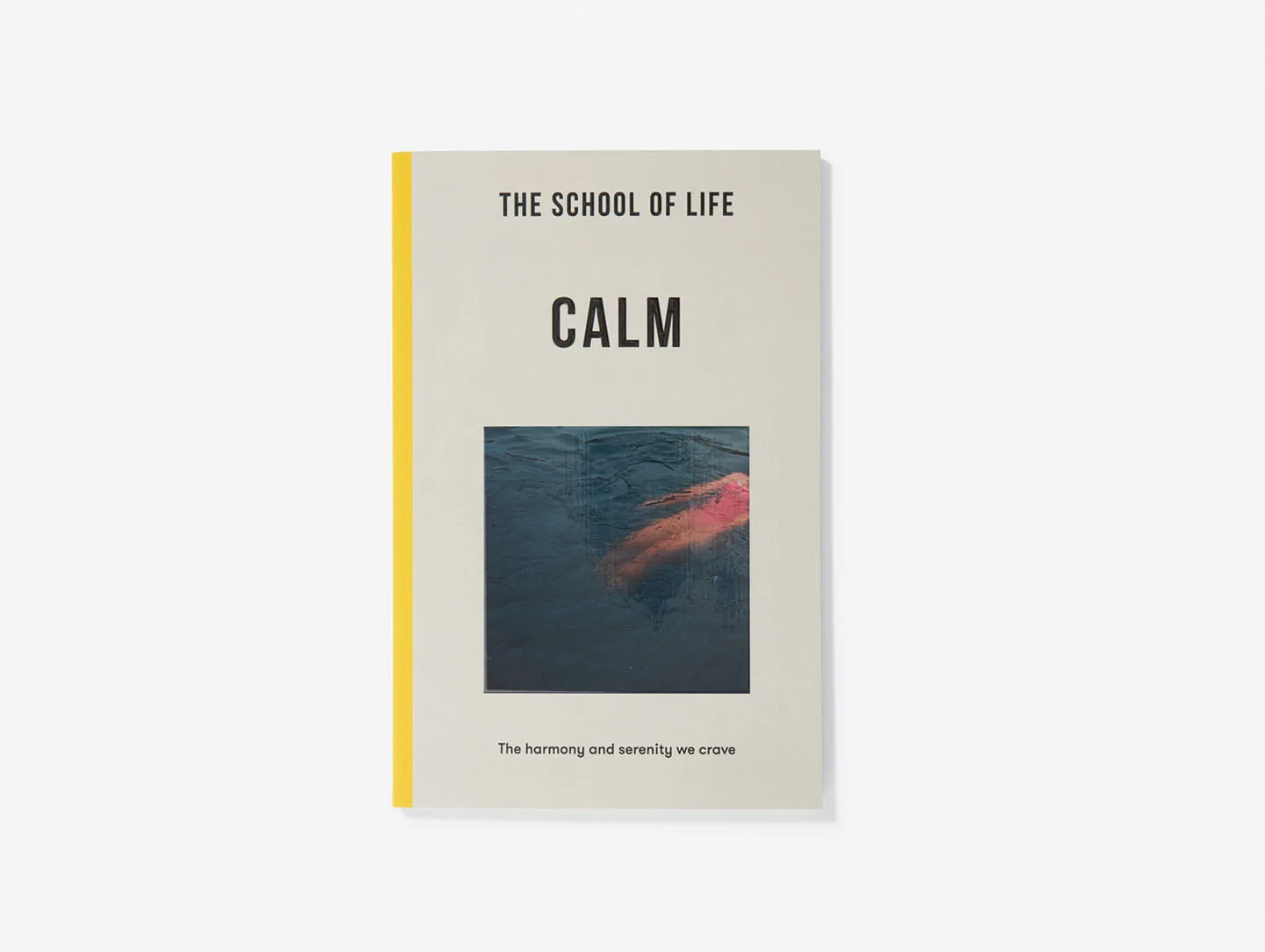
Calm
-
On Confidence: Hardback book | 95 pages | 187mm x 115mm On Confidence is a compact hardback, making it easy to carry and finish in a few sittings—ideal for focused reflection on self-belief.
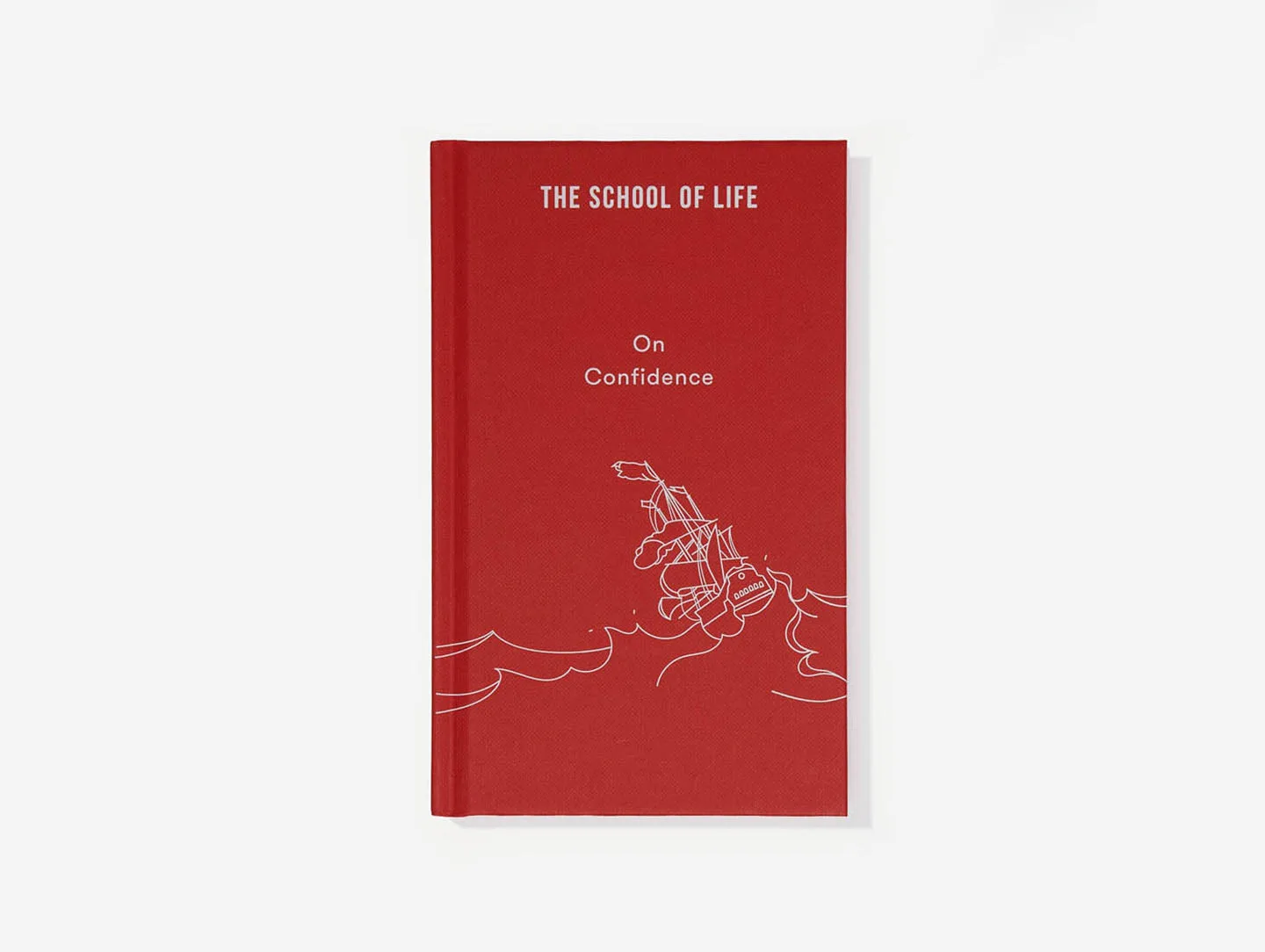
On Confidence
Calm vs. On Confidence: Which Fits Your Need?
- Primary focus: Calm addresses anxiety, stress, and the desire for serenity. On Confidence tackles self-doubt, impostor syndrome, and building belief in your own potential.
- Tone and approach: Both use philosophical and psychological arguments, but Calm leans toward soothing and reframing daily frustrations, while On Confidence is more about courage and resilience in the face of failure.
- Length and format: Calm is a 176-page paperback; On Confidence is a 95-page hardback. If you want a quicker read you can finish in a weekend, On Confidence is the more compact choice.
- Practical takeaways: Calm gives you arguments to defend against panic and confusion. On Confidence walks you through the idea that confidence is a learnable skill, not luck.
How to Choose
If you often feel overwhelmed by daily stress and want to understand the roots of your anxiety, start with Calm. It's a broader guide to finding serenity through thinking, not quick fixes.
If you struggle with self-doubt, feel like an impostor, or want to unlock your potential, On Confidence is the more direct choice. Its focused chapters on impostor syndrome, self-sabotage, and the history of confidence make it a powerful tool for personal growth.
Honest Trade-Offs
Neither book is a step-by-step workbook. They are philosophical essays that require reflection. If you prefer actionable exercises or checklists, these may feel abstract. Also, because they tackle different core problems, reading both is valuable if your concerns span both anxiety and self-belief—but you may want to start with the one that matches your most pressing need.