Quick answer
Use a pre-blended calming aromatherapy oil at the first sign of restlessness, over-tiredness or bedtime resistance, and stop if the scent feels irritating or the child becomes more alert rather than settled. If symptoms persist or worsen, choose a different option and seek professional advice.
Why a pre-blended oil changes the decision
With a single essential oil, you control the dilution and the scent profile. A pre-blended calming oil removes that guesswork but also limits your ability to adjust individual components. That trade-off matters when you are trying to match the blend to a specific moment: a child who is over-excited at bedtime may respond differently from an adult who feels tense after work.
The blend’s fixed recipe means you cannot separate the chamomile from the mandarin if one note feels too strong. For most households this is a benefit—fewer bottles, fewer measuring decisions—but if you already know that a particular aroma family does not suit your family, a single oil may be the better route.
When the blend is the wrong tool
A calming blend is not a sedative and does not replace a consistent bedtime routine, a quiet environment or medical care. If restlessness comes with fever, pain, breathing difficulty or a sudden change in behaviour, treat those symptoms first and do not rely on aromatherapy.
Similarly, if you need a precise dilution for a very young child or a sensitive adult, a pre-blended product may not give you the control you want. In that case, choose a single essential oil and dilute it under professional guidance rather than layering an unknown concentration.
Diagnose the moment before you reach for the blend
- Symptom: over-excited or grouchy at bedtime: Add a few drops to a diffuser in the room where the child is winding down, or place a drop on a tissue near the bed—never on the skin undiluted. Keep the room ventilated and use the lowest amount that produces a noticeable scent. If the child becomes more alert or coughs, stop and air the room.
- Symptom: restlessness during the day: Use the blend in a diffuser for short periods (20–30 minutes) during homework or quiet time rather than all day. Pair it with a low-stimulation activity so the scent is associated with calm, not with screens or running around. If restlessness continues after two or three short sessions, stop using the blend and look at the routine instead.
- Symptom: adult stress after work: Adults can benefit from the same relaxing properties, but the child-focused blend may feel mild. Use it in a diffuser or on a tissue during a wind-down routine; if you need a stronger or more specific effect, choose a single oil or a different blend rather than increasing the dose. Do not exceed the diffuser manufacturer’s guidance or use the blend continuously for hours.
- When to stop or choose another option: Stop if you notice headache, nausea, skin irritation or any breathing discomfort. Choose another option if the scent is disliked, if symptoms persist for more than a few days, or if you need a precise dilution for a baby under three months—in that case, ask a qualified aromatherapist or healthcare professional before using any essential oil. A calming blend supports a routine; it does not treat a medical condition.
Product facts
-
Aromatherapy Blend - Calming 10ml: This calming blend combines Roman chamomile, mandarin and bergamot and is described as specially created for children. The child-focused formulation means you can use it for bedtime restlessness without building your own dilution, but it is not a substitute for adult-specific dosing advice.
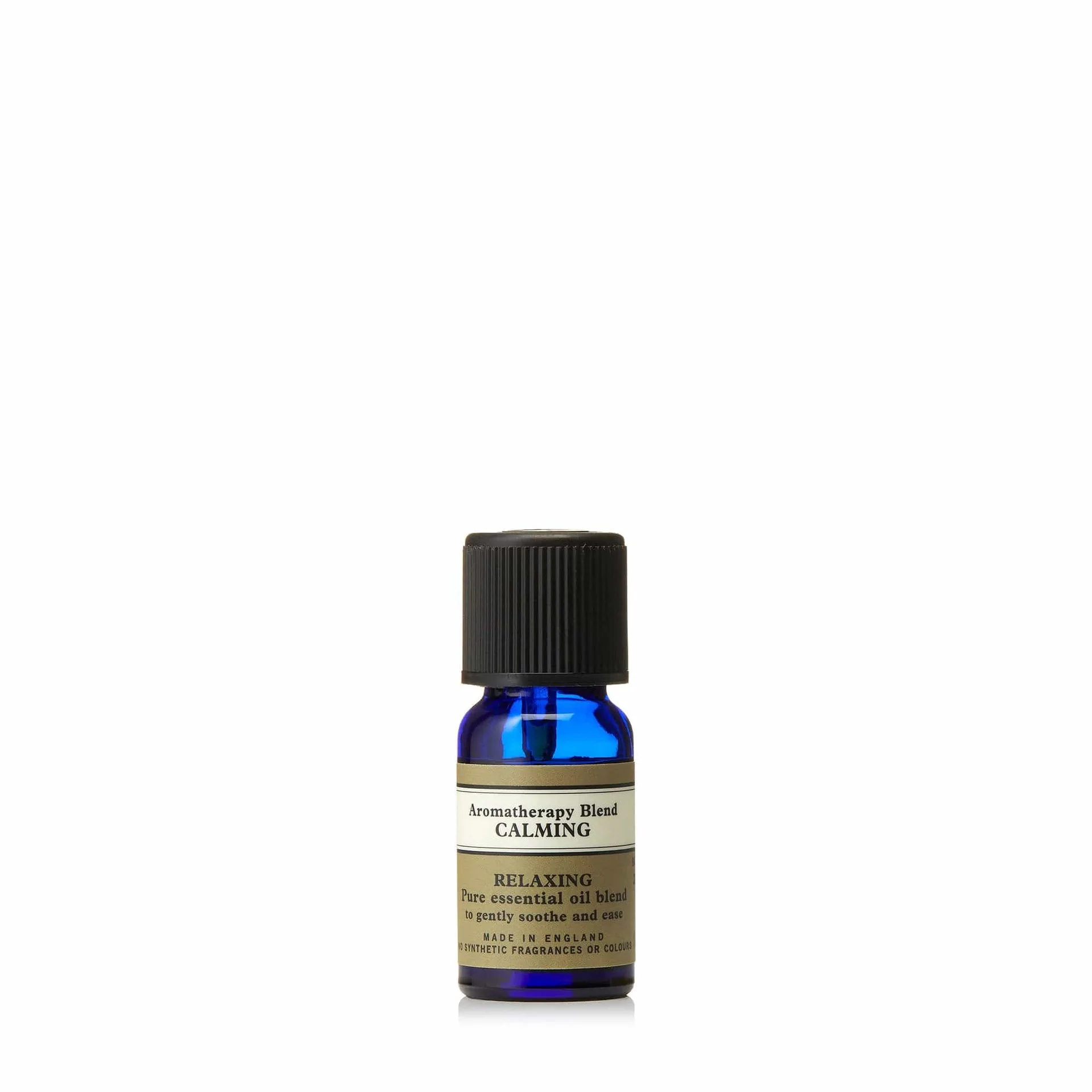
Aromatherapy Blend - Calming 10ml