Start with the specs that shape your care routine
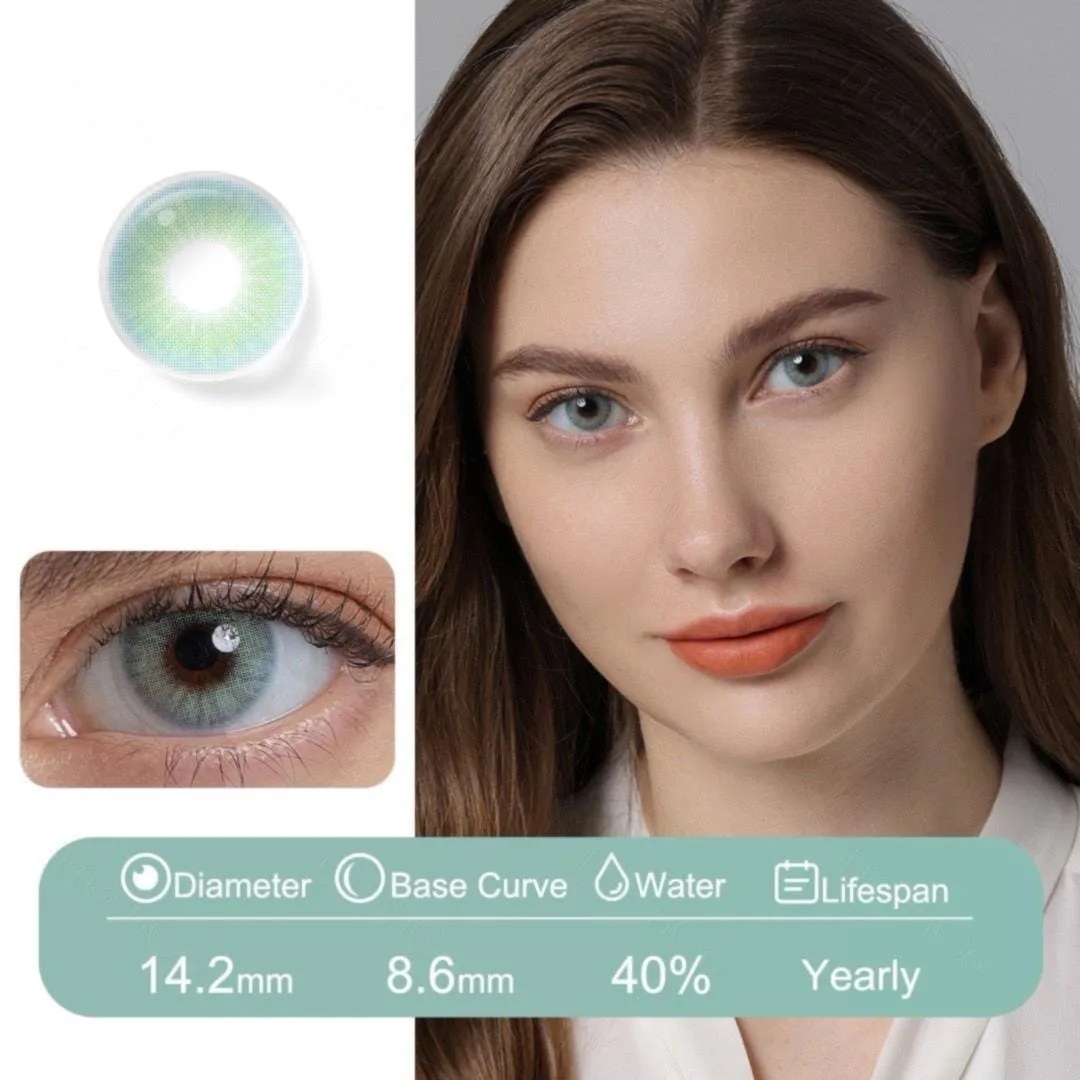
Cambuci Green Hidrocor Gen3 lenses are yearly replacement colored contacts with a 14.0mm diameter, 8.5mm base curve, and 40% water content. Those numbers matter for care because a lens with 40% water content sits differently on your eye than a higher-water lens, and the yearly replacement schedule means your handling and storage habits need to be consistent from the first wear to the last.
The catalog confirms the color, diameter, base curve, water content, and yearly replacement. It does not supply a manufacturer cleaning protocol, storage solution recommendation, or wear schedule. That means the routine below focuses on general colored contact lens hygiene principles and the product facts you can verify, rather than a made-up step-by-step from the brand.
Cambuci Green Hidrocor Gen3 at a glance
-
Cambuci Green Hidrocor Gen3 Colored Contact Lenses (Yearly): DIA: 14.0mm A 14.0mm diameter is a standard colored lens size, so your usual insertion and removal technique should apply.
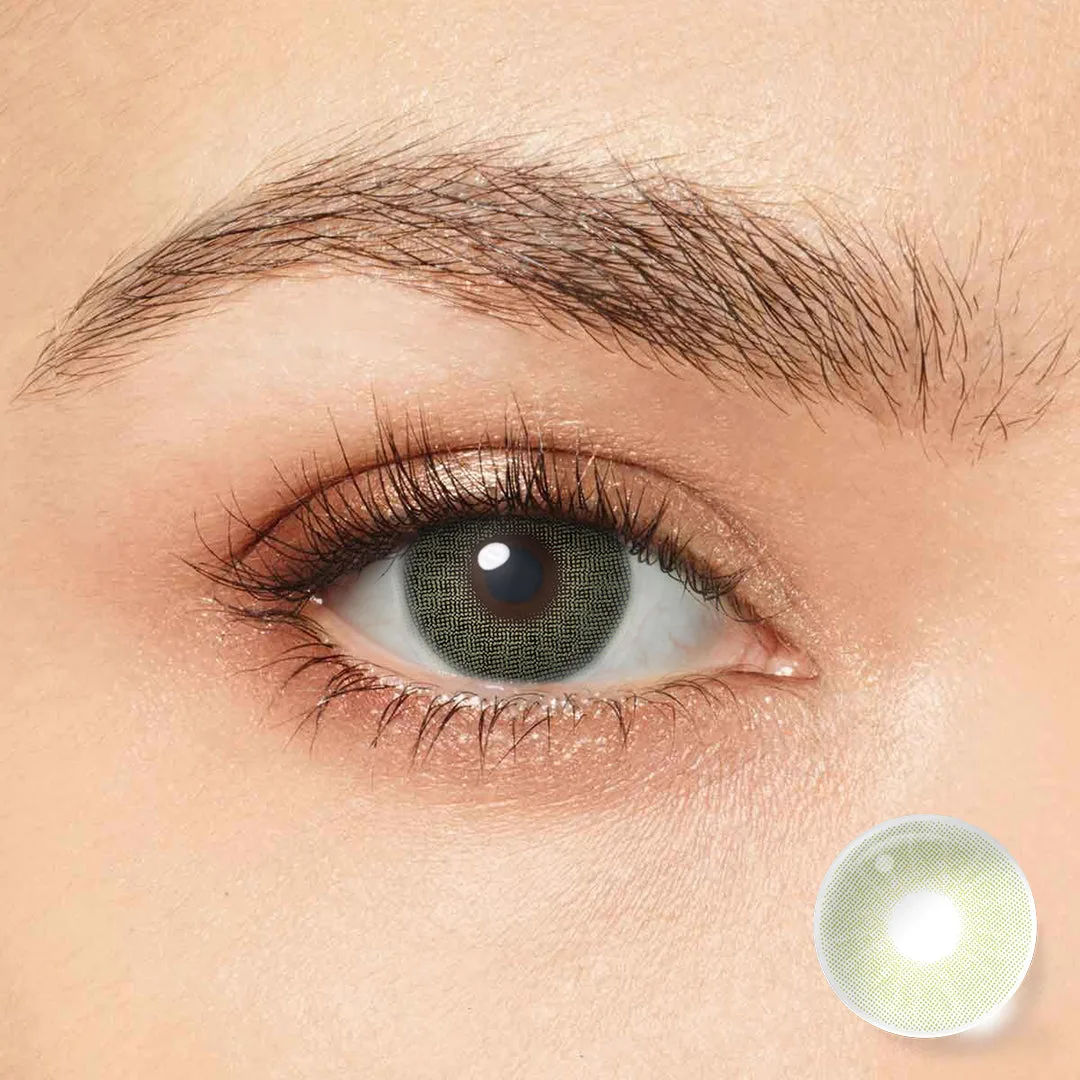
Cambuci Green Hidrocor Gen3 Colored Contact Lenses (Yearly)
-
Cambuci Green Hidrocor Gen3 Colored Contact Lenses (Yearly): BC: 8.5mm The 8.5mm base curve is the fit measurement to check against your own contact lens fitting before ordering.
-
Cambuci Green Hidrocor Gen3 Colored Contact Lenses (Yearly): Water: 40% Lower water content can feel different from high-water lenses, so consistent cleaning and storage matter for comfort.
-
Cambuci Green Hidrocor Gen3 Colored Contact Lenses (Yearly): Replacement: Yearly Yearly replacement means the lens is intended to be kept and cared for over a longer period than daily or monthly lenses.
A simple handling routine for yearly green lenses
These steps reflect standard colored contact lens hygiene practice. Because the supplied record does not include a manufacturer cleaning or storage protocol, confirm the specific solution and schedule with your eye care professional or the lens packaging.
- Wash and dry your hands first: Use soap and water, then dry with a lint-free towel before touching the lens. This is the single most reliable way to reduce contamination.
- Work over a clean surface: A yearly lens is easy to lose down a drain. Handle it over a closed sink or a clean towel so a dropped lens is recoverable.
- Use fresh solution, never water: Store and rinse the lens only with contact lens solution recommended for your lens type. Tap water is not a safe substitute for lens care.
- Keep the case clean: Replace solution in the case rather than topping it up, and let the case air-dry between uses. A dirty case undermines even careful lens handling.
- Check the lens before each wear: Look for tears, debris, or a change in shape. If the lens looks damaged, do not wear it.
Why the yearly schedule changes your storage habits
A yearly lens stays in your routine far longer than a daily or monthly lens, so storage discipline matters more. The catalog lists yearly replacement but does not specify a daily wear limit, a cleaning frequency, or a case replacement interval. Those details should come from your eye care professional or the lens packaging, not from guesswork.
One practical checkpoint: keep the lens in its case with fresh solution whenever it is not on your eye. Leaving a lens dry or in stale solution is a common cause of discomfort and premature replacement, regardless of the stated replacement schedule.
Hygiene checkpoints before and after wear
- Before wear: Confirm hands are clean and dry, the lens is intact, and the case has been cleaned recently.
- During wear: If the lens feels uncomfortable, remove it rather than rubbing your eye. Discomfort is a signal to check the lens and your routine.
- After wear: Clean and store the lens in fresh solution. Do not leave it out dry or in the same solution overnight without refreshing it.
What the catalog does not confirm about care
The supplied product record does not include a manufacturer cleaning protocol, a recommended disinfecting solution, a wear schedule, or a case replacement interval. It also does not confirm whether the lens is suitable for extended wear or for wearers with specific eye conditions. Treat those as questions for your eye care professional rather than assumptions.
If you are choosing between yearly and shorter-replacement colored lenses, the yearly schedule in the Cambuci Green Hidrocor Gen3 is a commitment to consistent care. If you prefer a lower-maintenance routine, a shorter replacement lens may suit you better, but check the available options and their supplied details before deciding.