Quick answer
If your main goal is boosting beneficial bacteria, camel milk kefir is the stronger choice because it naturally contains billions of probiotics. If you prefer a simpler, slightly sweet drink with no fermentation, fresh camel milk offers wholesome nutrition in its original form. Choose kefir for targeted gut support and fresh milk for everyday hydration and taste.
When you're exploring camel milk for gut health, you'll quickly meet two popular options: fresh camel milk and camel milk kefir. Both come from the same animal, but they serve different purposes. Fresh camel milk is the unfermented original, while kefir is a fermented probiotic drink with a tangy flavor.
This comparison breaks down what each offers, how they differ in practical ways, and which one fits your daily routine. We'll focus on the facts you can see and taste, so you can decide with confidence.
What's the difference between fresh camel milk and camel milk kefir?
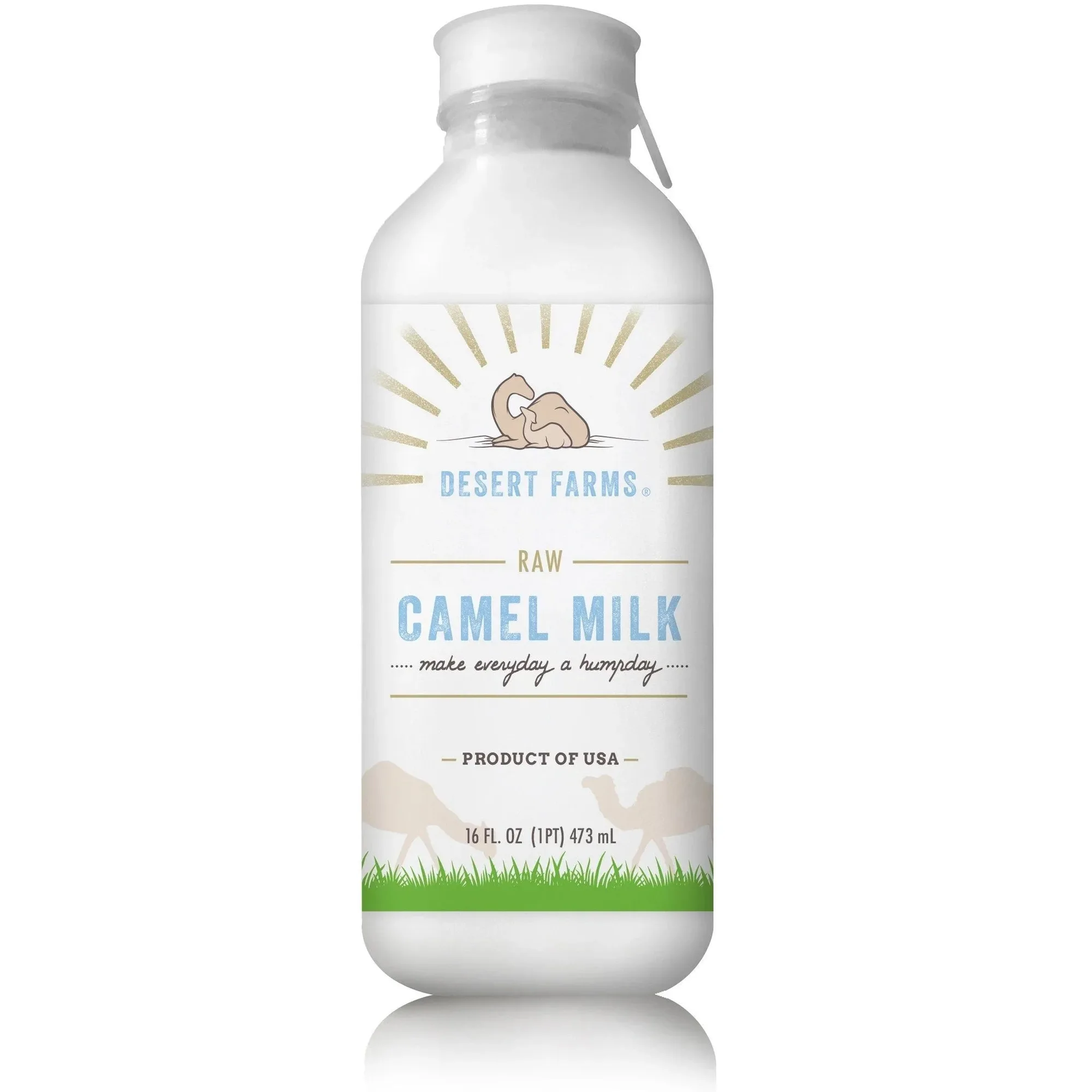
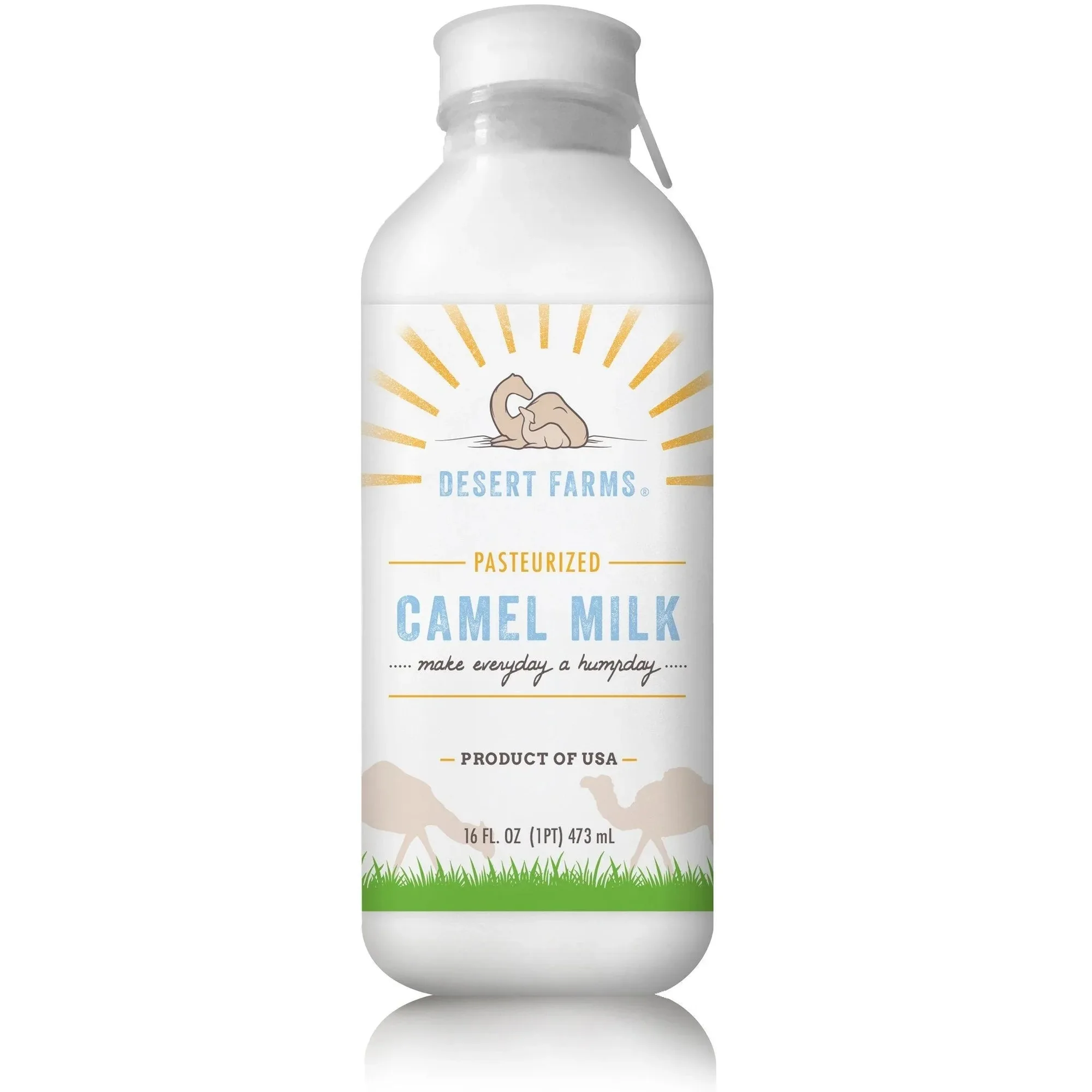
Fresh camel milk is exactly what it sounds like: milk straight from the camel, gently pasteurized and bottled. Desert Farms offers a Fresh Camel Milk option that is non-homogenized and free from artificial additives. It keeps the natural, slightly sweet taste that camel milk is known for.
Camel milk kefir, on the other hand, is fermented with kefir cultures. The fermentation process introduces beneficial bacteria and yeast, turning the milk into a probiotic drink. Desert Farms Camel Milk Kefir is described as a 100% natural probiotic yoghurt drink with a refreshing, creamy taste.
The key difference is fermentation. Kefir adds live cultures that fresh milk doesn't have, which is why it's often chosen for gut health. Fresh milk offers the original nutritional profile without the tangy flavor that fermentation brings.
- Fresh camel milk: naturally sweet, creamy, and unfermented.
- Camel milk kefir: tangy, fizzy, and packed with probiotics.
- Choose based on your taste preference and gut health goals.
Probiotic power: why kefir stands out for gut health
Camel milk kefir is specifically designed to support gut health. Each bottle naturally contains billions of beneficial microorganisms, including Bifidobacterium, Lactobacillus brevis, Lactobacillus paracasei, Lactococcus lactis, and Saccharomyces. These are the kinds of cultures that help maintain a balanced digestive system.
Fresh camel milk doesn't contain these added probiotics. It does provide natural proteins, vitamins, and carbohydrates, but it lacks the concentrated dose of live cultures found in kefir. If you're looking to actively introduce probiotics into your diet, kefir is the more direct option.
That said, fresh camel milk can still be part of a gut-friendly diet, especially if you're sensitive to fermented foods or prefer a milder taste. It's about matching the product to your specific needs.
- Kefir: billions of probiotics per bottle.
- Fresh milk: no added cultures, but natural nutrition.
- Consider kefir for targeted probiotic support.
Taste, texture, and how to use each
Fresh camel milk has a slightly sweet, creamy, and refreshing taste. It's easy to drink on its own, pour over cereal, or use in smoothies. Because it's non-homogenized, you might notice a natural cream layer at the top—just shake it before drinking.
Camel milk kefir has a tangier, more yogurt-like flavor with a thicker texture. It works well as a standalone drink, a base for smoothies, or even a substitute for buttermilk in baking. The fermentation gives it a distinct character that some people love and others take time to acquire.
If you're new to camel milk, you might start with fresh milk to appreciate the original taste. If you're already comfortable with fermented foods, kefir can be a seamless addition to your routine.
- Fresh milk: versatile and mild, good for everyday use.
- Kefir: tangy and thicker, best for probiotic-focused diets.
- Try both to see which flavor you prefer.
The trade-off: probiotics vs. simplicity
- Probiotic content: Kefir delivers billions of live cultures per bottle; fresh milk has none. If your priority is maximizing beneficial bacteria, kefir wins. Choose kefir for targeted gut support.
- Taste and texture: Fresh milk is slightly sweet and creamy; kefir is tangy and thicker. Your palate will decide which one you'll actually drink daily. Sample both to find your preference.
- Versatility: Fresh milk is easy to use in any recipe that calls for milk. Kefir adds a fermented twist to smoothies and baking. Pick fresh for neutral recipes, kefir for probiotic-rich meals.
Product facts at a glance
- Camel Milk Kefir (Frozen): Desert Farms Camel Milk Kefir is a 100% Natural probiotic yoghurt drink, with a refreshing, creamy taste. Each bottle naturally contains billions of Bifidobacterium, Lactobacillus brevis, Lactobacillus paracasei, Lactococcus lactis, and Saccharomyces. This is the product to choose when you want a concentrated, natural source of probiotics for gut health without relying on supplements.
- Camel Milk (Fresh): Desert Farms Whole Camel Milk is 100% Natural, gently pasteurized, pasture-raised, and non-homogenized. It contains no artificial additives and has a fresh, wholesome taste from sweet grasses. If you prefer an unfermented, naturally sweet milk that's as close to the source as possible, this is your everyday option.
Which one fits you?
Best for
- People who want a direct, natural source of probiotics to support gut health.
- Those who enjoy fermented, tangy flavors and thicker drink textures.
Not for
- Anyone who prefers a mild, slightly sweet milk without fermentation.
- Those who are new to fermented foods and want to start with a simpler taste.
Both camel milk kefir and fresh camel milk have a place in a healthy diet. If your focus is gut health and you're ready for a tangy, probiotic-rich drink, kefir is the clear choice. If you want a natural, versatile milk that's easy to enjoy every day, fresh camel milk delivers. Consider your taste, your health goals, and your daily routine—then pick the one that fits.