Whether you're car camping with a full kitchen or backpacking light, the right flatware can make or break your outdoor dining experience. A good camping flatware set balances weight, durability, and comfort so you can enjoy every meal without bending spoons or dull knives.
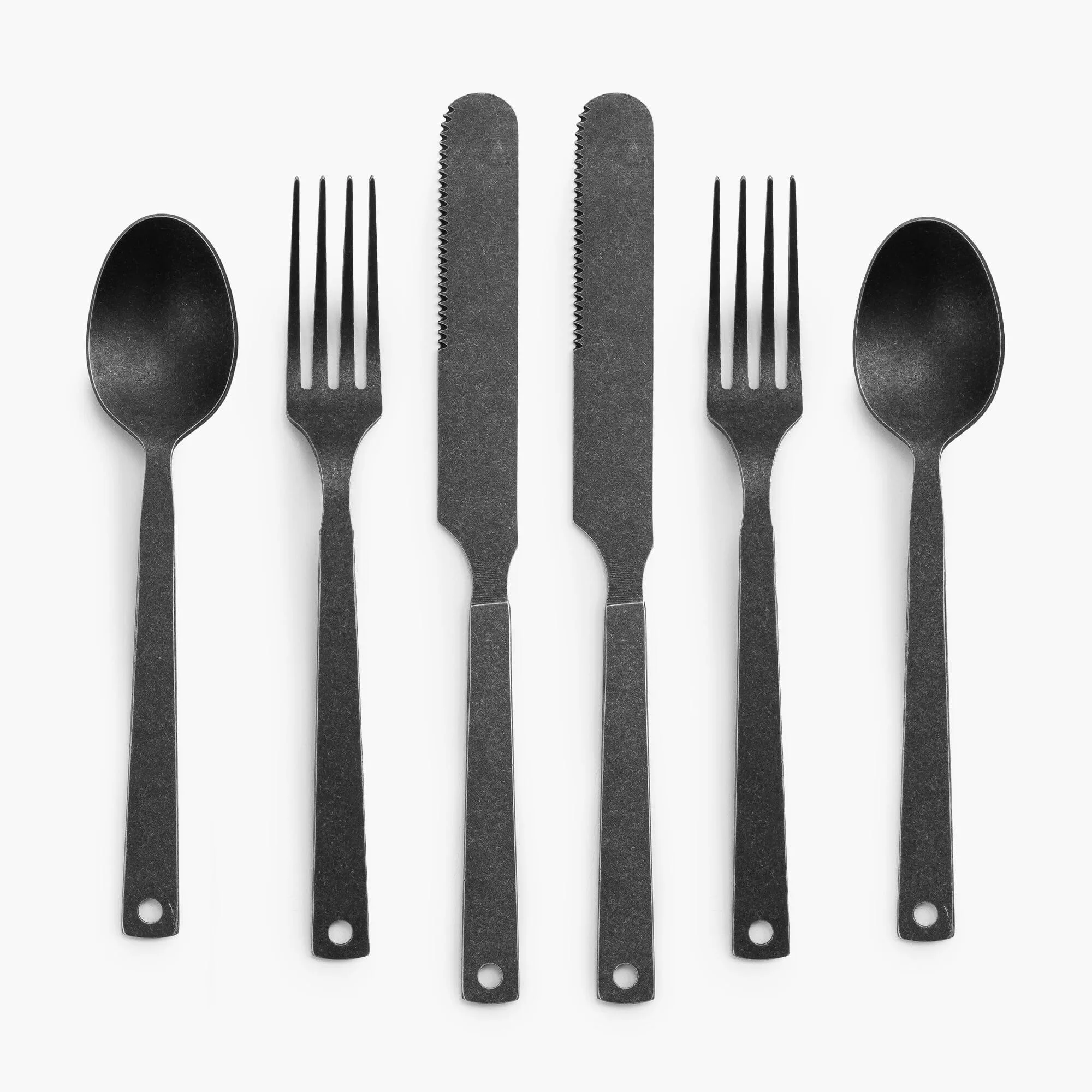
flatware set
This guide covers the key factors to consider when choosing your next set: material, weight, finish, and how it fits with the rest of your cook & dine gear. We'll also highlight a few complementary Barebones products that pair well with quality flatware.
Materials Matter: Stainless Steel vs. Titanium vs. Bamboo
The most common materials for camp flatware are stainless steel, titanium, and bamboo. Stainless steel is affordable, sturdy, and resists rust—but it's heavier. Titanium is ultralight and strong, ideal for backpackers, though it can be pricey. Bamboo is lightweight and renewable, but less durable under heavy use and can splinter over time.
For most car camping or family outings, a stainless steel set offers the best balance of cost and durability. Look for 18/8 or 304 stainless steel for good corrosion resistance. If you prioritize pack weight, titanium is worth the investment. Avoid plastic sets; they break easily and don't hold up well with hot food or repeated washing.
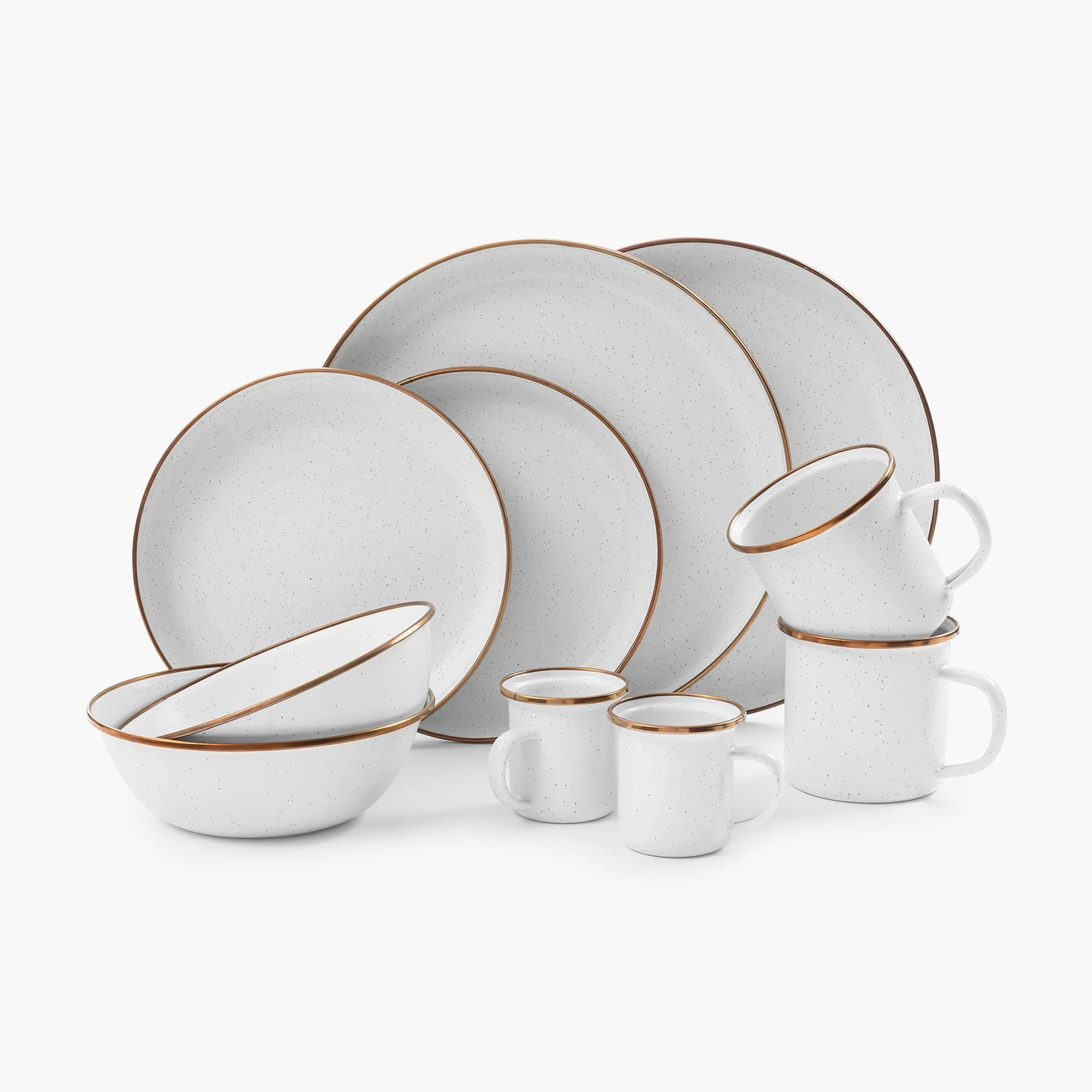
- Tip: Pair your flatware with a sturdy plate like the https://solpick.shop/products/rolled-enamelware-plate-set-117218https://solpick.shop/products/rolled-enamelware-plate-set-117222https://solpick.shop/products/rolled-enamelware-plate-set-117223Rolled Enamelware Plate Set for a coordinated, space-saving setup.
Size and Weight: What to Look For in a Compact Set
A camping flatware set should be compact enough to fit in your mess kit or day bag, but still comfortable to hold. Look for sets that nest together or include a carrying case. Fork tines should be long enough to spear food, and spoon bowls deep enough for soup. Knives should have a serrated edge for cutting through tougher items like steak or vegetables.
Weight matters most if you're hiking. A typical three-piece stainless set weighs around 3-4 ounces. Titanium sets can drop to under 2 ounces. For car camping, an extra ounce is negligible, so prioritize comfort and sturdiness. Some sets come with a folding or detachable handle to reduce volume.
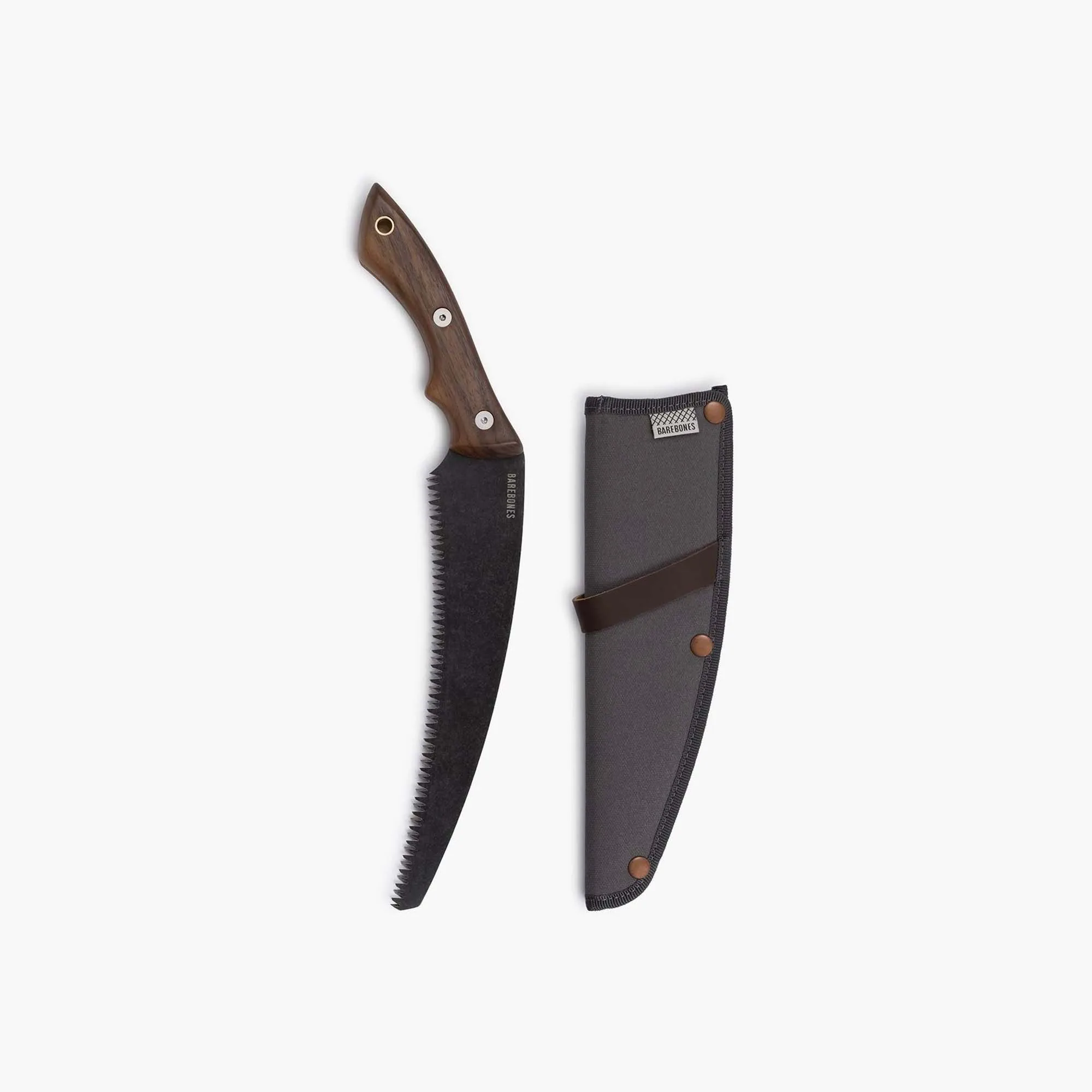
- Tip: If you cook over a fire, a longer handle keeps your hands away from heat. A good chef knife, like the No. 8 Chef Knife, can handle prep work so your flatware stays for eating only.
Design and Durability: Essential Features for Long-Term Use
Durability isn't just about material—it's also about how the flatware is constructed. Look for one-piece designs where the handle and head are forged together. Avoid sets with riveted or glued handles; they can loosen or break at the joint. Smooth, rounded edges prevent discomfort and make cleaning easier.
Finishes matter too. Brushed or matte finishes hide scratches better than polished ones. Some flatware has a textured handle for grip when hands are wet or greasy. If you plan to use your flatware with nonstick cookware, check that the edges aren't sharp enough to scratch coatings.
- Tip: After meals, clean your flatware with sand or snow if water is scarce. Avoid using abrasive scrubbers on coated or bamboo sets.
How Camp Flatware Fits Into Your Overall Cook & Dine Setup
Your flatware is just one part of your outdoor dining kit. To make meals enjoyable, coordinate your gear. A lightweight set pairs well with a compact stove and a single pot. For a more leisurely camp kitchen, include a plate, bowl, and a quality knife for chopping ingredients.
Barebones offers a range of dining essentials that complement any camping flatware set. The Rolled Enamelware Plate Set is great for portioning and stacks neatly. The No. 8 Chef Knife handles most on-site prep, so your flatware knife can be simpler. Consider a Classic Crossback Apron to keep your tools organized while cooking.
- Tip: When shopping for the best outdoor flatware, think about how it will store and travel. A simple roll or pouch keeps it clean and together.
Choosing a camping flatware set is a small decision that can improve every meal outdoors. Focus on material, weight, and design that fit your style—whether that's minimalist backpacking or relaxed car camping. Pair it with durable plates and a good chef knife, and you'll be set for many seasons of outdoor dining.