Quick Answer
A leather bullwhip is not a practical or legal self-defense tool for most people. While it can cause pain and deter an animal or person, it requires extensive skill, carries serious legal risks, and is outperformed by modern alternatives.
Legal Reality Check
In many jurisdictions, carrying a bullwhip for self-defense is illegal or considered a weapon, which can lead to charges. Even in places where it's legal, using it against a person may be seen as excessive force. Always check local laws before considering a whip for protection.
Skill Requirement
Using a bullwhip effectively requires months of practice. Without training, you're more likely to injure yourself or miss your target. The 16-plait cowhide overlay on our Bull Whip is durable, but it won't compensate for lack of skill.
Myth vs. Fact
- Myth: A bullwhip is an easy self-defense weapon: Fact: It requires significant practice to crack accurately and safely. Without training, you risk hitting yourself or bystanders.
- Myth: A bullwhip is legal to carry anywhere: Fact: Many countries and states classify bullwhips as weapons. Carrying one for self-defense may lead to legal trouble. Check your local weapon laws before purchasing.
- Myth: A bullwhip is more effective than pepper spray or a taser: Fact: Pepper spray and tasers are easier to use, more reliable, and often legal for self-defense. A whip requires space and skill. Consider modern self-defense tools as primary options.
Product Facts
-
Bull Whip 6, 8, 10, 12, 14 & 16 Feet long 16 Strands Cowhide Leather Equestrian Bullwhip Indiana Jones: This bullwhip features a 16-plait cowhide leather overlay and a steel rod inside the 9-inch handle for rigidity. The steel rod makes the handle heavy and stiff, which can improve control for experienced users but adds weight for carry.
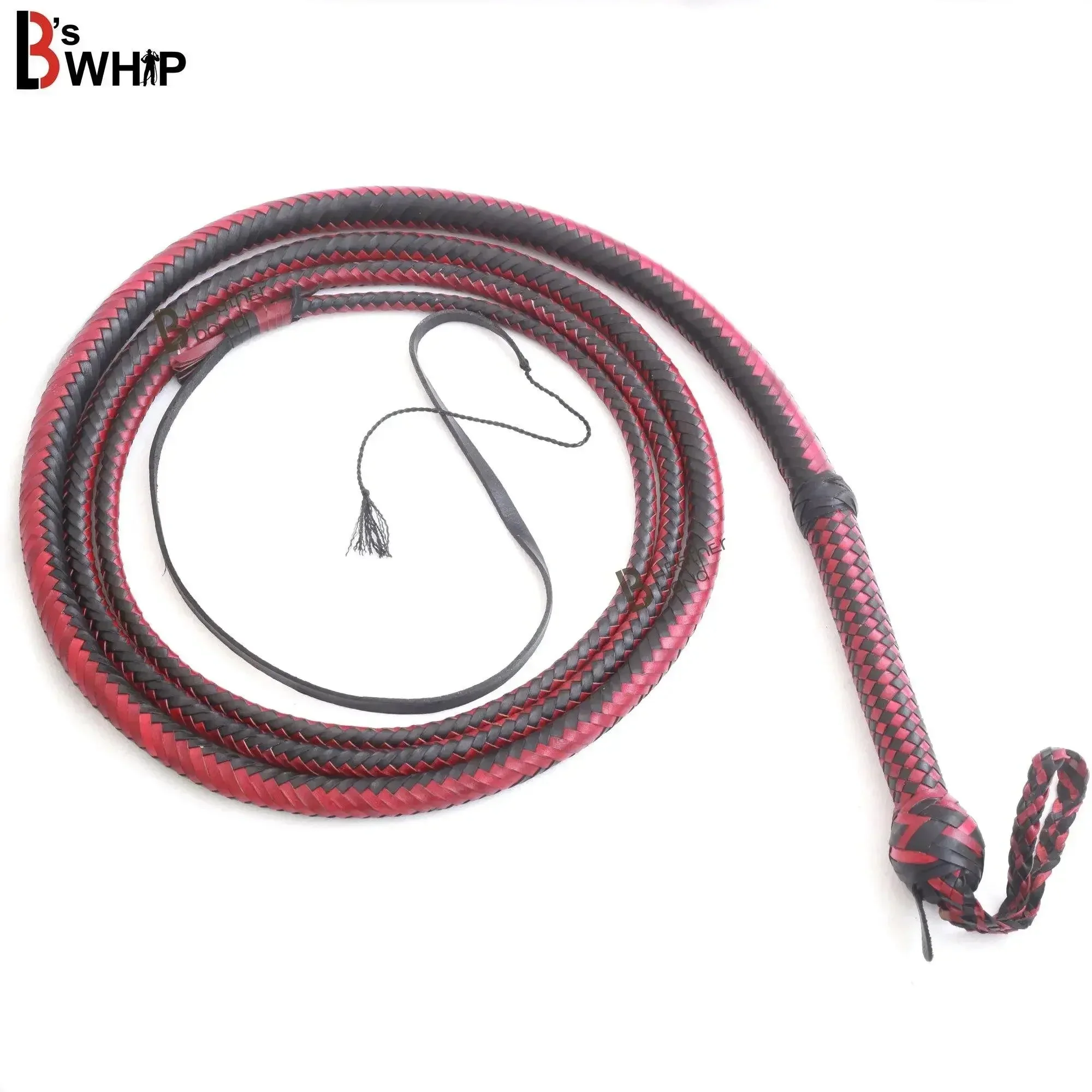
Bull Whip 6, 8, 10, 12, 14 & 16 Feet long 16 Strands Cowhide Leather Equestrian Bullwhip Indiana Jones