The short answer
Aloe vera gel can replace a lightweight moisturizer for some skin types and situations, but it is not a universal swap. The decision depends on your skin's hydration needs, the climate you live in, and how you plan to layer the product. Dr. Barbara Sturm's Aloe Vera Gel is formulated to soothe and hydrate, but its lightweight gel texture may not provide enough occlusion for drier skin types or cold weather.
What the catalog confirms about Dr. Barbara Sturm Aloe Vera Gel
-
ALOE VERA GEL: The gel offers a soothing and refreshing skincare experience, formulated with clean, effective ingredients. It is designed to calm the skin, making it a good candidate for sensitive or irritated skin types.
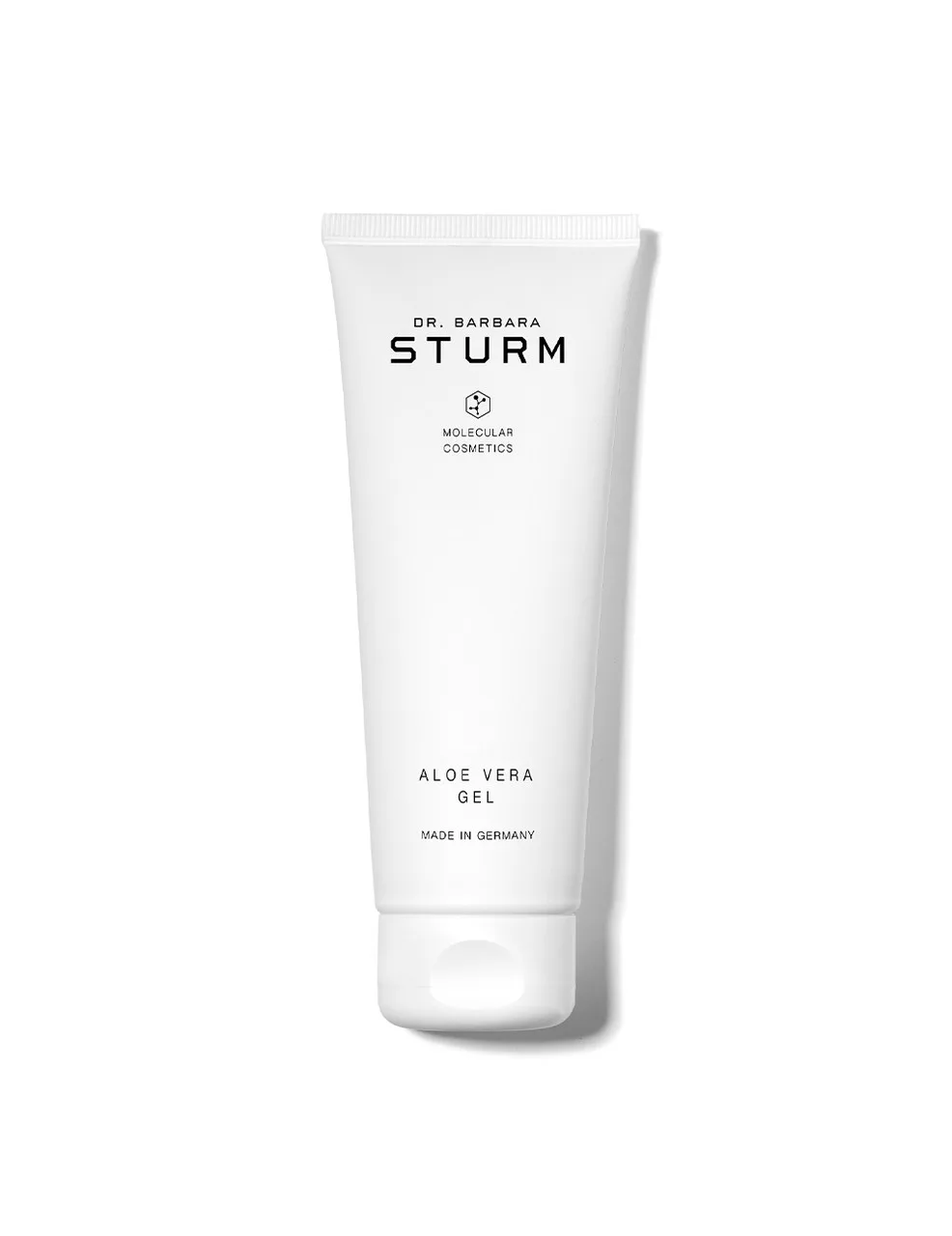
ALOE VERA GEL
-
ALOE VERA GEL: It has a lightweight gel texture that absorbs quickly, leaving skin feeling soft and comfortable. This texture is ideal for oily or combination skin, but may not provide enough lasting moisture for dry skin.
-
ALOE VERA GEL: Aloe vera is known for its soothing properties, helping to reduce the appearance of redness and irritation. If redness or irritation is a concern, this gel can serve as a soothing layer, but it does not claim to treat underlying conditions.
-
ALOE VERA GEL: It can be used as a daily moisturizer, a cooling after-sun treatment, or a calming layer under makeup. This versatility means it can replace a moisturizer in some routines, but the brand itself presents it as an option, not a replacement for all moisturizers.
When aloe vera gel can replace your moisturizer
If you have oily or acne-prone skin, a lightweight gel like Dr. Barbara Sturm's Aloe Vera Gel may provide sufficient hydration without clogging pores or feeling heavy. In hot, humid weather, many people find that a gel is more comfortable than a cream. The gel's quick absorption also makes it a good base under makeup.
For those who use a separate serum or treatment that already provides substantial hydration, aloe vera gel can serve as a final step that seals in moisture without adding weight.
When a face cream is still the better choice
If your skin is dry, dehydrated, or you live in a cold or dry climate, a gel alone may not provide enough lasting moisture. Face creams typically contain occlusive ingredients like oils or butters that prevent water loss, while gels are primarily humectants that attract water but do not always lock it in.
The catalog does not specify the exact occlusive properties of the Aloe Vera Gel, so if you wake up with tight or flaky skin after using it alone, you likely need a richer moisturizer on top or instead.
How to test if aloe vera gel works as your moisturizer
- Patch test first: Apply the gel to a small area of your face for a few days to see how your skin reacts.
- Try it for a week without other moisturizers: Use the gel as your only moisturizer in the morning and evening. Note any tightness, dryness, or breakouts.
- Layer if needed: If your skin feels dry after an hour, consider applying a few drops of facial oil or a lightweight cream over the gel.
What the catalog does not tell you
The supplied information does not specify the gel's exact humectant or occlusive ingredients, so we cannot confirm its long-term hydrating capacity compared to a traditional moisturizer. It also does not include instructions for how often to apply it as a moisturizer replacement. As with any skincare switch, monitor your skin's response and adjust accordingly.