Quick Answer
Herbal teas can be a comforting part of a wellness routine, but they are not a cure-all. Some herbs have traditional uses that may support your body’s natural defenses, yet no tea can replace a healthy lifestyle or medical treatment. Choose blends with organic, clean ingredients and enjoy them as one piece of a balanced approach.
You’ve probably seen claims that a certain tea can “boost” your immune system overnight. The truth is more nuanced. Herbal teas have been used for centuries in traditional wellness practices, and certain herbs are valued for their potential to support the body’s natural responses. But do they actually work? Let’s separate fact from fiction.
In this article, we’ll look at what science says about herbal tea and immunity, which herbs are traditionally linked to immune health, and how to choose a quality blend. We’ll also bust some common myths so you can make informed choices without falling for exaggerated promises.
What Does Science Say About Tea and Immunity?
The immune system is complex, and no single food or drink can magically strengthen it. However, certain herbs contain compounds that are studied for their antioxidant and anti-inflammatory properties, which may support overall wellness. For example, ginger and turmeric are often highlighted in traditional medicine for their potential to support the body’s natural inflammatory response.
That said, clinical evidence for herbal teas specifically is limited. Most studies focus on isolated compounds or extracts, not on the tea you brew at home. So while a cup of herbal tea can be a soothing ritual that supports hydration and relaxation—both important for immune function—it’s not a proven immune booster. Think of it as a supportive habit, not a treatment.
- Look for blends that list organic herbs, as they avoid synthetic pesticides that might interfere with your wellness goals.
Common Immunity Tea Myths—Busted
Myth 1: A single cup of tea will prevent colds. Fact: No tea has been proven to prevent illness. Herbal teas may support your body’s natural defenses, but they don’t replace handwashing, sleep, or a balanced diet.
Myth 2: All herbal teas are equally effective. Fact: The quality and quantity of herbs matter. A blend with a few key herbs in meaningful amounts is different from a tea with just a sprinkle of flavoring. Choose brands that are transparent about ingredients and sourcing.
Myth 3: Herbal teas are safe for everyone. Fact: Some herbs can interact with medications or affect certain conditions. If you’re pregnant, nursing, or on medication, check with your healthcare provider before adding new herbal teas to your routine.
Which Herbs Are Traditionally Used for Immune Support?
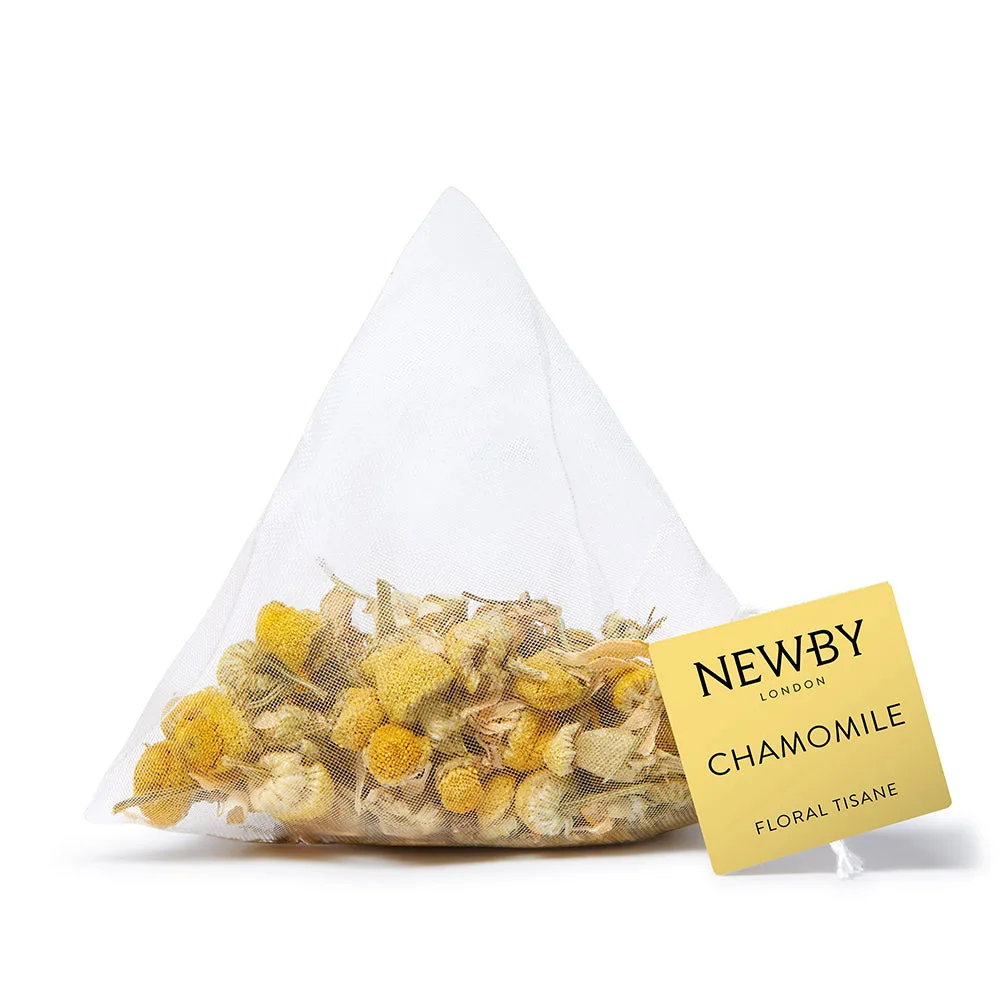
While no herb is a magic bullet, some are traditionally valued for their potential to support immune health. Echinacea, elderberry, and ginger are often mentioned in wellness circles. Other herbs like chamomile and peppermint are known for their calming effects, which can indirectly support immunity by reducing stress and improving sleep.
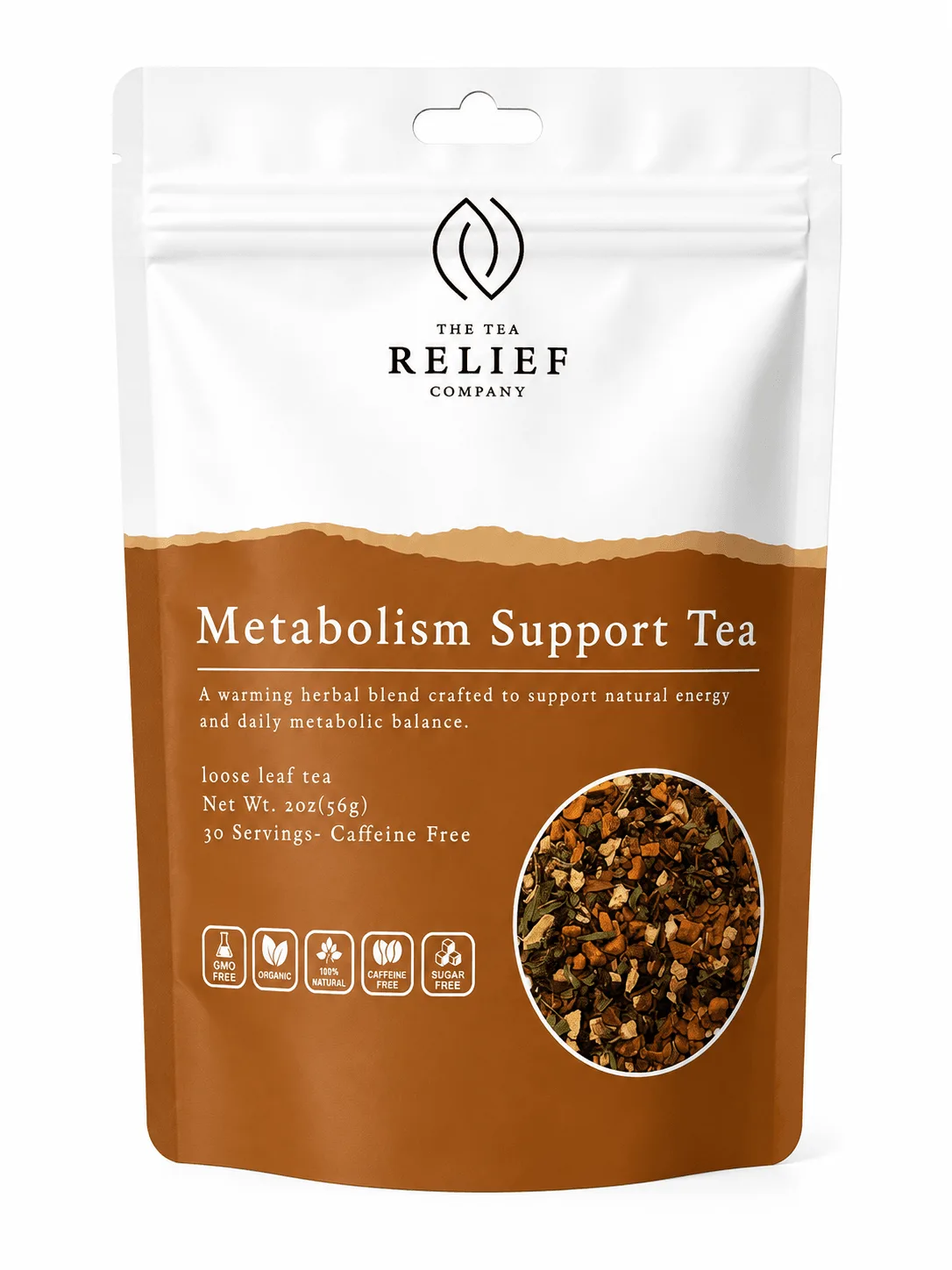
In the blends from The Tea Relief Company, you’ll find organic herbs that are traditionally used for their soothing and supportive properties. For example, Metabolism Support Tea features a warming blend designed to support natural energy and daily metabolic balance. Organic Pain Tea includes herbs traditionally used to support the body’s natural comfort response and promote relaxation. These are not immune-boosting claims, but they reflect a holistic approach to wellness.
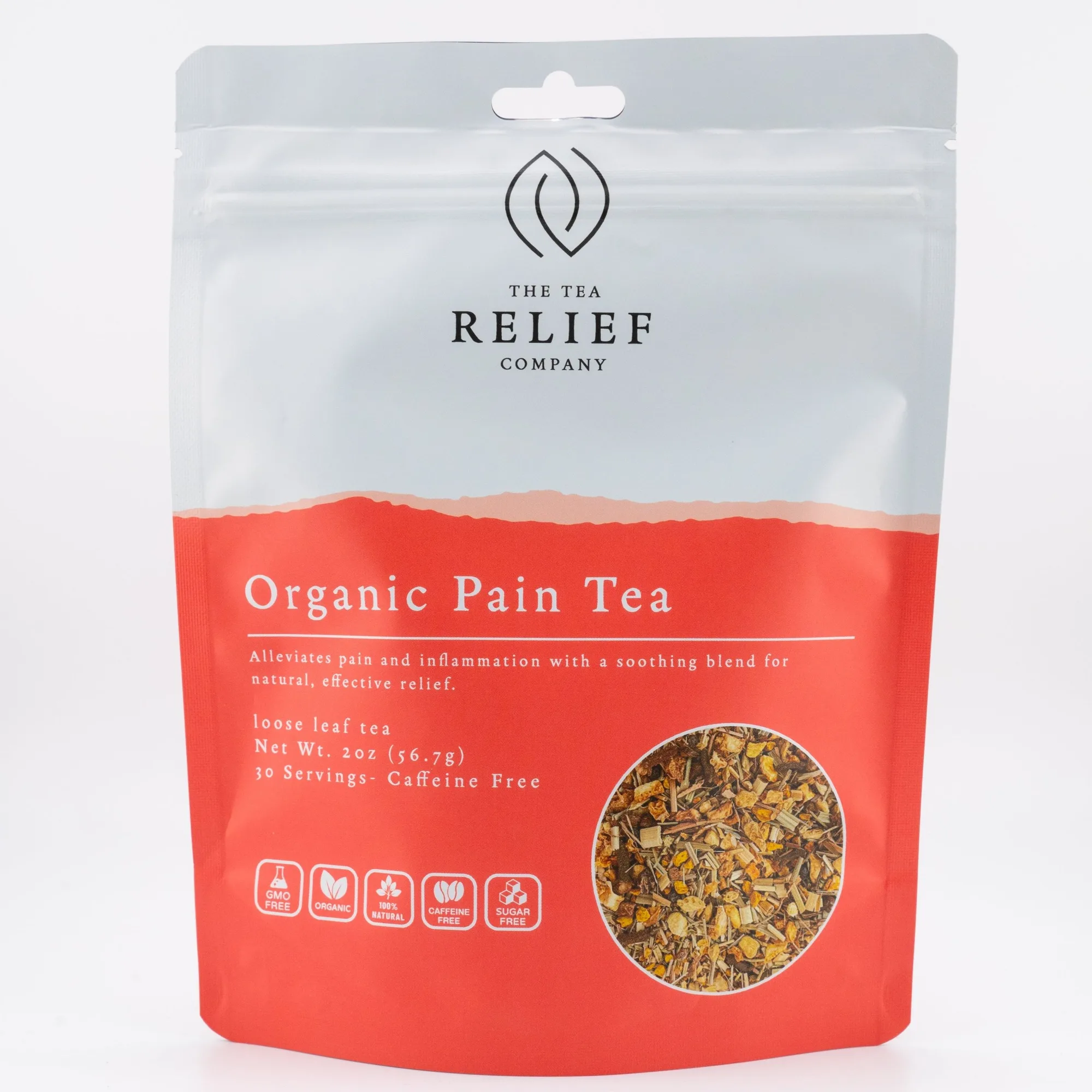
Organic Pain Tea
How to Choose a Quality Herbal Tea for Wellness
When shopping for a herbal tea, look for organic certification, which indicates fewer synthetic inputs. Check the ingredient list—whole herbs and spices are preferable to vague “natural flavors.” Also consider the form: loose leaf or powder blends often contain more of the plant material than tea bags, which may be filled with dust or fillers.
Finally, think about your personal wellness goals. If you want a caffeine-free option to wind down, a calming blend like Organic Pain Tea might suit you. If you’re looking for something to support your metabolism, Metabolism Support Tea is a caffeine-free choice. None of these are immune cures, but they can be part of a daily ritual that supports your overall health.
The Verdicts on Common Immunity Tea Claims
- Herbal tea can boost your immune system: No tea has been proven to boost immunity directly. Some herbs may support overall wellness, but they are not a cure. Enjoy herbal tea as a supportive habit, not a treatment.
- Organic herbs are better for you: Organic certification means fewer synthetic pesticides, which is better for your body and the environment. Choose organic blends when possible.
- All herbal teas are the same: Quality and ingredient transparency vary. Whole herbs and clear labels make a difference. Read labels and pick blends with real herbs.
Products That Fit a Wellness Routine
- Organic Pain Tea: A warm, soothing blend featuring organic herbs traditionally used to support the body’s natural comfort response, promote relaxation, and support the body’s natural inflammatory response. If you’re looking for a caffeine-free tea to help you unwind and support your body’s natural balance, this blend offers a gentle, plant-based option.
- Metabolism Support Tea: A warming, caffeine-free herbal blend designed to gently support your metabolism and sustain your energy throughout the day. It is organic, 100% natural, and sugar-free. For those who want a daily ritual that supports energy without caffeine, this blend can be a practical addition to your wellness routine.
Herbal teas won’t replace a healthy lifestyle, but they can be a comforting and supportive part of your daily routine. Choose organic, clean blends, and enjoy them for what they are—a simple pleasure that may support your body’s natural balance. For a caffeine-free option, consider Organic Pain Tea or Metabolism Support Tea from The Tea Relief Company.