When stress and anxiety strike, most of us reach for deep breaths, a walk, or a cup of tea. But what if something as simple as a glass of water could help calm your mind? Emerging research suggests a powerful, often overlooked link between hydration and mental health. Dehydration doesn’t just leave you thirsty—it can directly impact your mood, cognitive function, and stress levels.
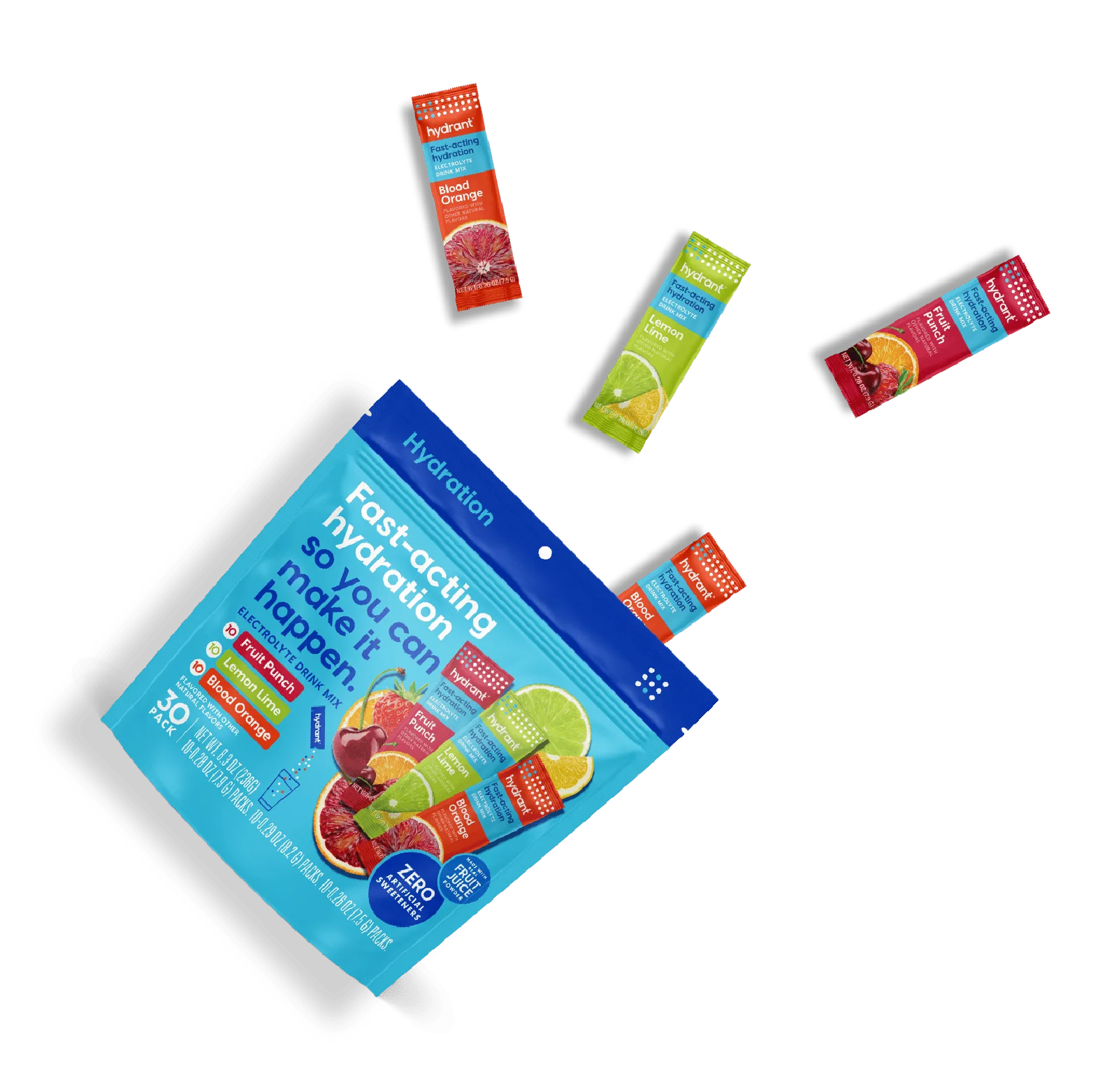
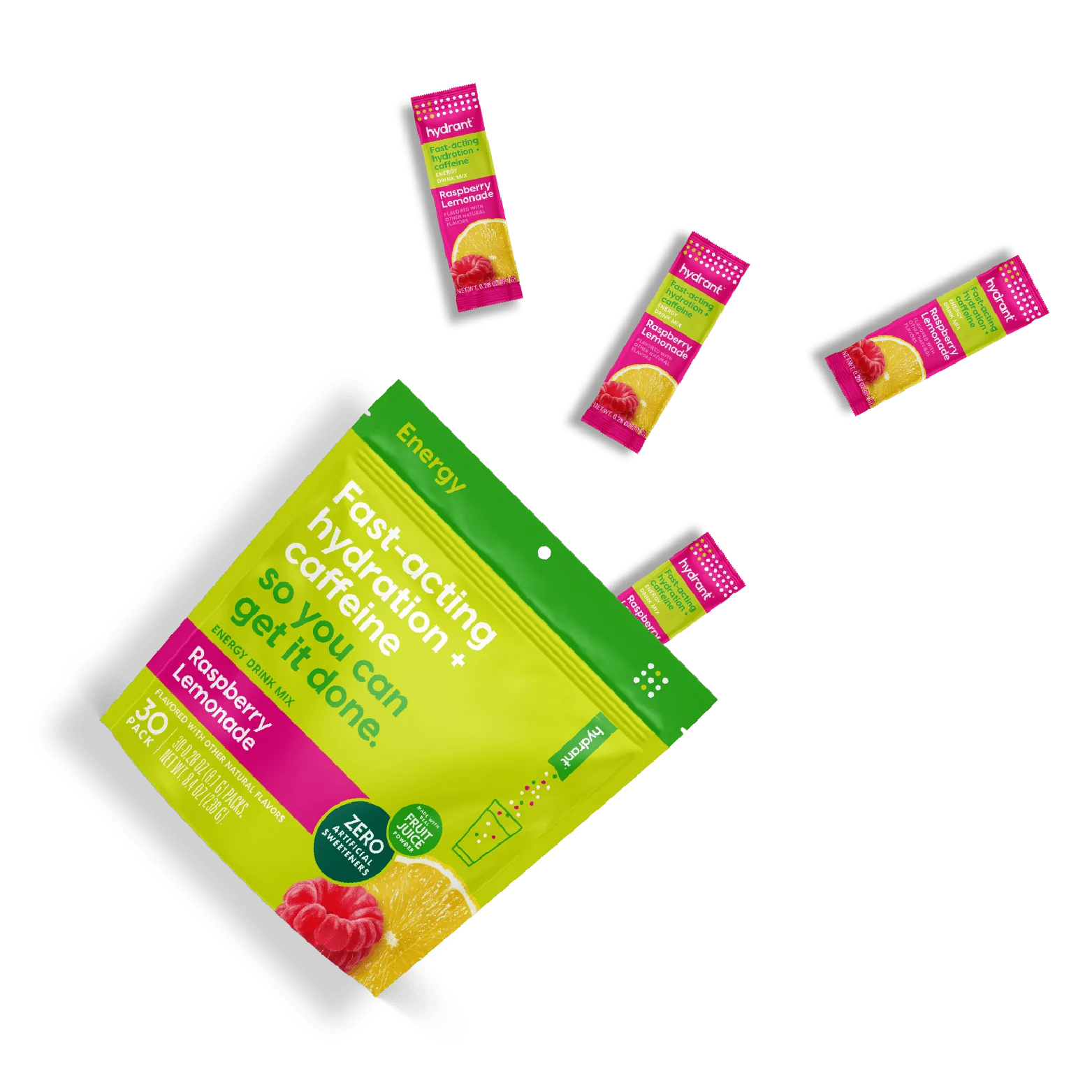
In this article, we’ll explore how dehydration fuels anxiety, why electrolytes matter for your nervous system, and how strategic hydration can become a practical tool for stress relief. Plus, we’ll highlight how products like Hydrant Hydrate and Hydrant SLEEP can support both your body and mind.
The Hydration-Anxiety Connection: What Science Says
Your brain is about 73% water. Even mild dehydration—losing as little as 1-2% of your body weight in water—can shrink brain tissue temporarily and reduce blood flow to critical areas. This triggers the release of cortisol, your primary stress hormone, which can amplify feelings of anxiety, tension, and irritability.
A 2018 study published in the Journal of Nutrition found that even mild dehydration led to significant declines in mood, increased fatigue, and higher perceived task difficulty. Participants reported feeling more anxious and less calm. In other words, when your body is low on water, your brain perceives it as a threat—and responds with a stress signal.
- Dehydration increases cortisol levels, directly mimicking a stress response.
- Chronic low water intake has been linked to higher rates of mood disorders.
- Electrolytes like sodium, potassium, and magnesium help regulate nerve signals and muscle relaxation—key for calming anxiety.
How Electrolytes Calm Your Nervous System
Hydration isn’t just about water—it’s about the balance of electrolytes that help your nerves and muscles communicate. Magnesium, in particular, is often called the “calming mineral” because it binds to GABA receptors in the brain, promoting relaxation and reducing excitability. Low magnesium levels are associated with increased anxiety, insomnia, and muscle tension.
Sodium and potassium are equally important. They maintain the electrical gradient that allows nerve impulses to fire smoothly. When these are out of balance—common after sweating, alcohol, or poor diet—your nervous system can become hyper-reactive, making you more prone to stress. A well-formulated electrolyte drink like Hydrant Hydrate provides optimal ratios of sodium, potassium, and magnesium to support steady nerve function.
- Magnesium helps activate the parasympathetic nervous system (rest and digest).
- Potassium stabilizes heart rhythm and reduces palpitations linked to anxiety.
- Sodium supports adrenal function and blood volume, preventing dizziness and panic-like symptoms.
Practical Hydration Strategies for Stress Relief
To use hydration as a tool for anxiety management, consistency is more important than chugging water when you feel stressed. Start your morning with 8–12 ounces of water with electrolytes—this rehydrates you after sleep and sets a calm baseline. Throughout the day, sip water with electrolytes rather than plain water, especially if you’re active, stressed, or consuming caffeine.
For evening wind-down, consider a hydration blend that includes sleep-supportive ingredients. Hydrant SLEEP combines magnesium, GABA, and L-theanine—all of which are clinically studied to reduce anxiety and promote deep rest. This can help break the cycle of stress-induced insomnia that often worsens anxiety the next day.
- Drink 8–12 oz of electrolyte water within 30 minutes of waking.
- Pair hydration with deep breathing for a dual calming effect.
- Avoid excessive plain water without electrolytes, which can dilute sodium and worsen anxiety.
Real-World Benefits: From Morning Stress to Evening Calm
Imagine starting a high-pressure workday. Instead of reaching for coffee on an empty stomach—which can spike cortisol—you sip a glass of Hydrant Hydrate with electrolytes. Your energy feels steady, your mind is clear, and that jittery edge is gone. Later, after a tough afternoon, you mix Hydrant SLEEP into your evening routine. The combination of magnesium and L-theanine helps quiet racing thoughts, so you fall asleep faster and wake up more refreshed.
These aren’t just hypotheticals. Many users report that consistent electrolyte hydration reduces their baseline anxiety, improves focus, and helps them handle stressful situations with more composure. By supporting your body’s electrolyte balance, you’re giving your nervous system the raw materials it needs to stay resilient.
Hydration is one of the simplest, most accessible tools for managing anxiety and stress. By choosing the right electrolyte blend, you can support your brain, calm your nerves, and build resilience against daily pressures. If you’re ready to start your journey toward a calmer, more hydrated you, explore Hydrant Hydrate to find the perfect fit for your lifestyle.