Migraines and tension headaches affect millions worldwide, often disrupting work, sleep, and daily life. While triggers vary widely—from stress to certain foods—one common culprit is frequently overlooked: dehydration. Even mild fluid loss can lead to a dehydration headache, and for migraine sufferers, the consequences can be severe. Understanding the link between hydration and headache relief is a powerful step toward natural prevention.
In this article, we’ll dive into the science of how hydration impacts headache frequency and intensity, explain why electrolytes matter more than water alone, and offer practical tips to stay ahead of dehydration-related pain. Whether you’re prone to migraines or occasional tension headaches, optimizing your hydration routine could be the key to lasting relief.
The Science Behind Dehydration Headaches
Your brain is about 75% water, and even a 1–2% drop in hydration levels can cause your brain tissue to temporarily shrink, pulling away from the skull. This triggers pain receptors, resulting in a dehydration headache. Studies show that dehydration can also reduce blood volume and oxygen flow to the brain, intensifying headache symptoms. For migraine sufferers, this fluid imbalance can act as a catalyst, lowering the threshold for an attack.
Electrolytes—sodium, potassium, magnesium, and calcium—play a crucial role in maintaining fluid balance and nerve function. When you’re dehydrated, these minerals become depleted, disrupting electrical signaling in the brain. Replenishing electrolytes can help restore equilibrium faster than water alone. Products like Hydrant Hydrate | Rapid Hydration Mix with Electrolytes are specifically formulated to deliver the optimal ratio of electrolytes for rapid absorption, making them an effective tool for preventing dehydration headaches before they start.
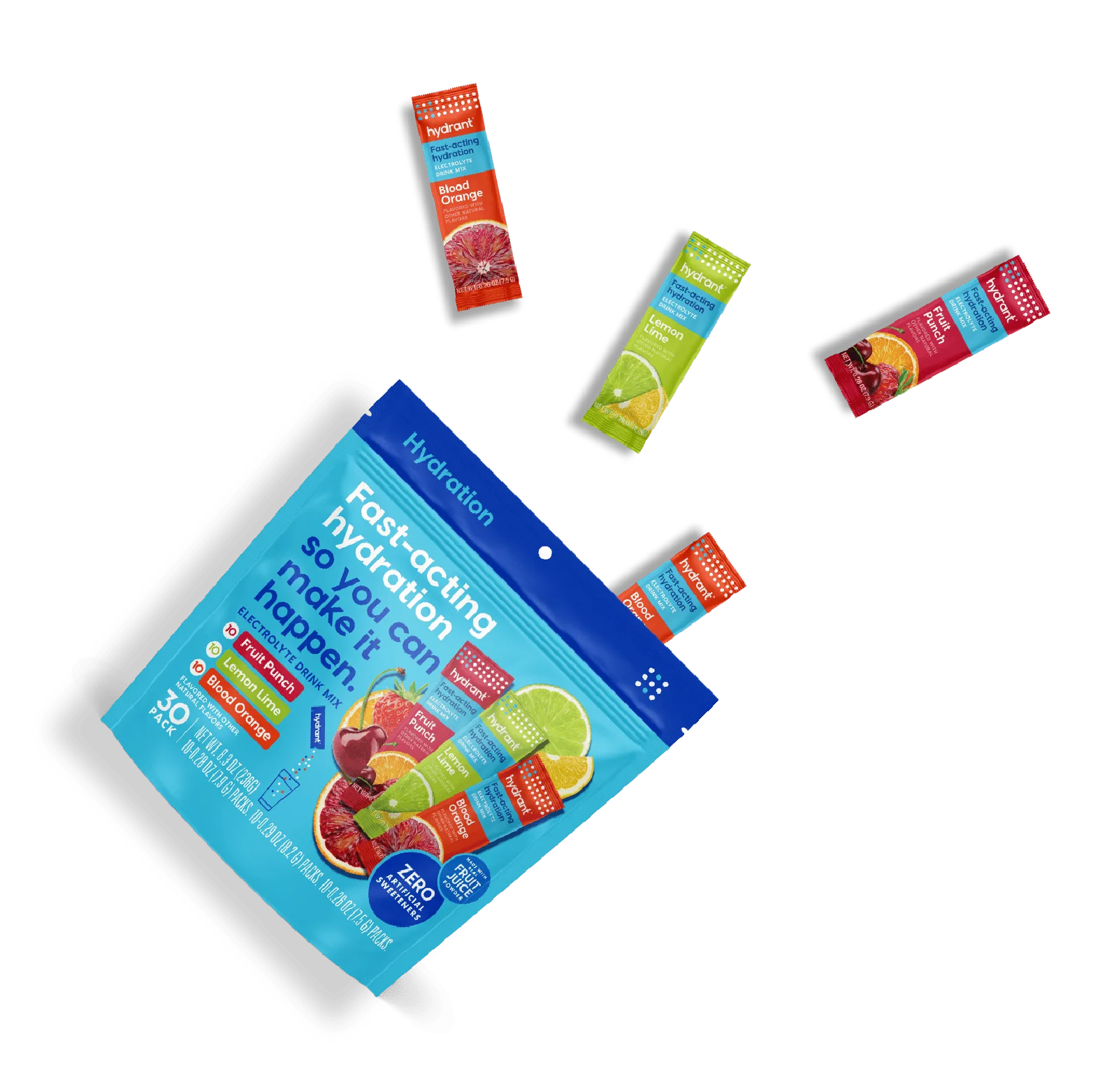
Hydrant Hydrate | Rapid Hydration Mix with Electrolytes
- Tip: If you feel a headache coming on, drink a full glass of water with electrolytes immediately—don’t wait until the pain worsens.
How Electrolytes Support Migraine Relief
Magnesium is one of the most studied minerals for migraine prevention. Research indicates that magnesium deficiency is common among migraine sufferers, and supplementation can reduce attack frequency. Magnesium helps relax blood vessels and calm overactive neurons, both of which are implicated in migraine pathophysiology. Potassium and sodium also help maintain proper nerve transmission and prevent the brain fog that often accompanies headaches.
Many people turn to sports drinks for electrolyte replenishment, but these often contain high sugar and artificial ingredients. A cleaner alternative is a hydration mix designed for daily use. For example, Hydrant SLEEP | Rapid Hydration Mix with Magnesium, GABA & L-Theanine not only provides magnesium but also includes calming compounds that may help if stress or poor sleep is a headache trigger. Using a targeted product can address multiple factors simultaneously.
- Tip: Track your headache patterns—if they often occur in the afternoon, set a hydration reminder two hours prior.
Practical Hydration Strategies for Headache Prevention
Prevention is the most effective approach. Aim to sip water consistently throughout the day rather than chugging large amounts at once, which can overwhelm your kidneys and flush out electrolytes. Start your morning with a glass of water containing electrolytes to rehydrate after sleep. Keep a reusable bottle at your desk and set hourly reminders. If you exercise, sweat heavily, or live in a hot climate, increase your electrolyte intake accordingly.
Beyond water, consider incorporating hydrating foods like cucumbers, watermelon, and citrus fruits. But for reliable, measurable hydration, a quality electrolyte mix is hard to beat. Products like Hydrant Hydrate | Rapid Hydration Mix with Electrolytes offer a balanced formula with no artificial junk, making it easy to stay on track. Pair it with a consistent sleep schedule and stress management for a comprehensive headache prevention plan.
- Tip: Avoid excessive caffeine or alcohol, as both can dehydrate you and trigger headaches in sensitive individuals.
When to See a Doctor
While hydration can help many headaches, it’s not a cure-all. If you experience severe, recurring, or worsening headaches, consult a healthcare professional. They can rule out underlying conditions and recommend appropriate treatments, which may include prescription medications or physical therapy. Keep a headache diary to share with your doctor—note frequency, duration, triggers, and how your hydration habits correlate with symptoms.
For most people, however, improving daily hydration is a low-risk, high-reward intervention. By understanding the role of electrolytes and making small adjustments to your routine, you can reduce the impact of headaches and migraines on your life. The key is consistency: make hydration a non-negotiable part of your wellness arsenal.
If you’re ready to take control of headache prevention, start by upgrading your hydration routine. Explore Hydrant Hydrate | Rapid Hydration Mix with Electrolytes for a clean, effective way to maintain fluid balance and support your brain health every day.