Quick Answer
Yes, party games can be both fun and thought-provoking. The Mandela Effect Game, for instance, turns memory and perception into a playful challenge that sparks conversation and critical thinking, proving that intellectual engagement and entertainment can go hand in hand.
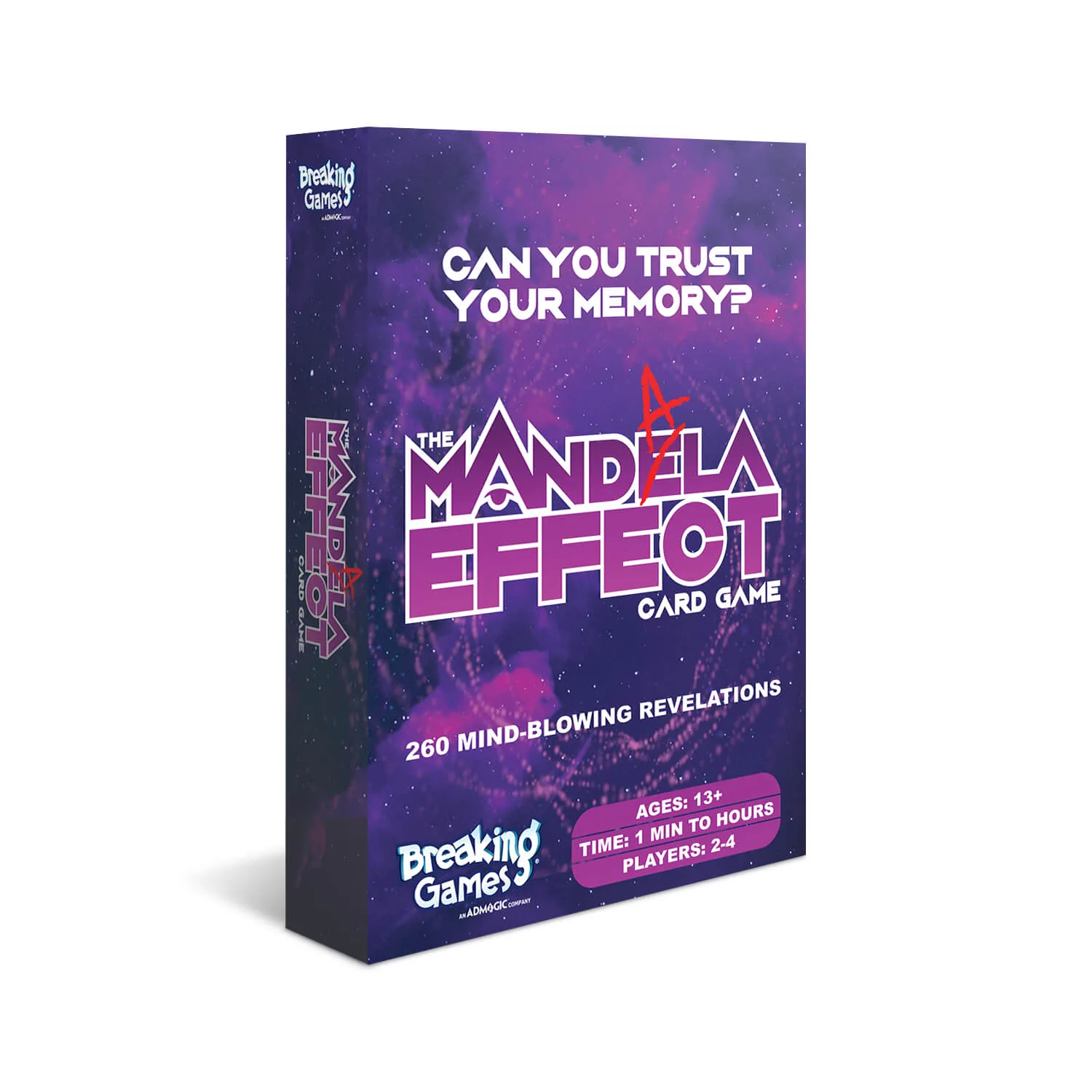
The Mandela Effect Game
When you hear 'party game,' you might picture silly challenges and raucous laughter—not exactly a workout for your brain. But a growing number of games are designed to entertain while subtly engaging your cognitive skills. The key is finding games that balance lighthearted fun with moments of genuine mental stretch.
The Mandela Effect Game is a prime example. It asks players to trust their memories and confront the fascinating phenomenon where large groups remember things differently than they actually are. This simple premise creates a game that is both hilarious and surprisingly thought-provoking.
Why Party Games Can Be More Than Just Fun
Party games often get a bad rap for being shallow, but many are designed to engage players on multiple levels. Games that challenge memory, perception, or quick thinking can stimulate conversation and even reveal something about how our minds work. The Mandela Effect Game does this by tapping into the shared experience of collective false memories.
The game is named after a phenomenon where many people remember events differently from recorded history—like Nelson Mandela dying in prison. By presenting such examples, the game encourages players to question their own memories and discuss why they might be wrong. This turns a simple party game into a springboard for fascinating conversations about psychology and perception.
- Look for games that involve discussion or debate, as they naturally lead to deeper engagement.
- Choose games with themes that interest your group—whether it's pop culture, history, or science—to make the intellectual side more appealing.
How The Mandela Effect Game Blends Fun and Cognition
The Mandela Effect Game is designed for 2-4 players aged 13 and up, with a playtime that can last from one minute to hours, depending on how deep your group wants to dive. The core mechanic is simple: players are asked to recall facts, logos, or phrases, and then discover whether their memory matches reality. The surprises often lead to laughter, but also to genuine 'aha' moments.
Because it's based on a real phenomenon, the game has an educational edge. Players learn about the Mandela Effect and may even research examples after the game ends. This makes it a great choice for game nights where you want to have fun but also come away with something to think about. It's a party game that respects your intelligence.
- Use the game as an icebreaker to get people talking about their own memory quirks.
- Set a time limit for each round to keep the pace lively, but allow for longer discussions if the group is engaged.
Other Party Games That Make You Think
While The Mandela Effect Game focuses on memory, other party games challenge different cognitive skills. Keep Calm, for example, puts players in ridiculous situations and asks them to decide how they'd react. This requires quick thinking, creativity, and a bit of social intuition—making it both funny and mentally stimulating.
Slap .45, on the other hand, is a fast-paced western shootout that tests your reaction time and strategic planning. Each player controls a gang and must make split-second decisions to survive. It's a different kind of thought-provoking, but it still engages your brain in a way that a purely luck-based game wouldn't.
- Mix games that challenge memory, creativity, and strategy for a well-rounded game night.
- Consider the age and preferences of your group when choosing games—some may prefer wordplay, others logic.
Verdicts on Common Claims
- Claim: Party games are just mindless fun.: Verdict: False. Games like The Mandela Effect Game engage memory and perception, encouraging players to think critically and discuss their answers. Look for games that incorporate real-world phenomena or require strategic decisions.
- Claim: Thought-provoking games are too serious for a party.: Verdict: False. The Mandela Effect Game is designed to be lighthearted and fun, using humor and surprise to stimulate conversation without feeling like a lecture. Choose games that balance challenge with laughter to keep the mood festive.
- Claim: You can't learn anything from a party game.: Verdict: False. The Mandela Effect Game teaches players about a genuine psychological phenomenon, and many party games involve logic, creativity, or social skills. Use party games as a springboard for deeper discussions or to introduce new topics.
Product Facts
- The Mandela Effect Game: Number of Players: 2-4, Age Group: 13+, Time to Play: 1 Minute to Hours This flexibility makes it easy to fit into any game night, whether you have 10 minutes or a few hours, and it's suitable for teens and adults who enjoy a mental challenge.
- Keep Calm! | Hilarious Party Game for Friends and Family | Ideal for Game Night | Ages 17+, 3-8 Players: Number of Players: 3-8, Age Group: 17+, Time to Play: 30 Minutes With a 30-minute playtime, it's a quick and engaging option for larger groups, and it encourages creative thinking and laughter.
- Slap .45 | Family Party Game | 3-7 Players: Number of Players: 3-7, Age Range: 10+, Time To Play: 20 Minutes This game is family-friendly and fast-paced, making it a great choice for younger players who want to test their reflexes and tactical thinking.
Party games don't have to be one-dimensional. By choosing games that challenge your memory, creativity, or strategic thinking, you can enjoy a fun night with friends while also giving your brain a workout. The Mandela Effect Game is a perfect example of how a simple concept can lead to hours of entertainment and fascinating conversations. So next time you're planning a game night, consider adding a thought-provoking option to the mix.