Seasonal allergies affect millions, causing sneezing, congestion, and itchy eyes. While antihistamines offer relief, many people seek natural alternatives to support their immune system. Emerging research suggests that probiotics—beneficial bacteria that live in your gut—may play a role in modulating allergic responses. But can probiotics really help with seasonal allergies? Let's explore the science.
The gut microbiome is a key regulator of immune function. About 70-80% of your immune cells reside in your gut, and the balance of gut bacteria influences how your body reacts to allergens like pollen. Probiotics may help by promoting a healthy immune response and reducing inflammation. This article reviews the evidence, the best strains, and practical tips for using probiotics during allergy season.
The Gut-Allergy Connection: How Probiotics Influence Immune Response
Allergies occur when the immune system overreacts to harmless substances, releasing histamine and other inflammatory chemicals. The gut microbiome communicates with immune cells via the gut-associated lymphoid tissue (GALT). A diverse, balanced microbiome can help train the immune system to tolerate allergens instead of attacking them. Probiotics may enhance this tolerance by increasing regulatory T cells and reducing pro-inflammatory cytokines.
Several clinical studies have investigated probiotics for allergic rhinitis (hay fever). A meta-analysis of randomized controlled trials found that probiotics significantly improved symptoms like nasal congestion, sneezing, and quality of life compared to placebo. The benefits were most pronounced with multi-strain formulas taken for at least 8 weeks. While results vary by strain and individual, the evidence supports a role for probiotics in allergy management.
- Look for probiotic strains like Lactobacillus gasseri, Bifidobacterium lactis, and Lactobacillus paracasei, which have shown promise in allergy studies.
- Consistency is key: take probiotics daily during allergy season for best results.
- Pair probiotics with a diet rich in fiber to feed beneficial gut bacteria.
Choosing the Right Probiotic for Allergy Relief
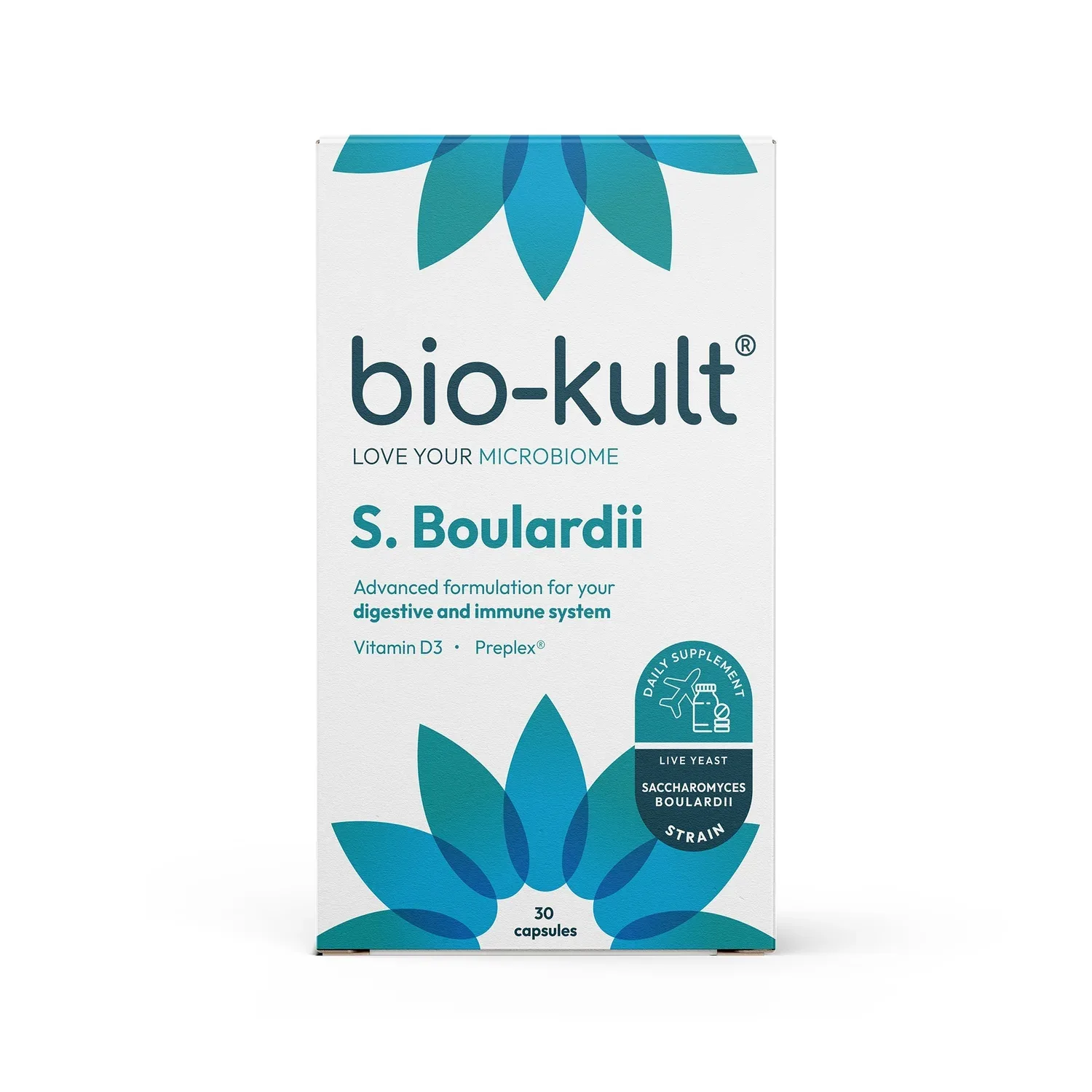
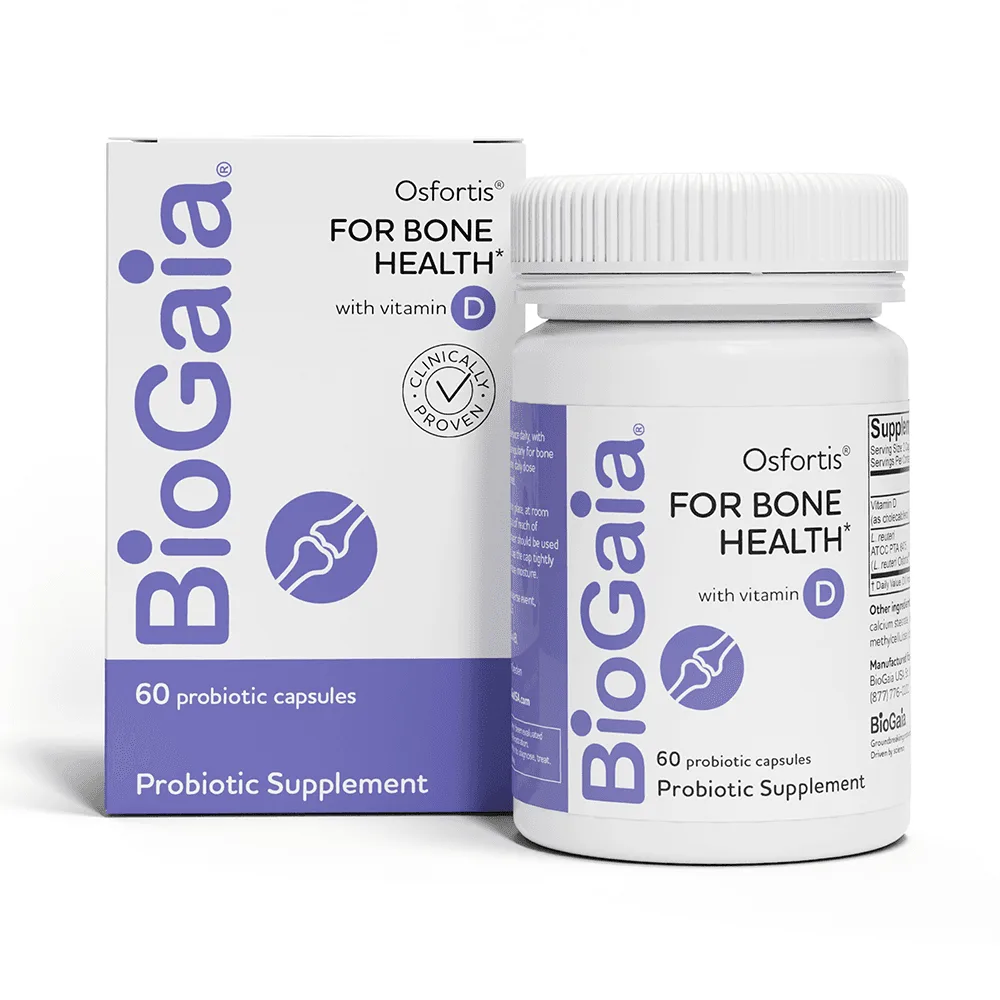
Not all probiotics are created equal. For seasonal allergies, you want a product that contains strains studied for immune modulation. Multi-strain formulas may offer broader benefits. Our Prebiotic Probiotic combines prebiotics and probiotics to support gut health and immune function, making it a convenient option during allergy season.
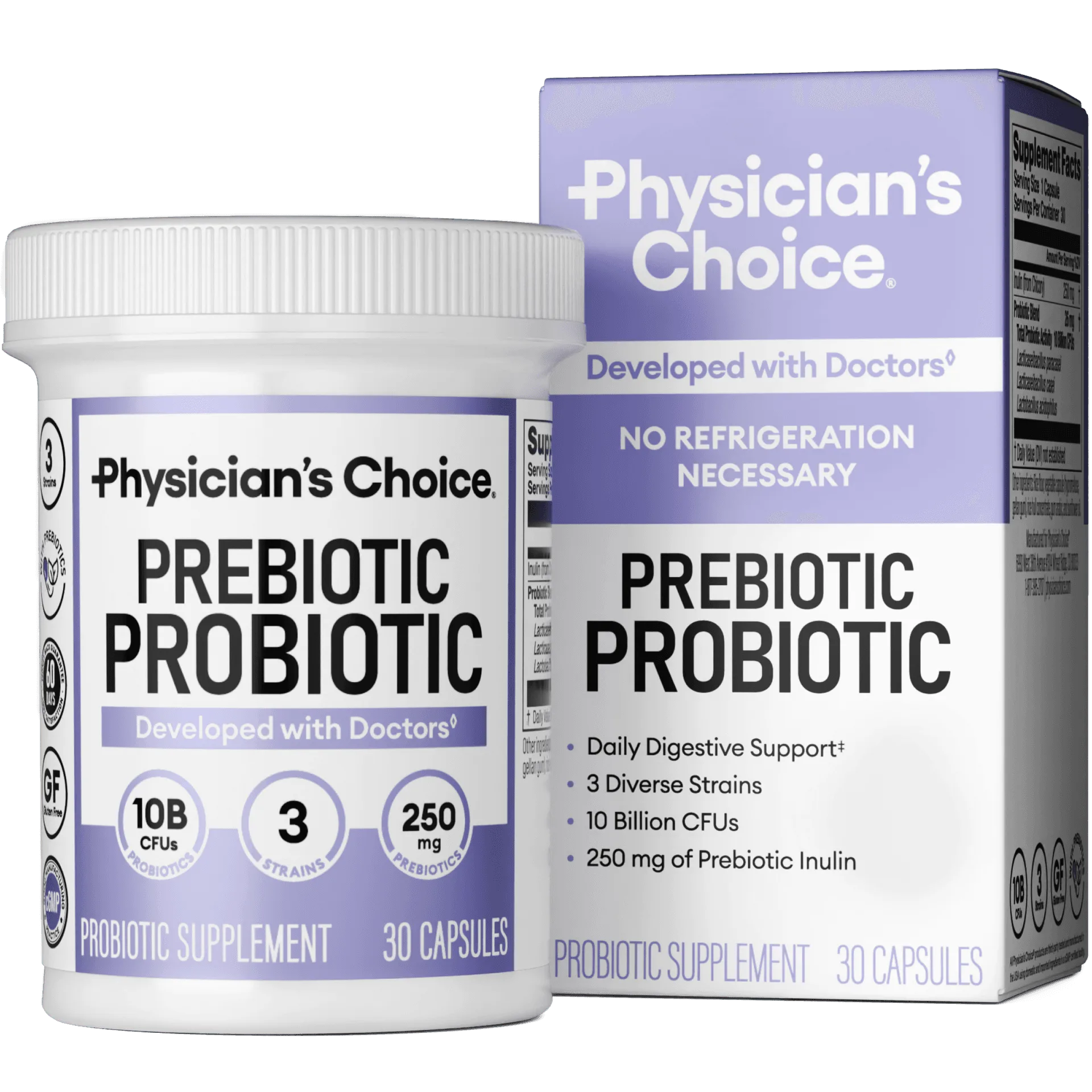
Prebiotic Probiotic
If you prefer gummies, our Probiotic Gummies provide a tasty way to get beneficial bacteria. They are easy to incorporate into your daily routine and contain strains that support immune balance. Remember to check the colony-forming units (CFUs) and storage instructions to ensure potency.
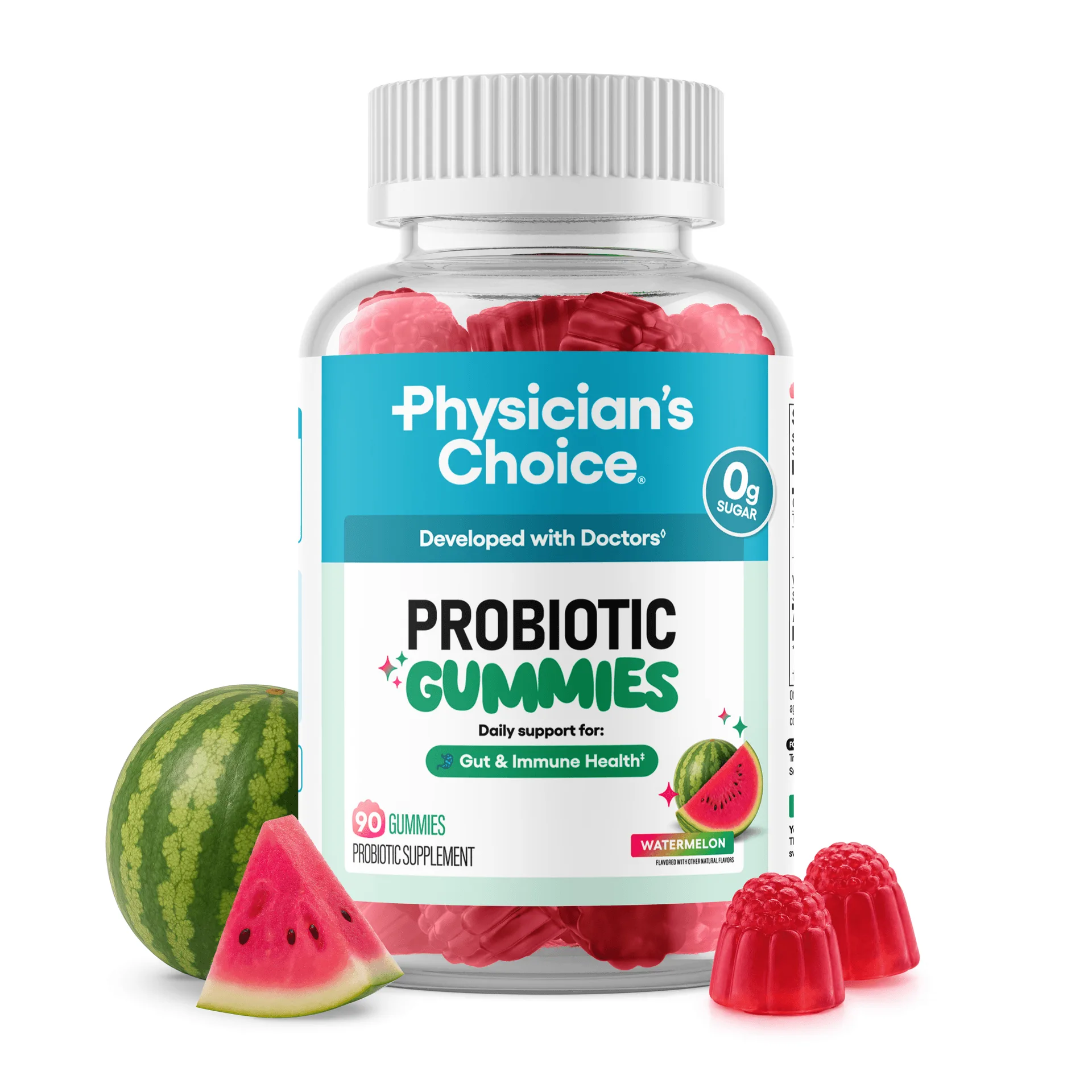
Probiotic Gummies
- Choose a probiotic with at least 10 billion CFUs per serving.
- Look for strains like Lactobacillus rhamnosus GG and Bifidobacterium longum, which have been studied for allergy relief.
- Consider a product that includes prebiotic fiber to enhance probiotic survival.
Additional Tips for Managing Seasonal Allergies
While probiotics can help, they work best as part of a comprehensive allergy management plan. Reduce pollen exposure by keeping windows closed, using HEPA filters, and showering after outdoor activities. A diet rich in anti-inflammatory foods—such as fruits, vegetables, and omega-3 fatty acids—can also support immune health.
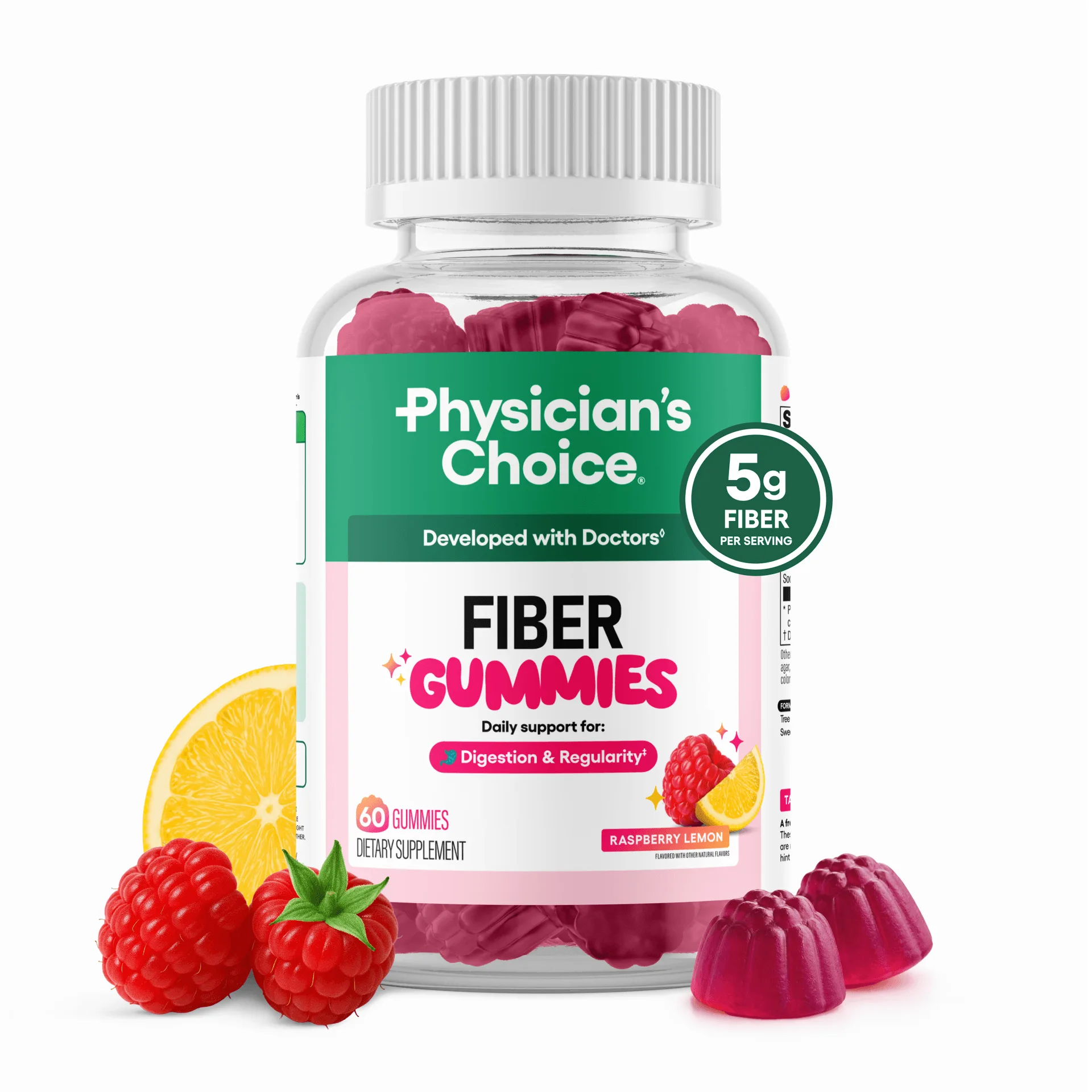
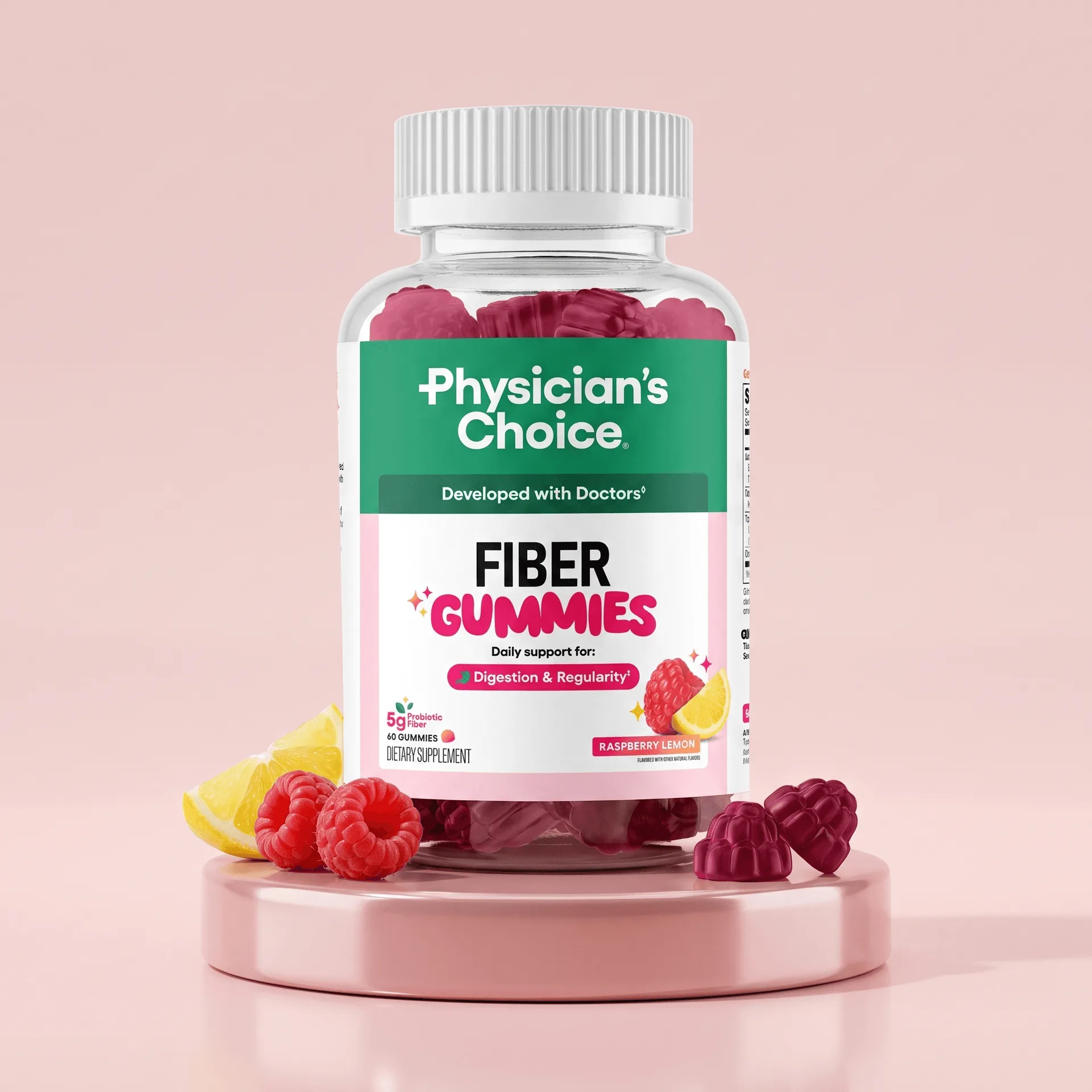
Fiber is especially important because it feeds beneficial gut bacteria. Our https://physiciansdecisions.com/products/fiber-gummies-for-constipation-258352https://physiciansdecisions.com/products/fiber-gummies-258350Fiber Gummies For Constipation can help increase your daily fiber intake, promoting a healthy gut environment for probiotics to thrive. Pairing probiotics with adequate fiber may amplify their allergy-fighting benefits.
- Stay hydrated to thin mucus and ease congestion.
- Consider natural antihistamines like quercetin (found in onions and apples).
- Consult your doctor before starting any new supplement, especially if you have a compromised immune system.
Probiotics offer a promising, natural approach to managing seasonal allergies by supporting gut health and immune balance. While they are not a cure, they can reduce symptom severity and improve quality of life when used consistently. For a convenient start, explore our Prebiotic Probiotic to support your immune system this allergy season.