Quick Answer
Yes, seaweed can help your garden, but not all claims are true. Organic Atlantic sea vegetables like rockweed and dulse provide essential minerals and improve soil structure, but they are not a complete fertilizer. Use them as a supplement, not a substitute, for balanced plant nutrition.
Gardeners have long sworn by seaweed as a natural soil booster, but how much of that is grounded in science? From coastal folklore to modern organic gardening, seaweed has earned a reputation as a miracle amendment. But separating fact from folklore is essential to making the most of this resource.
In this article, we'll debunk common myths about using seaweed in the garden and highlight what organic Atlantic sea vegetables can actually do for your plants. We'll also introduce you to some excellent products from Maine Coast Sea Vegetables that make it easy to incorporate seaweed into your gardening routine.
Myth #1: Seaweed is a Complete Fertilizer
One of the most widespread beliefs is that seaweed alone can provide all the nutrients your plants need. While seaweed is rich in trace minerals, it lacks the balanced NPK (nitrogen, phosphorus, potassium) ratios that most plants require for vigorous growth. For example, our Organic Rockweed Granules are a fantastic source of minerals and can improve soil health, but they should be used alongside compost or other organic fertilizers to meet your plants' full nutritional needs.
Think of seaweed as a multivitamin for your soil, not a meal replacement. It supplies micronutrients like iron, zinc, and manganese that are often missing from synthetic fertilizers, but you still need a base of macronutrients. A balanced approach—combining seaweed with compost or a complete organic fertilizer—will give you the best results.
- Use seaweed as a supplement to your regular fertilization routine.
- Test your soil to understand its nutrient profile before amending.
Myth #2: All Seaweed is the Same
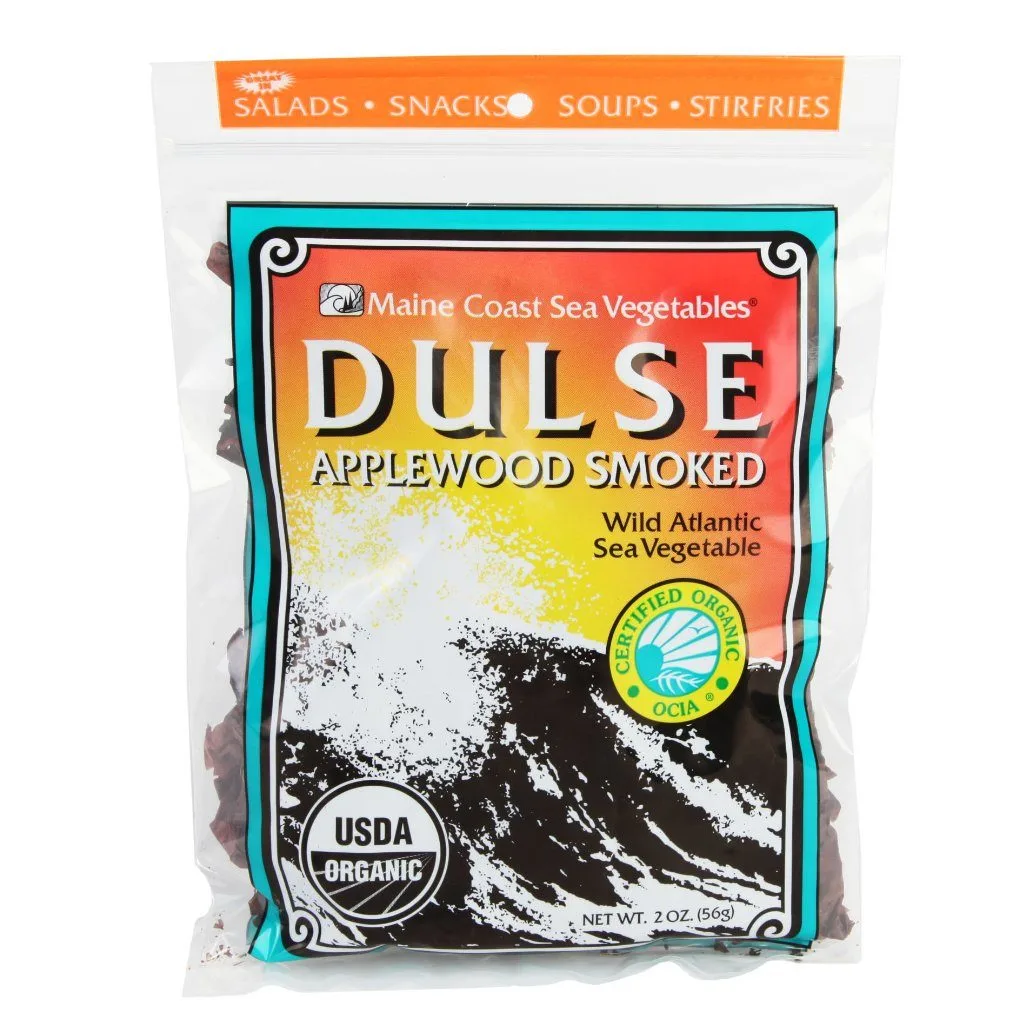
Not all seaweed is created equal. Different species have different nutrient profiles and uses. For instance, rockweed (Ascophyllum nodosum) is often praised for its ability to improve soil structure and support beneficial microbial activity. On the other hand, dulse (Palmaria palmata) is more commonly used as a soil amendment for its mineral content and as a natural pest deterrent.
When choosing seaweed for your garden, consider your specific goals. If you want to improve soil aeration and water retention, rockweed granules are a great choice. If you're looking to add trace minerals and organic matter, dulse granules can be an excellent addition. Understanding these differences helps you select the right product for your garden's needs.
- Research the specific seaweed species before buying.
- Consider your soil's needs and the seaweed's properties.
Myth #3: Seaweed Works Instantly
Some gardeners expect immediate results after applying seaweed, but the benefits are often gradual. Seaweed breaks down slowly in the soil, releasing nutrients over time. This slow-release nature is actually a benefit—it provides a steady supply of minerals and improves soil structure without the risk of nutrient burn.
Patience is key. Incorporate seaweed into your soil in the fall or early spring, and you'll see improvements in soil quality over the growing season. The organic matter from seaweed also helps beneficial soil organisms thrive, which further enhances nutrient availability over time.
- Apply seaweed well before planting to allow time for breakdown.
- Combine with compost to accelerate the process.
Myth #4: Seaweed is Only for Coastal Gardens
You don't need to live near the ocean to benefit from seaweed. Dried and granulated forms, like those from Maine Coast Sea Vegetables, are easy to store and use anywhere. They can be mixed into potting soil, added to compost piles, or brewed into a tea for a liquid fertilizer.
Whether you have a small balcony garden or a large vegetable patch, seaweed can be a valuable addition. The key is to use it correctly and in the right amounts. A little goes a long way, and it's always better to start with less and observe how your plants respond.
- Store dried seaweed in a cool, dry place to maintain potency.
- Start with a small amount and adjust based on plant response.
Myth-Busting Verdicts
- Seaweed is a complete fertilizer: False. Seaweed lacks balanced NPK and should be used as a supplement, not a substitute, for a complete organic fertilizer. Combine seaweed with compost or a balanced fertilizer for best results.
- All seaweed is the same: False. Different species like rockweed and dulse have unique properties and benefits. Choose based on your garden's needs. Understand the differences to select the right seaweed for your soil.
- Seaweed works instantly: False. Seaweed breaks down slowly, providing long-term benefits rather than quick fixes. Plan ahead and apply seaweed in fall or early spring for gradual improvement.
- Seaweed is only for coastal gardens: False. Dried and granulated seaweed is easy to use anywhere, from balconies to large plots. Store properly and use in moderation to see benefits in any garden.
Seaweed Products for Your Garden
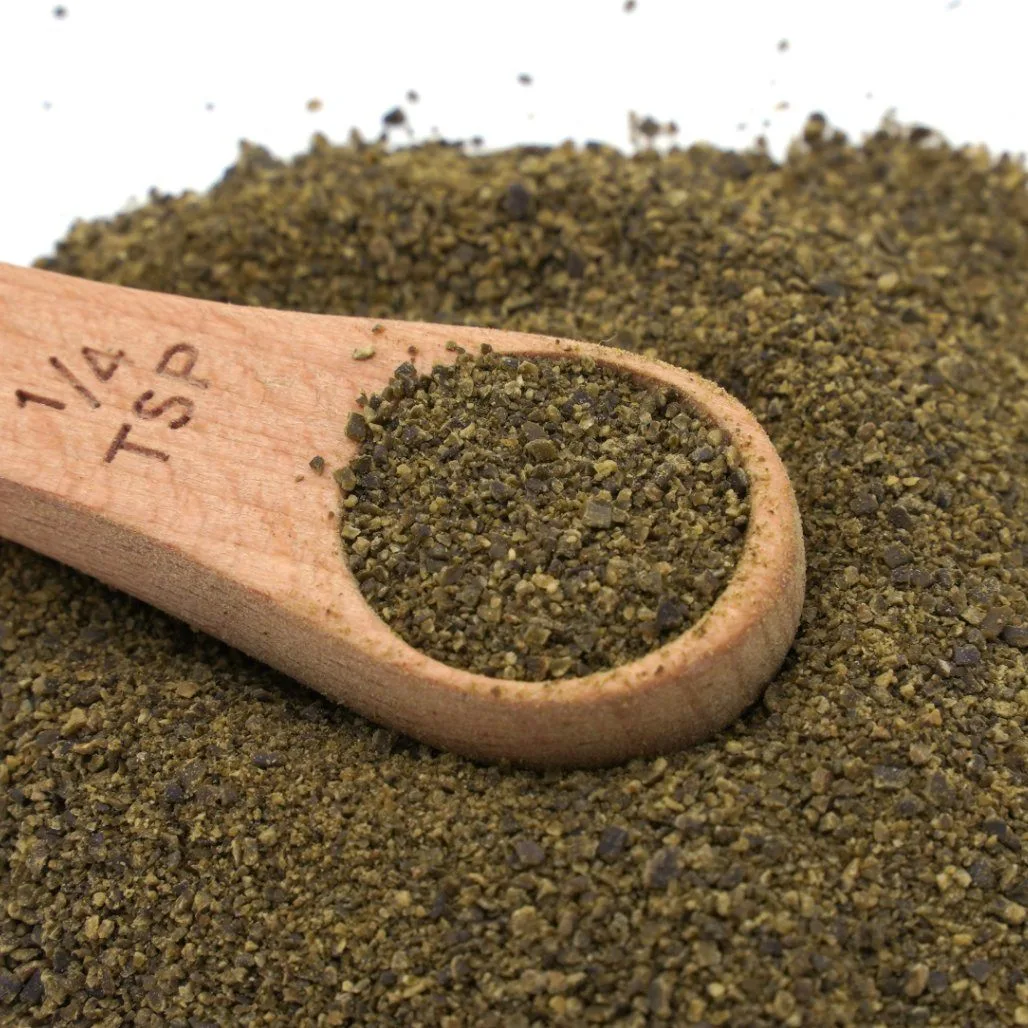
- Organic Rockweed Granules (Ascophyllum nodosum) - Wild-Harvested Atlantic Sea Vegetable: Premium rockweed granules are wild-harvested from the North Atlantic and lab-tested for quality and contaminants. They provide crunch and nutrition to dishes and are also used in cosmetics. These granules are a versatile soil amendment that improves soil structure and adds minerals. They can be worked into the topsoil or brewed into a tea for a gentle, mineral-rich liquid feed.
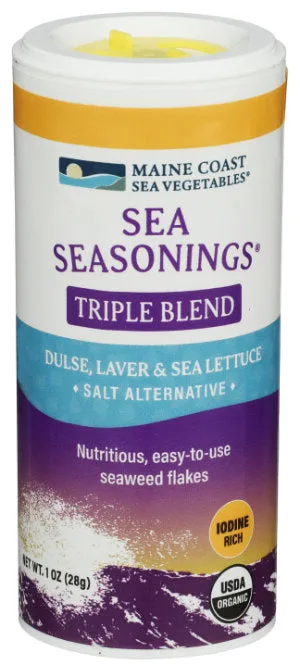
- Organic Dulse Granules - Sea Seasoning: Certified organic dulse granules are wild-harvested from the North Atlantic, lab-tested, and dried at low temperatures to preserve nutrients. They add umami flavor and a boost of protein and minerals to recipes. Beyond the kitchen, dulse granules can be sprinkled around plants as a slow-release mineral supplement. Their fine texture breaks down quickly, making nutrients available to plants sooner.
Seaweed can be a valuable ally in your garden, but it's not a magic bullet. By understanding what it can and cannot do, you can use it effectively to improve soil health and plant vitality. Ready to give your garden a mineral boost? Explore our Organic Rockweed Granules and Organic Dulse Granules to start amending your soil the natural way.