Quick answer
Yes, a 130-decibel personal alarm can startle and disorient an attacker, giving you precious seconds to escape. However, it is not a weapon and won't physically stop someone determined. Its real power lies in drawing attention and breaking the element of surprise.
Myth: Alarms Always Deter Attackers
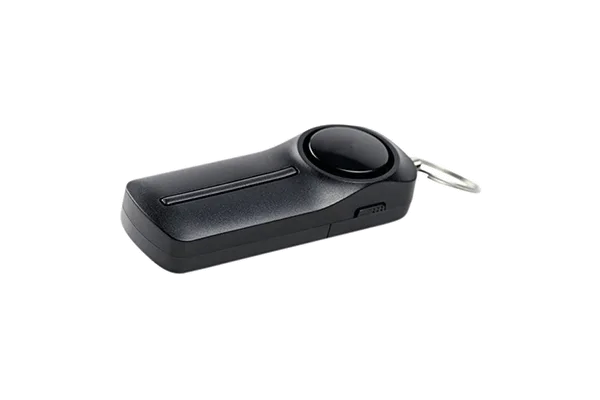
A common belief is that any loud noise will instantly scare off every attacker. The reality is more nuanced. The Go Guarded Personal Safety Self Defense Alarm Keychain emits a super loud 130-decibel sound when you pull the pin. That volume is genuinely painful and disorienting at close range, and it can make an attacker hesitate or flee—especially if they are not committed. But if an attacker is determined or under the influence, the noise alone may not stop them. The alarm's main job is to alert others nearby and break the attacker's focus, not to physically incapacitate them.
Myth: Personal Alarms Are Useless in Real Attacks
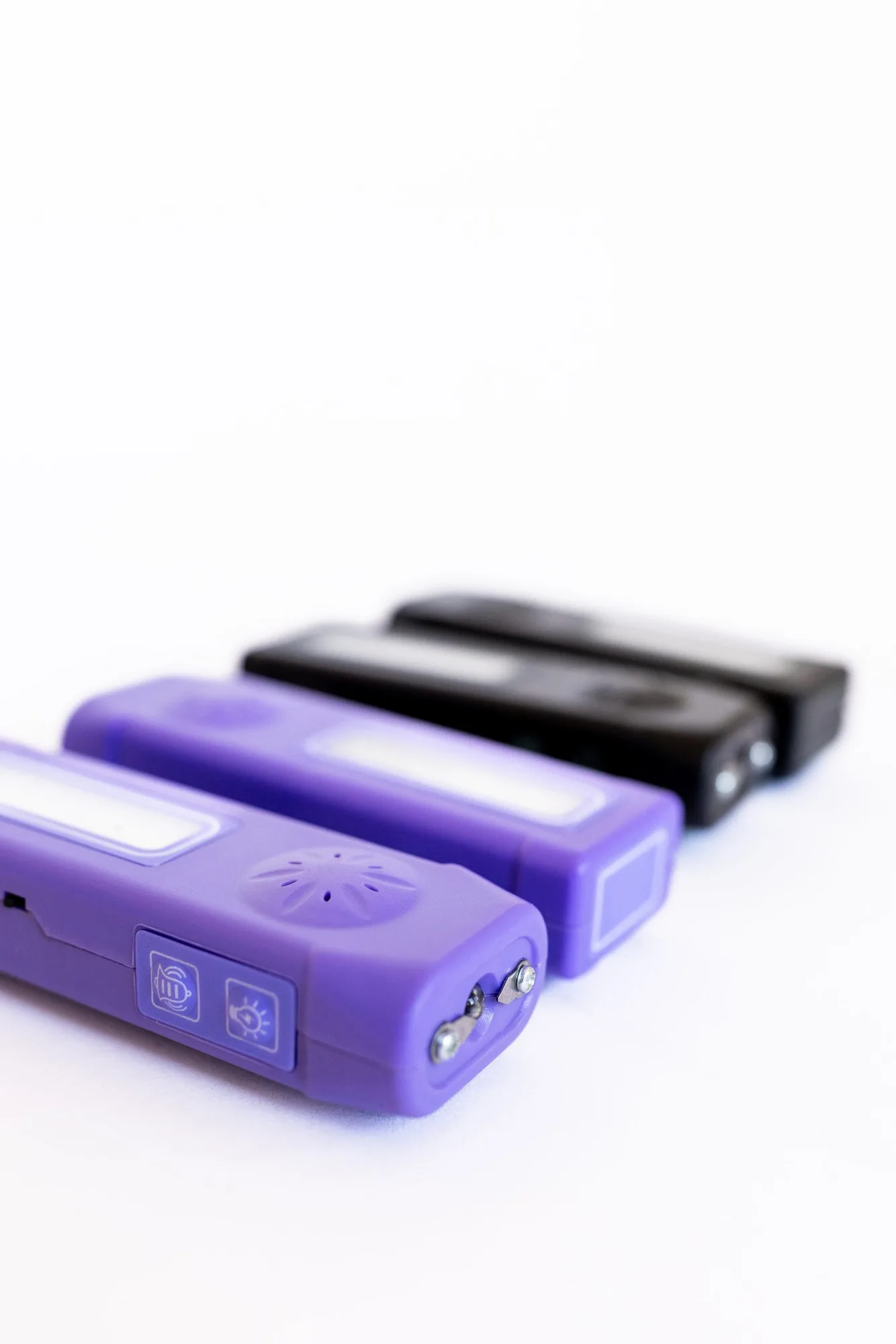
Some argue that alarms are worthless because attackers expect noise. Yet the sudden, piercing blast of a 130-decibel alarm is hard to ignore. It can startle an assailant, giving you a split-second window to run. The Go Guarded Stunner combines this alarm with a 150,000-volt stun feature and a strobe light, offering a second layer of defense if the sound alone isn't enough. The key is to use the alarm early—before an attacker gets close—to maximize its deterrent effect.
Myth: You Can Test the Alarm Anytime Without Consequences
Many people think they can casually test their alarm to see how loud it is. But a 130-decibel alarm is genuinely ear-splitting—comparable to a jet engine at close range. Testing it indoors or in a quiet area can startle pets, disturb others, and even cause temporary hearing discomfort. The Go Guarded alarm includes a plastic tab that must be removed before use; keep that tab in place until you need the alarm. When you do test it, do so outdoors or in a controlled space, and be prepared for the volume.
Myth vs. Fact: Quick Verdicts
- Alarms always scare off attackers: A 130-decibel alarm can startle and disorient, but it's not guaranteed against a determined or impaired assailant. It works best as an early deterrent and attention-getter. Use the alarm to break surprise, not as your only defense.
- Alarms are useless in real attacks: False. The sudden loud noise can create a critical moment to escape. Products like the Stunner combine alarm with stun and strobe for added effectiveness. Pair an alarm with escape training and situational awareness.
- You can test the alarm casually indoors: Not recommended. 130 decibels is extremely loud and can be disruptive or harmful in enclosed spaces. Keep the plastic tab in until you need it, and test outdoors. Reserve the alarm for genuine emergencies.
Product facts that matter
- Personal Safety Self Defense Alarm Keychain: Super loud 130-decibel personal alarm with LED light. Simply pull the pin to activate, push the pin back in to silence it. The pull-pin design is simple under stress—no fumbling for buttons. The 130-decibel level is genuinely painful and attention-grabbing, which is why it can startle an attacker.
- Go Guarded Stunner - Self Defense Stun Alarm: Go Guarded STUNNER provides double the protection – a painful 150,000-volt STUN and a super loud 130 decibel ALARM. Also functions as a flashlight and strobe light. If the alarm alone doesn't deter an attacker, the stun feature adds physical stopping power. The strobe light can also disorient in low light, giving you multiple layers of defense.