Hair loss is a deeply personal concern, and its causes are often complex — genetics, hormones, stress, and nutrition all play a role. But one factor that frequently flies under the radar is the water you shower with every day. If you live in a hard water area, the high concentration of calcium, magnesium, and chlorine in your tap water could be silently contributing to hair thinning, breakage, and a compromised scalp environment.
In this article, we examine the growing body of evidence linking hard water to hair loss, and ask the key question: can a shower filter really make a difference? We’ll explore how water quality affects your hair follicles, what the science says, and how products like the https://trutoolai.com/products/hello-klean-shower-head-plus-175089Hello Klean Shower Head Plus and the Full Control Anti-Thinning Scalp Serum can help you take control of your hair health.
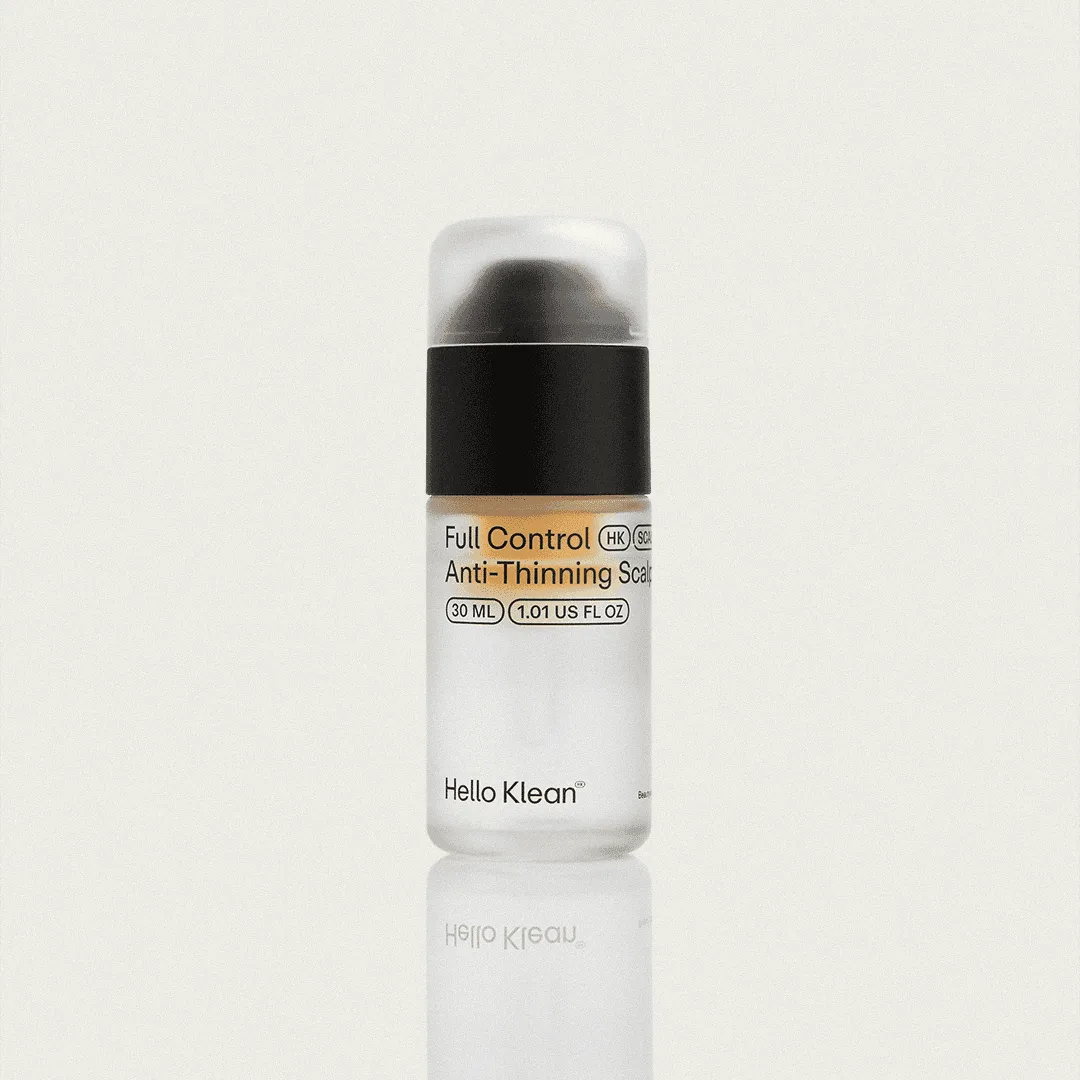
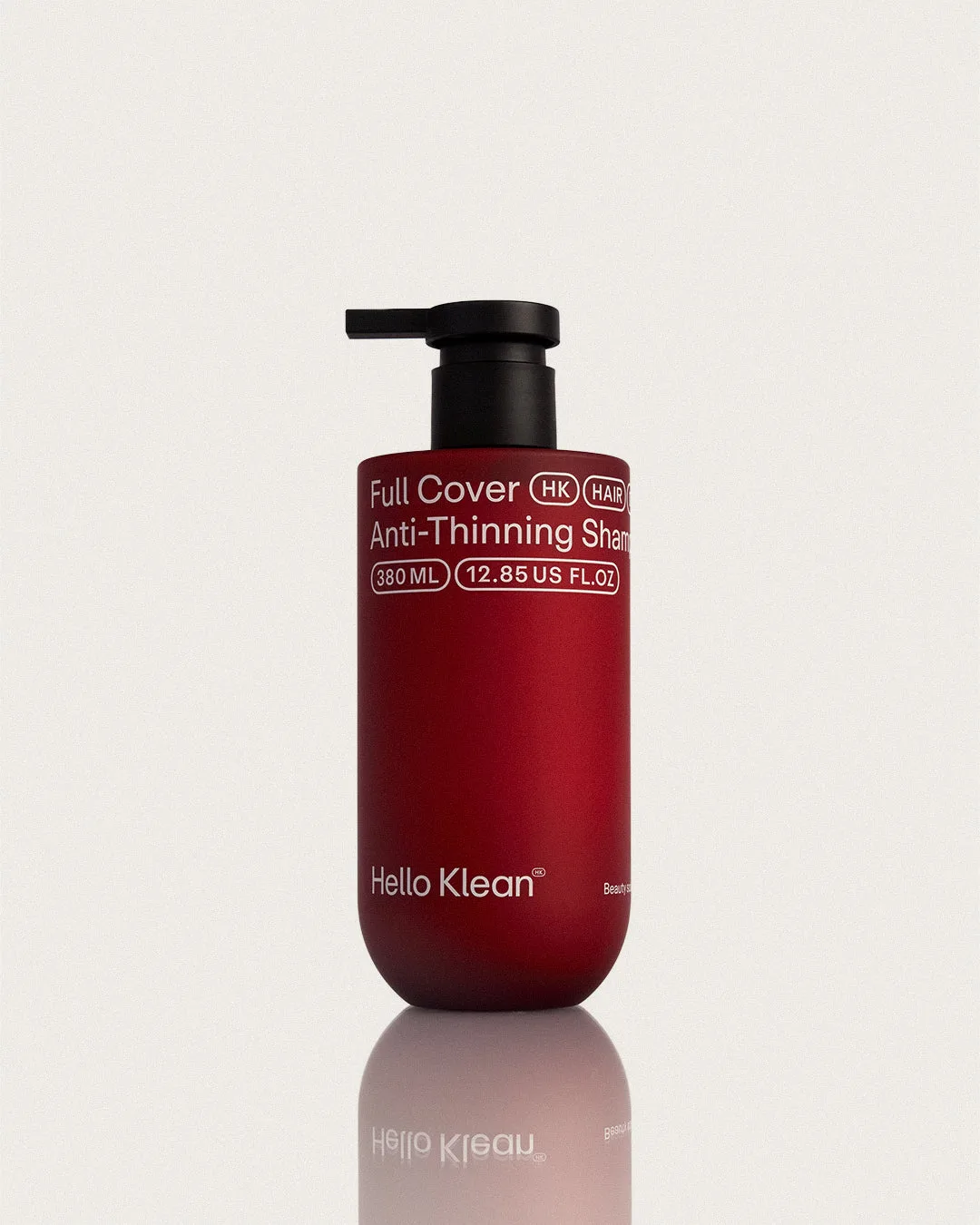
Full Control Anti-Thinning Scalp Serum
How Hard Water Affects Your Hair and Scalp
Hard water is defined by its high mineral content — primarily calcium and magnesium carbonates. When you shower with hard water, these minerals bind to the keratin proteins in your hair, creating a stubborn film that leaves hair feeling rough, brittle, and dull. Over time, this buildup can lead to increased friction, making hair more prone to breakage and split ends. While breakage alone doesn’t cause permanent hair loss, it certainly contributes to the appearance of thinning and reduced volume.
Beyond the hair shaft itself, hard water can disrupt the scalp’s natural pH balance and microbiome. The mineral deposits can clog hair follicles, leading to inflammation, flaking, and a compromised environment for healthy growth. Chlorine, commonly added to municipal water supplies, strips the scalp of its protective sebum, further drying and irritating the skin. A chronically irritated scalp may trigger an inflammatory response that can accelerate hair shedding in genetically susceptible individuals.
- Calcium and magnesium buildup coats the hair shaft, causing brittleness and breakage.
- Chlorine strips natural oils, leading to a dry, itchy scalp that can disrupt hair growth cycles.
- Mineral deposits can clog follicles, potentially contributing to traction alopecia over time.
What the Science Says About Water Quality and Hair Thinning
While large-scale clinical studies on hard water and hair loss are still limited, several smaller investigations and dermatological observations point to a meaningful connection. A 2016 study published in the International Journal of Trichology found that washing hair with hard water increased hair breakage and reduced tensile strength compared to washing with soft water. Another study noted that mineral buildup on the scalp could exacerbate conditions like seborrheic dermatitis, which is associated with increased hair shedding.
Experts also point to the role of heavy metals such as copper and iron, which can accumulate on hair and scalp from corroded pipes. These metals generate oxidative stress, damaging hair follicle cells and potentially accelerating miniaturization — the process by which hair follicles shrink and produce thinner, shorter hairs. Although hard water alone is rarely the sole cause of hair loss, it can act as a significant aggravating factor, especially for those already predisposed to thinning.
- Hard water reduces hair tensile strength and increases breakage (Int J Trichology, 2016).
- Copper and iron from pipes create oxidative stress that may damage follicles.
- A shower filter can reduce these mineral and metal loads, creating a healthier scalp environment.
How a Shower Filter Can Help Reduce Hair Loss Risk
A high-quality shower filter works by removing or reducing chlorine, chloramines, and heavy metals from your shower water. Some advanced filters also target calcium and magnesium using chelating media or ion-exchange resins. By delivering cleaner, softer water to your hair and scalp, a shower filter can help prevent the mineral buildup that leads to brittleness and follicle clogging. The result is hair that feels smoother, looks shinier, and is less prone to breakage.
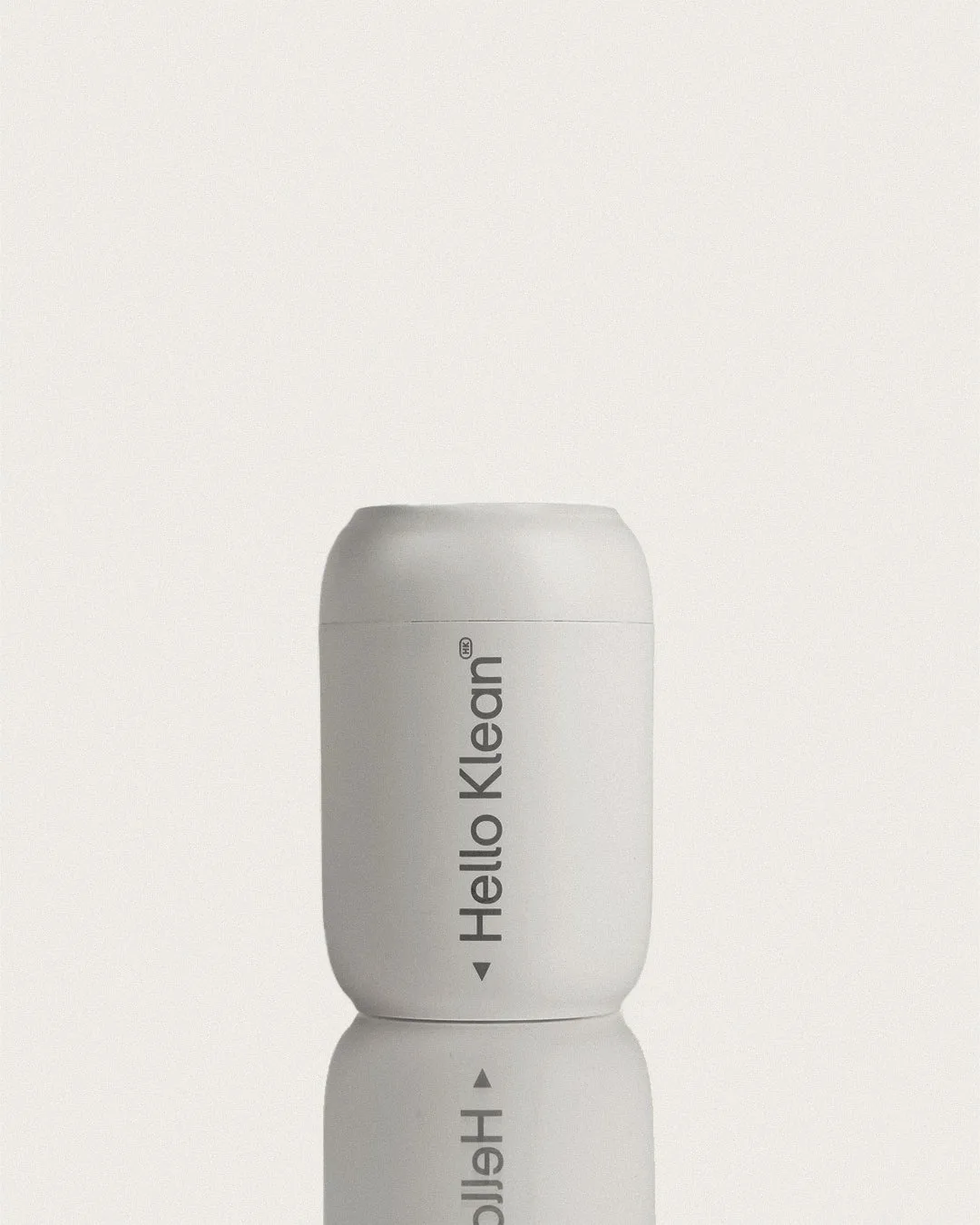
For individuals concerned about hair thinning, the Hello Klean Shower Head Plus offers a powerful filtration system that reduces chlorine, heavy metals, and other impurities. Its multi-stage filtration is designed to protect both your hair and scalp from the damaging effects of hard water. When paired with a targeted treatment like the Full Control Anti-Thinning Scalp Serum, which delivers peptides and botanicals to support follicle health, you create a comprehensive routine that addresses both the external water quality and internal scalp needs.
- Reduces chlorine and chloramines that dry out the scalp and strip natural oils.
- Lowers mineral content to prevent buildup on hair shafts and around follicles.
- Creates a cleaner canvas for topical treatments to penetrate more effectively.
Signs That Hard Water Might Be Contributing to Your Hair Loss
How do you know if your water is the culprit? Look for these telltale signs: hair that feels sticky or straw-like even after washing, a white or grayish residue on your showerhead or glass doors, and persistent scalp itchiness or flaking that doesn’t respond to standard dandruff shampoos. If you notice that your hair breaks easily when brushing or that your scalp feels tight and irritated after showering, hard water could be a contributing factor.
Another clue is the rate of shedding. While it’s normal to lose 50–100 hairs per day, a sudden increase — especially if accompanied by visible breakage along the hair shaft — may indicate that mineral damage is at play. If you’ve recently moved to a hard water area and noticed more hair in your brush or shower drain, it’s worth investigating your water quality. A simple at-home water test kit can confirm whether your water is hard and help you decide if a filtration solution is right for you.
- Hair feels rough, sticky, or coated even after shampooing.
- Scalp is persistently itchy, flaky, or red — especially after showers.
- Increased hair breakage or shedding after moving to a new area with hard water.
Building a Hair-Friendly Shower Routine
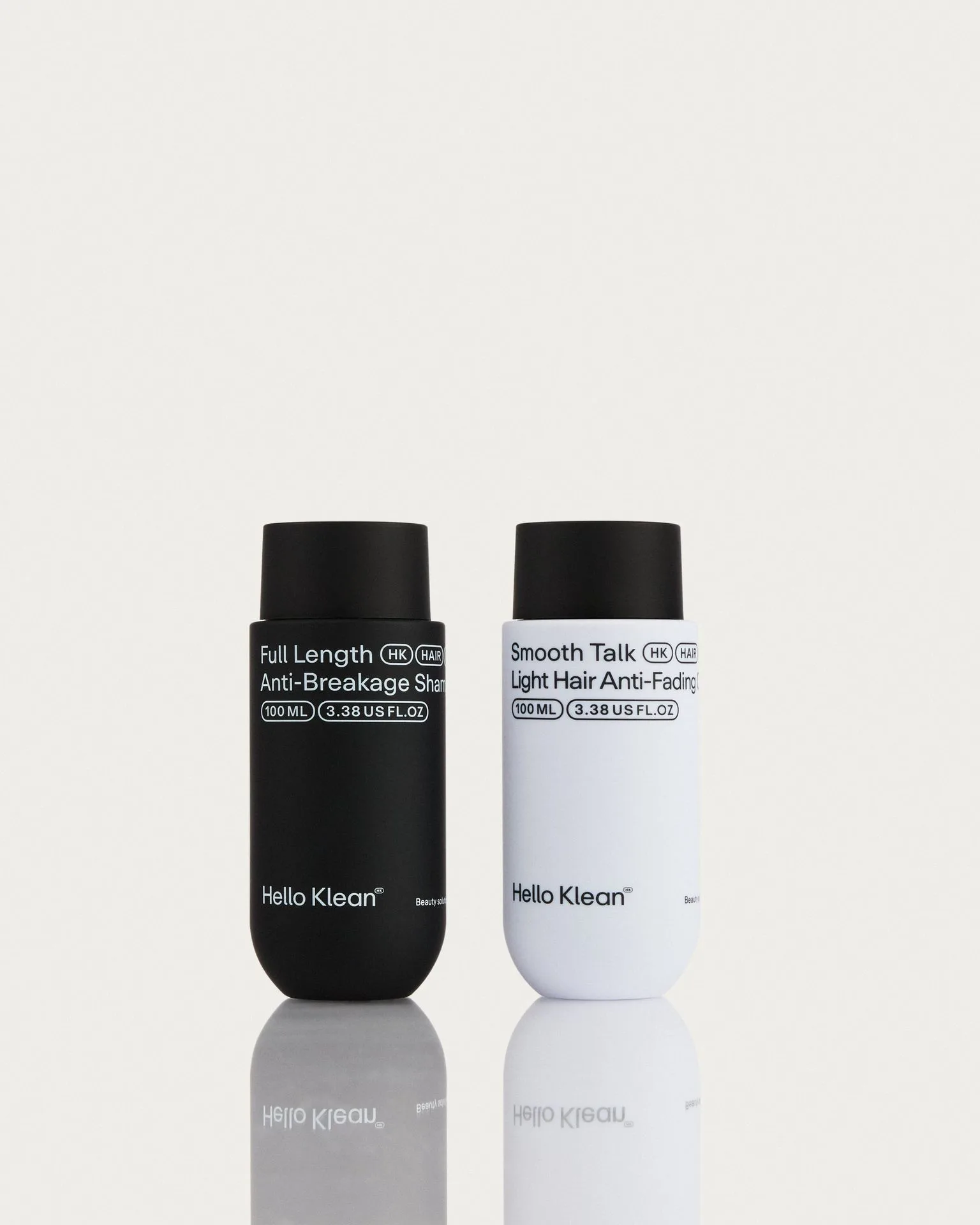
Installing a shower filter is a powerful first step, but it works best as part of a holistic hair care routine. Start by using a clarifying or chelating shampoo once a week to remove any existing mineral buildup. The Full Length Anti-Breakage Hard Water Shampoo is formulated to gently lift hard water deposits while strengthening the hair shaft, making it an excellent complement to a filtered shower. Follow with a lightweight conditioner like the Smooth Talk Anti-Fading Light Hair Conditioner to hydrate without weighing hair down.
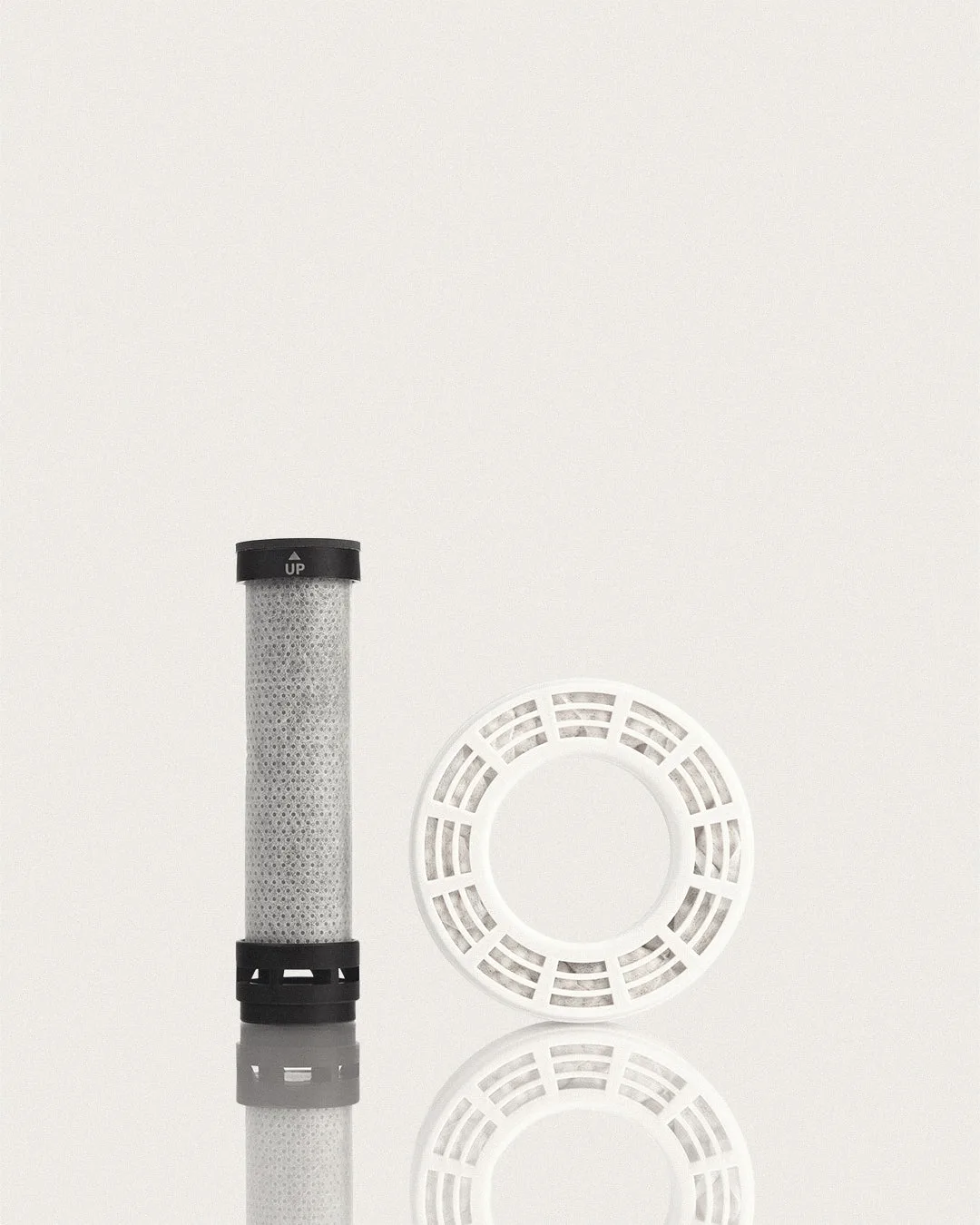
Don’t forget scalp care. A healthy scalp is the foundation for healthy hair growth. Incorporate a serum like the Full Control Anti-Thinning Scalp Serum into your post-shower routine to deliver targeted nutrients to the follicles. Finally, replace your shower filter cartridges every 6–12 months to maintain optimal performance — the Shower Head Refill Cartridges make this simple and ensure you’re always getting the best water quality possible.
- Use a chelating shampoo weekly to remove existing mineral buildup.
- Apply a scalp serum after showering to support follicle health.
- Replace filter cartridges regularly to maintain effective filtration.
While a shower filter alone isn’t a cure-all for hair loss, it can play a meaningful role in reducing the environmental stressors that contribute to breakage, scalp irritation, and thinning. By removing chlorine, heavy metals, and excess minerals from your shower water, you create a cleaner, healthier foundation for your hair and scalp. If you’re noticing signs of hard water damage, upgrading to a filtered shower head is a simple, non-invasive step that can make a real difference. Explore the Hello Klean Shower Head Plus to start protecting your hair from the inside out — one shower at a time.