Quick Answer
Yes, toothpowder can help with teeth sensitivity if you choose a formula with remineralizing ingredients like nano-hydroxyapatite and avoid harsh abrasives. However, it's not a one-size-fits-all solution; severe sensitivity may require professional care or a different product.
If you've ever winced while sipping a cold drink or brushing your teeth, you know how disruptive tooth sensitivity can be. Many people are turning to natural oral care options like toothpowder, hoping for relief without harsh chemicals. But does toothpowder actually help?
The answer isn't simple. Some toothpowders contain ingredients that can strengthen enamel and reduce sensitivity, while others may be too abrasive and make things worse. In this article, we'll break down what to look for, what to avoid, and when to consider a different path.
What Causes Tooth Sensitivity?
Tooth sensitivity often occurs when the protective enamel on your teeth wears down, exposing the underlying dentin. This can happen due to aggressive brushing, acidic foods, teeth grinding, or gum recession. When dentin is exposed, hot, cold, sweet, or acidic stimuli can trigger nerve pain.
Some people also experience sensitivity from whitening products or recent dental work. Understanding the cause is the first step in finding the right solution. If you're unsure, a dentist can help diagnose the underlying issue.
- Common triggers: cold drinks, hot coffee, sweet foods, cold air.
- Underlying causes: enamel erosion, gum recession, tooth decay, cracked teeth.
Key Ingredients in Toothpowder That Help Sensitivity
When choosing a toothpowder for sensitive teeth, look for ingredients that remineralize enamel and soothe gums. Nano-hydroxyapatite (nHAp) is a standout ingredient because it can rebuild enamel and reduce sensitivity by filling microscopic tubules in the dentin. Mineral-rich clays, like bentonite or kaolin, gently polish and detoxify without being overly abrasive.
Essential oils such as cinnamon or peppermint can provide a refreshing feel and may help reduce inflammation. However, avoid toothpowders with harsh abrasives like baking soda in high concentration or charcoal, which can be too gritty for sensitive teeth.
- Look for: nano-hydroxyapatite, mineral clays, soothing essential oils.
- Avoid: high-abrasion charcoal, baking soda-heavy formulas, strong acidic ingredients.
How to Use Toothpowder for Sensitive Teeth
Start slowly: use a small amount (about the size of a pea) and brush gently with a soft-bristled toothbrush. Let the powder sit on your teeth for a minute before rinsing to allow ingredients to work. Use it once a day at first, then gradually increase if your teeth tolerate it well.
Pay attention to how your teeth respond. If you notice increased sensitivity, stop and consult your dentist. Also, consider pairing toothpowder with a fluoride-free remineralizing toothpaste on alternate days to give your enamel a break.
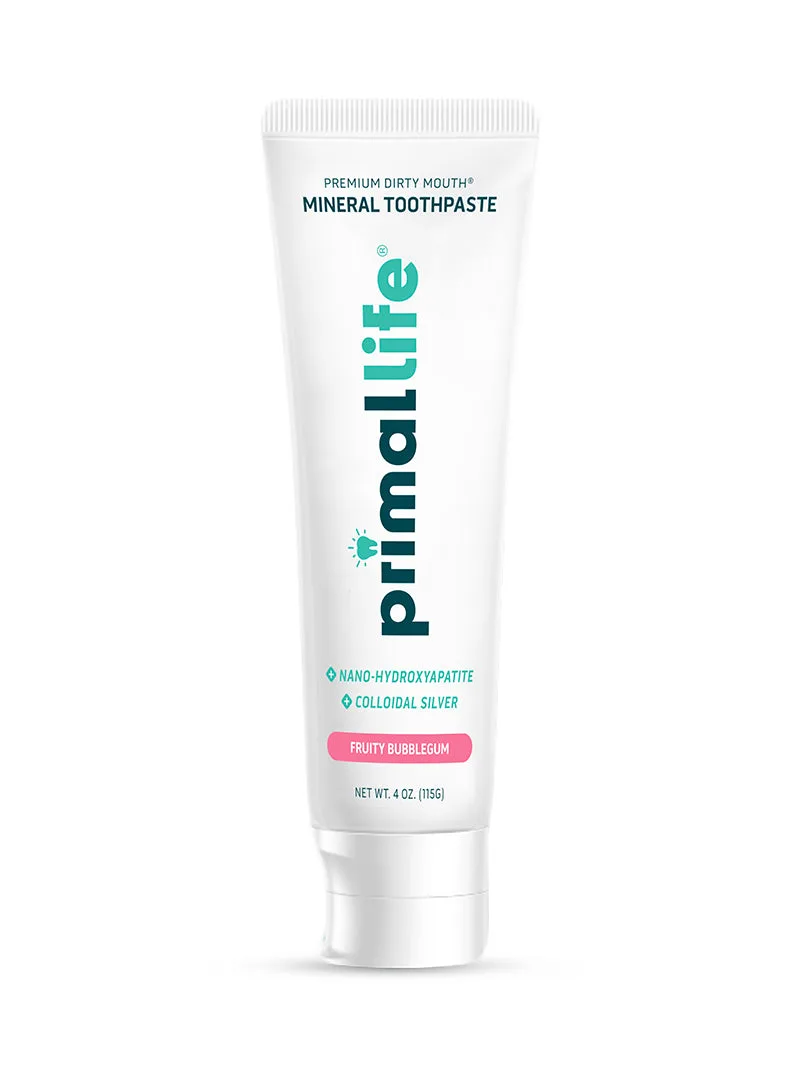
toothpaste
- Use a soft brush and gentle pressure.
- Rinse thoroughly after brushing.
- Monitor your sensitivity levels over a week.
When Toothpowder May Not Be Enough
If your sensitivity persists or worsens after several weeks of using a gentle toothpowder, it's time to see a dentist. Persistent sensitivity could indicate a cavity, cracked tooth, or severe enamel erosion that needs professional treatment.
In such cases, your dentist may recommend a prescription-strength desensitizing toothpaste, fluoride varnish, or other treatments. Toothpowder can be a great addition to your routine, but it's not a substitute for professional care when needed.
- See a dentist if sensitivity lasts more than two weeks.
- Seek immediate care if you have severe pain or swelling.
Diagnosis: Is Toothpowder Right for Your Sensitivity?
- Symptom: You experience sharp pain or discomfort when eating or drinking hot, cold, sweet, or acidic items. This is a classic sign of dentin exposure.
- Likely Cause: Enamel erosion or gum recession exposing dentin, often from aggressive brushing or acidic diet. Consider switching to a soft brush and gentle technique.
- Corrective Action: Choose a toothpowder with nano-hydroxyapatite and mineral clays, like Ignite Cinnamon Shine. Use it gently and consistently for several weeks. If sensitivity improves, continue; if not, proceed to next step.
- When to Stop or Choose Another Option: If sensitivity worsens or persists after 2-3 weeks, stop using toothpowder and consult a dentist. Consider a desensitizing toothpaste or professional treatment. Your dentist can provide a tailored solution.
Toothpowder Options to Consider
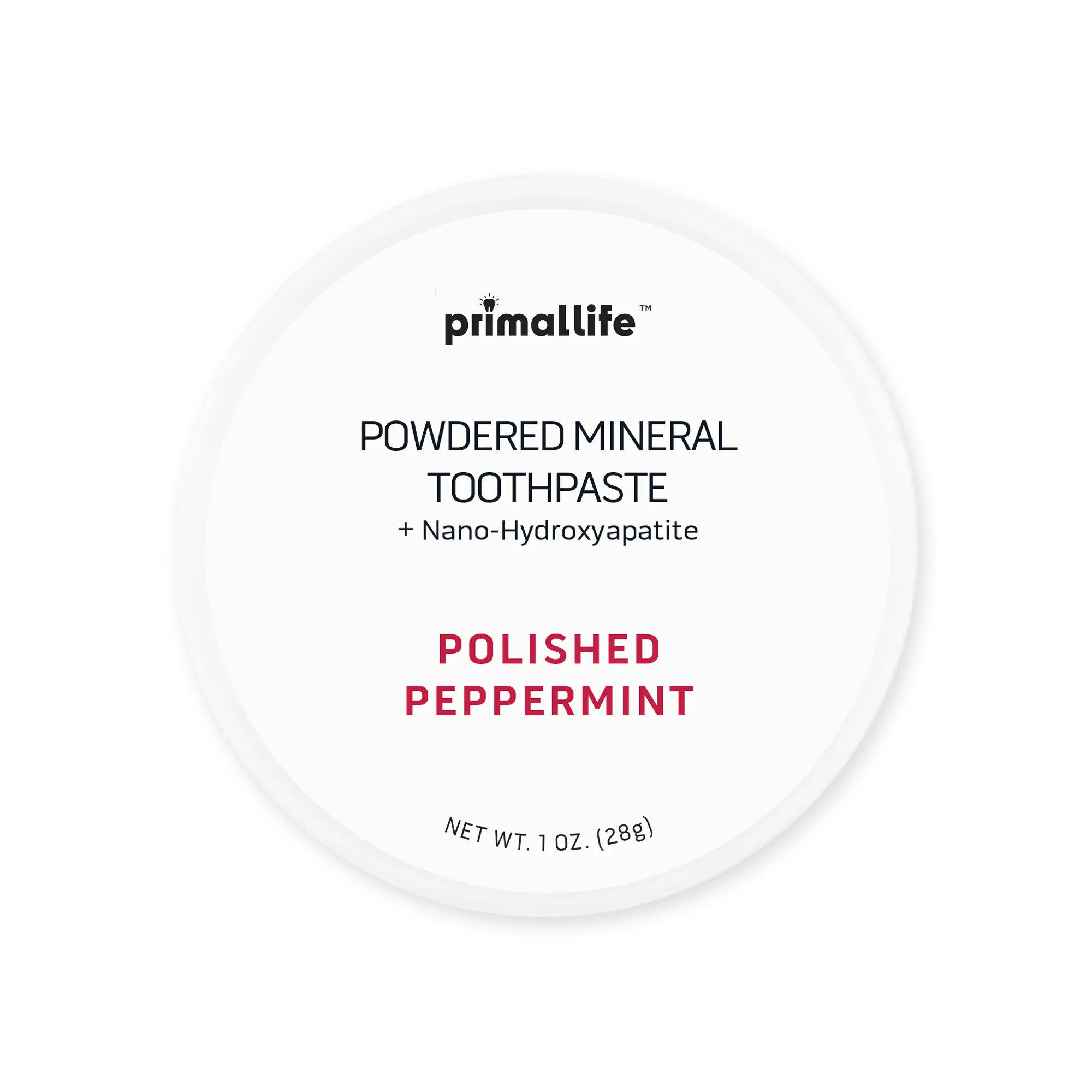
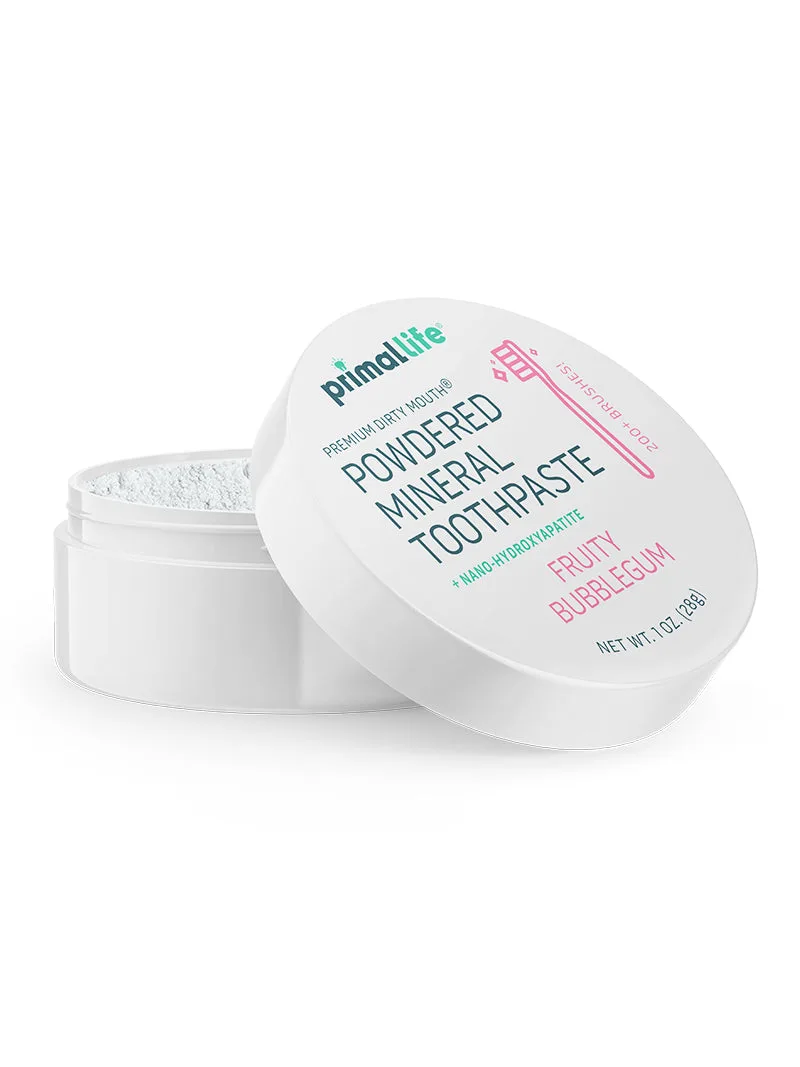
- Ignite Cinnamon Shine Powdered Mineral Toothpaste: This upgraded formula pairs enamel-rebuilding nano-hydroxyapatite, mineral-rich clays that polish and detox, and an extra dose of cinnamon essential oil — to whiten, remineralize, and rebalance your smile from the inside out. The nano-hydroxyapatite is a key ingredient for remineralizing enamel, which can help reduce sensitivity over time. The mineral clays offer gentle polishing, making it a good choice for sensitive teeth.
- Black Pack MINI: This powerful duo packs a powerful punch for your mouth & pits. Featuring cleansing and activated charcoal in our best-selling Dirty Mouth Toothpowder and Stick Up Deodorant. Made for sensitive teeth and skin... While the product claims to be made for sensitive teeth, the presence of activated charcoal may be abrasive for some. If you're trying it, start slowly and monitor your sensitivity.
Toothpowder can be a helpful ally for sensitive teeth when chosen wisely and used gently. Look for remineralizing ingredients, avoid harsh abrasives, and listen to your body. If sensitivity doesn't improve, don't hesitate to seek professional advice. Your smile deserves the best care.