Quick answer
Yes, a Vornado circulator can help reduce bedroom allergens by constantly moving air, preventing particles from settling. Choose a model with strong, adjustable airflow and run it at a low to moderate speed while you sleep for continuous filtration support.
Airborne allergens like dust mites, pet dander, and pollen often linger in bedroom corners, especially when airflow is stagnant. A circulator creates whole‑room air movement, which can keep these particles suspended longer, making them easier for filters or air purifiers to capture.
When considering circulator bedroom allergens, the right fan can make a difference without increasing noise or energy use. Below are the most common questions and practical tips for using Vornado circulators to improve bedroom air quality.
How does a circulator affect allergen levels?
Vornado’s signature Vortex Action creates a 360‑degree airflow pattern that pushes air throughout the room, rather than blowing it in a single direction. This constant circulation prevents dust from gathering on surfaces, reducing the overall allergen load that can be inhaled while you sleep.
The effect is most noticeable in rooms with low natural ventilation. By pairing a circulator with an air purifier, the purifier can capture more particles because the air never stays still long enough to settle.
- Place the circulator near the center of the room or opposite a wall to maximize sweep.
Which circulator features matter for allergy control?
Adjustable speed settings let you fine‑tune airflow. Low speeds maintain gentle movement that won’t disturb sleep, while higher speeds can be used during the day to quickly disperse settled dust before bedtime.
A pivoting head, like on the EXO61 Heavy Duty Air Circulator, lets you direct airflow toward problem areas such as a pet’s sleeping spot or a dusty bookshelf.
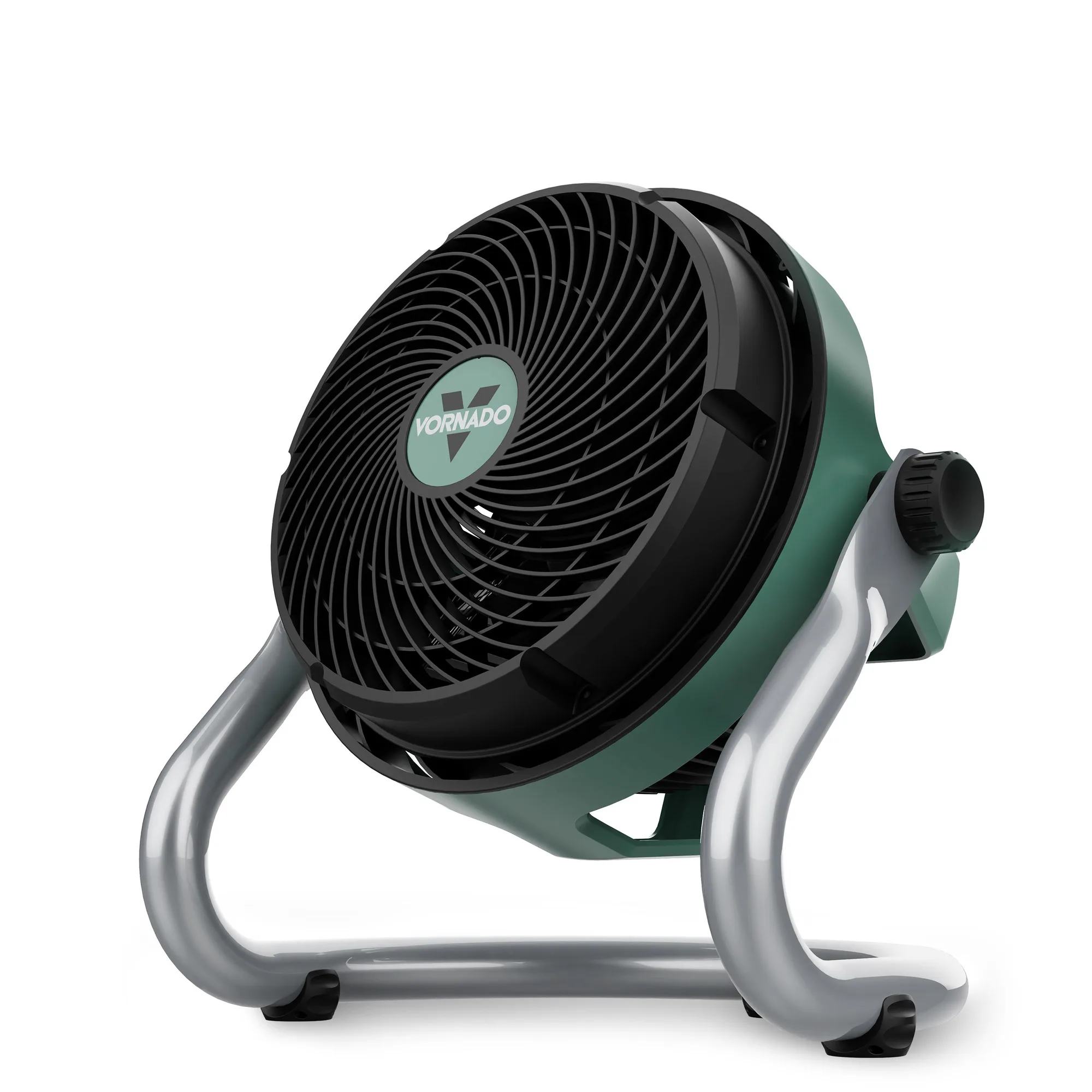
EXO61 Heavy Duty Air Circulator
- Choose a model with a durable motor and dust‑protected housing for long‑term reliability.
Are there any trade‑offs to running a circulator all night?
Continuous operation does increase electricity usage, though Vornado’s DC‑motor models are up to 80% more efficient than conventional fans. Noise is another factor; most Vornado circulators stay below 40 dB at low speed, which is generally acceptable for sleep.
If you have severe sensitivities, consider a timer or a smart plug to run the circulator for the first few hours of sleep and then shut off.
- Check the fan’s decibel rating if you’re a light sleeper.
FAQ Summary
Key takeaway
A Vornado circulator can lower bedroom allergen buildup by keeping air moving and preventing particles from settling. Add a circulator to your sleep environment for cleaner air.
Next steps
Select a model with adjustable speed and a dust‑protected motor, position it centrally, and run it at low to moderate speed overnight. Combine with an air purifier for maximum benefit.
Maintenance tip
Wipe the grill and motor housing monthly to prevent dust buildup that could reduce performance. Clean fans regularly to maintain airflow efficiency.
Vornado circulators that work well in bedrooms
- EXO61 Heavy Duty Air Circulator: The EXOskeleton high‑impact housing stands up to the rigors of the job site, and the powerful IP54 rated motor is well‑protected against dust and debris. A dust‑protected motor means the fan can run continuously in a bedroom without clogging, keeping airflow steady for allergen reduction.
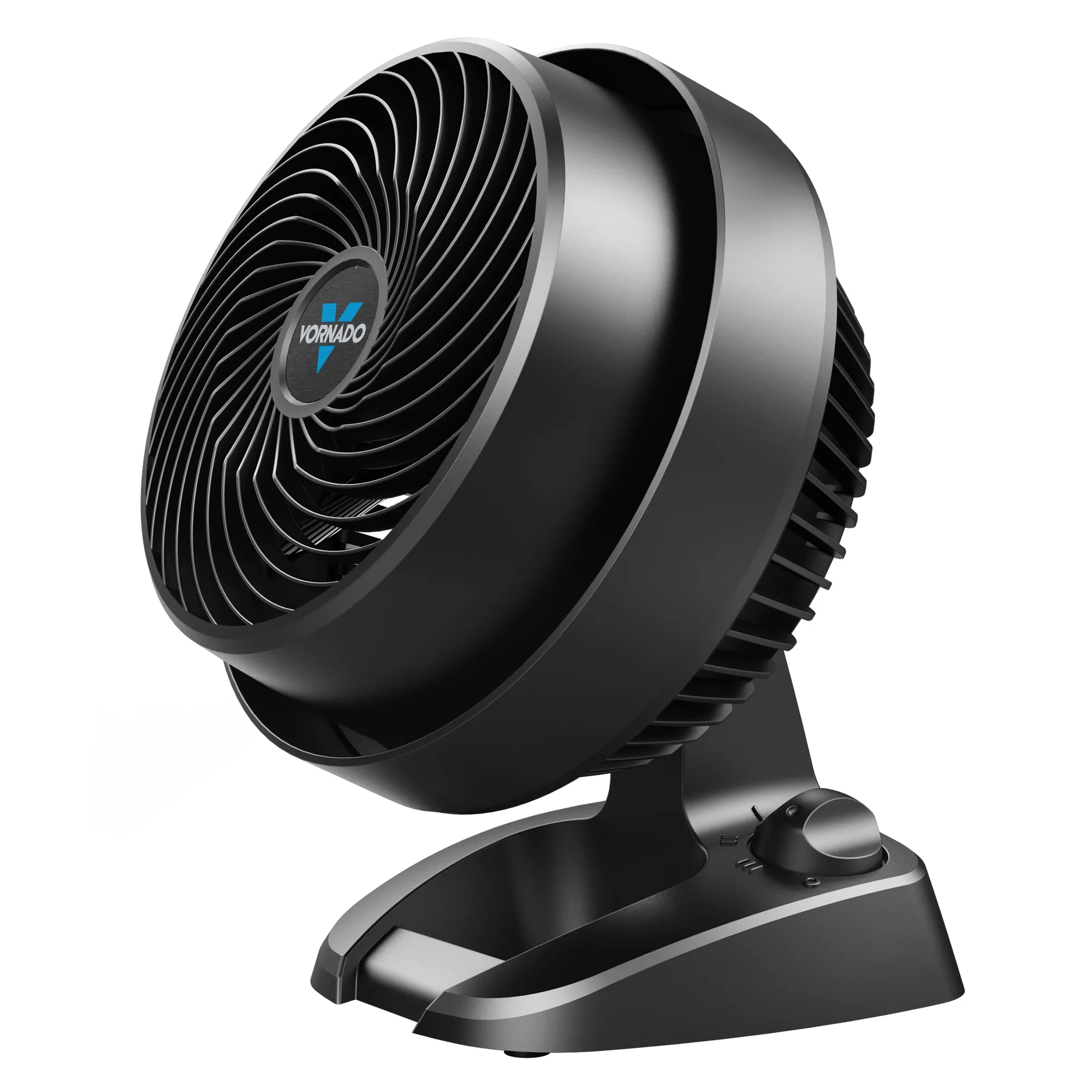
- 530 Compact Air Circulator Fan: The compact Vornado 530 Air Circulator uses our signature energy‑efficient Vortex Action to move air up to 65 feet and provide whole‑room circulation. Its small footprint fits easily on a nightstand while still delivering powerful circulation, making it ideal for small bedrooms where space is limited.
Using a Vornado circulator is a simple, low‑cost way to improve bedroom air quality and reduce allergen exposure, especially when paired with good ventilation and regular cleaning.