Quick Answer
Yes, you can often paint over primer without sanding, but only if the primer is smooth, dry, and free of imperfections. Sanding is still recommended for glossy surfaces or when you need to fix drips and bumps.
Why Sanding Isn't Always Necessary
Primer is designed to create a bondable surface, so in many cases, a light sanding is just extra work. If your primer went on smoothly and you're using a quality product, the paint will adhere well without sanding.
However, sanding becomes important if you notice drips, roller marks, or rough patches. These imperfections will show through your topcoat, so addressing them before painting is key.
When You Should Sand
If you're painting over a glossy or previously painted surface, sanding the primer helps the new paint grip better. Also, if you're using a primer on bare wood, a light sanding after the primer can raise the grain and smooth the surface.
Always check the primer's instructions. Some primers are specifically formulated to be sanded, while others are not. When in doubt, a quick sanding with fine-grit paper is a safe bet.
The Role of Primer Quality
The quality of your primer matters. A high-quality primer like Clare's Interior/Exterior Primer is fast-drying and multi-surface, designed to conceal imperfections and block stains while providing a long-lasting bond. This means it's more forgiving if you skip sanding.
But even the best primer can't fix a poorly prepared surface. If the underlying surface is glossy or has loose paint, sanding is still necessary for proper adhesion.
The Verdicts
- Smooth, clean primer: If the primer is dry, smooth, and free of dust or debris, you can paint over it without sanding. Wipe the surface with a damp cloth to remove any dust before painting.
- Glossy or previously painted surfaces: Sanding is recommended to create a mechanical bond for the new paint. Use a fine-grit sandpaper (220-grit) and wipe clean after sanding.
- Primer with drips or rough spots: Sand these areas smooth before painting to ensure a flawless finish. Spot-sand only the affected areas, then re-prime if necessary.
Primer That Works With Your Prep
-
Interior/Exterior Primer: Clare's Interior/Exterior Primer is fast-drying and applies easily to conceal imperfections and block stains. A smooth, stain-blocking primer reduces the need for sanding, saving you time and effort.
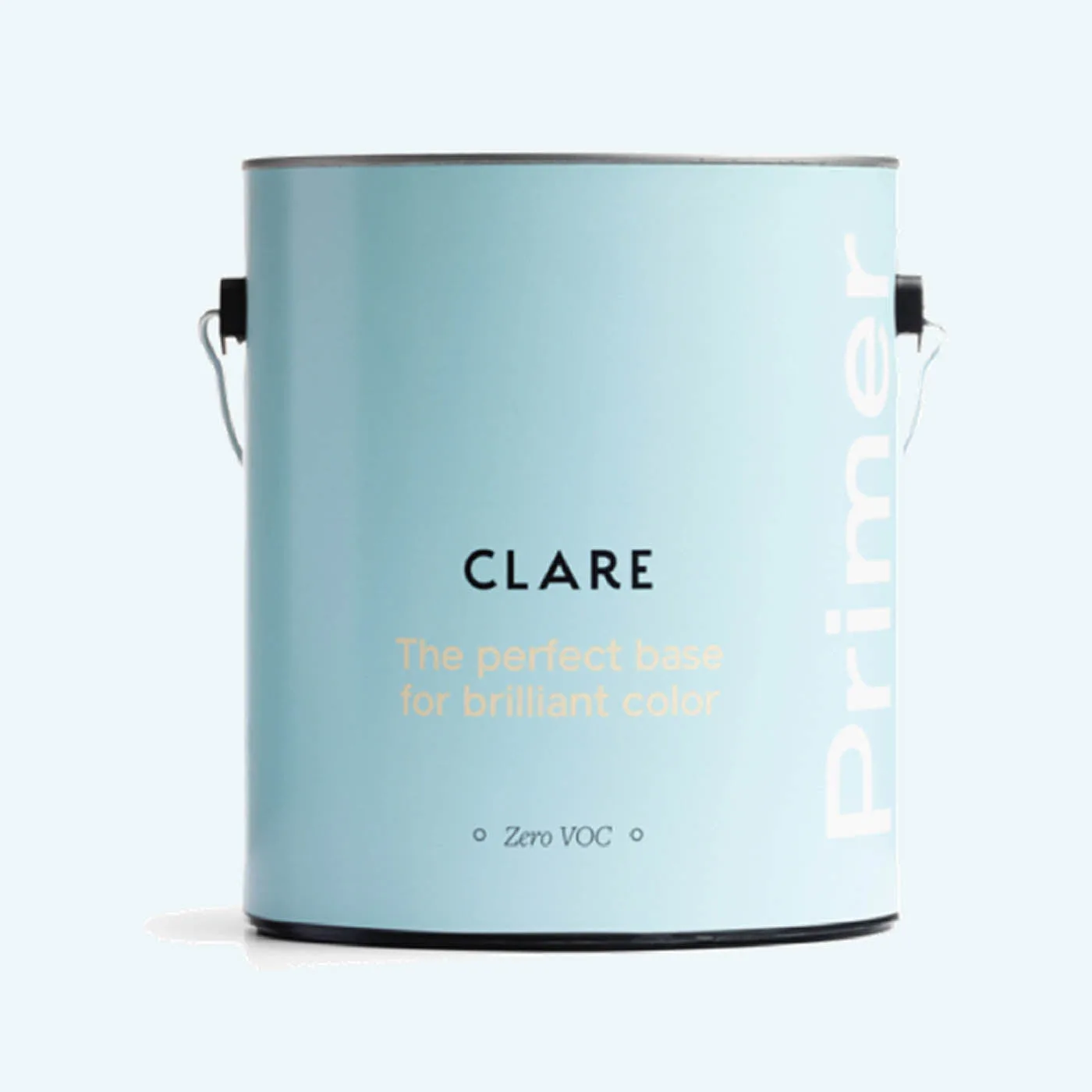
Interior/Exterior Primer