You finally gave in and popped that pimple—now what? The urge to cover it with a patch is strong, but is it safe to use acne patches on open pimples? The answer isn't a simple yes or no, but with the right knowledge, you can use them effectively to speed up healing and prevent scarring.
In this guide, we'll break down how hydrocolloid patches work, when they're safe on broken skin, and the best practices for using them on popped pimples. Plus, we'll share some product recommendations that are gentle enough for raw, sensitive areas.
How Do Acne Patches Work?
Acne patches are typically made of hydrocolloid, a gel-like material that absorbs fluid from pimples. When you place a patch over a pimple, it creates a moist environment that promotes healing, reduces inflammation, and prevents you from picking at the area. Hydrocolloid patches are especially effective on pimples that have come to a head or have been drained, as they can absorb the excess fluid and flatten the bump.
For unbroken skin, patches work by drawing out impurities and reducing redness. But when the skin is open, the patch's role changes: it acts more like a protective barrier and a healing aid, rather than a treatment for active acne. Understanding this distinction is key to using them safely on open pimples.
- Hydrocolloid absorbs fluid and creates a moist healing environment.
- On open skin, patches protect the wound from bacteria and irritation.
Is It Safe to Use Acne Patches on Open Pimples?
In general, yes, it is safe to use hydrocolloid patches on open pimples, provided the wound is clean and not infected. The patches are non-comedogenic and gentle, making them suitable for broken skin. However, you should avoid using patches on deep cuts, actively bleeding wounds, or areas showing signs of infection like pus or yellow crusting.
The main benefit of using a patch on an open pimple is that it absorbs the fluid that continues to seep out, preventing scab formation and reducing the risk of scarring. It also keeps the area moist, which is optimal for wound healing. But it's crucial to clean the area gently before applying the patch to avoid introducing bacteria.
- Always wash your hands and the area with a gentle cleanser before applying a patch.
- Do not use patches on infected wounds—if you see signs of infection, consult a dermatologist.
Best Practices for Using Patches on Popped Pimples
If you've popped a pimple, the first step is to clean the area with a mild cleanser like the Pore Perfecting Cleanser to remove any bacteria. Pat the skin dry, then apply a hydrocolloid patch. Leave it on for at least 6-8 hours, or overnight, to allow it to absorb the fluid. You'll notice the patch turning white as it fills with liquid—that's a sign it's working.
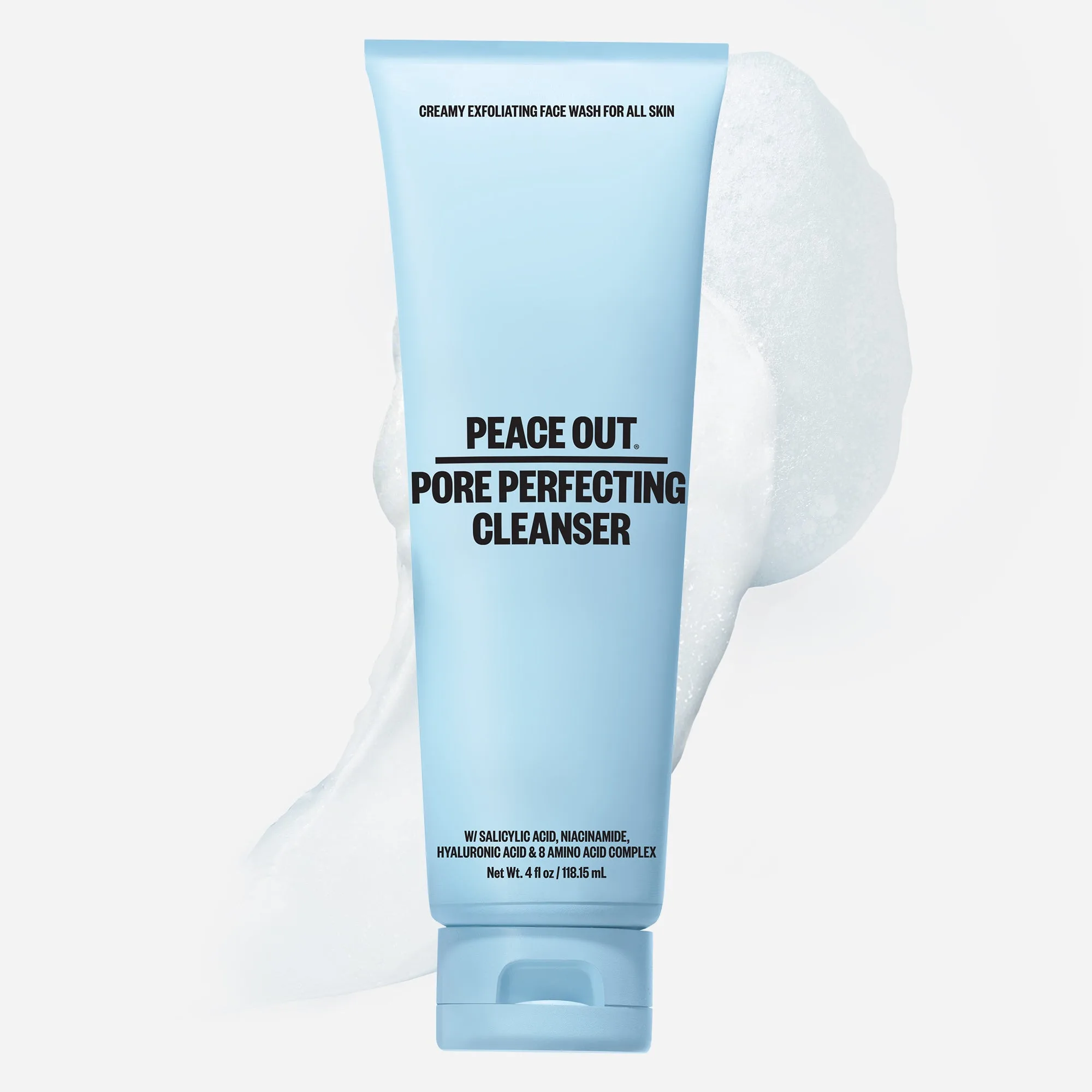
Pore Perfecting Cleanser
For best results, choose a patch that is specifically designed for open pimples, such as the Acne Treatment 20 Dots. These patches are formulated to adhere well to broken skin and provide optimal absorption. Avoid using microneedling patches on open wounds, as the micro-darts are meant for unbroken skin and could cause irritation.
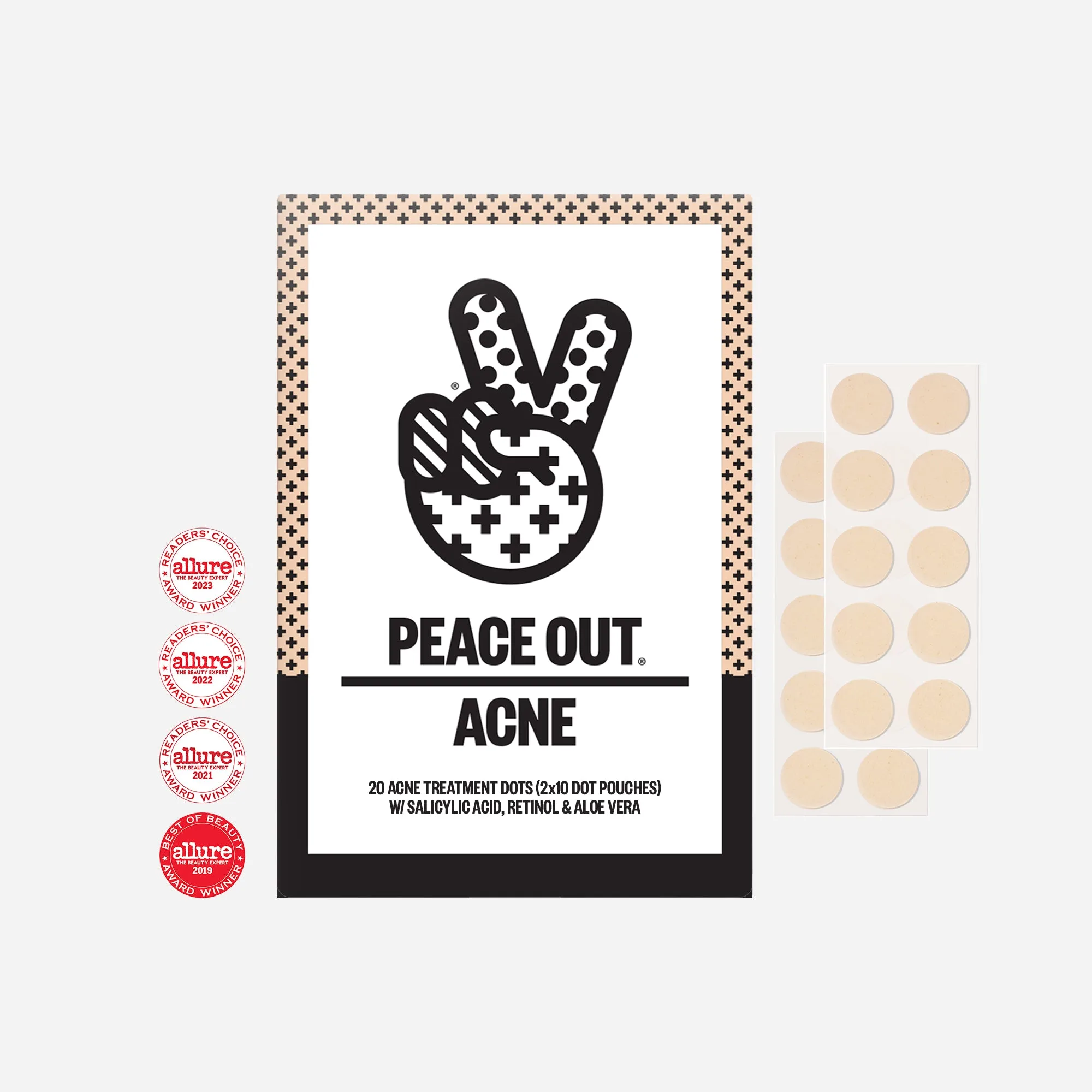
Acne Treatment 20 Dots
- Change the patch if it becomes saturated or after 12 hours.
- Do not reapply a patch to the same area for more than 24 hours—let the skin breathe.
When to Avoid Using Acne Patches on Open Skin
While hydrocolloid patches are safe for most open pimples, there are exceptions. If the pimple is infected—characterized by increasing redness, warmth, or yellow discharge—skip the patch and see a dermatologist. Also, avoid using patches on open skin if you have a known allergy to adhesive or hydrocolloid materials.
Additionally, do not use patches on open skin that is part of a larger wound, such as a cut or burn. The patch is designed for small, localized areas and may not provide adequate protection for larger injuries. In such cases, consult a healthcare professional for proper wound care.
- Discontinue use if you experience increased irritation or an allergic reaction.
- Never use acne patches on open skin that is actively bleeding.
Product Recommendations for Open Pimples
When choosing a patch for open pimples, look for hydrocolloid patches that are thin, flexible, and have strong adhesive. The Acne Day- 20 Dots are a great option for daytime use, as they are discreet and stay put even under makeup. For nighttime, consider a thicker patch that can absorb more fluid while you sleep.
In addition to patches, maintaining a gentle skincare routine is essential. Use a soothing moisturizer like the Barrier Revitalizing & Renewing Overnight Recovery Mask to support skin recovery after the patch is removed. This helps restore the skin barrier and reduces the risk of post-inflammatory hyperpigmentation.
- Keep a pack of hydrocolloid patches on hand for emergency popped pimples.
- Always follow up with a gentle moisturizer to keep the area hydrated.
Using acne patches on open pimples can be a safe and effective way to promote healing and prevent scarring, as long as you follow the proper steps. Clean the area, choose the right patch, and monitor for any signs of infection. For a reliable option, check out the Acne Treatment 20 Dots and give your skin the care it deserves.