Quick Answer
Yes, you can use body sunscreen on your face in a pinch, but it's not ideal for everyday wear. Face sunscreens are formulated with lighter textures and skin-friendly ingredients that minimize breakouts and irritation, while body sunscreens may feel heavier or greasy. For daily use, choose a dedicated face SPF.
It's a common question: can you just grab your body sunscreen and slather it on your face? The short answer is yes, in a bind. But if you're asking regularly, you might be missing out on a better experience and better protection for your facial skin.
Body sunscreens are often designed to cover large areas and may contain ingredients that feel heavy or clog pores on the delicate skin of your face. Face sunscreens, on the other hand, are crafted with lighter textures, added skincare benefits, and a more cosmetically elegant finish. Let's break down the differences and help you decide.
Key Differences Between Face and Body Sunscreen
The main difference lies in formulation. Body sunscreens are typically thicker and may leave a white cast or sticky residue, which is less noticeable on larger areas like arms and legs. Face sunscreens are often lighter, absorb faster, and are designed to sit well under makeup or alone.
Another difference is the addition of skincare ingredients. Many face sunscreens include antioxidants, vitamins, or niacinamide to support skin health, while body sunscreens focus primarily on protection. For example, Kopari's Bright As Day Sheer Mineral Sunscreen SPF 50 includes Vitamin C and niacinamide to brighten and soothe skin, making it a better match for facial use.
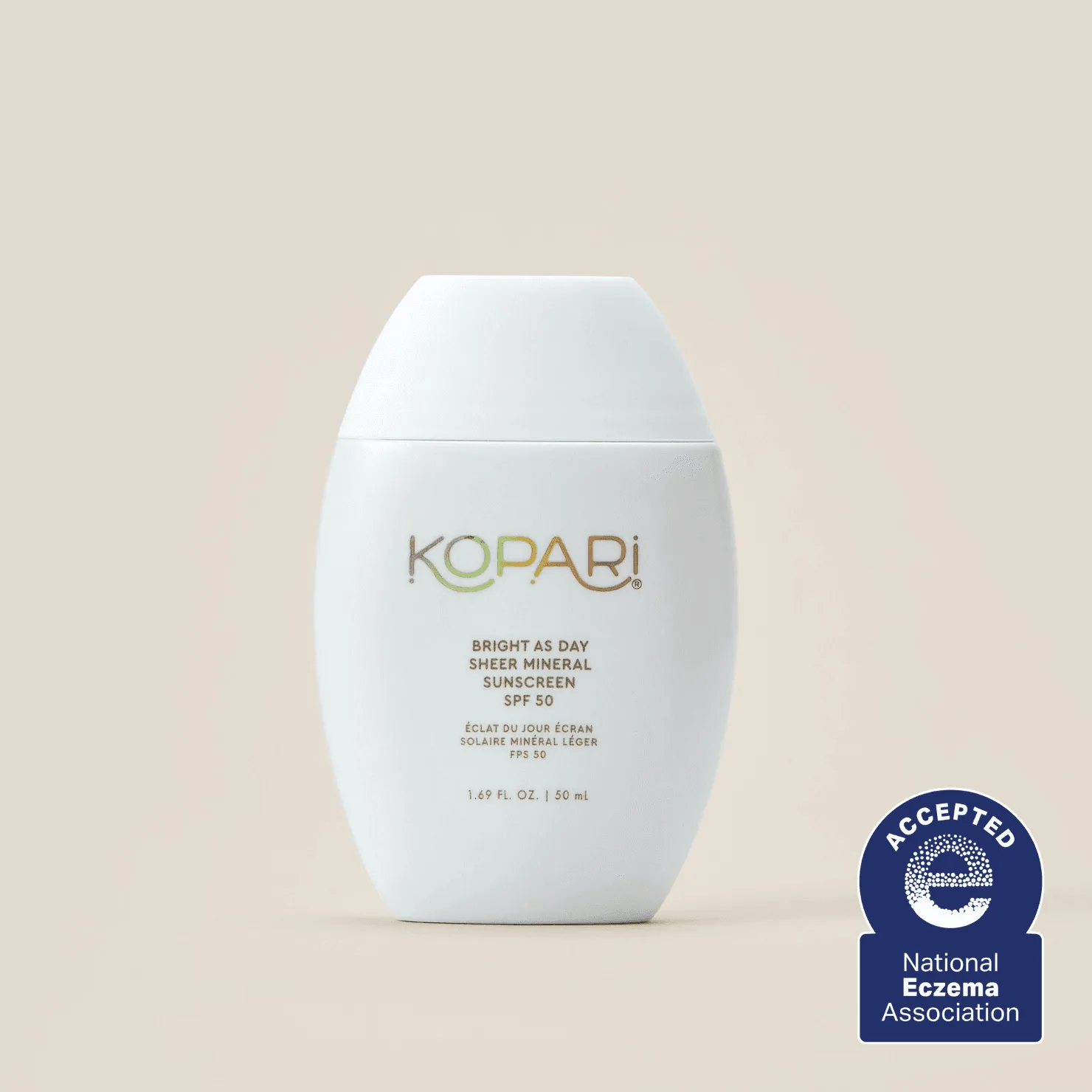
Bright As Day Sheer Mineral Sunscreen SPF 50
- Check the label for 'non-comedogenic' if you have acne-prone skin.
- Look for a lightweight, sheer finish for comfortable daily wear.
When Body Sunscreen on Face Might Be Okay
If you're at the beach and forgot your face sunscreen, using a body SPF is better than no protection at all. Just be aware that it may feel heavy or cause breakouts, especially if you're prone to acne.
If you do use body sunscreen on your face, try to choose one that is non-comedogenic and avoid the eye area. Reapply as you would any sunscreen, and switch back to a face-specific formula as soon as you can.
Our Verdicts
- Can you use body sunscreen on your face?: Yes, in a pinch, but not recommended for daily use. Body sunscreens may be heavier and lack facial skincare benefits. Use face-specific SPF for everyday protection.
- Is body sunscreen safe for your face?: Generally safe, but may cause breakouts or irritation, especially for sensitive or acne-prone skin. Choose non-comedogenic formulas if you must use body SPF.
- What should you look for in a face sunscreen?: A lightweight, sheer formula with added skincare ingredients like Vitamin C or niacinamide for a brightening, soothing effect. Opt for a dedicated face sunscreen like Bright As Day SPF 50.
Product Facts
- Bright As Day Sheer Mineral Sunscreen SPF 50: A 100% mineral facial sunscreen that shields against UVA/UVB rays and blends in for a sheer, glowy finish. Made with Vitamin C, astaxanthin, and niacinamide to brighten, soothe, and improve dryness. This face-specific SPF offers a sheer, glowy finish while delivering skincare benefits, making it ideal for daily facial use without heaviness or white cast.
- Sun Juice Body Mist Sunscreen SPF 30: A clear SPF 30 body mist that goes on without white cast or stickiness, leaving a juicy scent of watermelon, peach, apple, and kiwi. While convenient for body application, this mist is not designed for the face. Its lightweight feel may tempt you, but it lacks the skincare actives and targeted formulation of a face sunscreen.
While body sunscreen can work in a pinch, it's not the best choice for your face. Dedicated face sunscreens offer lighter textures and added skincare benefits that make daily use comfortable and effective. For a reliable face SPF, consider Kopari's Bright As Day Sheer Mineral Sunscreen SPF 50, and keep your body mist for the rest of your skin.