Quick Answer
Yes, you can use a chemical peel and a retinoid together, but not on the same day. Alternate them on separate days and prioritize barrier care to avoid irritation. This approach lets you enjoy the benefits of both without over-exfoliating.
If you're using a retinoid to manage acne or aging, you might wonder whether you can still get the benefits of a chemical peel. The answer is yes—but only if you plan carefully. Combining these two powerful exfoliants without a strategy can lead to redness, peeling, and a damaged skin barrier.
This guide compares the two approaches, explains the trade-offs, and gives you a practical routine for using a peel and a retinoid together safely. We'll also highlight products that support your skin during this process.
What Happens When You Combine a Peel and a Retinoid?
Both chemical peels and retinoids work by accelerating cell turnover, but they do it in different ways. A chemical peel uses acids like salicylic or glycolic acid to dissolve the bonds between dead skin cells, causing them to shed. Retinoids, on the other hand, work deeper by signaling skin cells to behave more like young, healthy cells. When used together, they can complement each other—peels smooth the surface, while retinoids improve texture over time.
The risk is that using them on the same day can overwhelm your skin. Both increase sensitivity and can strip away natural oils, leading to irritation. That's why timing is everything. By alternating days, you give your skin time to recover while still reaping the benefits.
- Never apply a peel and a retinoid in the same routine.
- Start with a lower frequency: once a week for peels, three times a week for retinoids.
- Always use sunscreen, as both increase sun sensitivity.
How to Schedule Your Peel and Retinoid Routine
A common approach is to use your retinoid on most nights and reserve one or two nights for a chemical peel. For example, you might use your retinoid on Sunday, Tuesday, and Thursday, and a peel on Saturday. This gives your skin a full day to recover between exfoliating treatments.
It's also wise to take a break from your retinoid for 24 to 48 hours before and after a peel. This reduces the risk of over-exfoliation and allows your skin to handle the peel more comfortably. Listen to your skin—if you notice excessive dryness or flaking, cut back on frequency.
- Keep a simple calendar or note in your phone to track your schedule.
- If your skin feels tight or stings, pause both products for a few days and focus on hydration.
Choosing the Right Peel for Your Skin Type
Not all peels are created equal. Salicylic acid peels are oil-soluble, making them ideal for acne-prone and oily skin because they can penetrate pores. Glycolic acid peels are water-soluble and better for dry or sun-damaged skin, but they can be more irritating. If you have sensitive skin, consider a milder option like lactic acid.
When you're using a retinoid, it's best to start with a gentle peel and see how your skin reacts. You can always increase strength later, but you can't undo irritation. Always follow the instructions on the product and do a patch test first.
- For acne-prone skin, look for peels containing salicylic acid.
- For aging concerns, glycolic acid may be more effective, but start with a low concentration.
The Trade-Offs of Combining a Peel and a Retinoid
- Exfoliation Strength: Using both increases total exfoliation, which can lead to smoother skin faster. However, too much can damage your barrier. Start with lower concentrations and frequencies.
- Convenience: Managing two products requires planning and discipline. You need to remember which night is which. Use a calendar or set reminders.
- Skin Barrier Health: The combination can strip moisture and increase sensitivity if not managed well. Barrier care becomes non-negotiable. Always have a hydrating moisturizer on hand.
Products That Support Safe Exfoliation
- Sal-C Toner: This purifying toner helps maintain optimal oil balance, while salicylic acid provides light exfoliation and a pure form of Vitamin C helps brighten skin. On your non-peel nights, a gentle toner like this can provide mild exfoliation without the intensity of a full peel, helping to keep pores clear between stronger treatments.
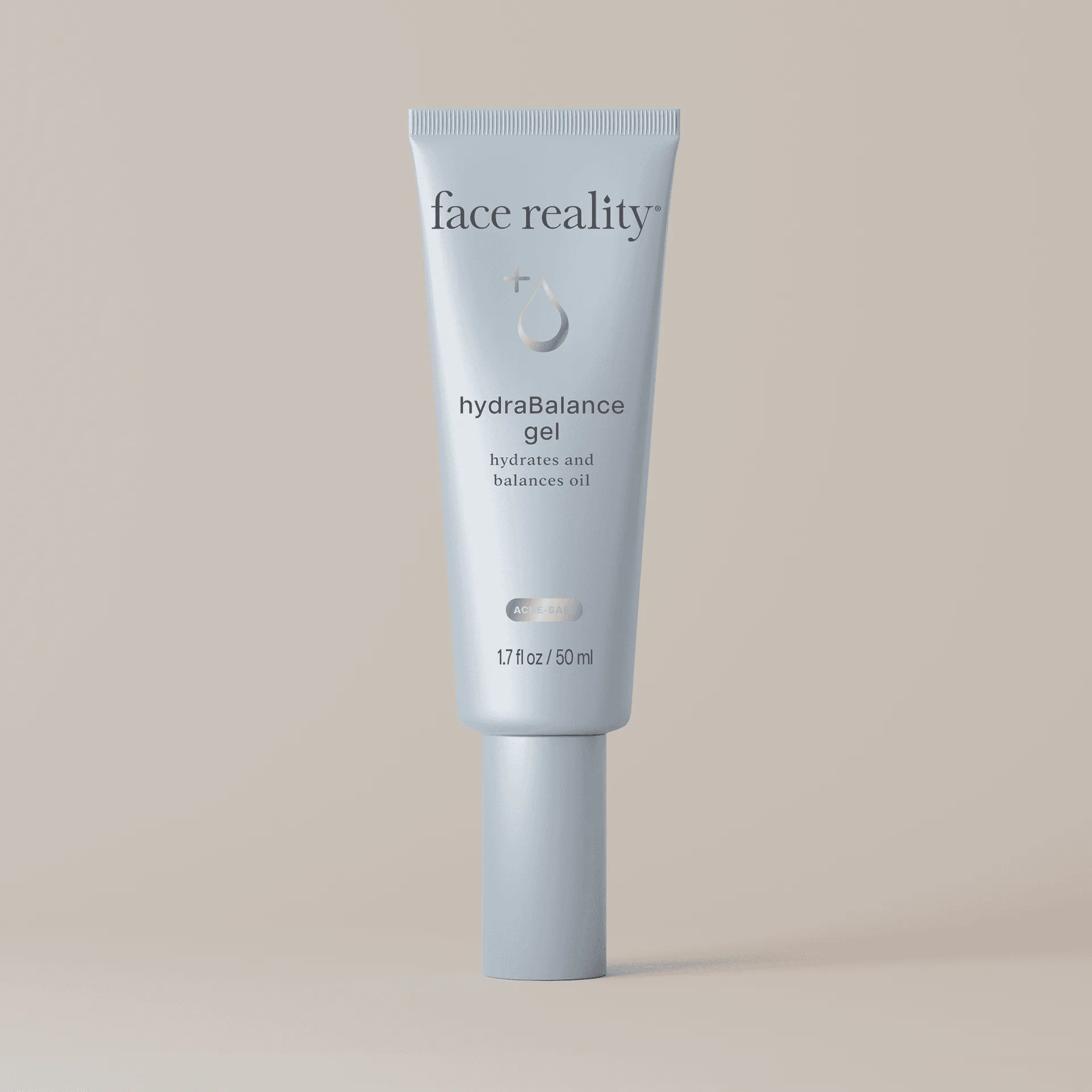
- hydraBalance Gel: hydraBalance Gel is designed to support clearer-looking skin with a cooling, lightweight, hydrating gel formula that absorbs quickly to quench skin while perfectly balancing oil levels. Perfect for oily and combination skin types. After exfoliating, your skin needs hydration to maintain a healthy barrier. This lightweight gel delivers moisture without clogging pores, making it an ideal step after a peel or on retinoid rest days.
Is This Combination Right for You?
Best for
- People with resilient skin who have already used retinoids and peels separately without issues.
- Those looking to accelerate results for acne or aging while willing to commit to a careful schedule.
Not for
- Beginners who have never used a retinoid or peel before—start with one first.
- Anyone with a compromised skin barrier, active inflammation, or conditions like eczema or rosacea.
Using a peel and a retinoid together is possible and can be effective, but it demands respect for your skin's limits. Alternate days, prioritize hydration, and always use sunscreen. If you're unsure, consult a skincare professional to tailor the routine to your skin type.