Quick Answer
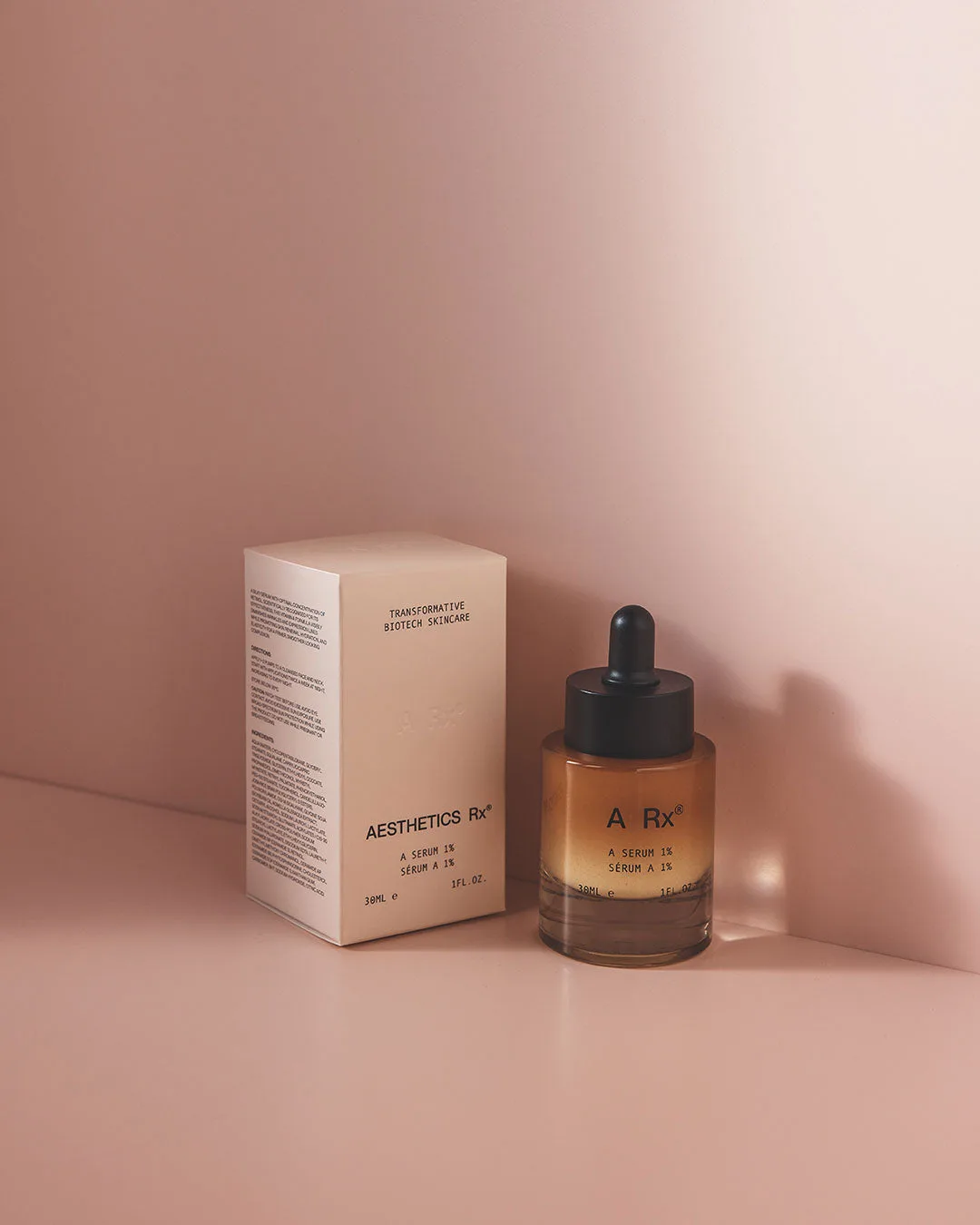
Yes, you can use Vitamin A Serum 1% Retinol with Biofemage® Cream, but you need to layer them correctly to avoid irritation. Apply retinol to clean, dry skin, wait for it to absorb, then seal with Biofemage® Cream. Start with 2–3 nights per week and always use sunscreen during the day.
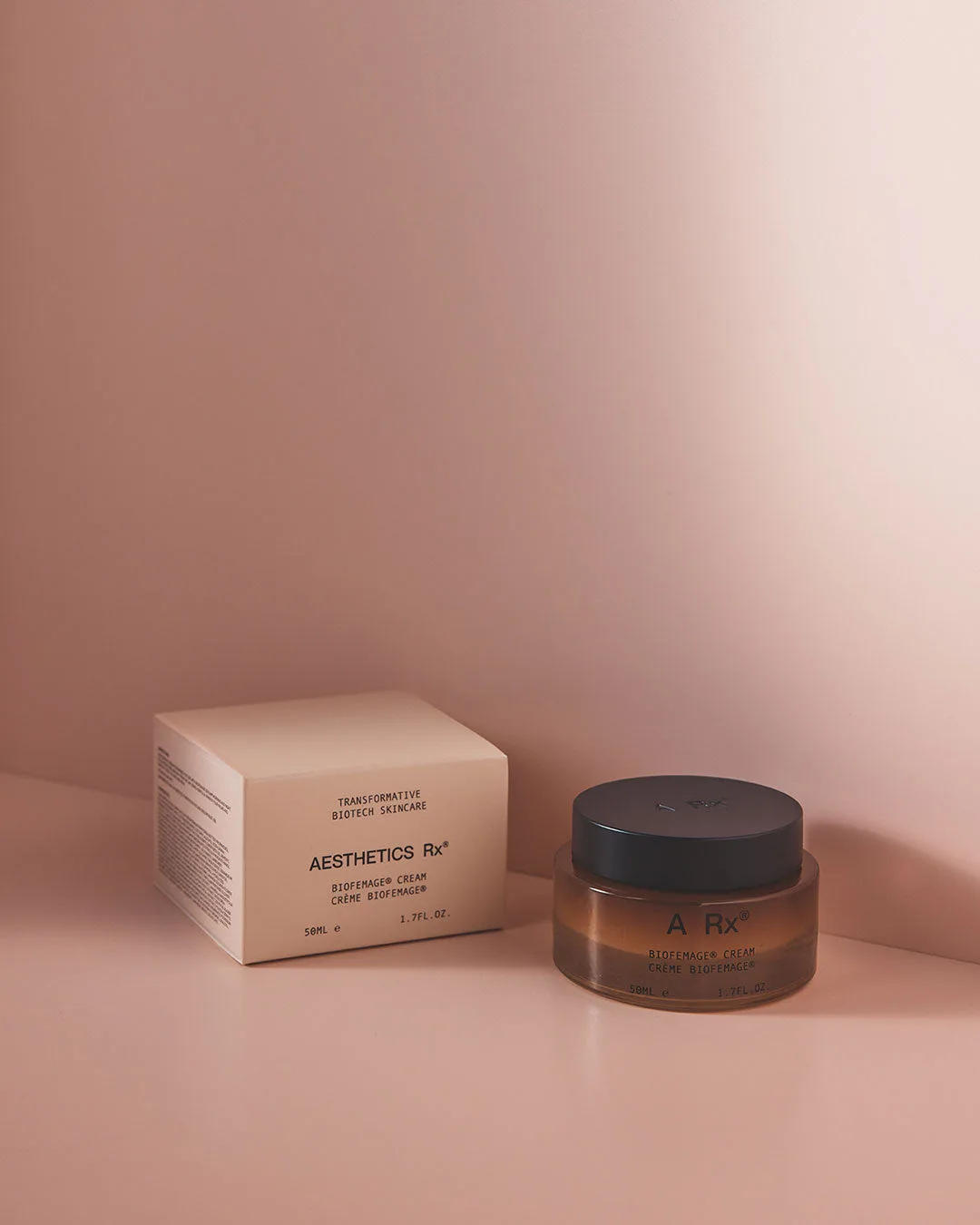
Biofemage® Cream
Retinol is a gold standard for anti-ageing, but it can cause redness, flaking, and dryness if not layered properly. Many Aesthetics Rx customers ask whether they can combine a potent Vitamin A Serum 1% Retinol with a nourishing moisturizer like Biofemage® Cream. The answer is yes—when you follow a few smart steps.
This guide walks you through the correct order, frequency, and precautions for using these products together. You'll also learn how to troubleshoot common reactions and when to adjust your routine.
Why Layering Retinol with a Moisturizer Matters
Retinol works by accelerating cell turnover, which can leave skin temporarily vulnerable. A rich moisturizer like Biofemage® Cream helps reinforce the skin barrier, reduce water loss, and buffer potential irritation. This combination lets you enjoy retinol's benefits while keeping your skin comfortable.
Layering isn't just about what you apply—it's about how you apply. The order and timing of your products can make the difference between glowing skin and a red, peeling reaction. Here's the safe method we recommend.
- Always apply retinol to dry skin—moisture can increase penetration and irritation.
- Wait 10–15 minutes after cleansing before applying retinol to let skin fully dry.
- Follow with Biofemage® Cream to lock in moisture and soothe the barrier.
Step-by-Step: How to Layer Vitamin A Serum with Biofemage® Cream
Start with a gentle cleanser and pat your face dry. If you use a toner or essence, apply it and wait until your skin is completely dry. Then, dispense a pea-sized amount of Vitamin A Serum 1% Retinol and smooth it over your face, avoiding the eye area and any broken skin.
Allow the serum to absorb for 5–10 minutes. This reduces the chance of pilling and lets the retinol penetrate effectively. Finally, apply a layer of Biofemage® Cream to seal in moisture and create a protective barrier. This is your occlusive step that helps prevent transepidermal water loss.
- Start with 2–3 nights per week, then gradually increase as your skin tolerates it.
- Always apply sunscreen the next morning—retinol increases sun sensitivity.
- If you experience severe irritation, stop and let your skin recover before trying again.
Troubleshooting Common Reactions
Even with perfect layering, you might notice mild dryness or tightness during the first weeks. This is often called 'retinization' and usually subsides. If you see flaking or redness, reduce frequency to every third night and increase your moisturizer use.
If irritation persists or feels painful, discontinue the retinol and focus on barrier repair with Biofemage® Cream alone until your skin feels calm. Then reintroduce retinol slowly. Severe reactions are rare but warrant a break and possibly a consultation with a dermatologist.
- Don't combine retinol with other strong actives like AHA or BHA on the same night.
- If you have sensitive skin, try the 'sandwich method': moisturizer, then retinol, then moisturizer.
- Keep a simple routine on off nights—just cleanse and moisturize.
Diagnosis: Is Your Retinol Routine on Track?
- Symptom: Mild tightness or flaking: This is common during the first 2–4 weeks of retinol use as your skin adjusts. It means the retinol is working, but your barrier needs extra support. Continue with your routine, but ensure you're applying Biofemage® Cream generously. You can also reduce retinol frequency to every third night.
- Symptom: Persistent redness or burning: This indicates your skin barrier is compromised or you're using retinol too often. Stop using retinol immediately and focus on soothing, hydrating products only. Take a break from retinol for 5–7 days. Use Biofemage® Cream morning and night to repair. Reintroduce retinol at a lower frequency once skin feels calm.
- Symptom: No irritation at all: If you've been using retinol for weeks without any reaction, your skin may have built tolerance. This is a good sign, but don't rush to increase strength. You can gradually increase frequency to nightly if desired, but always maintain the moisturizer step to prevent future irritation.
Products That Support Your Retinol Routine
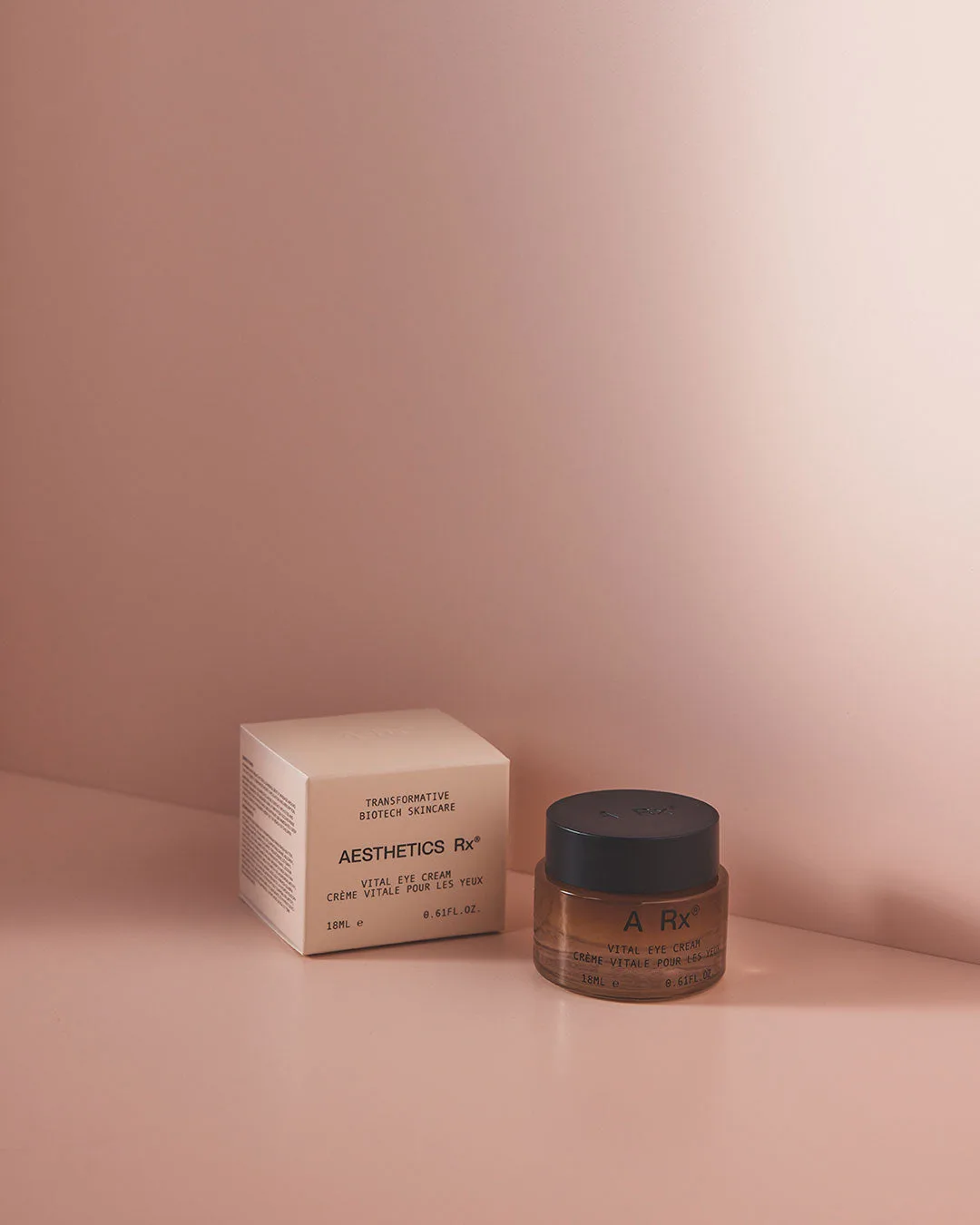
- Vital Eye Cream: A light-textured cream that reduces the first signs of ageing and helps soothe, revitalise, and hydrate the delicate eye contour. Combines multiple peptides targeted to reduce the appearance of dark circles and puffiness with l particles, providing instant radiance and optically minimising fine lines and wrinkles. The eye area is often the first to show retinol irritation. Use Vital Eye Cream around the eyes before or after your retinol (but never apply retinol directly to the eyelids) to keep the area hydrated and reduce the risk of flaking.
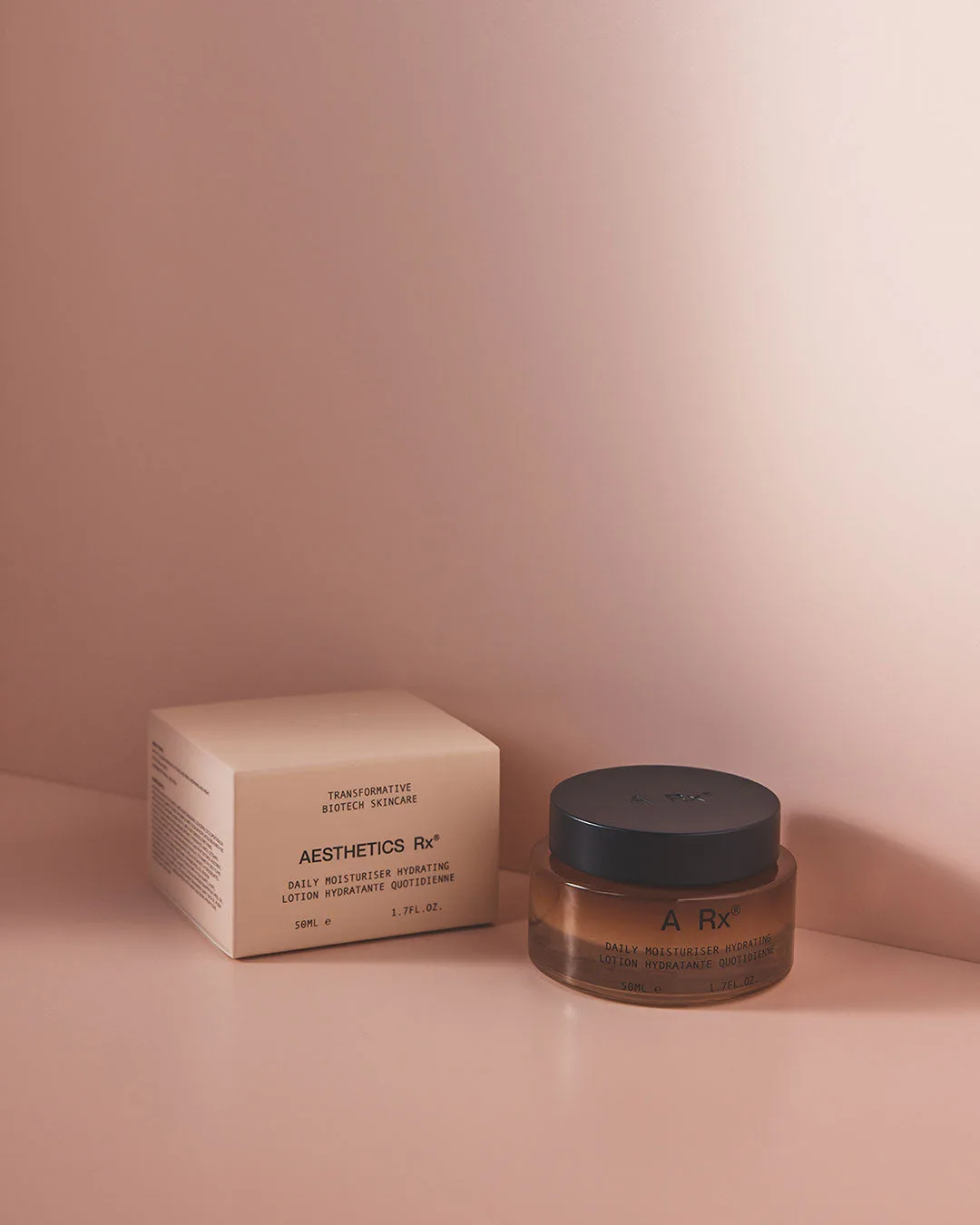
- Daily Moisturiser Hydrating: This lightweight hydrating moisturiser, enriched with powerful antioxidants, is designed to protect against environmental stressors and visibly combat premature skin ageing. Formulated with deeply nourishing ingredients, this fast-absorbing moisturiser helps restore hydration, visibly improve skin elasticity, and leave the complexion feeling soft, supple, and plump. If you find Biofemage® Cream too rich for daytime, this lightweight moisturiser can be used in the morning to maintain hydration without heaviness, while you save the richer cream for your evening retinol layering.
Layering Vitamin A Serum 1% Retinol with Biofemage® Cream can be a powerful anti-ageing duo when done correctly. Start slow, listen to your skin, and always finish with a moisturizer to keep your barrier strong. If irritation persists, adjust your routine or consult a skincare professional.