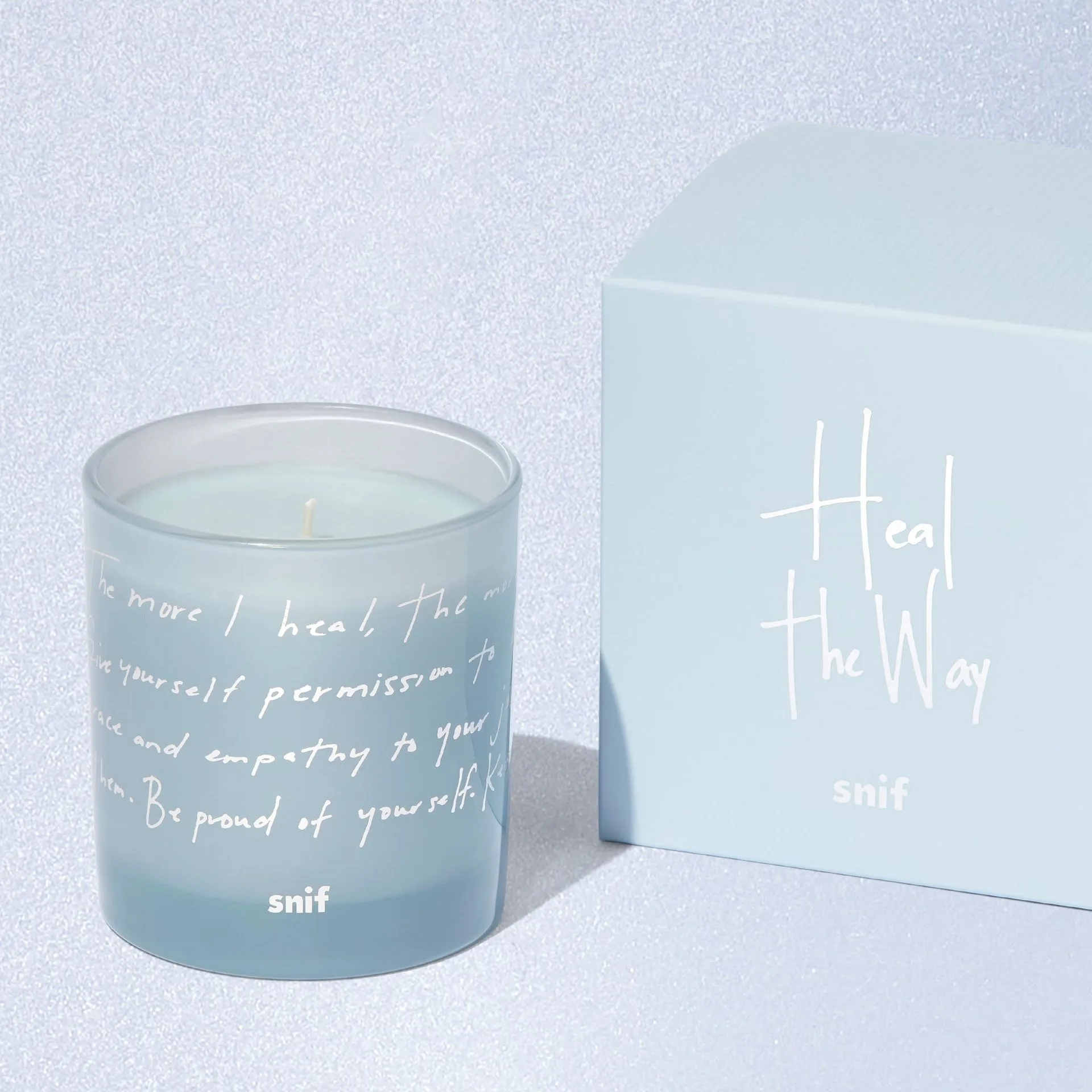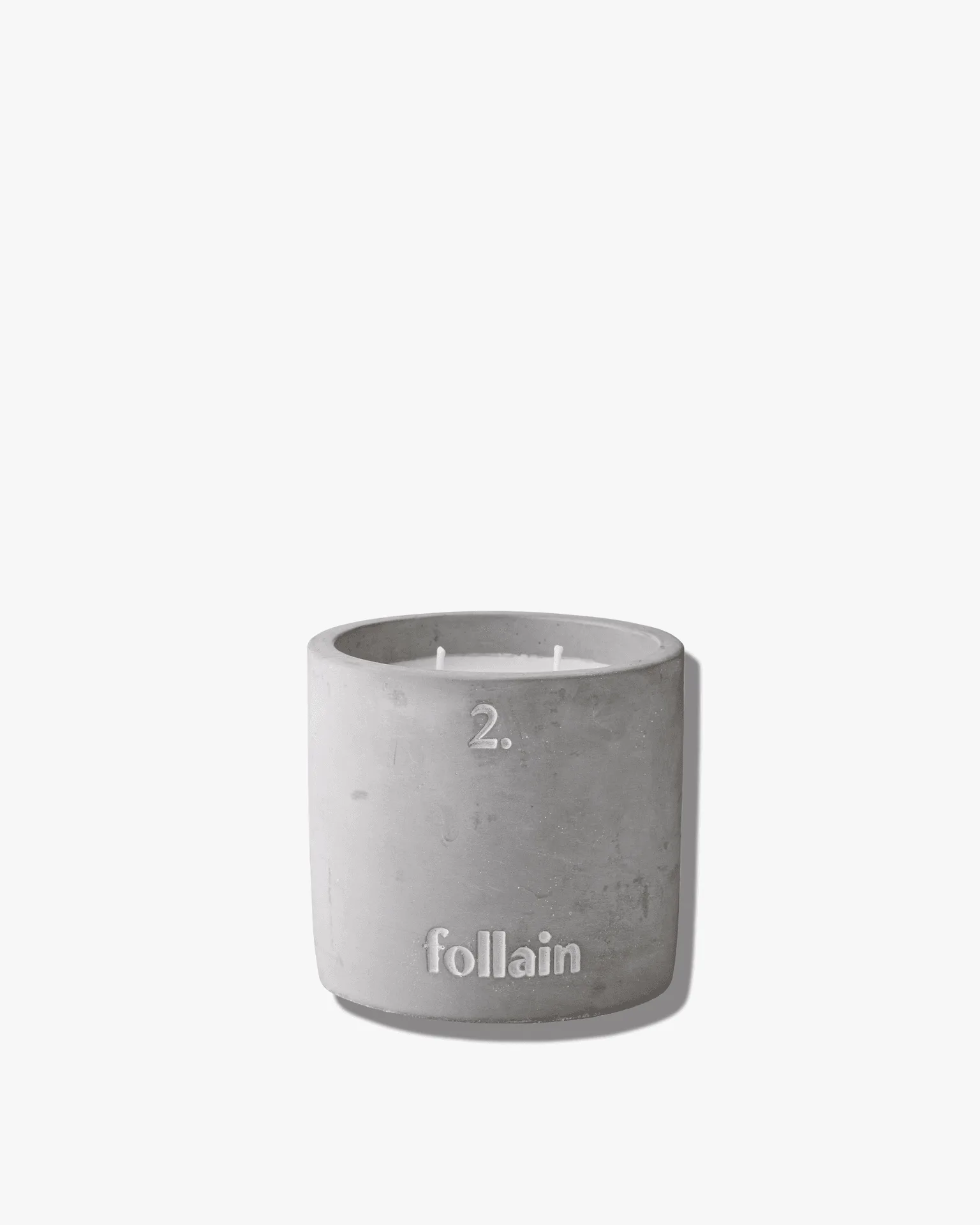
Quick answer
To make candles last longer, trim the wick to 1/4 inch before every burn, let the wax melt to the edge on the first burn, and never burn for more than 4 hours at a time. Store candles away from heat, light, and drafts. These habits prevent tunneling, soot, and wasted wax.
Why candle maintenance matters more than candle quality
A well-made candle can still burn poorly if you skip basic maintenance. The biggest culprit is a wick that's too long: it creates a large flame, burns wax faster, and releases soot. The second is a short first burn, which causes tunneling—a tunnel of wax that leaves a thick wall around the edge and wastes up to a third of the candle. Candle maintenance isn't about babying a product; it's about controlling how the wax pool forms and how much fuel the flame consumes. Once you understand those two levers, every candle burns cleaner and lasts longer.
Candle storage tips: keep them cool, dark, and dust-free
Heat and sunlight soften wax and fade fragrance oils, so store candles in a cool, dark cabinet or closet. If you keep them on a shelf, rotate them every few weeks to avoid uneven fading. Dust is another enemy: it clogs the wick and can cause a smoky burn. Cover candles with their lids or a clean cloth, or rinse them with a damp cloth before burning if they've been sitting out. Avoid storing candles in the bathroom or above the stove, where humidity and heat fluctuate.
Step-by-step candle care routine
- Trim the wick to 1/4 inch before every burn: Use a wick trimmer, nail clippers, or scissors. A long wick creates a large, flickering flame that burns wax too fast and releases soot. Trim while the candle is cool and the wax is hard; trimming a hot wick can smear wax or drop debris into the melt pool. Checkpoint: If the flame is taller than 1 inch or you see black smoke, blow it out, let it cool, and trim again.
- On the first burn, let the wax melt to the edge: This usually takes 2–3 hours for a standard jar candle, depending on diameter. A full melt pool sets the memory of the candle; if you extinguish it too early, wax will tunnel down the center on future burns and leave a ring of hard wax. Don't rush this step. Common mistake: Lighting a candle for 20 minutes and blowing it out. That almost guarantees tunneling.
- Burn for no more than 4 hours at a time: After 4 hours, the wax pool can get too deep and the wick can 'mushroom,' creating a larger flame and more soot. Extinguish, let the candle cool completely, trim the wick, and relight if you want more burn time. This also prevents the container from overheating. Checkpoint: If the container is too hot to touch, extinguish and let it cool before relighting.
- Keep candles away from drafts, fans, and vents: A draft causes an uneven burn, which leads to tunneling on one side and wasted wax on the other. It can also blow debris into the melt pool. Place candles on a stable, heat-resistant surface in a draft-free spot. Common mistake: Putting a candle near an open window or air conditioner for 'ventilation.' That's the fastest way to ruin an even burn.
- Extinguish properly and store between uses: Use a candle snuffer or a wick dipper to extinguish without splattering wax or creating smoke. Once cool, cover the candle with its lid or a clean cloth to keep dust out. Store in a cool, dark place away from direct sunlight. Checkpoint: If you see soot on the container or smell a burnt scent, your wick was too long or the burn time was too long.
Product facts
- Thigh Rescue Gel: Thigh Rescue Gel is a silky, transparent gel that lasts through sweat. One reviewer used it on their bikini line and where their sports bra sits during a 10-mile run in the heat after sugaring, and it held up without chafing. If you're active or live in a warm climate, a gel that stays put through sweat can prevent the friction that makes you cut workouts short. It's a practical alternative to traditional chafe sticks that may stop holding up over time.