Quick answer
Most candle damage comes from three fixable choices: placing a holder where air moves or heat builds, using a holder that is too small or unstable for the candle, and letting wax pool unchecked. Choose a holder with a wide, stable base, keep it on a heat-safe surface away from drafts and anything flammable, and trim the wick to about 1/4 inch before every burn. If a holder cracks, wobbles, or scorches the surface beneath it, stop using it.
A candle holder is doing two jobs at once: holding the candle steady and absorbing heat before it reaches your table. When either job fails, you get the same handful of symptoms, and they are easy to misread as bad luck or a bad candle.
This guide works backward from the symptom. Find what you are seeing, match it to the likely cause, apply the fix, and know when to stop and swap the holder instead of nursing it along.
Symptom: the candle leans or falls over
A taper that will not stand straight usually means the socket is wider than the candle base, or the holder itself is too light for the candle's height. A tall taper in a small, shallow holder creates a lever, and the slightest bump tips it. Check the fit first: the candle should sit snug with no visible gap around the base.
If the fit is right and it still leans, the holder is the problem. Move to a holder with a wider footprint and more weight, or switch to a shorter candle. Never wedge a candle in with paper, foil, or tape; those materials sit right next to the flame and defeat the purpose of a fire safe candle holder.
- Test fit before lighting: a wobble you feel now becomes a fall later.
- Shorter candles in small holders beat tall candles in unstable ones.
- Retire any holder with a cracked socket, even if it still looks fine.
Symptom: the holder or table gets hot
Heat reaching the table means the holder is too thin, too small, or made of a material that conducts rather than insulates. Metal holders warm up fast and pass heat downward. Glass and ceramic give you more buffer, but a narrow base still concentrates heat in one spot. A heat-safe surface under the holder, such as a tray or trivet, adds a layer of protection.
Burn time matters too. A holder rated for a dinner-length burn is not the same as one left going for hours. If the base is uncomfortable to touch, extinguish the candle, let everything cool, and reassess before relighting.
- Set holders on a tray or trivet, not directly on wood or lacquer.
- Feel the surface under the holder after 30 minutes; warmth is fine, heat is not.
- Give each holder clear space; clustered holders trap heat between them.
Symptom: the flame flickers, smokes, or burns unevenly
A dancing or smoking flame is usually a draft problem, not a candle defect. Air from a vent, open window, ceiling fan, or a nearby doorway pushes the flame sideways, which makes it burn faster and drip wax onto the holder and table. Candle holder placement near airflow is one of the most common and most overlooked candle safety tips.
Move the holder out of the draft path rather than raising the candle. If the flame still smokes after trimming the wick to about 1/4 inch, the wick is too long or the candle is in too much moving air. Extinguish it, trim, and try a stiller spot.
- Trim wicks to about 1/4 inch before each burn.
- Keep holders at least a few inches from walls, curtains, and paper goods.
- Turn off ceiling fans in the room before lighting tapers.
Symptom: wax pools, drips, or tunnels
Wax overflowing the holder usually means the candle burned too long in one sitting or sat in a draft. Tunneling, where wax stays on the sides while the center burns down, often comes from burning a wide candle for short periods. Both are burn-pattern problems you can correct without replacing anything.
For cleanup, let the wax cool completely, then flex or lift it away with a plastic scraper. Soften stubborn residue with a warm, not hot, damp cloth. Skip the knife; metal tools scratch glazes and etched glass. If wax has reached a porous surface, blot rather than rub so you do not push it deeper.
- Burn candles in sessions of a few hours rather than all evening.
- Let wax harden before removing it; warm wax smears.
- Use a plastic scraper, never a blade, on glazed or etched holders.
Symptom: soot on the holder or the wall behind it
Black marks above or around a holder point to a long, untrimmed wick and a flame that is starving for clean air. Soot wipes off glazed ceramic and glass, but it can stain unsealed stone, fabric, and painted walls. Fix the wick first, then the placement.
If soot keeps appearing even with a trimmed wick, the holder may be sitting in a tight nook where heat and smoke collect. Give it more open air, or move the arrangement to a surface with nothing above it. Persistent sooting is your signal to stop burning in that spot.
- Trim before every burn; this one habit prevents most soot.
- Keep holders out of shelves and alcoves with low clearance.
- Wipe soot from glass and glazed surfaces promptly.
Diagnosis: match the symptom to the fix
- Leaning or falling candle: Socket is wider than the candle base, or the holder is too light for the candle height. Refit or move to a heavier holder with a wider base. If it still wobbles after refitting, stop using that holder.
- Hot base or scorched surface: Thin or conductive holder passing heat to the table. Add a tray or trivet and reduce burn time. If the surface beneath is too hot to touch, extinguish and replace the holder.
- Flickering, smoking flame: Draft from a vent, fan, window, or doorway. Trim the wick to about 1/4 inch and move the holder out of the airflow. If it still smokes in a still spot, retire the candle.
- Wax overflow or tunneling: Burn sessions that are too long, or a draft pushing the flame sideways. Shorten sessions and let wax cool before cleanup. If wax keeps overflowing the holder, the holder is too small for that candle.
- Soot on holder or wall: Untrimmed wick plus poor air circulation. Trim, then move the holder to an open surface with clear space above. If soot returns in an open spot, stop burning there.
Products that work well around candlelight
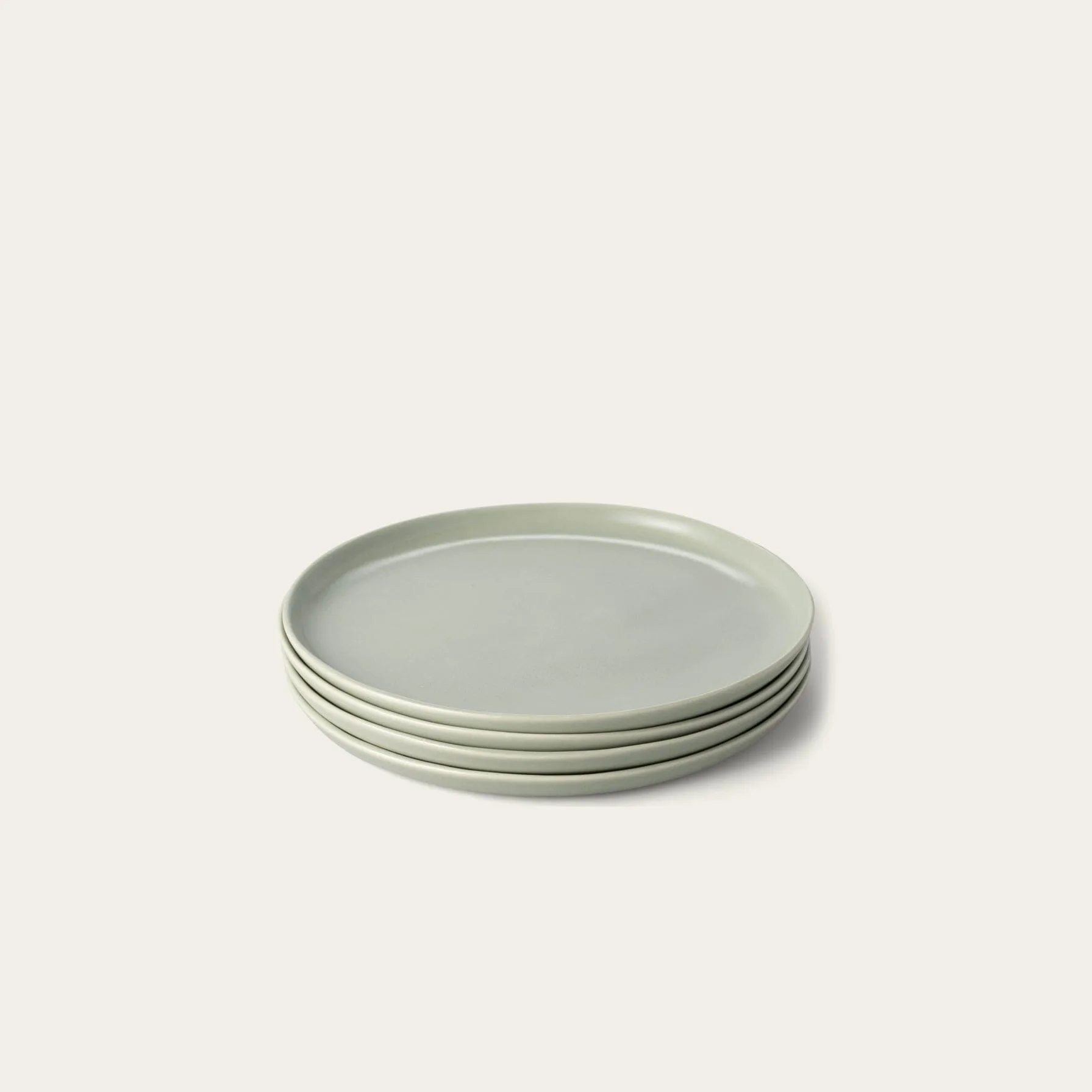
- Salad Plates: Flat with a low rim and easily stackable, hand-finished in Portugal, and sold as a set of 4. A low-rim plate makes a steady base for a small holder or a resting spot for a candle you have just blown out, and the stackable shape stores easily between dinners.
- Single Everything Bowl: A single bowl in Speckled White with a simple, versatile design for everyday table use. Useful for collecting cooled wax scraps and used wicks at the end of the evening so drips do not travel across the table.
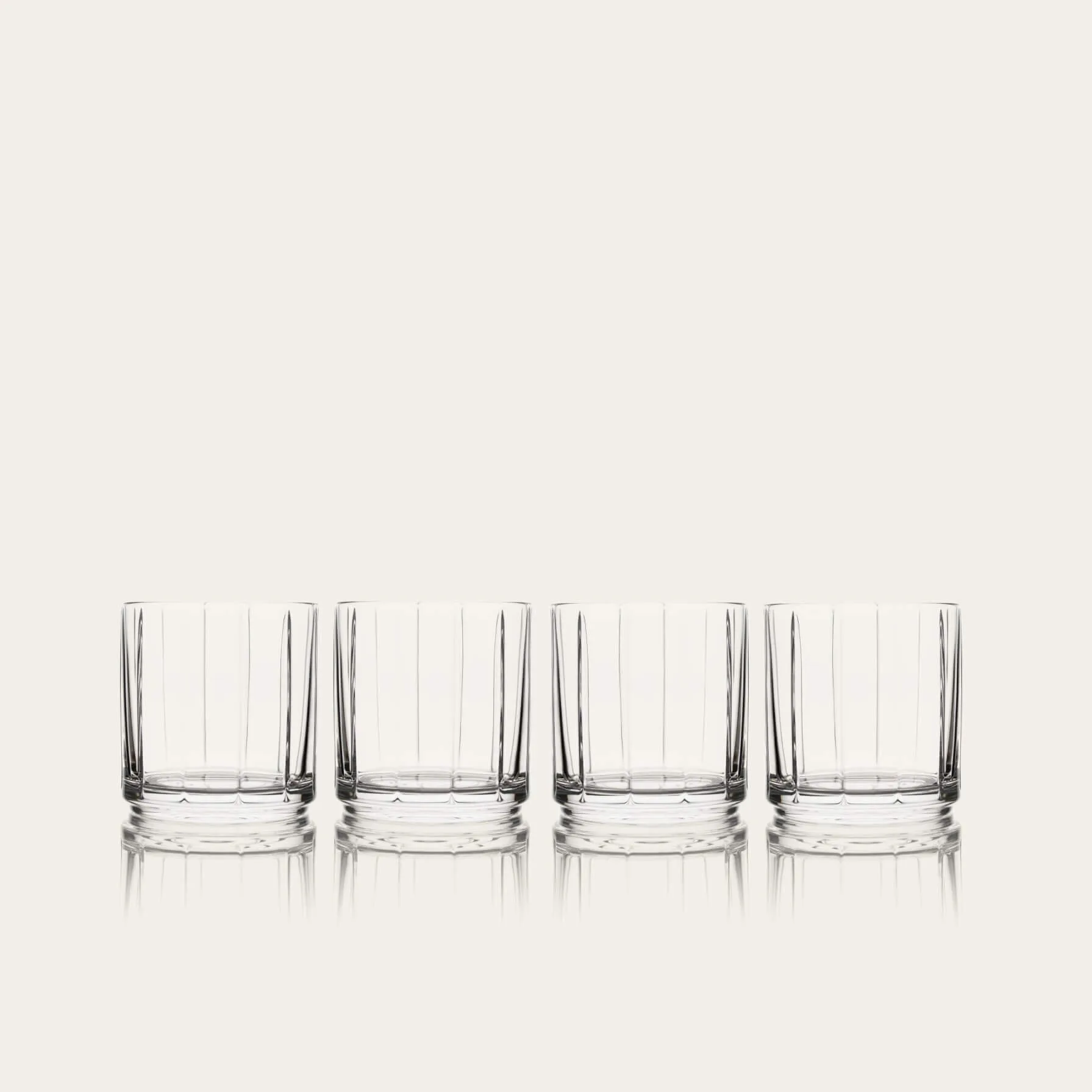
- https://fablezq.com/products/the-rocks-glasses-a0f078f9d5217711f67a8dab-2580624Rocks Glasses Pro: Shatter-resistant crystal, scratch resistant, lead-safe, stackable, and sold as a set of 4. If you keep drinks and candles on the same table, shatter-resistant glassware lowers the odds that a bumped candle arrangement ends in broken glass.
Candle holder safety comes down to fit, placement, and a trimmed wick. Fix those three and most of the symptoms above disappear; when they do not, the holder is telling you it is time to replace it.